Can You Get Implants After Years of Wearing Dentures
Can You Get Implants After Years of Wearing Dentures
**Can You Get Implants After Years of Wearing Dentures?**
For many people in Thailand, dentures are a common solution when teeth are lost due to age, decay, or accidents. They are relatively affordable, easy to get from most dental clinics, and can restore your smile quickly. But as time goes by, you might start to wonder — can dental implants still be an option after wearing dentures for many years?
This is a question many patients ask their dentists, often because they want something more permanent, more comfortable, and closer to the feeling of natural teeth. Let’s explore the answer in detail, and look at what you need to know before making the switch.
---
### Understanding the Difference Between Dentures and Implants
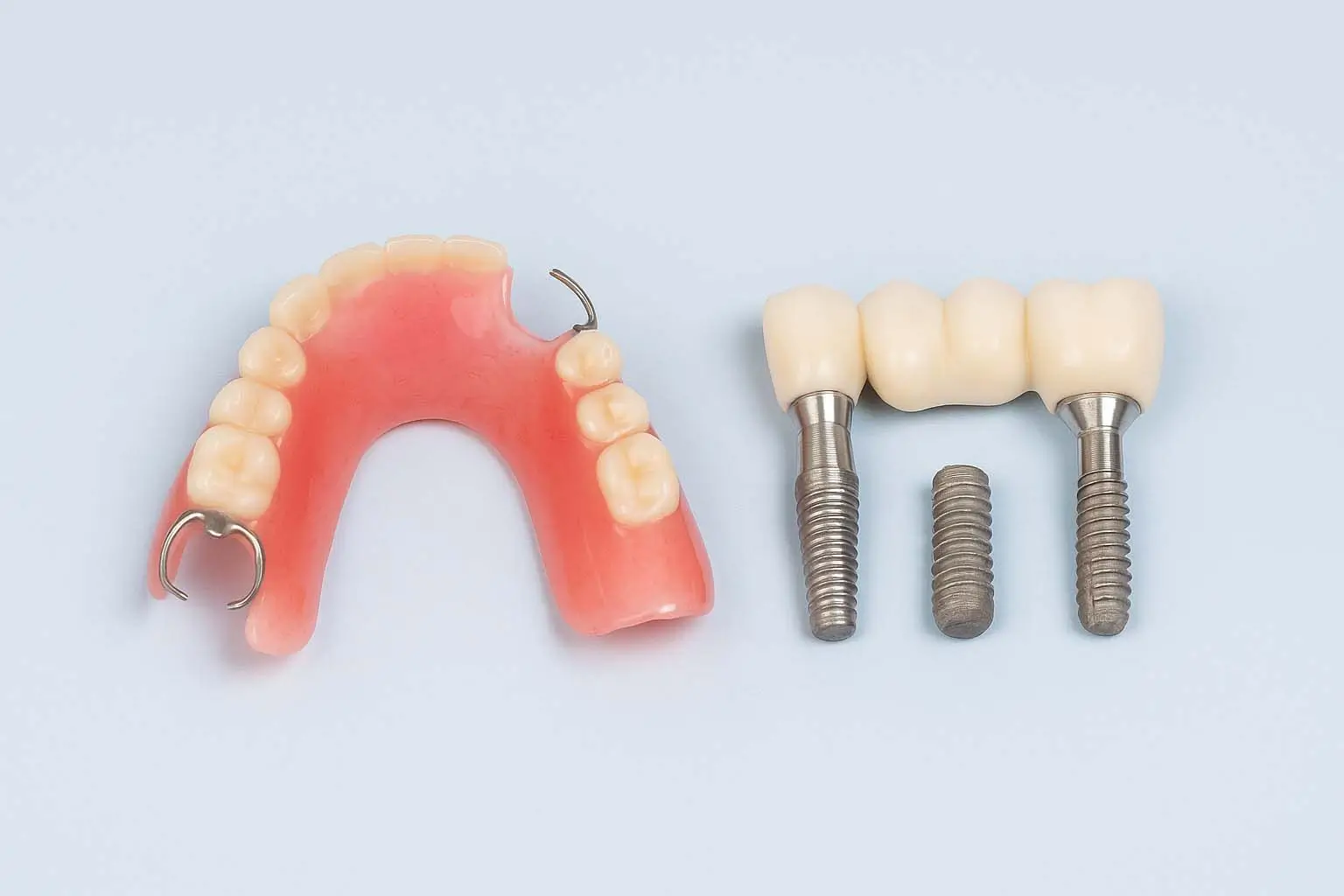
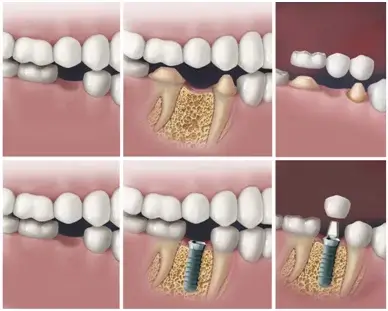
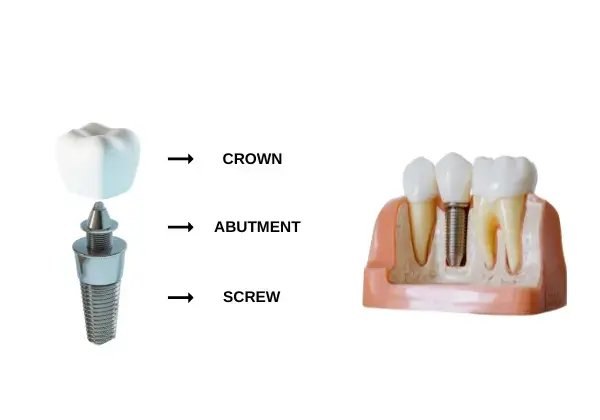
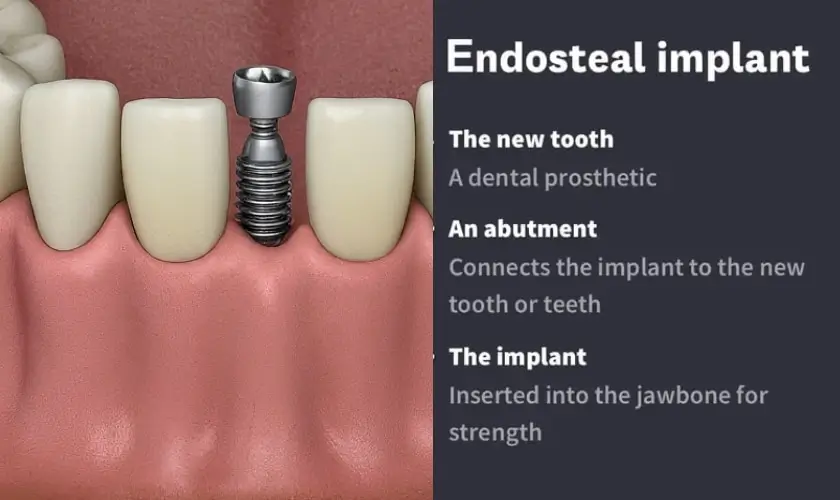
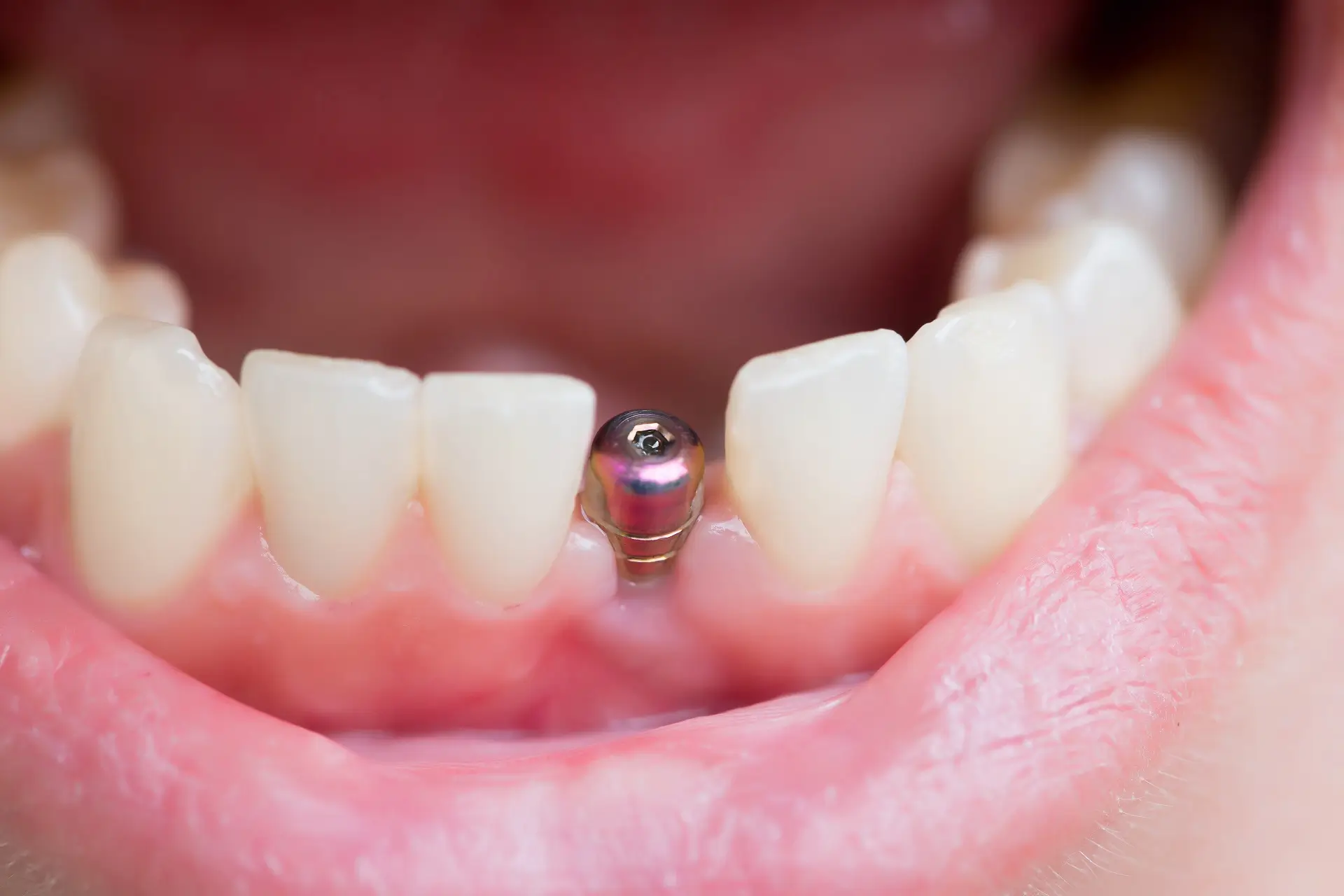
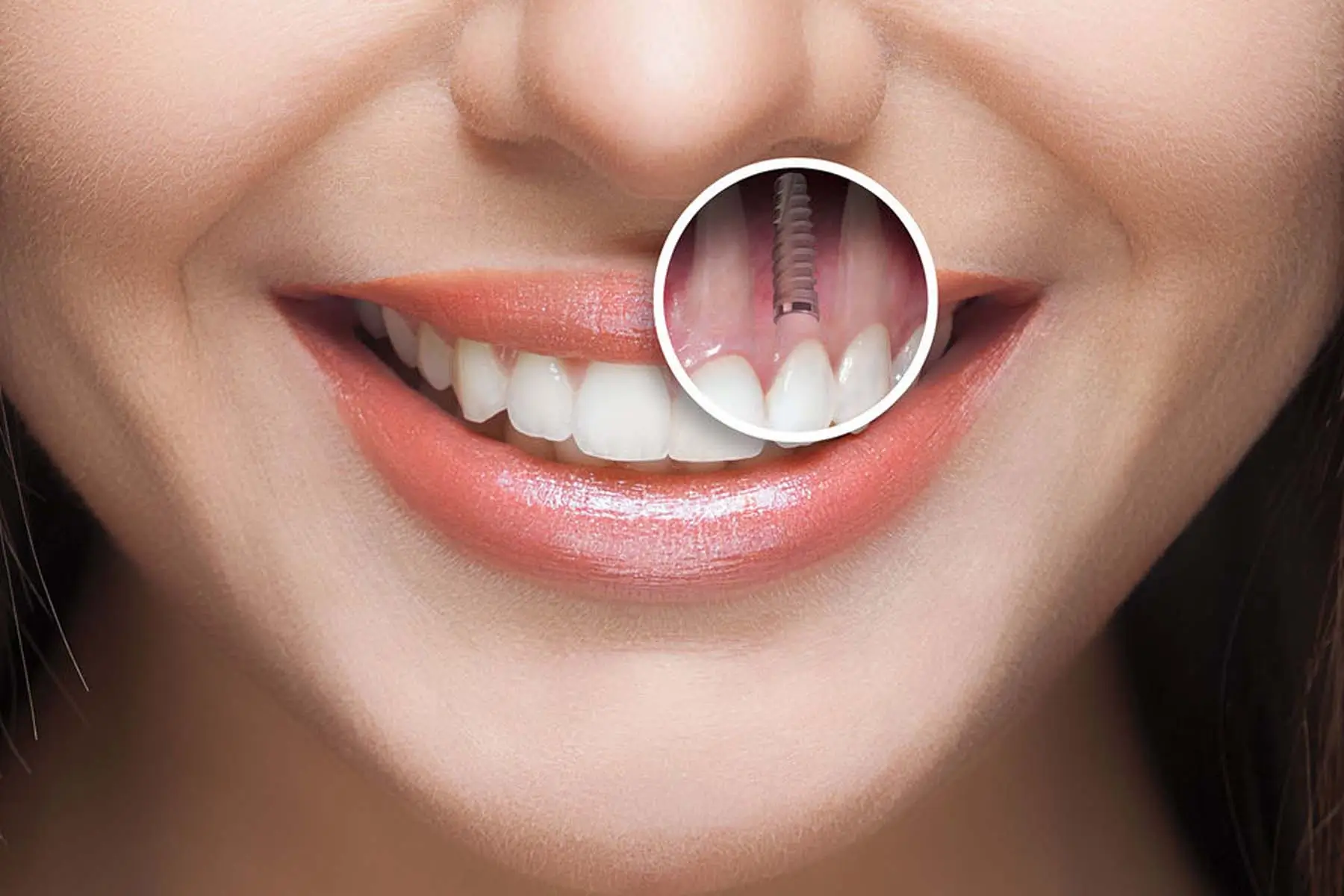
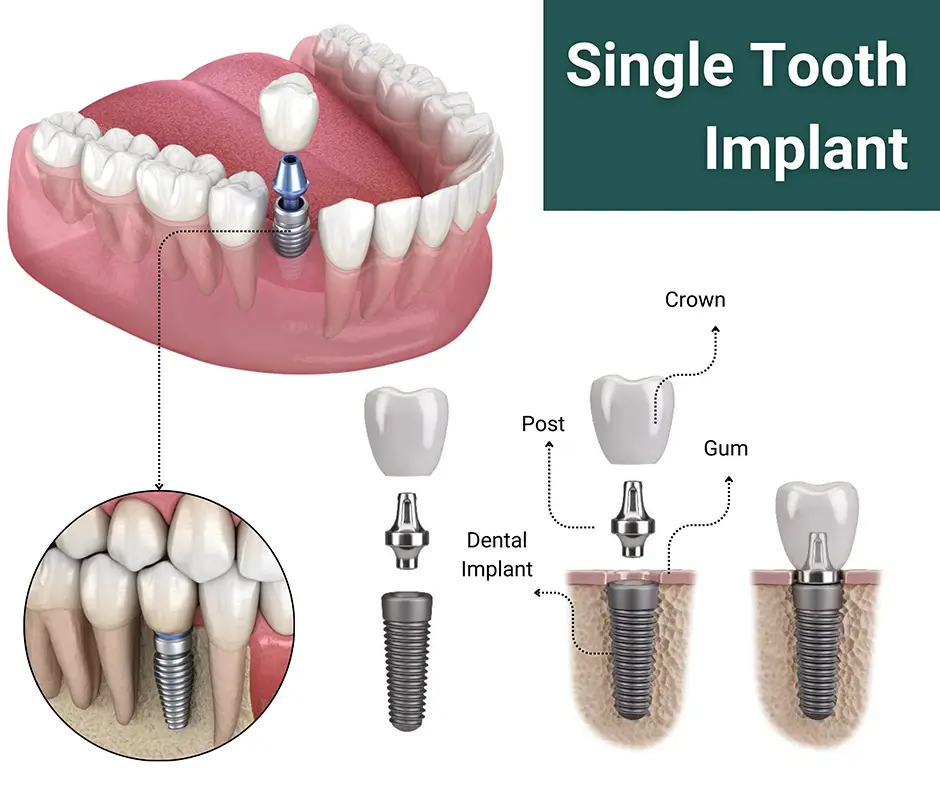
Dentures are removable artificial teeth, usually made from acrylic or a combination of materials. They rest on your gums and are supported by the jawbone underneath. Dental implants, on the other hand, are small titanium posts placed directly into the jawbone, acting like artificial tooth roots. Once the implants have fused with the bone, they can support crowns, bridges, or even a full arch of teeth.
When you switch from dentures to implants, you go from having something that can move a little when speaking or eating, to something fixed and stable. Many people in Thailand describe implants as “feeling like your own teeth” because they don’t slip, click, or require daily removal.
---
### What Happens to Your Jawbone After Wearing Dentures for Years?
Here’s the important part — when teeth are missing, the jawbone no longer gets stimulation from chewing through natural roots. Over time, the bone can shrink, a process called *bone resorption*.
If you’ve been wearing dentures for many years, you may have noticed that they become looser or less comfortable. This is often due to changes in the jawbone shape and volume. When considering implants later, bone condition matters a lot.
If the bone has shrunk significantly, implants can still be possible, but you may need a bone graft or sinus lift procedure first. This is especially true for upper jaw implants. Thai dentists often recommend a 3D X-ray to check bone levels before making a treatment plan.
---
### Is It Possible? Absolutely, But With Planning
The good news is that even if you’ve worn dentures for decades, modern dental technology can still make implants possible. Clinics in Bangkok, Chiang Mai, and other cities now offer advanced bone regeneration techniques, precise digital planning, and minimally invasive surgery.
Your dentist will usually follow this process:
1. **Initial Consultation** – Discussion of your dental history, expectations, and budget.
2. **Imaging** – 3D scans to see bone density and plan implant positions.
3. **Treatment Options** – Direct implants if bone is healthy, or bone grafting first if needed.
4. **Surgery** – Implant placement under local anesthesia, often with sedation for comfort.
5. **Healing Period** – Time for implants to fuse with t
he bone, usually 3–6 months.
6. **Final Teeth Attachment** – Beautiful, natural-looking teeth fixed on your implants.
---
### Benefits of Switching from Dentures to Implants
People who transition from dentures to dental implants in Thailand often talk about how it changes their daily life:
- **Better chewing power** – Enjoy sticky rice, grilled pork, or crunchy fruits with ease.
- **No slipping** – Implants stay in place when speaking or laughing.
- **More confidence** – Smile naturally without worrying about dentures moving.
- **Preserves bone** – Implants help stop further bone loss by stimulating the jaw.
- **Convenience** – No need for nightly soaking or frequent relining.
---
### Costs and Considerations in Thailand
Dental implants in Thailand can be more affordable than in many Western countries, but they’re still more expensive than dentures. Prices vary depending on the clinic, city, and whether additional procedures like bone grafting are required.
For example, a single implant in Bangkok or Phuket may range from THB 50,000–80,000, while a full-arch implant-supported bridge could be several hundred thousand baht. Many clinics also offer packages with payment plans, making it easier to manage the cost.
It’s important to remember that implants are a long-term investment. With proper care, they can last decades — far longer than dentures, which often need replacement after several years.
---
### Recovery and Lifestyle After Getting Implants
If you’re used to removing dentures at night, implants will feel like a major lifestyle change. You’ll wake up with your teeth still in place and no need for adhesive. However, you must maintain good oral hygiene — brushing twice daily, using mouthwash, and visiting your dentist for regular check-ups.
In Thailand’s hot and humid climate, good hygiene is especially important to avoid gum infections. Many dentists recommend an annual professional cleaning around the implants to keep them healthy.
---
### Final Thoughts
Can you get implants after years of wearing dentures? The simple answer is: yes, you can — but it requires careful assessment and possibly extra procedures to prepare your jawbone. Modern dentistry in Thailand offers advanced solutions, meaning people no longer have to settle for loose dentures or avoid their favorite foods.
If you have been wearing dentures for a long time and feel ready for something permanent, talk to a qualified implant specialist. With proper planning, your smile can be restored to a natural, strong, and confident one, no matter how long you’ve been without real teeth.
Switching from dentures to implants is not just about improving your smile — it’s about reclaiming the comfort and confidence to enjoy life fully, from chatting with friends over iced tea to savoring every bite of your favorite dishes.
---
If you want, I can also create an SEO keyword list and meta description for this article so it ranks higher on Google. Would you like me to do that?