What Happens During a Two-Stage Implant Procedure
What Happens During a Two-Stage Implant Procedure
**What Happens During a Two-Stage Implant Procedure**
Dental implants have become one of the most reliable solutions for replacing missing teeth, offering both durability and a natural look. In Thailand, many patients choose implants because they not only restore their smile but also improve chewing comfort and long-term oral health. Among the different implant techniques, the **two-stage implant procedure** is widely used and trusted by dentists to ensure stability and long-lasting results.
If you’re considering dental implants but feel a bit unsure about how the process works, this guide will walk you through each stage so you know exactly what to expect.
---
### **Understanding the Two-Stage Approach**
Unlike a single-stage implant, which places the implant post and attaches the healing cap in one go, the **two-stage method** separates surgery into two distinct phases. This approach allows the bone and implant to fuse securely before the visible tooth is added, which can be especially important when bone quality needs more healing time. In Thailand, dentists often recommend the two-stage procedure for patients who require extra precision and stability, or for those who have had bone grafting beforehand.
---
### **Stage One: Placing the Implant Post**
The first stage is all about building the foundation.
**Initial Consultation**
Your dentist will start with a thorough examination, including X-rays or 3D scans. They will check your jawbone’s density and overall oral health to confirm you are a good candidate. In Thailand, clinics often take extra time during this step to explain options and costs, making sure you feel comfortable with your decision.
**Surgical Placement**
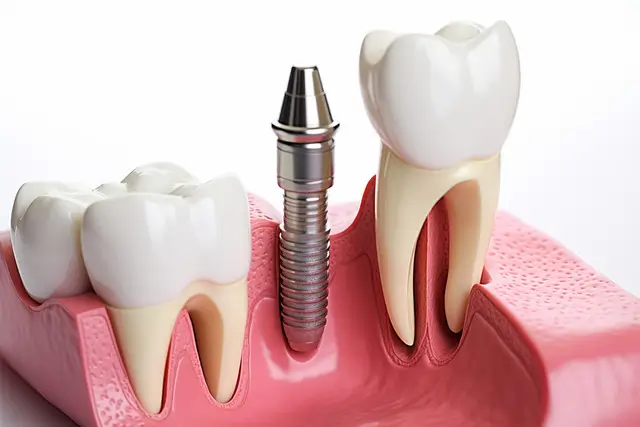
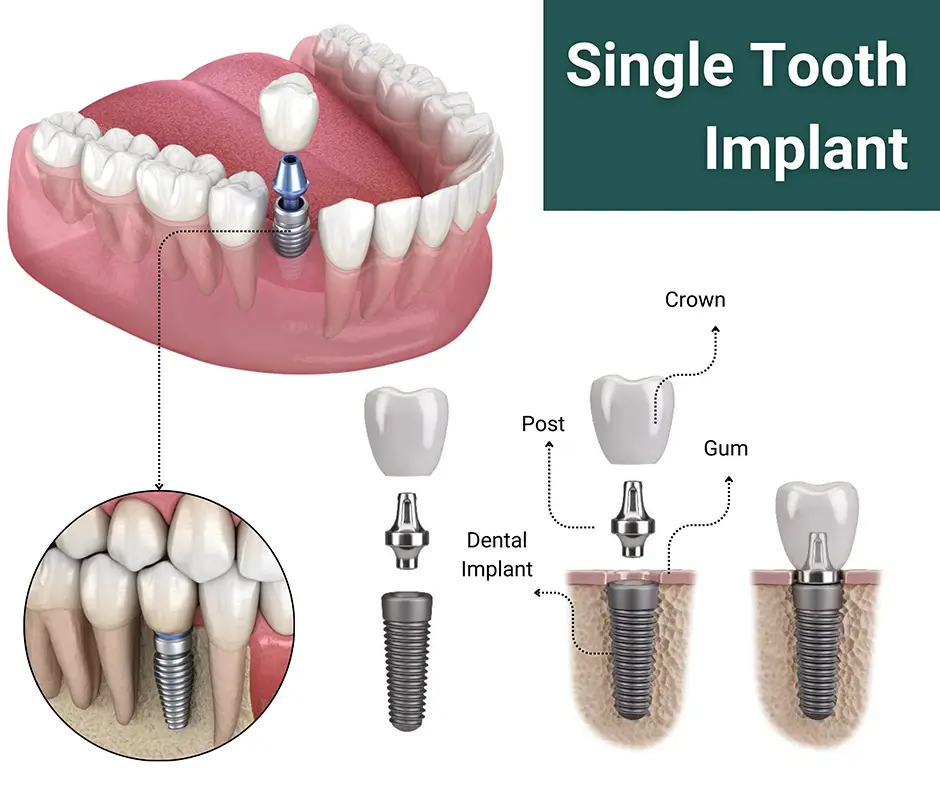
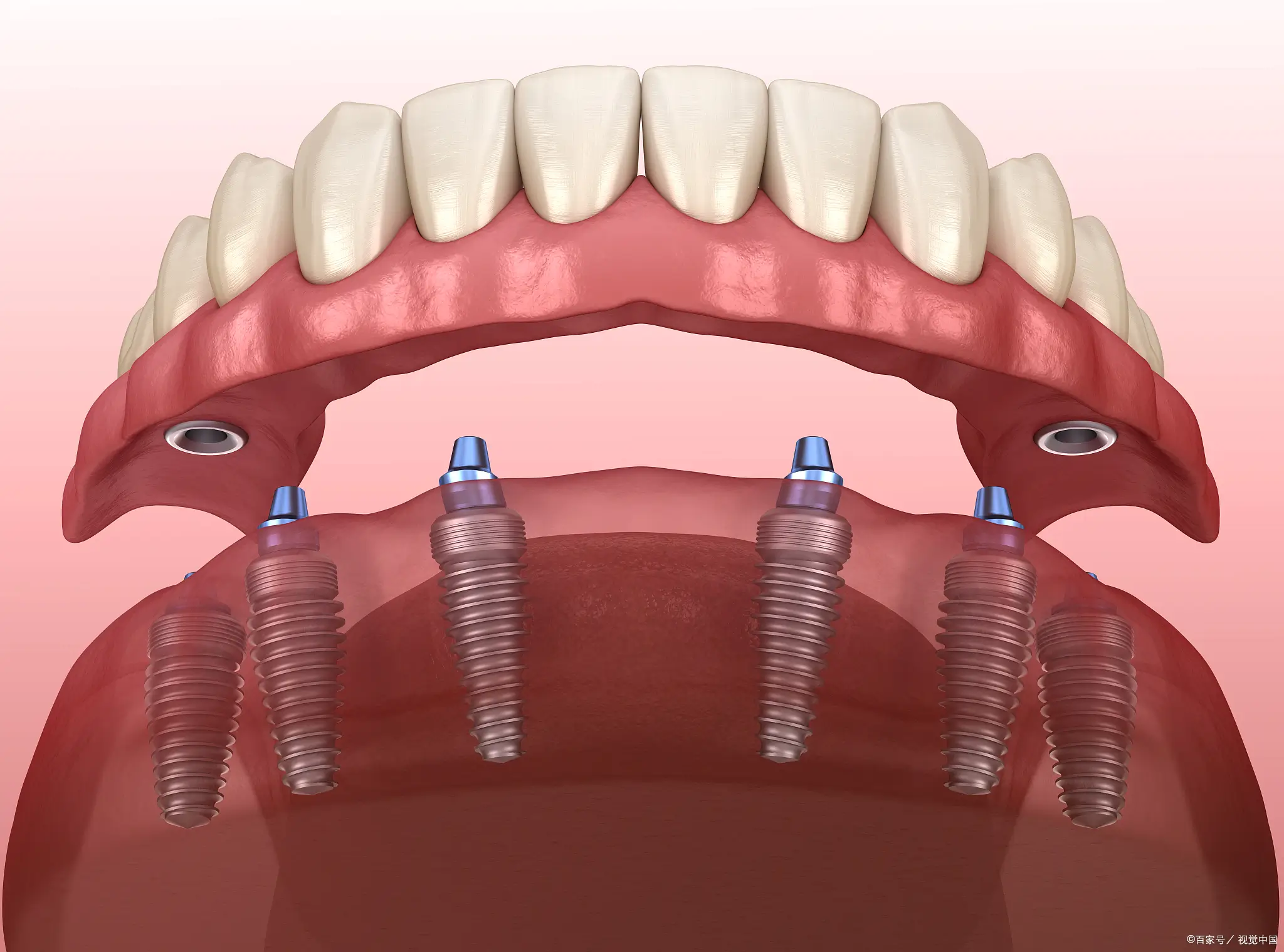
On the day of surgery, local anaesthesia or sedation will be used so you won’t feel pain during the procedure. The dentist will gently open the gum to reach the jawbone. A small hole is carefully prepared, and the titanium implant post is inserted. Titanium is preferred because it’s biocompatible and encourages bone integration.
**Closing the Gum**
Instead of placing the healing cap immediately, the gum tissue is stitched closed over the implant. This protects the area during the crucial healing phase and reduces the risk of infection. Many patients in Thailand appreciate this step because it keeps the implant site discreet while healing.
**Healing Period – Osseointegration**
This healing stage can take between three to six months, depending on your body’s response and bone health. During this period, the implant fuses with the surrounding bone in a process called **osseointegration**. The stronger this bond becomes, the more stable your future tooth will be. Your dentist might schedule follow-up visits to check the healing progress and give advice on maintaining gum health.
---
### **Stage Two: Attaching the Abutment and Crown**
Once your dentist confirms the implant is well integrated, you’re ready for the second s
tage of the procedure.
**Reopening the Gum**
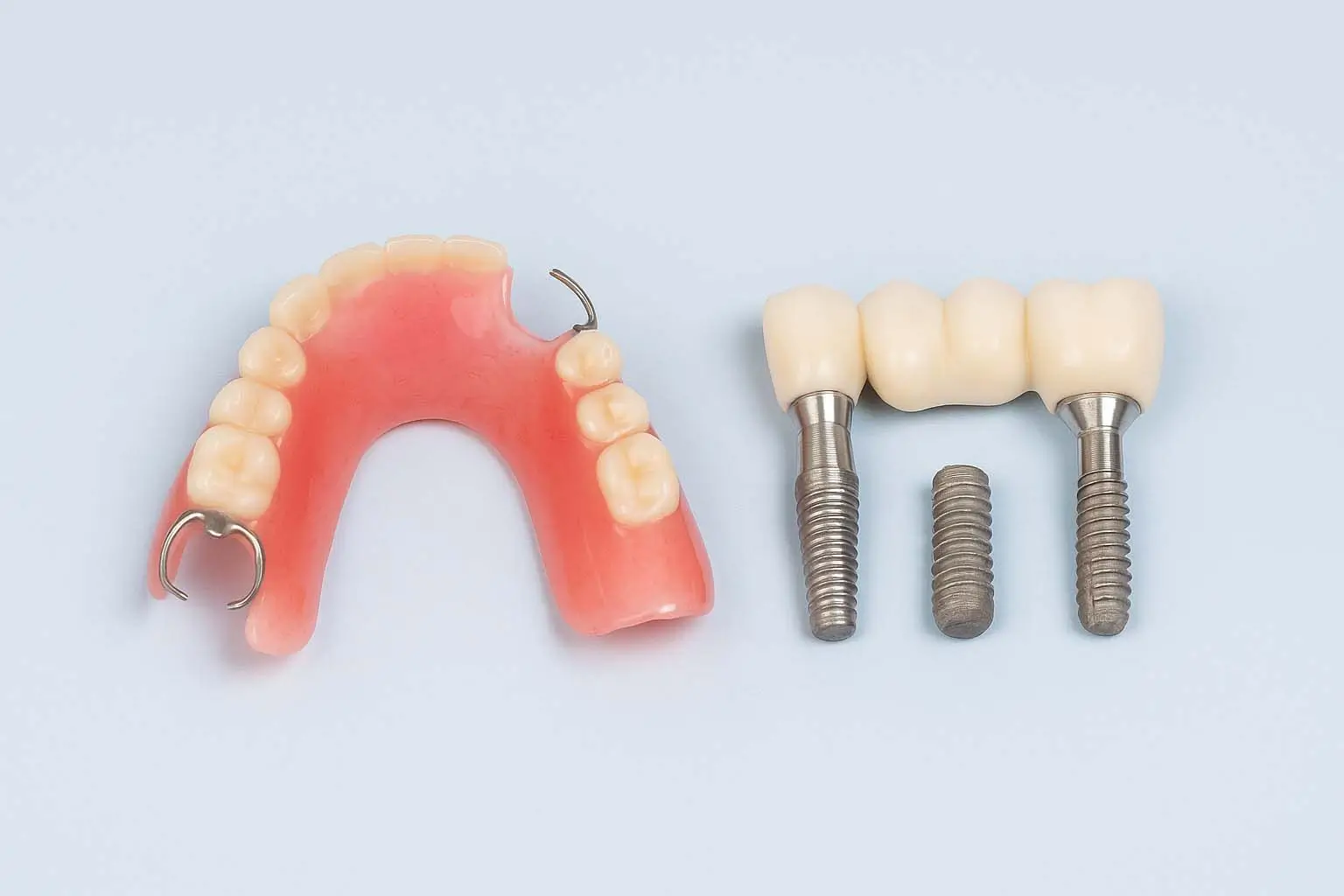
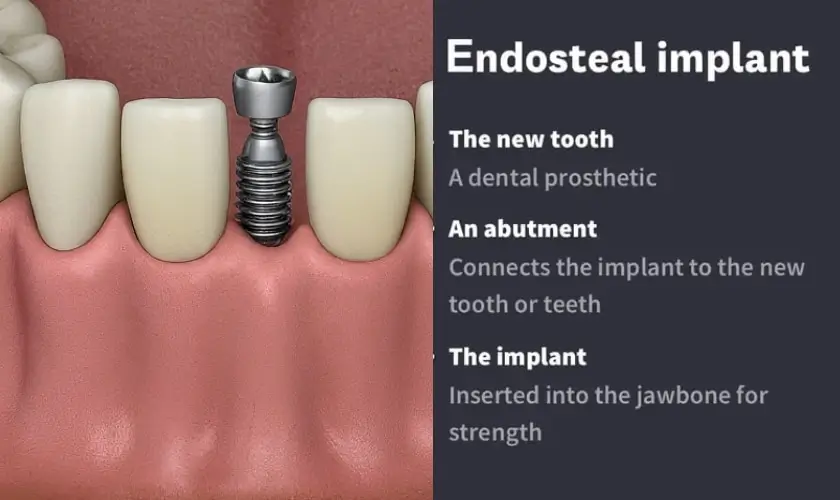
During this minor surgery, the dentist reopens the gum above the implant and attaches a small connector called an **abutment**. This part will hold the crown, which is the visible tooth replacement. In most cases, the procedure is quick and done under local anaesthesia.
**Custom Crown Preparation**
Your dentist will take impressions or digital scans to design a crown that matches your other teeth in shape, colour, and bite alignment. Thailand’s modern dental labs are known for producing high-quality crowns that look natural and blend seamlessly with the patient’s smile.
**Final Placement**
Once the crown is ready, it is securely attached to the abutment. You can now chew, speak, and smile with confidence. Because the implant is firmly anchored, it often feels just like a natural tooth.
---
### **Advantages of the Two-Stage Implant Method**
The two-stage implant procedure offers several benefits:
1. **Better Protection During Healing** – The gum stays closed over the implant during the early months, lowering infection risks.
2. **Increased Stability** – The longer healing phase allows stronger bone integration for long-term success.
3. **Suitable for Complex Cases** – Ideal when bone grafting or sinus lifts have been performed.
4. **High Success Rate** – With proper care, implants from the two-stage method can last for decades.
---
### **Aftercare Tips for Long-Term Success**
- **Maintain Good Oral Hygiene** – Brush and floss daily, and use mouthwash to keep bacteria at bay.
- **Attend Follow-Up Visits** – Regular check-ups ensure your implant stays healthy and strong.
- **Watch Your Diet During Healing** – Eat soft foods in the early stages, avoiding anything too hard or sticky.
- **Avoid Smoking and Excessive Alcohol** – These can slow down healing and affect implant success.
---
### **Is the Two-Stage Procedure Right for You?**
Every patient’s needs are different. The two-stage implant procedure is especially recommended if you have weaker bone structure, multiple missing teeth, or require added healing time. In Thailand, many dental clinics provide detailed treatment plans with cost transparency, so you can make an informed choice without feeling rushed.
---
### **Final Thoughts**
A two-stage dental implant procedure may take more time than a single-stage approach, but the careful separation of steps can lead to stronger, longer-lasting results. By allowing the implant to completely fuse with your jaw before adding the crown, you’re setting the stage for a smile that feels comfortable and natural for years to come.
If you’re considering this treatment in Thailand, look for experienced dentists who explain the process clearly, prioritise safety, and offer personalised care. With the right professional guidance and proper aftercare, a two-stage implant can be one of the most rewarding investments you make for your oral health.