How Thailand Implant Surgeons Keep Infection Risks Low
How Thailand Implant Surgeons Keep Infection Risks Low
**How Thailand Implant Surgeons Keep Infection Risks Low**
Dental implants have become a popular solution in Thailand for replacing missing teeth. Whether you’re a local resident or visiting the country for dental tourism, you’ll find that implant surgery here is often praised for its high standards of care, reasonable costs, and impressive success rates. One key reason for these positive outcomes is the strict infection control practices observed by Thailand’s implant surgeons.
Infection is among the biggest concerns in any surgical procedure. With dental implants, good hygiene and professional techniques are not just important – they’re essential for long-term success. Here’s how dental professionals across Thailand keep infection risks low before, during, and after your implant treatment.
---
### **Meticulous Sterilisation Standards**
Thai dental clinics, especially those specialising in implants, take sterilisation very seriously. Before any procedure, all instruments are cleaned using ultrasonic cleaners, sterilised through autoclaves, and stored in sealed packaging until the moment of use. Surgical rooms are disinfected between patients, and surfaces are wiped down regularly with hospital-grade solutions.
Many clinics follow guidelines from both the **Ministry of Public Health of Thailand** and international infection control standards such as ISO and CDC recommendations. This level of diligence ensures that each patient receives treatment in a clean and safe environment, reducing the risk of bacteria entering the surgical site.
---
### **Thorough Patient Assessment**
In Thailand, implant surgeons typically conduct a detailed consultation before recommending any surgery. This includes checking for underlying health issues such as diabetes, gum disease, or smoking habits – factors known to increase the risk of infection. Digital X-rays and 3D scans are used to assess bone density and identify potential problem areas.
By understanding a patient’s health profile, the surgeon can plan the procedure in a way that minimises complications and allows for faster healing. For instance, if gum inflammation is detected, the dentist may first recommend a professional cleaning and possibly antibiotics before proceeding with the implant.
---
### **Use of High-Quality Materials**
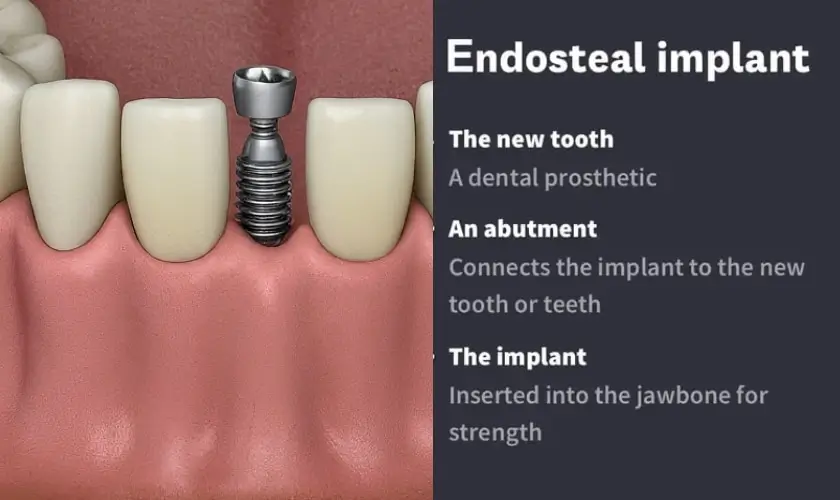
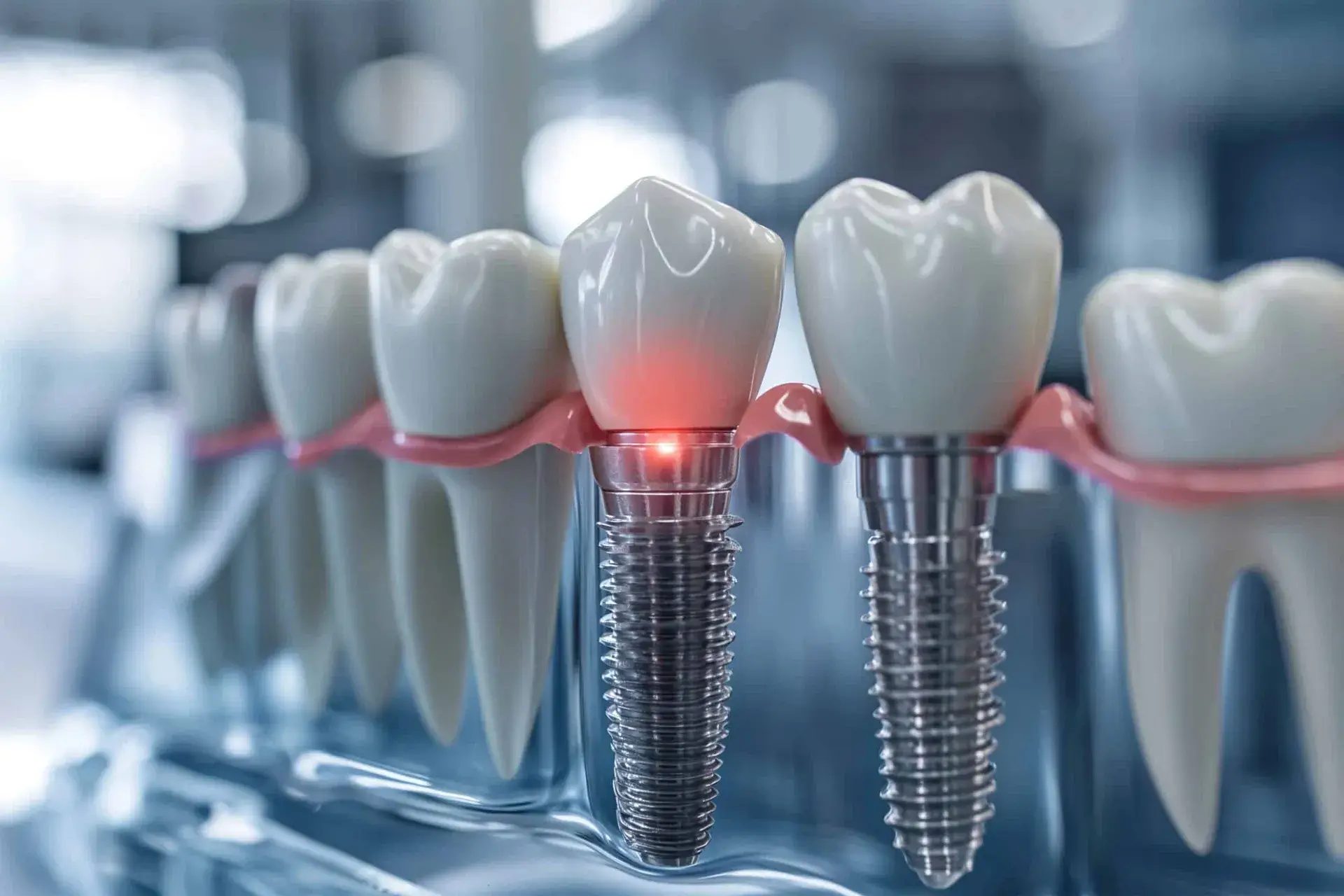
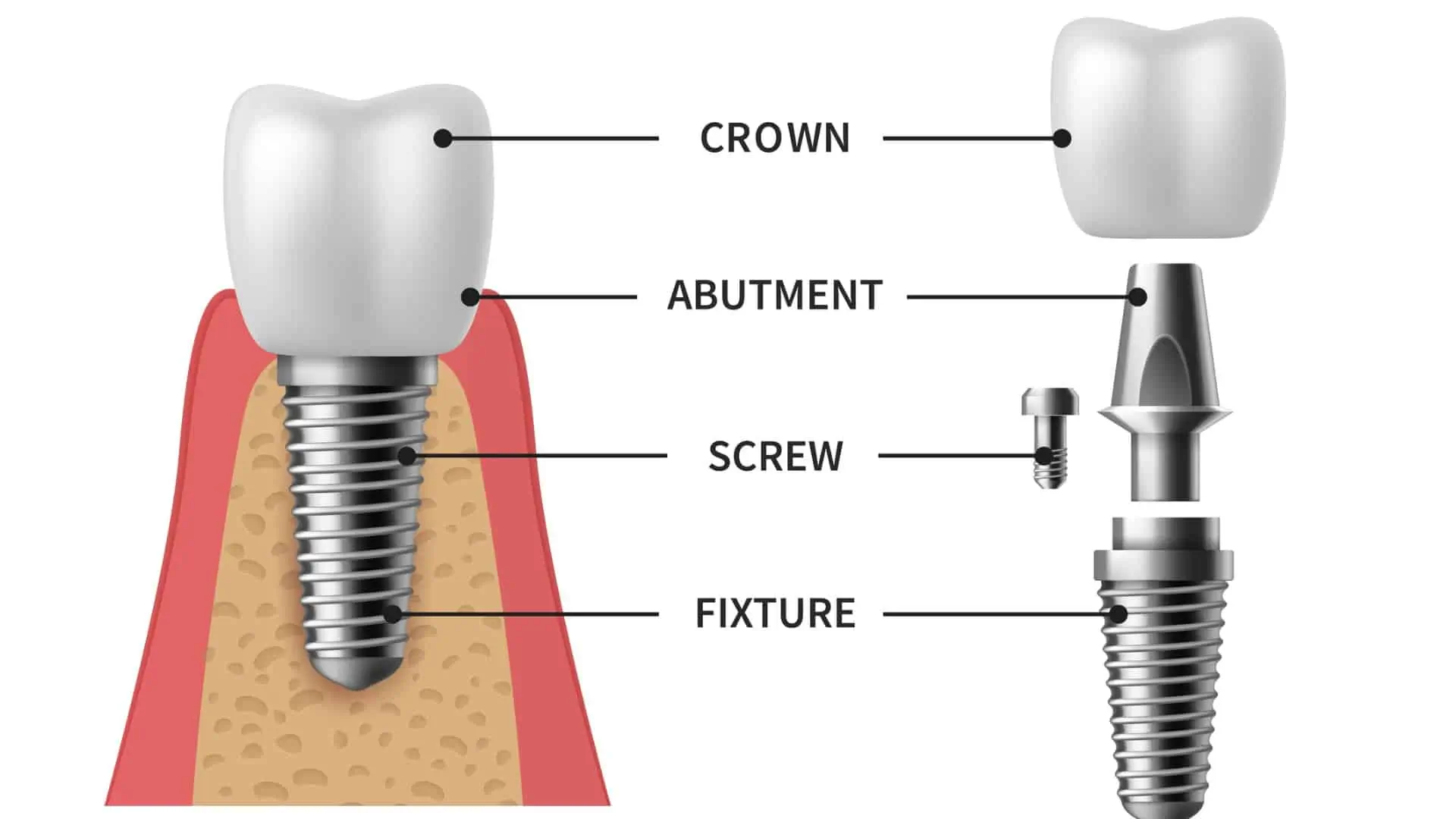
Another infection-prevention measure practiced widely in Thailand is the use of internationally certified implant systems. Well-known brands like Straumann, Nobel Biocare, and MIS are commonly used because they have proven biocompatibility and a lower risk of harbouring harmful bacteria.
Titanium, the material used in most implants, is chosen for its resistance to corrosion and ability to integrate well with bone tissue. These qualities reduce the chance of infection and increase the lifespan of the implant.
---
### **Strict Surgical Protocols**
In Thai implant clinics, surgery is performed with precise protocols. Surgeons wear sterile gowns, gloves, masks, and, often, protective eyewear. Patients are draped to maintain a sterile field, while surgical assistants follow step-by-step protocols for handing instruments and maintaining cleanliness.
During the procedure, the surgeon minimises tissue trauma and avoids prolonged exposure of the implant site. The less the surgical area is disturbed, the lower the risk of post-operative complications.
---
### **Prescription of Prophylac
tic Antibiotics**
It’s common practice in Thailand for implant patients to be prescribed antibiotics, either before or immediately after surgery. This prevents any bacteria present in the mouth or bloodstream from causing an infection around the implant site. Dosages and timing are carefully monitored to avoid antibiotic resistance and ensure effectiveness.
---
### **Patient Education on Post-Operative Care**
One unique and admirable trait of Thai implant surgeons is their focus on patient education. After surgery, patients are given clear, easy-to-understand instructions on how to care for the implant area. These often include:
- Rinsing with a prescribed antibacterial mouthwash
- Avoiding hard or chewy foods during healing
- Maintaining gentle but thorough oral hygiene
- Attending follow-up appointments promptly
Some clinics even provide printed guides or video instructions in both Thai and English, particularly for international patients who may be unfamiliar with the healing process.
---
### **Follow-Up and Continuous Monitoring**
Post-operative follow-ups are a routine part of implant care in Thailand. Surgeons examine the surgical site to ensure healing is progressing well, check for signs of swelling or redness, and take new scans if necessary.
Many reputable clinics schedule multiple follow-up visits over the course of several months. This careful monitoring means that any early signs of infection can be addressed immediately before they develop into more serious problems.
---
### **Integration of Modern Technology**
Thailand’s leading implant centres make use of modern technology not only for precision placement but also for infection risk reduction. For example, computer-guided surgery allows implants to be placed with minimal incisions, which shortens healing time and reduces exposure to contaminants.
Some clinics also use plasma-rich growth factors (PRGF) and laser therapy to stimulate tissue regeneration and sterilise the site, further lowering the chance of infection.
---
### **A Blend of Local Warmth and Professionalism**
Beyond the technical side, one reason patients feel confident getting dental implants in Thailand is the warm and respectful care provided by the staff. The approachable nature of Thai healthcare professionals encourages open communication – patients feel comfortable asking questions and reporting any unusual symptoms during recovery.
This cultural combination of hospitality and professionalism contributes to overall patient compliance and, indirectly, to reduced infection rates. When patients trust their surgeon and follow given advice, outcomes improve.
---
### **Final Thoughts**
Thailand has built a strong reputation in the field of dental implants not just because of affordability but because of its uncompromising standards in infection prevention. Through strict sterilisation, thorough patient screening, high-quality materials, precise surgical protocols, antibiotic use when necessary, and dedicated aftercare, Thai implant surgeons safeguard both local and international patients.
For anyone considering dental implants, knowing how seriously infection risks are addressed in Thailand can provide reassurance. Choosing a certified and experienced implant dentist here means stepping into a surgical environment where your health and safety take centre stage — and that’s something worth smiling about.