What to Know Before Booking Dental Implants in Thailand
What to Know Before Booking Dental Implants in Thailand
**What to Know Before Booking Dental Implants in Thailand**
If you’ve been thinking about getting dental implants, Thailand might be one of the first destinations that comes to mind. Known for its skilled dentists, modern clinics, and affordable prices, dental tourism here continues to grow every year. But before you go ahead and book your treatment, it’s important to know exactly what to expect. Making an informed decision will help you save time, money, and avoid unnecessary stress.
### Why Thailand Is Popular for Dental Implants
Thailand offers a mix of high-quality dental care and competitive pricing that’s hard to beat. Clinics in Bangkok, Chiang Mai, and Phuket are equipped with advanced technology and staffed by dentists trained both locally and overseas. Many speak fluent English, making communication much easier for international patients. Plus, the cost of dental implants in Thailand can be significantly lower than in countries like Australia, the UK, or the US—sometimes by as much as 50–70%.
Another attraction is the service culture in Thailand. Local clinics often go the extra mile to make patients feel comfortable, offering friendly staff interactions, relaxing environments, and even helping with travel arrangements. This unique combination of professionalism and Thai hospitality is part of what inspires trust among patients from around the world.
### Understanding the Treatment Process
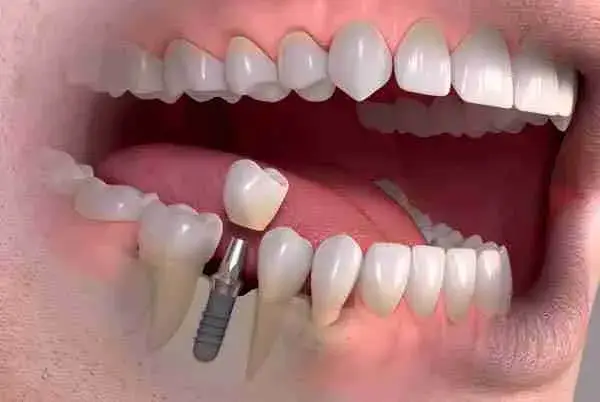
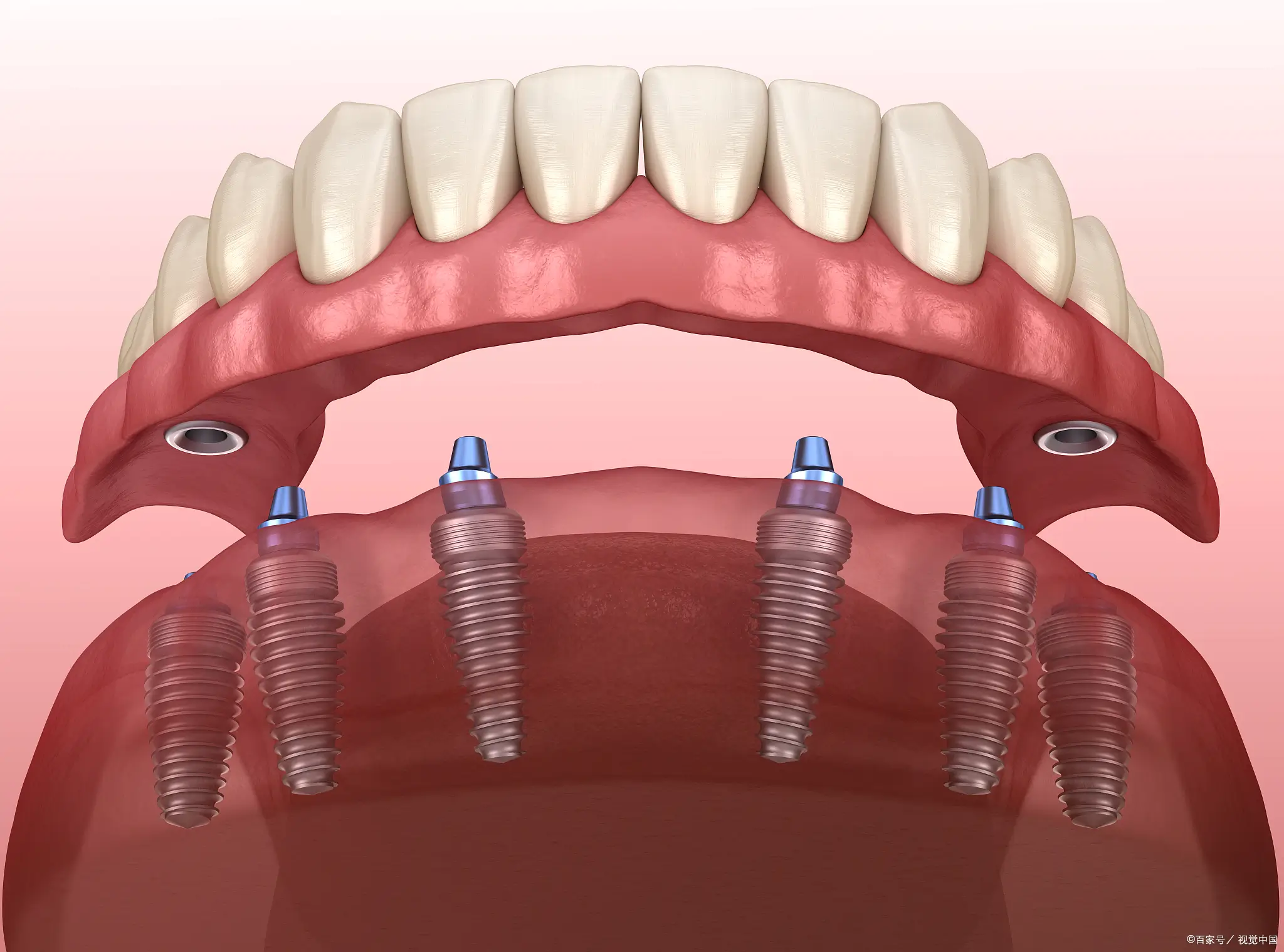
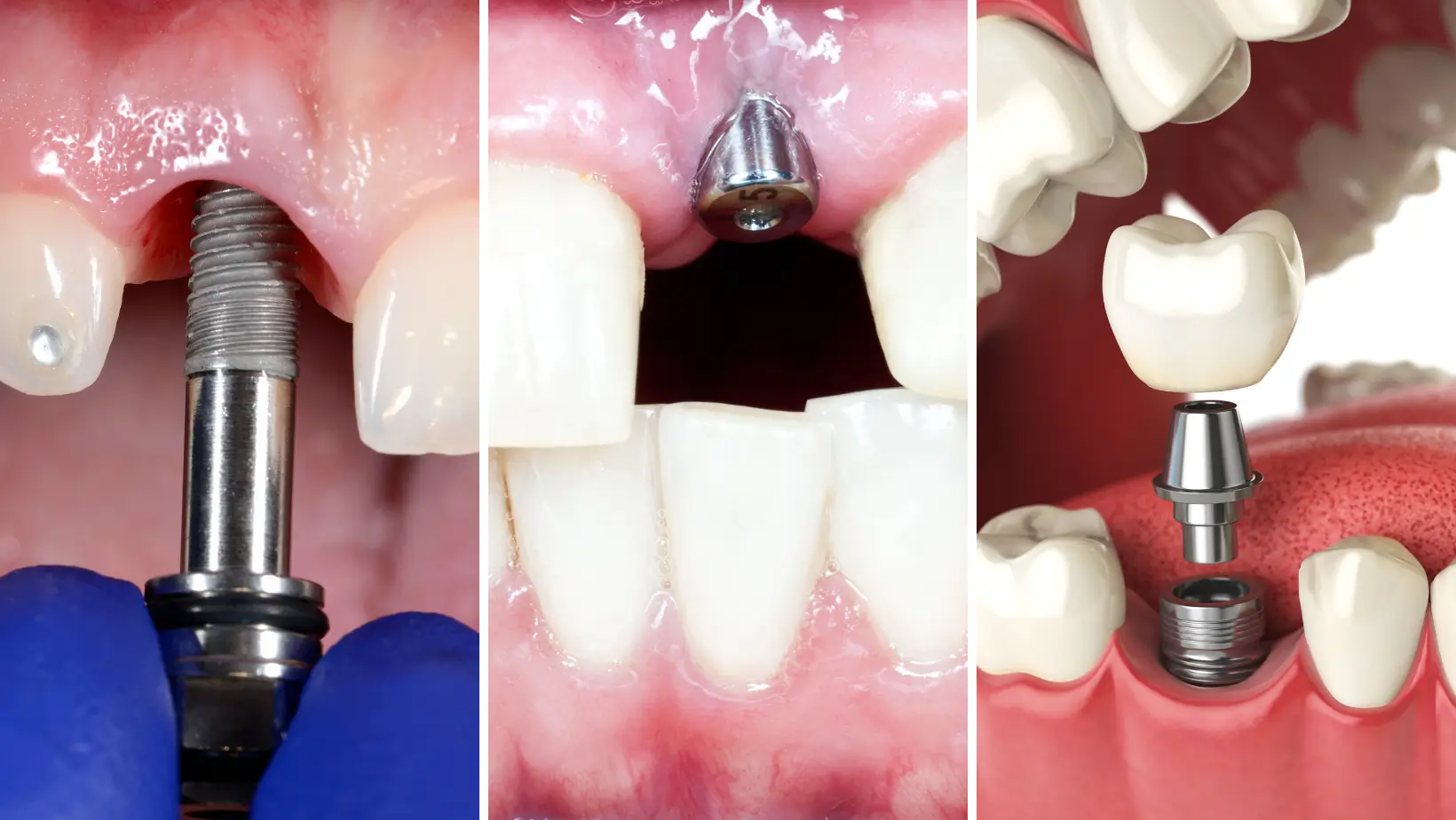
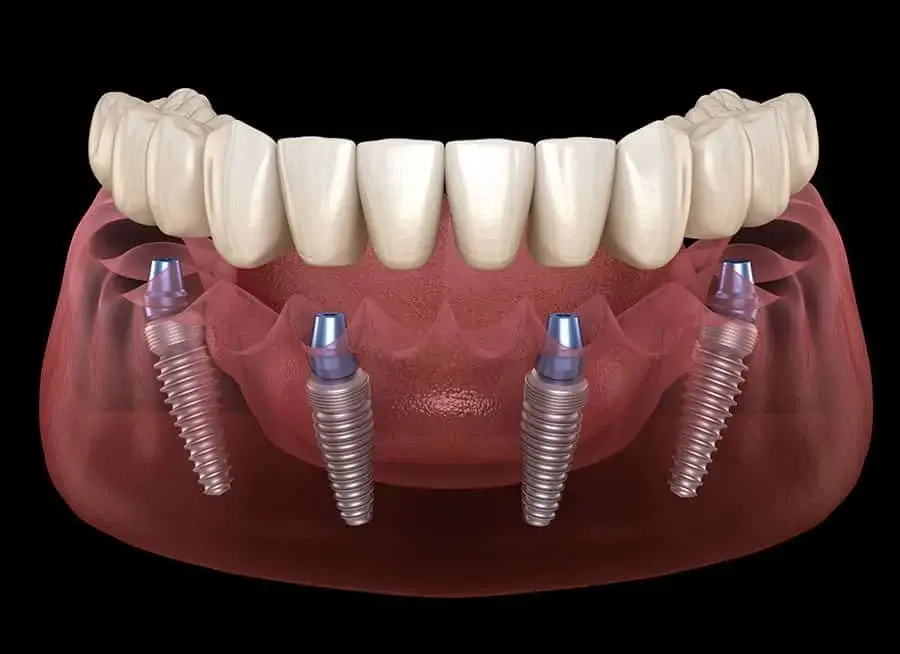
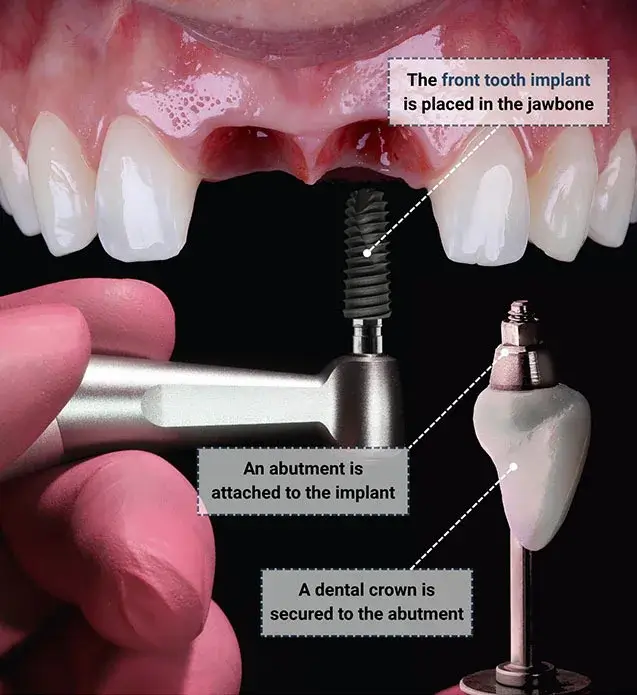
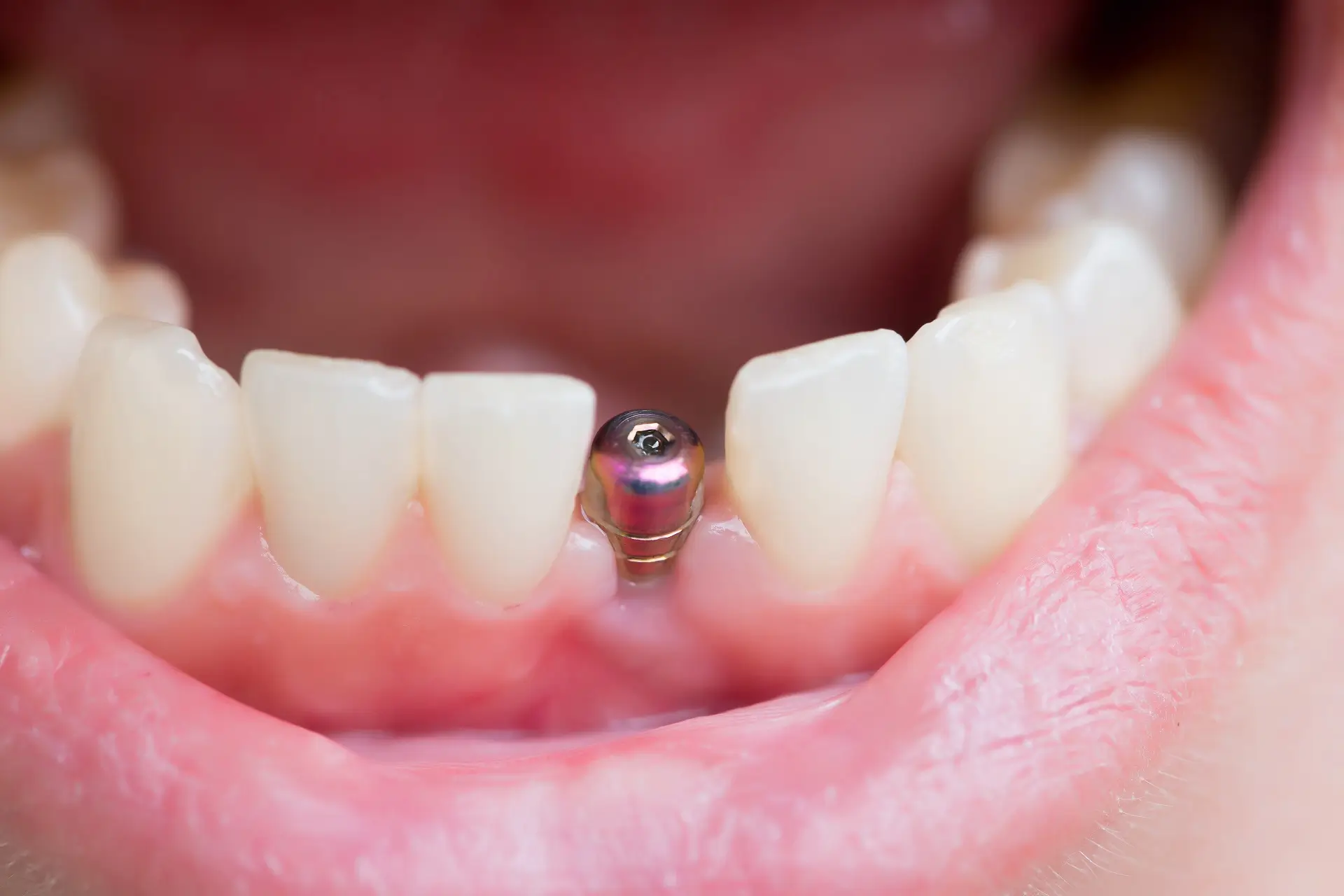
Before you book, it’s useful to understand how dental implants work. An implant is made up of a titanium post inserted into the jawbone, acting as the root of your new tooth. Once the implant fuses with the bone—a process called osseointegration—a crown is placed on top for a natural look and functional bite.
In Thailand, many clinics offer both the surgical and restorative stages in-house, but this isn’t always done in a single trip. The healing period between implant placement and crown fitting can range from three to six months. This means you may need to return for a second visit unless you choose immediate-load implants, which shorten the timeline but are not suitable for everyone.
### Qualifications and Standards
Thailand’s dental industry is regulated by the Dental Council of Thailand, and reputable clinics adhere to strict hygiene and treatment standards. Many dentists hold international certifications or have studied abroad. Look for clinics with ISO certification or membership in professional associations, as these indicate a commitment to quality care.
Checking reviews and testimonials from real patients is important. Make sure they’re detailed and preferably include before-and-after photos. You can also request to speak directly with the dentist before booking to discuss your individual case.
### Costs You Need to Consider
It’s easy to focus only on the advertised price of implants, but remember to account for all costs involved. In Thailand, the base cost typically includes the implant itself, surgical placement, and the crown. However, additional charges may apply for X-rays, CT scans, bone grafts, or sinus lifts if your jawbone needs extra support.
Travel expenses also play a role—flights, accommodation, transport, and meals should be factored into your total budget. Many pat
ients combine dental treatment with a holiday, which can make the trip more worthwhile, but it’s still important to budget realistically.
### Choosing the Right Location
Bangkok is often the first choice for many due to its large selection of clinics and easy access from Suvarnabhumi Airport. Chiang Mai offers a quieter atmosphere, ideal for those who prefer a more relaxed pace, while Phuket and Pattaya attract visitors looking to recover in beachside surroundings.
When choosing a city, consider both medical and personal comfort. For instance, if you plan to stay for a week after surgery to monitor healing, make sure your accommodation is close to the clinic for convenient follow-ups.
### Communication and Comfort
Although English is widely spoken in leading dental clinics, it’s helpful to know a few Thai phrases—locals appreciate the effort, and it creates a friendly connection. Questions like “เจ็บไหม?” (Does it hurt?) or “ใช้เวลานานไหม?” (Will it take long?) can make the experience feel more personal.
Most Thai dental teams understand that visiting patients may feel nervous, especially during surgery. Many clinics provide options such as sedation or gentle anesthesia techniques to keep you comfortable. Don’t hesitate to request clear explanations of each step before undergoing treatment.
### Aftercare and Recovery
Even with world-class skills, the success of dental implants depends on proper aftercare. Your dentist will give you a recovery plan, usually including soft foods, good oral hygiene, and follow-up appointments. In Thailand, some clinics offer post-surgery support by phone or email to international patients, which can be reassuring if you notice unusual symptoms after returning home.
It’s wise to schedule at least a few days of rest after surgery before sightseeing or traveling long distances. While treatment is generally safe, dental work can sometimes leave mild swelling or discomfort that’s easier to manage when you’re not rushing around.
### Insurance and Payment
Most international dental patients pay out of pocket, as insurance coverage for implants is limited. However, some insurers may reimburse part of the procedure if it’s deemed medically necessary. Be sure to check with your insurer before travelling.
In Thailand, clinics accept major credit cards, bank transfers, and sometimes cash in local currency (Thai Baht). Always confirm payment terms in advance to avoid surprises.
### Final Word
Booking dental implants in Thailand can be a smart choice if you prepare well. From understanding the procedure timeline to checking qualifications and factoring in travel costs, every detail counts toward making your trip—and your smile—a success. With the right clinic, clear communication, and proper aftercare, you can enjoy both high-quality treatment and the warm hospitality Thailand is famous for.
Whether you choose the bustling streets of Bangkok or the serene retreats of Chiang Mai, remember: dental tourism works best when you treat it as both a medical journey and a cultural experience. By doing your research and keeping realistic expectations, you’re more likely to head home with not just a healthier smile, but also great memories of your time in the Land of Smiles.