Why Thailand Dental Tourism Is Growing Through Implant Dentistry Services
Why Thailand Dental Tourism Is Growing Through Implant Dentistry Services
If you’ve heard friends say they got their smile back in Bangkok or Phuket, you’re not alone. Thailand’s reputation as the Land of Smiles now extends beyond friendly faces to world-class implant dentistry, and that’s fueling a steady rise in dental tourism. Patients from Australia, the Middle East, Europe, and North America are flying in for predictable implant results at value-for-money prices, wrapped in Thai hospitality. Here’s why the trend is gaining momentum and what you can expect if you’re considering it.
Value for money without cutting corners
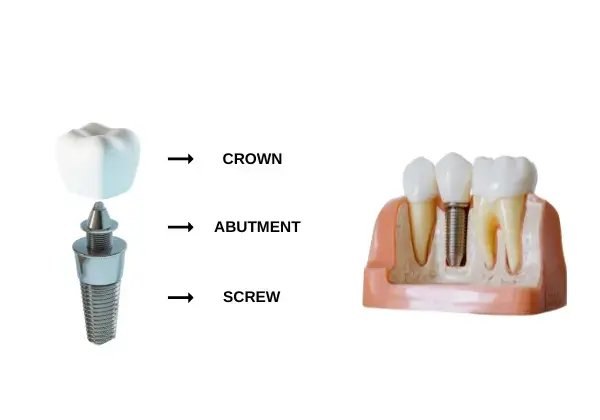
Let’s talk numbers first. Dental implants in Thailand commonly cost 40–70% less than in Western countries, even when you include the crown and abutment. The lower price isn’t about cheap materials or shortcuts; it’s largely due to lower operating costs, competitive clinic pricing, and a high patient volume that keeps fees reasonable. Many clinics use globally recognised implant brands and lab materials and offer transparent, all-in quotes so you’re not surprised by add-ons later. For travelers, that price-to-quality ratio is hard to beat.
World-class training and technology
One big reason patients feel comfortable is the calibre of dentists and the tech they use. It’s common to meet Thai implantologists who trained or completed fellowships in the US, UK, Australia, or Japan. They bring back know-how in complex procedures—think bone grafts, sinus lifts, and full-arch restorations—and pair it with top-tier facilities.
Modern clinics in Bangkok, Chiang Mai, and Phuket typically feature:
- 3D CBCT scanners for accurate bone assessment
- Digital impressions and CAD/CAM for precision restorations
- Guided surgery systems for safer, more predictable implant placement
- Strict sterilisation protocols in line with international standards
Some are part of hospital networks or hold international accreditations, reassuring for those who prioritise clinical governance.
Service-minded care that’s easy to navigate
If you’ve visited Thailand before, you know the culture is very service-minded. Clinics lean into this with English-speaking staff, clear communication, and fast response times over email, WhatsApp, or LINE. Many offer airport pickup, hotel recommendations near BTS/MRT stations, and flexible appointment slots to fit short itineraries. You’ll find air-con waiting rooms, little to no queueing, and a genuine focus on comfort—often with sedation dentistry options for anxious patients.
Short waitlists and efficient schedules
Back home, you might wait weeks just for a consultation. In Thailand, you can often get a 3D scan, treatment plan, and surgery scheduled within a few days. That efficiency matters when you’re trying to fit care into limited leave from work. Clinics are used to arranging treatment across two trips and coordinating with your local dentist for follow-up.
Popular implant options in Thailand
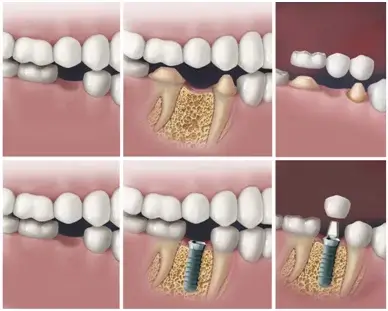
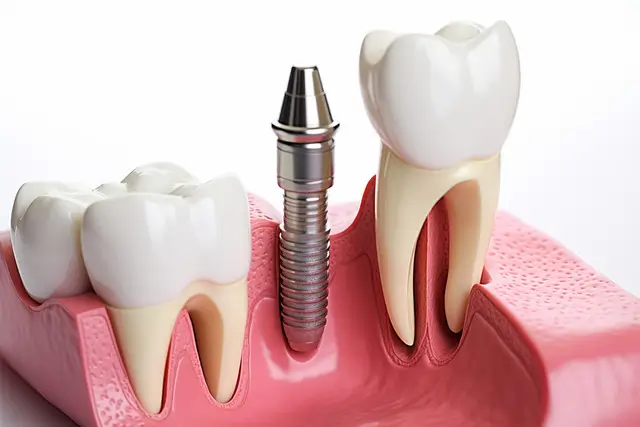
- Single-tooth implants: Ideal when you’ve lost one tooth and want to avoid cutting down neighboring teeth for a bridge.
- Multi-tooth bridges on implants: For gaps of several teeth, supported by fewer implants.
- Full-arch solutions (All-on-4 or All-on-6): A new fixed smile on four to six implants per arch for those with many missing or failing teeth. Immediate loading is possible for suitable cases.
- Bone grafting and sinus lifts: For patients with insufficient bone, handled routinely in experienced centers.
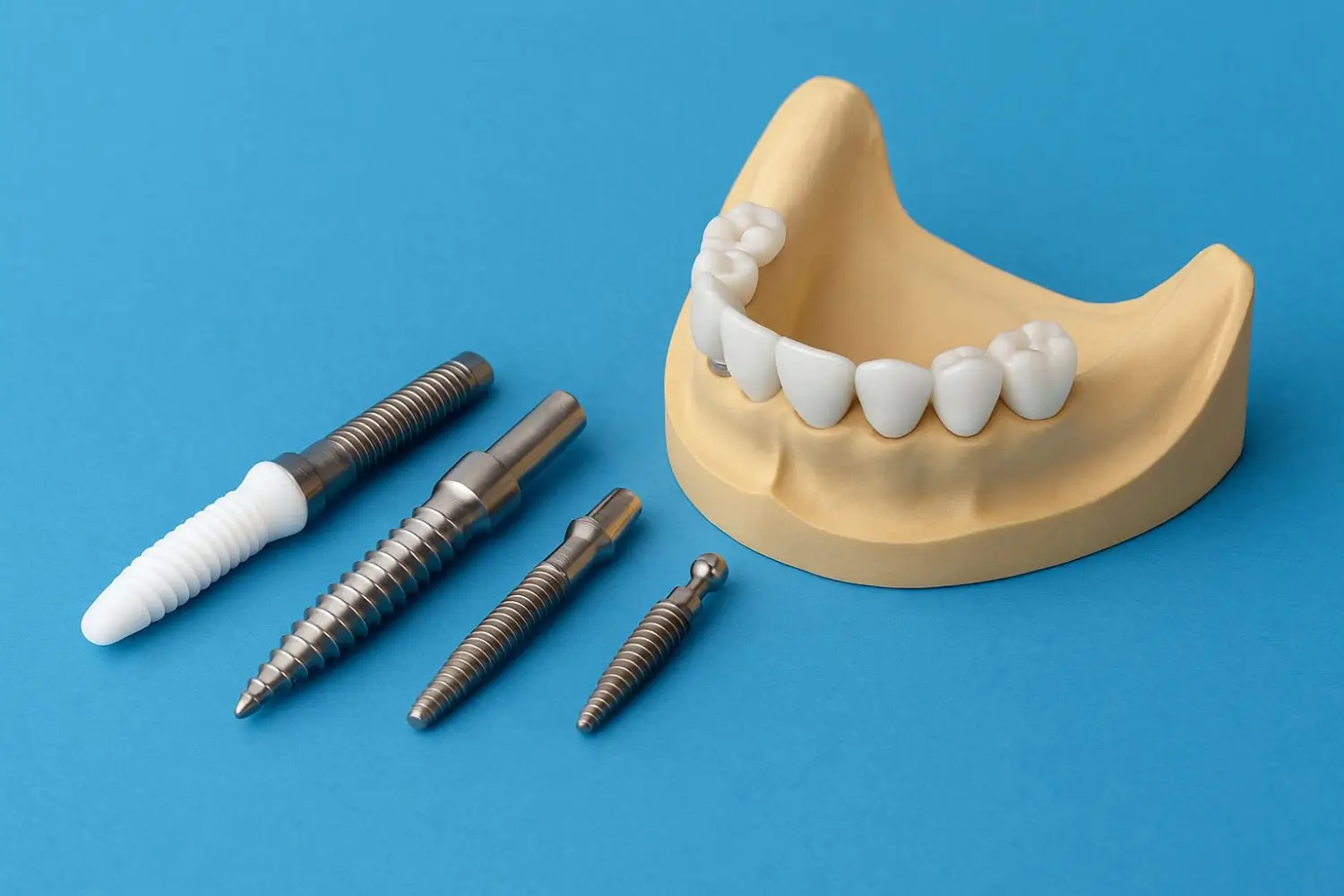
Most clinics work with well-known implant systems, ensuring parts and future maintenance are widely available worldwide.
What the treatment timeline looks like
The most common approac
h is a two-visit plan:
- Visit 1: Consultation, 3D scan, treatment planning, and implant placement. You’ll typically stay 7–10 days to allow for post-op checks and, if needed, a temporary restoration.
- Healing period: 3–6 months back home, allowing the implant to integrate with the bone.
- Visit 2: Abutment and crown placement, often a 5–7 day stay to complete final fittings.
Some patients qualify for immediate loading (“teeth in a day”), especially with full-arch cases, but this depends on bone quality and bite forces. A good clinic will explain the pros, cons, and the maintenance required.
Aftercare and communication
Proper aftercare is a big part of long-term success. Thai clinics usually provide clear post-op instructions, gentle cleaning tools, and scheduled follow-ups. Many check in via video call or messaging app, and some offer a warranty period on implants and crowns, provided you follow maintenance advice. It’s smart to share your Thai dentist’s report with your local dentist so they can support routine hygiene and checks.
Safety and comfort come first
Quality clinics will assess your medical history, discuss medications, and explain anesthesia options. Expect discussion around smoking, diabetes management, and bruxism, as these can affect healing. You should also receive a clear consent form, a transparent breakdown of fees, and details on emergency support while you’re in Thailand. If you need sedation or have complex health needs, consider clinics linked to hospitals.
How to choose the right clinic
- Check credentials: Look for implantology training, memberships in international dental bodies, and years of experience.
- Review case galleries: Before-and-after photos and case descriptions show the clinic’s typical outcomes.
- Ask about the full plan: 3D scans, surgical guides, brand of implant, and what’s included—implant, abutment, crown, provisional, grafting, and follow-ups.
- Clarify guarantees: Understand warranty terms and what might void them.
- Location and logistics: A clinic near BTS/MRT in Bangkok or near your hotel reduces travel stress during recovery.
- Read recent reviews: Focus on consistency in communication, hygiene, pain control, and results.
Travel and timing tips
- Schedule enough downtime: Plan a lighter itinerary for a few days after surgery—think mall strolls, spa foot massages, and soft foods rather than island-hopping right away.
- Pick your season: High season (Nov–Feb) is busy and pricier for hotels; low season offers deals but expect occasional rain.
- Mind your diet and activities: Your dentist will guide you, but a general rule is to avoid very hot, spicy, or chewy foods and strenuous workouts in the first days.
- Sort paperwork: Many nationalities get visa-free entry for short stays; always check current rules. Consider travel insurance that covers medical travel changes.
Why the growth will continue
Thailand’s implant dentistry offers a rare combination: international-standard care, modern facilities, and friendly, efficient service at a price that makes sense. Add easy flight connections, comfortable urban clinics, and plenty of options to make your recovery pleasant—whether that’s a quiet riverside hotel in Bangkok or a beach view in Phuket—and it’s clear why more people are booking a dental trip.
If you’re considering implants abroad, Thailand stands out for being straightforward to navigate, transparent in planning, and focused on patient experience. Do your homework, choose a reputable clinic, and you can come home with more than a holiday—you can bring back a confident, lasting smile.