Thailand Dental Implant Benefits for a Comfortable and Affordable Dental Journey
Thailand Dental Implant Benefits for a Comfortable and Affordable Dental Journey
If you’re thinking about replacing missing teeth, Thailand has become a top choice for dental implants that don’t break the bank and still feel sabai-sabai (relaxed and comfortable). With skilled dentists, modern clinics, and a warm “Land of Smiles” welcome, your dental treatment can double as a stress-free holiday. Here’s how Thailand delivers real value and real comfort for your implant journey.
Why choose dental implants in the first place
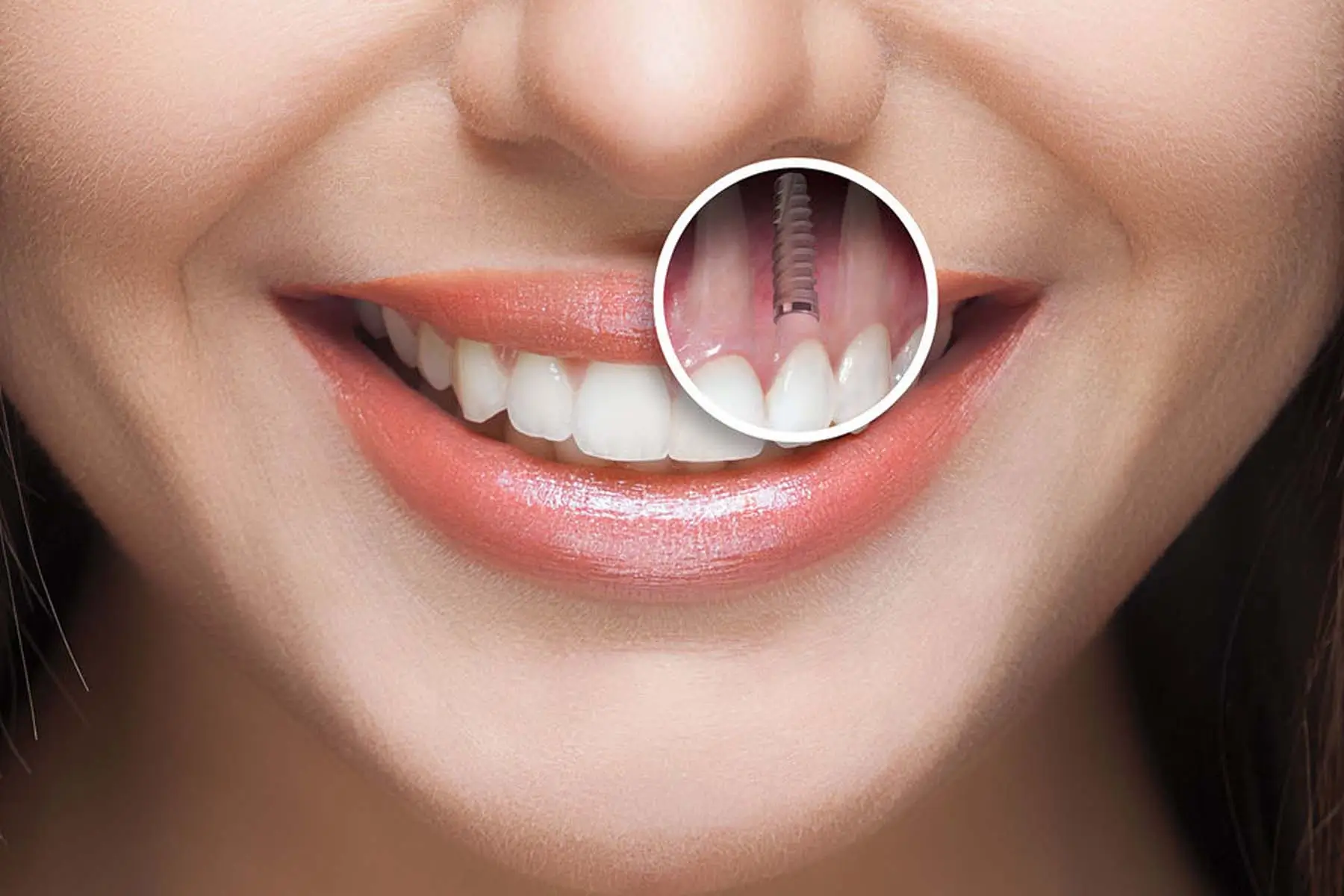
- Natural look and feel: Implants function like real teeth. You can bite into your favourite food with confidence.
- Long-term solution: With good care, implants can last many years, often much longer than bridges or dentures.
- Bone health: Implants stimulate the jawbone and help reduce bone loss.
- No damage to neighbouring teeth: Unlike bridges, implants don’t rely on grinding down adjacent teeth.
- Better quality of life: More secure speech, easier chewing, and no slipping like dentures.
What makes Thailand a smart choice
- Cost savings without cutting corners: In Thailand, the total cost for a single-tooth implant (implant + abutment + crown) commonly ranges from about 50,000–85,000 THB, depending on brand and case complexity. That’s often significantly lower than in the US, Australia, or Europe, even after flights and hotels.
- Internationally trained dentists: Many Thai implantologists have completed advanced training or residencies overseas. English is widely spoken in established clinics in Bangkok, Phuket, Chiang Mai, and Pattaya.
- Modern tech and sterile protocols: Expect CBCT 3D scans, digital treatment planning, and ISO-level sterilization. Many clinics use top implant systems, such as Straumann, Nobel Biocare, or Astra.
- Hospitality that feels “no worries”: The care teams are known for gentle chairside manners and clear communication—think mai pen rai (no problem) service that makes everything smoother.
Understanding the cost breakdown
When comparing quotes, check what’s included:
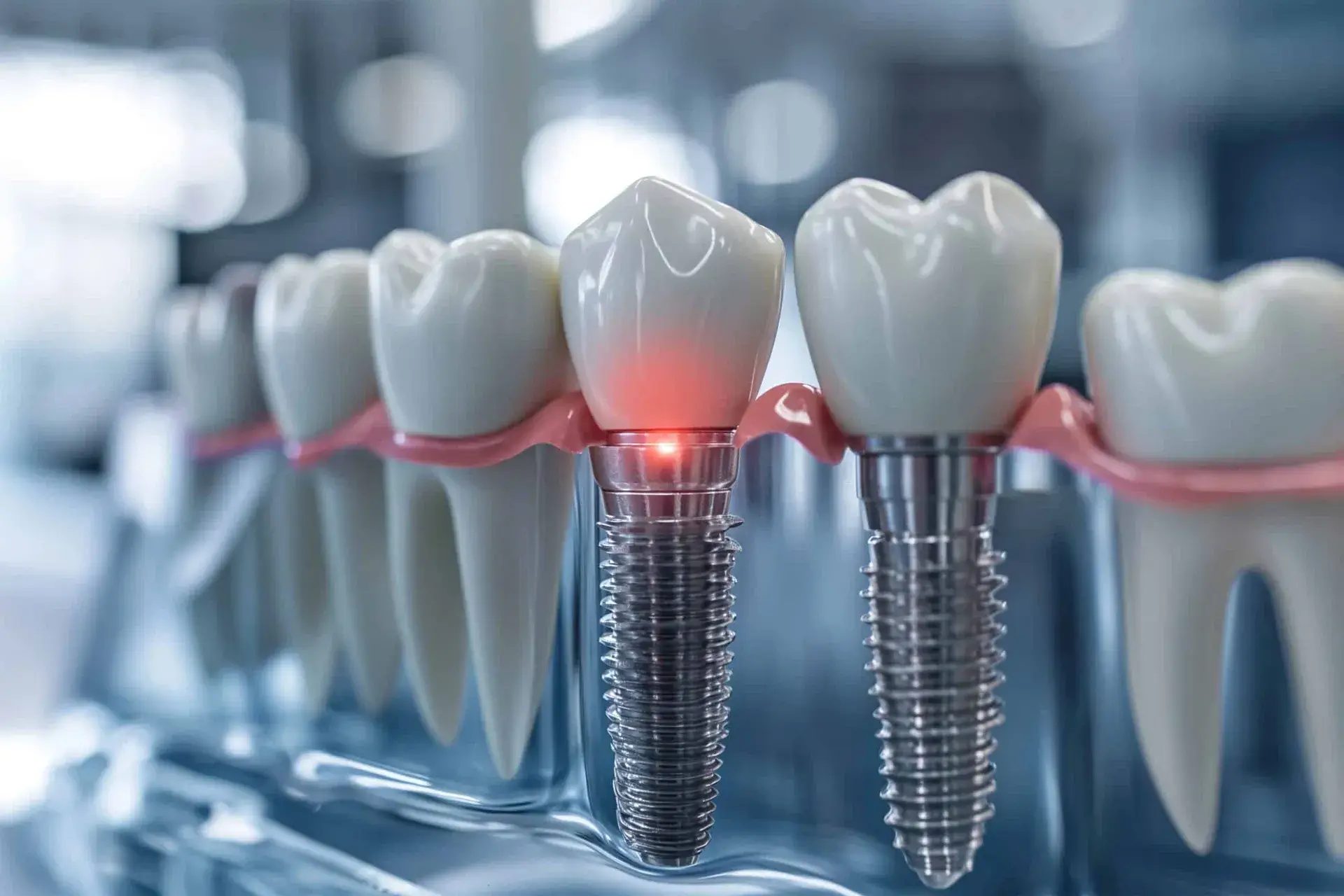
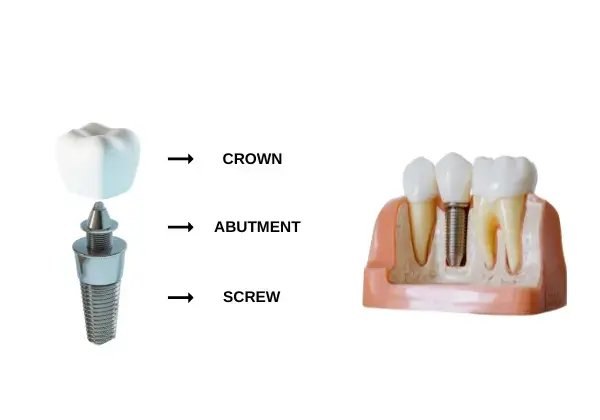
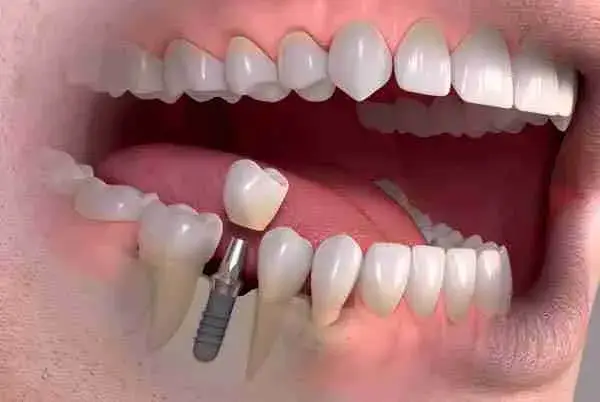
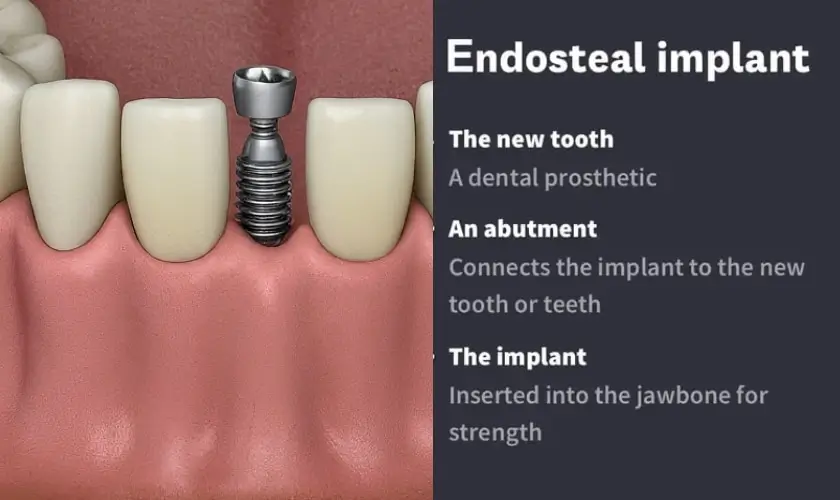
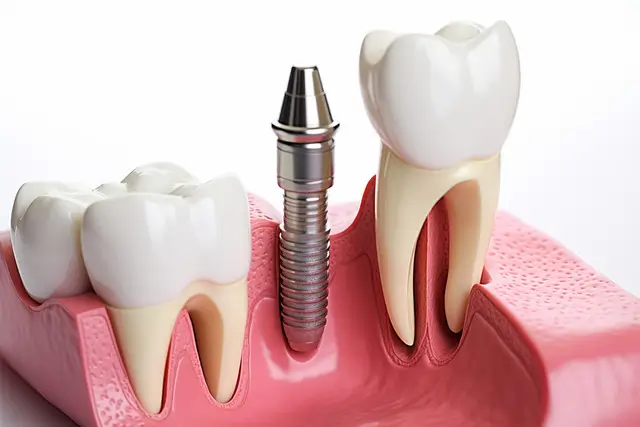
- Implant fixture: The titanium or zirconia post placed in the jaw.
- Abutment: The connector that holds the crown to the implant.
- Crown: The visible tooth, often porcelain fused to metal or full ceramic (zirconia).
- Imaging and planning: CBCT scans, digital impressions, or surgical guides.
- Additional procedures: Bone grafting or sinus lift if needed.
A transparent quote will separate these items. If a price looks too good to be true, ask about implant brand, lab materials, and whether follow-up visits are included. As a guide, single-tooth implant packages often sit around 50,000–85,000 THB, while complex cases (multiple implants, grafts, All-on-4/All-on-6) can vary widely. Always request a personalized treatment plan after proper imaging.
How the implant process usually works
- Pre-trip consultation: Share X-rays or scans with your chosen clinic, or schedule a CBCT on arrival. This helps plan the timeline and total fee.
- First stage (3–7 days in Thailand): Placement of the implant fixture under local anesthesia. If bone grafting is needed, it’s often done at the same time. You’ll have a few check-ups before heading home.
- Healing period (8–16 weeks typically): Osseointegration—your jawbone fuses with the implant. Some clinics offer temporary teeth for aesthetics during this phase.
- Second stage (
5–10 days in Thailand): Placement of the abutment and crown after confirming stability. Digital scans help the lab craft a crown that matches your bite and shade.
Immediate-load or “teeth in a day” options may be available for suitable cases, but your dentist will assess your bone quality and bite. Safety comes first—rushing is never worth it if it compromises results.
Comfort and safety measures you can expect
- Pain control: Local anesthesia is standard; IV sedation or nitrous may be available for nervous patients. Most travellers describe post-op discomfort as mild to moderate and manageable with prescribed meds.
- Sterility and quality assurance: Look for clinics that follow international infection control protocols and use sealed, single-use items where appropriate.
- Aftercare guidance: You’ll receive clear instructions on oral hygiene, diet, and activity. Soft foods like congee, steamed fish, or smoothies are your friends for a few days.
Choosing the right clinic
- Check dentist credentials: Look for postgraduate training in implantology, memberships in international dental associations, and years of experience.
- Confirm implant brands and lab standards: Premium systems and quality-controlled dental labs support long-term success.
- Ask about guarantees: Many clinics offer a warranty for the implant and crown as long as you follow aftercare guidelines and attend check-ups.
- Read recent reviews: Focus on detailed feedback about communication, pain control, treatment explanations, and follow-up support.
- Location matters: Staying near BTS/MRT in Bangkok or central areas in Phuket/Chiang Mai makes appointments and recovery more convenient.
Tips for a smooth, sabai-sabai dental holiday
- Keep your schedule relaxed: Plan light sightseeing after surgery—think massages (avoid facial massage right after implant), gentle walks, and soft-food restaurants.
- Stay cool and hydrated: Thailand’s heat can be intense. Drink plenty of water and avoid spicy food for the first few days post-op.
- Arrange airport pickups or hotel near the clinic: Minimizes travel stress, especially on surgery day.
- Maintain top-notch oral hygiene: Use a soft brush, follow your dentist’s cleaning routine, and consider a water flosser after initial healing as advised.
- Plan for follow-up: If you’re flying home between stages, map out virtual check-ins and book your return dates early to lock in your preferred schedule.
Life with your new implant
Once healed, your implant should feel like a natural tooth. Treat it with the same care:
- Brush twice daily and floss or use interdental brushes.
- See your dentist for regular cleanings and check-ups.
- Avoid using teeth to open packages or bite very hard objects like ice.
- Wear a nightguard if you grind your teeth.
The bottom line
Thailand combines skilled implant dentistry, fair pricing, and warm hospitality for a dental journey that’s both comfortable and cost-effective. With proper planning, a reputable clinic, and a relaxed itinerary, you can enjoy a smooth experience—complete with confident smiles and a little holiday sanuk (fun) along the way. If you’ve been putting off implants due to cost or stress, Thailand’s blend of quality care and easygoing vibes might be exactly what you need for a healthy, happy smile.