Thailand Dental Implant Services Combining Professional Care and Travel Experience
Thailand Dental Implant Services Combining Professional Care and Travel Experience
If you’ve been thinking about dental implants and a short getaway at the same time, Thailand is the perfect place to make both happen. With internationally trained dentists, modern clinics, and the famous Thai “service mind,” you can enjoy professional dental care while still keeping your trip sabai sabai. From Bangkok’s city convenience to Phuket’s chilled beaches and Chiang Mai’s mountain vibe, it’s easy to plan a smooth treatment schedule that fits your travel style.
Why choose Thailand for dental implants
- World-class standards: Many clinics use CBCT 3D scans, guided surgery, and top implant brands like Straumann and Nobel Biocare. A lot of dentists are specialists in oral surgery or prosthodontics, with training abroad and strong English communication.
- Value for money: Dental implant cost in Thailand is typically 40–70% lower than in the US, Australia, or Europe, with no compromise on quality. Many clinics offer clear packages with no hidden cost, which helps you plan your budget easily.
- Easy communication and access: English-speaking staff, transparent treatment plans, and clinics located near BTS/MRT in Bangkok or central areas in Phuket and Chiang Mai mean less hassle and less time stuck in traffic.
- Travel-friendly recovery: Thailand’s hospitality makes post-op recovery comfortable—quiet hotels, gentle cuisine, and plenty of wellness options to help you feel relaxed.
What a dental implant involves
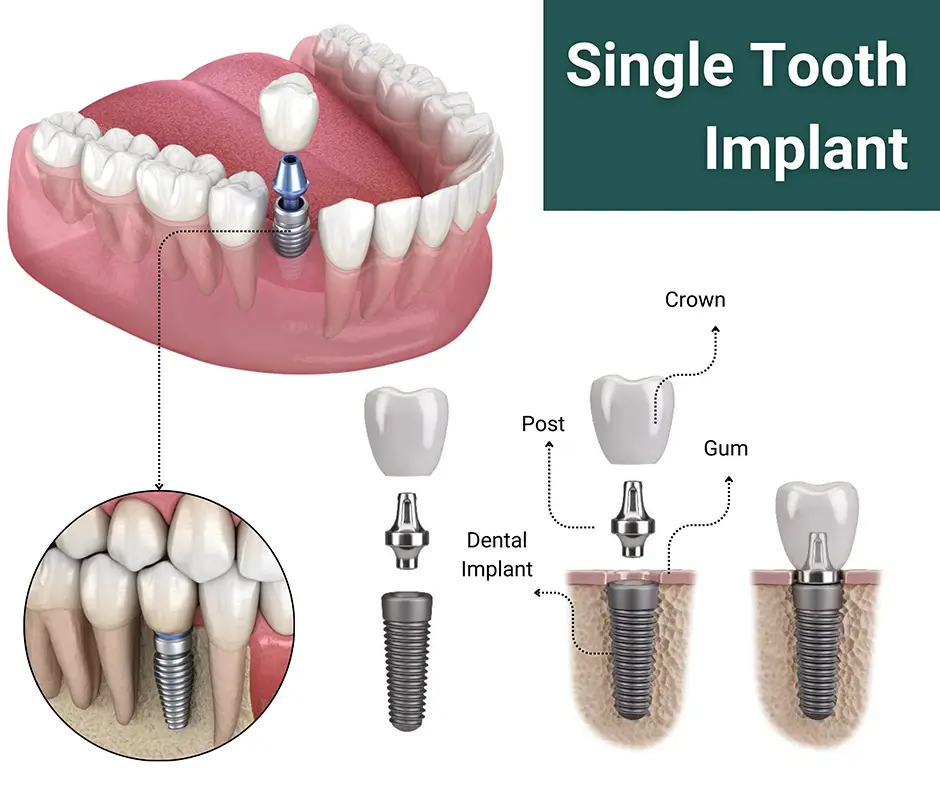
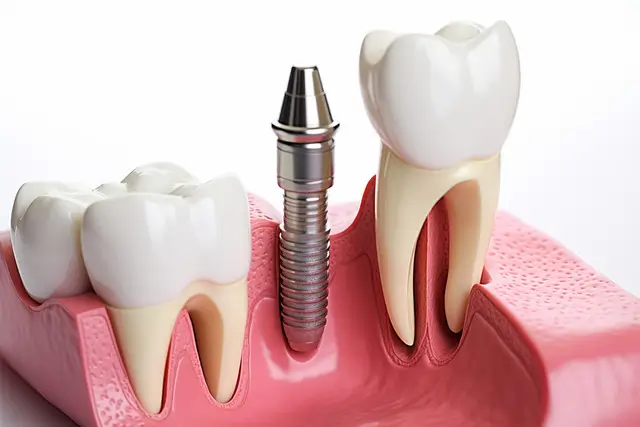
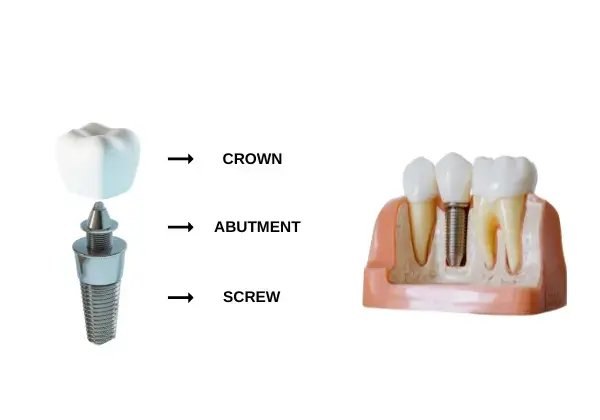
A dental implant replaces a missing tooth with a small titanium post placed in the jawbone, followed by an abutment and a custom crown. It functions like a natural tooth and helps preserve bone. Implants are suitable for many people, but your dentist will check bone quality, gum health, and medical history first.
The usual process looks like this:
1) Consultation and planning: A dentist reviews your history, takes X-rays and a CBCT scan, and discusses your goals. You’ll get a clear quotation and timeline.
2) Implant placement: Using local anesthesia (or sedation if required), the surgeon places the implant—often with guided surgery for precision. Many patients say it’s more comfortable than expected.
3) Healing period: Osseointegration takes about 3–6 months. A temporary tooth can be arranged to keep your smile looking good.
4) Abutment and crown: After healing, the abutment is attached and a custom ceramic or zirconia crown is fitted to match your bite and color.
5) Aftercare: Follow-up checks, hygiene guidance, and a warranty period are common. Some clinics provide Line chat follow-ups for convenience.
How long you need to stay
- Visit 1 (implant placement): 3–5 days in Thailand is usually enough for scans, surgery, and a quick review.
- Healing period: 3–6 months at home. Your clinic may check progress via video call.
- Visit 2 (crown fitting): 5–10 days for impressions, try-in, and final fitting.
Some cases qualify for immediate loading (same-trip crown), but only if bone stability is excellent. Your dentist will advise honestly—mai pen rai, safety first.
Typical dental implant cost in Thailand
Prices vary by city, clinic, and implant brand, but a ballpark range helps:
- Single implant (titanium fixture): THB 45,000–75,000
- Abutment and crown: THB 18,000–30,000
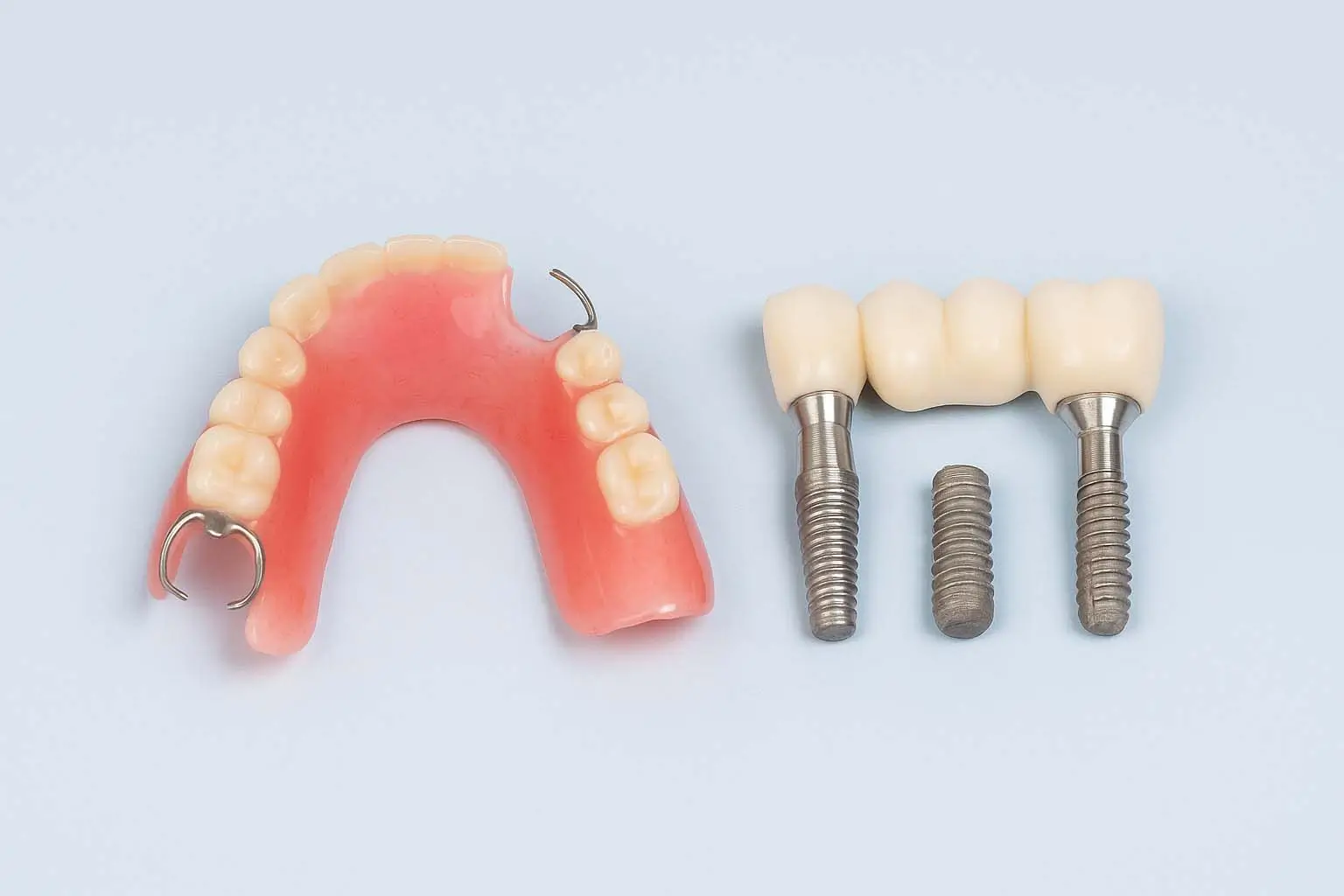
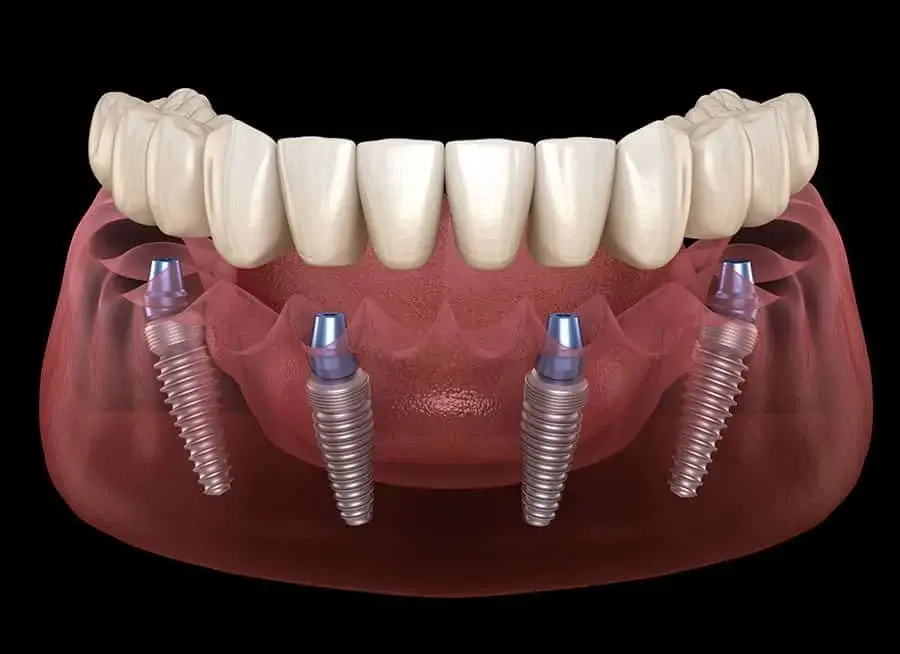
- Full arch (All-on-4/All-on-6) packages: THB 280,000–450,000 per arch, depending on materials and lab work
Many clinics bundle X-rays, consultations, medications, and follow-ups into all-in packages. Some include airport pickup or hotel promotions. Ask clearly what is included to avoid surprises—Thai clini
cs are usually upfront and happy to explain line by line.
How to choose a clinic you can trust
- Check credentials: Look for Thai Dental Council license and specialist qualifications.
- Ask about technology and brands: CBCT, guided surgery, sterilization protocol, and reputable implant systems (e.g., Straumann, Nobel Biocare, MIS).
- Review experience: Before-and-after photos, case numbers, and patient reviews—especially from expats or international patients.
- Location and convenience: Clinics near BTS Asok, Thonglor, or Sathorn in Bangkok, or central areas in Phuket Town and Chiang Mai, make travel simpler.
- Clear warranty and aftercare: Get a written plan for follow-ups, maintenance, and any warranty terms.
Combining treatment with travel
- Pre-surgery days: Enjoy light sightseeing—think Old Town temples, a gentle river cruise, or a massage at a reputable spa. Avoid heavy drinking and late nights before surgery.
- Post-surgery care: Take it easy for 48–72 hours. Soft Thai foods are your friends—jok (rice porridge), khao tom (rice soup), soft tofu, steamed fish, and smoothies (no straw for the first day). Skip spicy food, alcohol, and smoking until your dentist gives the green light.
- Beach or mountain recovery: After your first review, it’s okay to chill at a quiet resort in Phuket, Krabi, or Koh Samui, or relax in Chiang Mai’s coffee scene. Avoid diving, contact sports, or high-intensity workouts during early healing.
- Logistics: Book a hotel close to your clinic for the first two nights. Keep your schedule flexible—no back-to-back flights right after surgery.
Common questions
- Is it painful? With modern anesthesia and gentle technique, most patients report only mild discomfort. Pain meds and antibiotics are provided.
- Is it safe? Reputable clinics follow international protocols and strict sterilization. Choose an experienced surgeon and you’re in good hands.
- How do I pay? Most clinics accept credit card, bank transfer, and often QR PromptPay. Deposits are common for lab work.
- Do staff speak English? Yes, most clinics serving international patients have English-speaking coordinators. Some also support Mandarin, Japanese, or Arabic.
Food and lifestyle tips for smooth healing
- Eat soft and nutritious: soups, eggs, yogurt, smoothies (spoon), and Thai comfort foods like jok and khao tom.
- Rinse gently with salt water after 24 hours. Brush carefully around the area.
- Sleep with head elevated the first night to reduce swelling.
- Avoid smoking and alcohol during early healing—they slow recovery.
- Keep your dentist updated via email or Line, especially if you notice swelling, fever, or unusual discomfort.
Planning your trip like a pro
- Get a full treatment plan and quotation before you fly.
- Check your visa requirements and travel insurance (including medical coverage).
- Share medical history and any medications in advance.
- Schedule enough time for follow-ups in each visit; don’t rush to the airport right after a procedure.
- Consider shoulder seasons for better hotel rates and comfortable weather.
Thailand dental implant services offer a practical blend of professional care and a pleasant travel experience. With transparent pricing, experienced dentists, and the warm, can-do attitude Thailand is famous for, you can restore your smile and still have a bit of sanuk along the way. Whether you’re walking down a Bangkok soi for your follow-up or sipping coconut water by the Andaman Sea, you’ll find the process surprisingly smooth, friendly, and truly value for money.