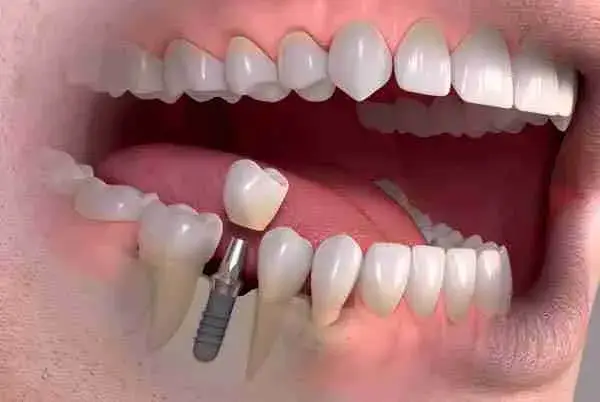
Thailand Dental Implant Benefits for a Comfortable Dental Journey
Thailand Dental Implant Benefits for a Comfortable Dental Journey
Thinking about replacing missing teeth and getting your smile back? Thailand has become a favourite spot for dental implants because it combines skilled care, modern technology, and a relaxed, patient-first experience. Whether you’re based in Bangkok or planning a dental holiday to Phuket or Chiang Mai, you’ll find that Thailand’s “no worries” approach makes the whole journey more comfortable from day one.
Why Thailand stands out for dental implants
- Specialist expertise with international standards: Many Thai dentists who place implants are board-certified prosthodontists or periodontists with training from Europe, the US, Australia, or Japan. You’ll see clinics using CBCT 3D scans, computer-guided surgery, and CAD/CAM crowns, the same tech you’d expect in top clinics worldwide. Global studies put long-term implant success rates around 95–98% when planned and maintained well, and Thai clinics align with those protocols.
- Strong value without cutting corners: Cost is a big draw, but it’s not cheap for the sake of being cheap. A single dental implant with an abutment and crown in Thailand typically ranges from about 50,000 to 90,000 THB per tooth (roughly USD 1,400–2,500), depending on the brand, case complexity, and clinic location. Complex full-arch solutions like All-on-4 or All-on-6 will be higher but still competitive compared with many Western countries. You’re paying for skilled hands and hospital-grade systems—good bang for your baht.
- Comfort-first pain management: Thai clinics take gentle care seriously. Local anaesthesia is standard, and IV sedation or light sleep dentistry is often available for anxious patients. You’ll get clear pre- and post-op advice, plus attentive follow-up messages or calls. Staff speak English comfortably, so you won’t be guessing about medications or instructions.
- Fast timelines and organised scheduling: One advantage of getting dental implants in Thailand is how streamlined the process can be. Clinics coordinate scans, surgery, and provisional restorations efficiently, with minimal waiting lists. For straightforward cases, implant placement can be completed in 1–2 hours, followed by a healing period before the final crown. Where clinically appropriate, immediate-load options (like All-on-4) may allow same-day fixed teeth.
- Clean, safe, and transparent: Reputable clinics follow strict sterilisation protocols and use internationally recognised implant brands (for example, Straumann, Nobel Biocare, or equivalent). Some are ISO-certified or part of JCI-accredited hospitals. Expect itemised treatment plans, written quotes, and warranties on implant components—clear and easy to understand.
A comfortable journey from consultation to smile
1) Consultation and planning
- You’ll start with a full assessment, including a 3D CBCT scan.
- Your dentist will check bone quality, gum health, and bite alignment, then discuss options—single implants, bridge-supported implants, or full-arch solutions.
- If bone is thin, grafting or a sinus lift might be recommended. You’ll be told upfront about timelines and costs.
2) Implant placement
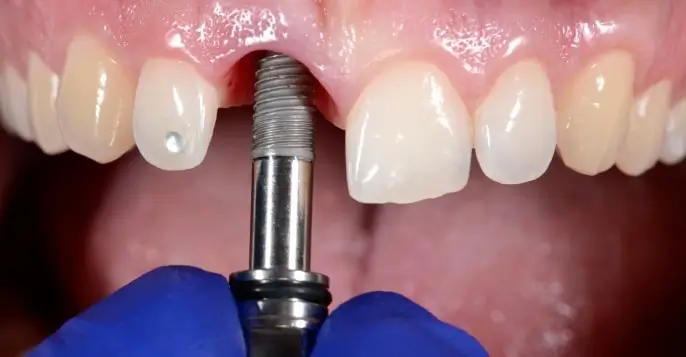
- Procedure time is usually 1–2 hours for one implant.
- Expect mild pressure but no sharp pain during surgery under local anaesthetic; sedation can be arranged if needed.
- You’ll leave with clear instructions, pain relief, and a follow-up schedule.
3) Healing and restoration
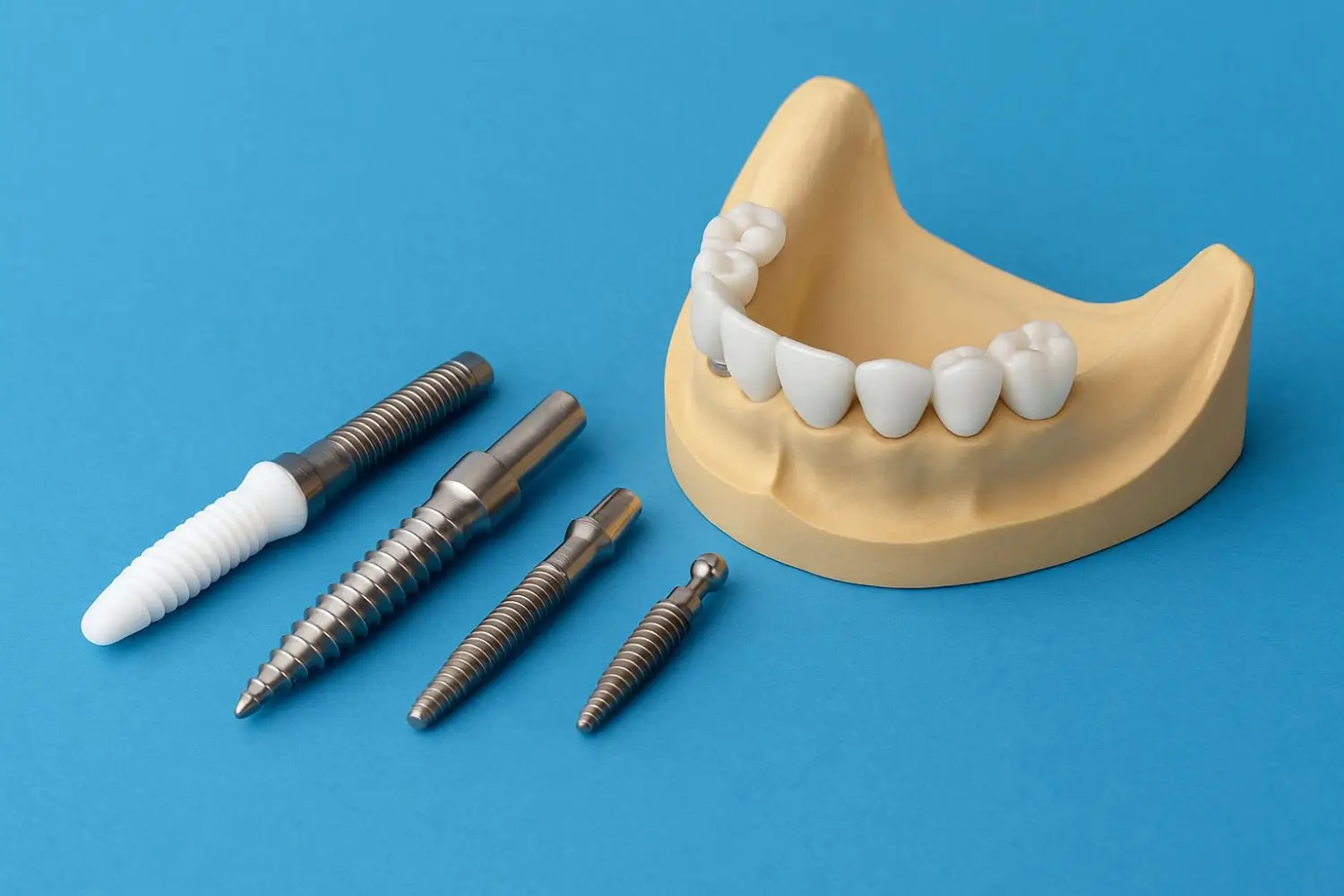
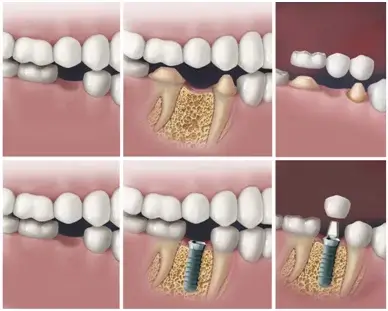
- Osseointegration (bone healing around the implant) usually takes 3–6 months, depending on your case.
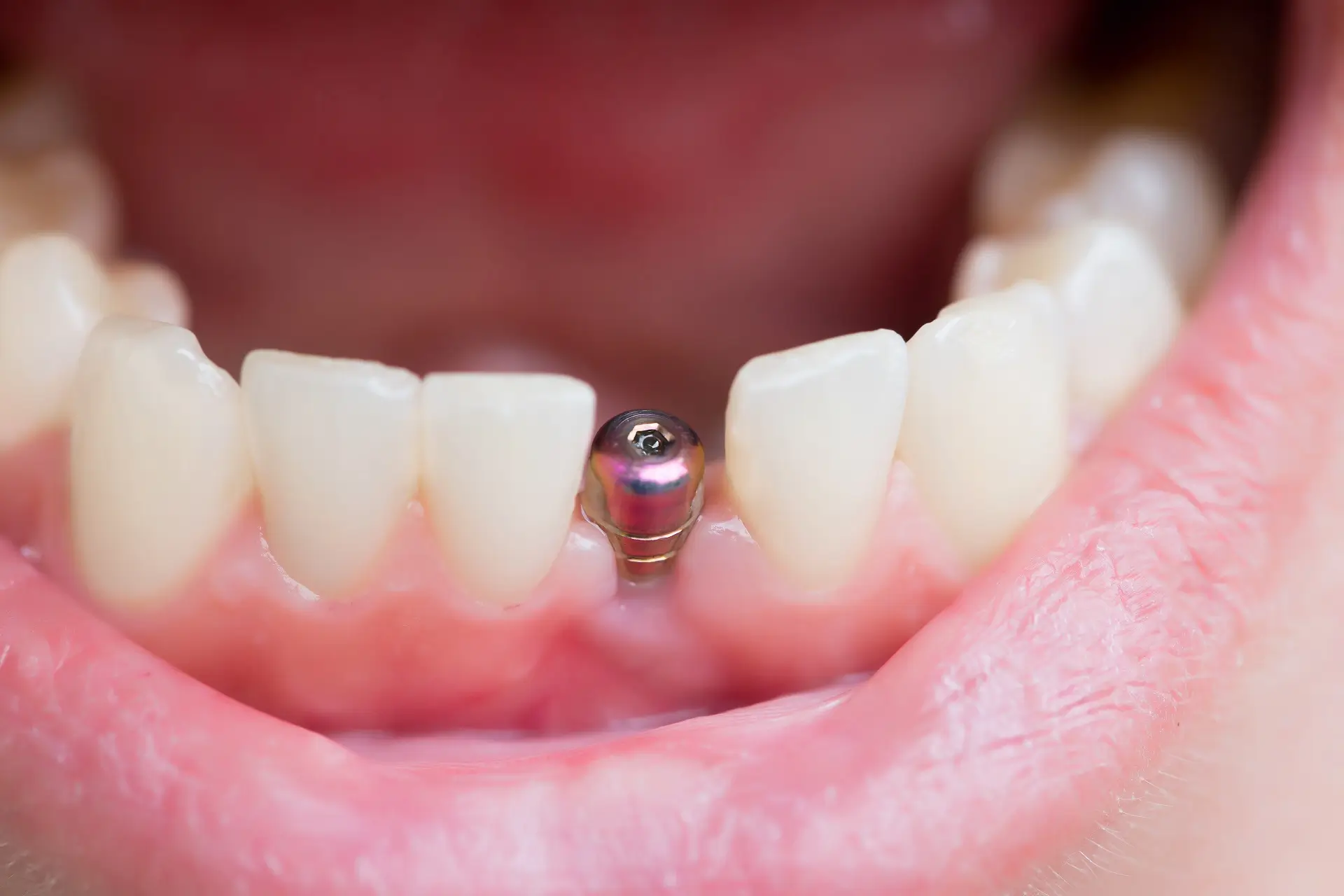
- After healing, the abutment and crown are fitted—digitally designed to match your bite and smile.
- For full-arch cases, a provisional fixed bridge is often provided first, followed by the final bridge after soft tissues settle.
What makes the experience feel easier
in Thailand
- Friendly, “mai pen rai” service culture: Clinics are used to caring for both locals and international patients, and the vibe is calm and helpful. It’s not unusual to have a dedicated coordinator who sorts your appointments and follows up on your recovery.
- Easy city navigation: Many clinics sit along the BTS Skytrain or MRT in Bangkok, especially around Sukhumvit, Silom, and Sathorn. That means less traffic hassle and more convenience. In Phuket or Chiang Mai, clinics are close to central areas and hotels.
- Recovery-friendly environment: Thailand’s soft foods and soothing soups make post-op meals simple—think jok (rice porridge), soft tofu, smoothies, and mild broths. Gentle activities like a foot massage (avoid facial pressure after surgery), a quiet temple visit, or a stroll in a mall with cool air-con can make recovery days pleasant.
Who is a good candidate?
- Adults with one or more missing teeth and generally healthy gums and bone.
- Non-smokers or those willing to pause smoking to help healing.
- People with controlled medical conditions can often proceed with a physician’s clearance.
- If bone is insufficient, grafting can often make implants possible—your dentist will explain realistic outcomes.
How to choose the right clinic in Thailand
- Check specialist credentials: Look for prosthodontists or periodontists with postgraduate training and years of implant experience.
- Ask about implant brands and lab work: Reputable, traceable implant systems and a quality dental lab matter for long-term success.
- Insist on a detailed treatment plan: It should include scans, surgery, restorations, bone grafts (if any), sedation options, follow-up, and all fees in THB.
- Look for 3D imaging and guided surgery: These tools improve precision and comfort.
- Read verified reviews and before/after cases: Pay attention to aftercare feedback, not only the surgery day.
- Consider accessibility: A clinic near BTS/MRT or your hotel reduces stress on appointment days.
Practical travel tips to keep things smooth
- Plan sufficient time: For single implants, many patients do surgery on one trip, then return in a few months for the final crown. For full-arch cases, expect more chair time and follow-ups.
- Time your trip wisely: Avoid very soon after long-haul flights; give yourself at least a day to rest before surgery. After surgery, skip heavy workouts, beach sports, or diving until cleared.
- Medication and insurance: Share your medical history with the clinic, and carry travel insurance that covers medical care. The clinic will advise on antibiotics and pain control—follow instructions closely.
- Stay connected: Get a local SIM or eSIM for easy contact on LINE or WhatsApp with your clinic.
- Eat soft, stay hydrated: Keep to soft foods for the first days and avoid very hot, spicy dishes until your dentist okays them.
A balanced view on risks
Any surgery has risks, including infection, implant failure, or temporary numbness. The best way to minimise these is to choose an experienced team, follow aftercare instructions, maintain good oral hygiene, and attend all follow-ups. Good clinics will explain risks clearly and provide a plan for managing complications, should they arise.
The bottom line
Thailand offers a compelling blend of well-trained specialists, modern technology, transparent pricing, and a hospitality-minded approach that makes dental implants feel less daunting. From an organised treatment plan to gentle recovery and easy city access, it’s a comfortable dental journey with excellent value. If you’re ready to explore dental implants in Thailand, start with a thorough consultation, ask the right questions, and choose a clinic that makes you feel confident from the first hello.