Why Thailand Is a Destination for Affordable Dental Implant Solutions
Why Thailand Is a Destination for Affordable Dental Implant Solutions
If you’ve been putting off dental implants because the price back home makes you say “aiyo,” Thailand might be your best plan B—actually, for many people it’s plan A. The Land of Smiles blends wallet-friendly prices with international standards, calm service, and that easygoing “mai pen rai” (no worries) vibe that helps you relax through a medical trip. It’s no wonder Thailand has become a top destination for affordable dental implant solutions.
What makes implants more affordable in Thailand
It’s not about cutting corners. Thailand’s lower cost of living, efficient clinic operations, and favourable exchange rates help keep fees down without compromising quality. Many clinics operate in modern buildings with high patient volumes, which spreads costs for equipment like cone beam CT scanners and CAD/CAM milling systems. Competition among well-established dental centres in Bangkok, Chiang Mai, Phuket, and Pattaya also encourages transparent pricing and seasonal packages that include X-rays, medications, post-op reviews, and even airport transfers.
On average, patients find dental implants in Thailand cost 40–70% less than in the US, UK, or Australia. While exact figures vary by implant brand, bone condition, and crown materials, you can expect significant savings even when you include flights and a comfortable hotel near your clinic on Sukhumvit or Nimmanhaemin.
Quality and safety are front and centre
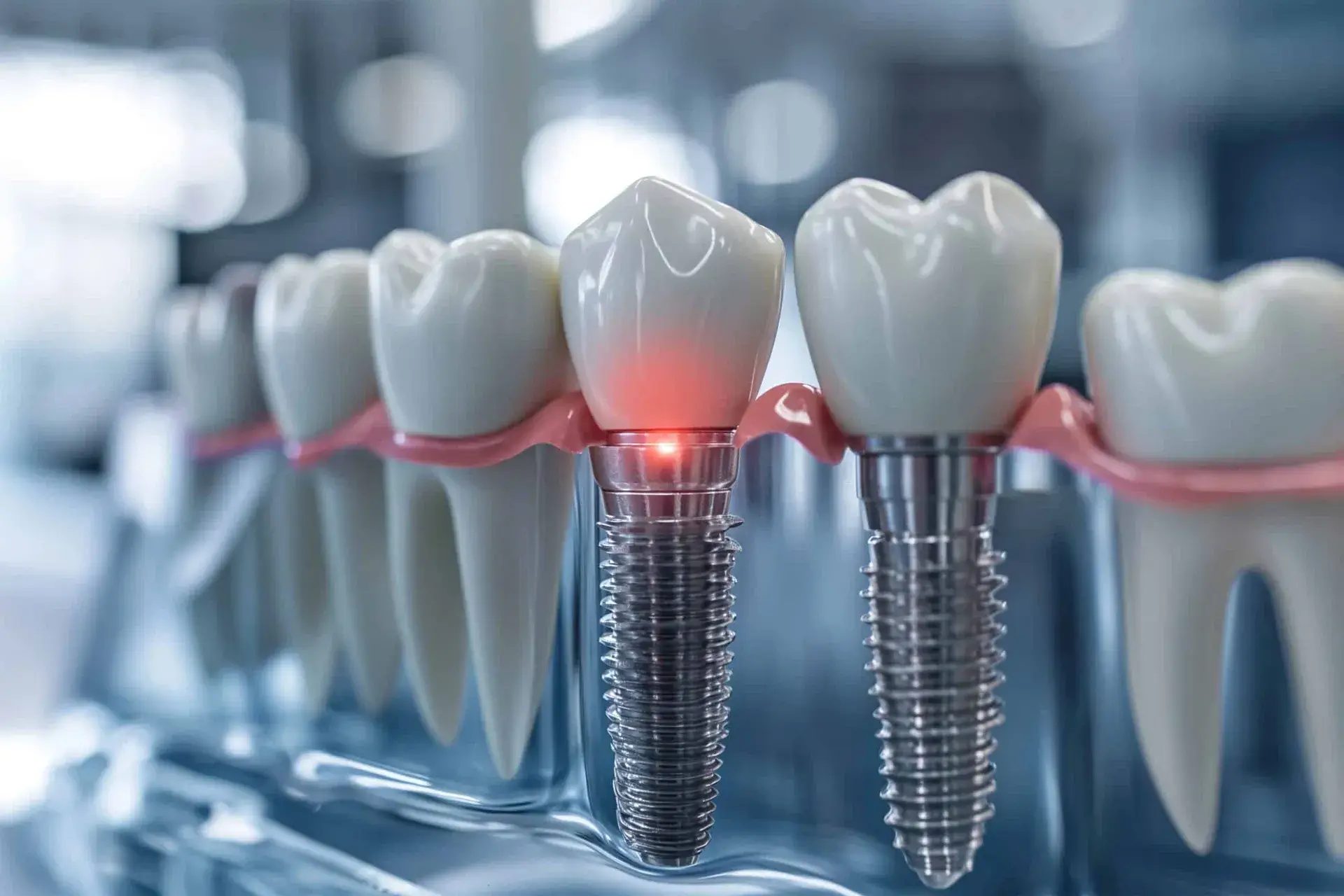
“Cheap” here does not mean “cut-rate dentistry.” Thailand has world-class dental schools and specialists who complete residencies or fellowships overseas. Many implantologists are board-certified, with additional memberships in international bodies. Clinics frequently use global implant systems (such as Straumann and Nobel Biocare), and sterilisation protocols follow ISO guidelines. You’ll encounter digital planning, guided surgery, and careful case selection for immediate-load options like All-on-4.
Most major dental centres are used to treating international patients. Staff speak clear English, treatment plans are laid out step by step, and photos or 3D scans are shared with you before any decision. You’ll notice a calm, polite approach—lots of “krub/ka” and a genuine wish to make sure you feel comfortable.
Common treatment pathways and timelines
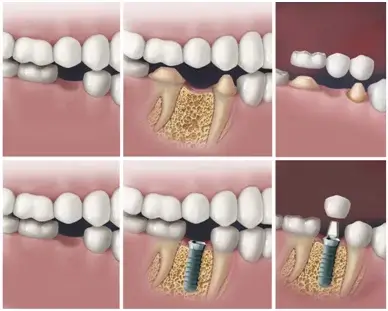
Dental implant journeys in Thailand typically follow a clear rhythm:
- Initial consultation: Your first visit includes an exam, CBCT scan, and discussion of bone quality. If bone is thin, a sinus lift or graft may be recommended.
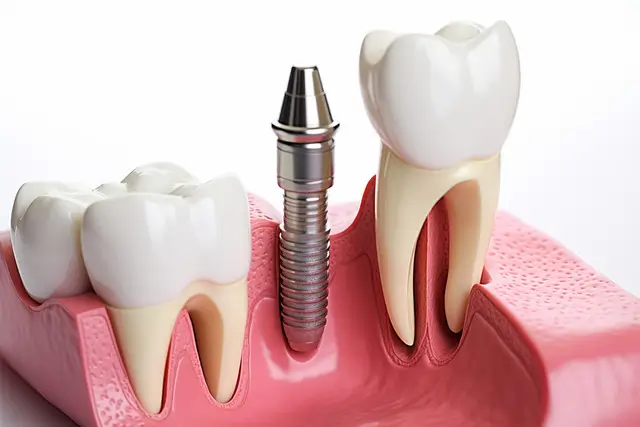
- Placement: The implant fixture is placed in a short surgical appointment—often under local anaesthetic with optional IV sedation.
- Healing: Osseointegration usually takes 3–6 months. Some cases allow immediate or early loading, but many clinicians prefer to wait for a stable foundation.
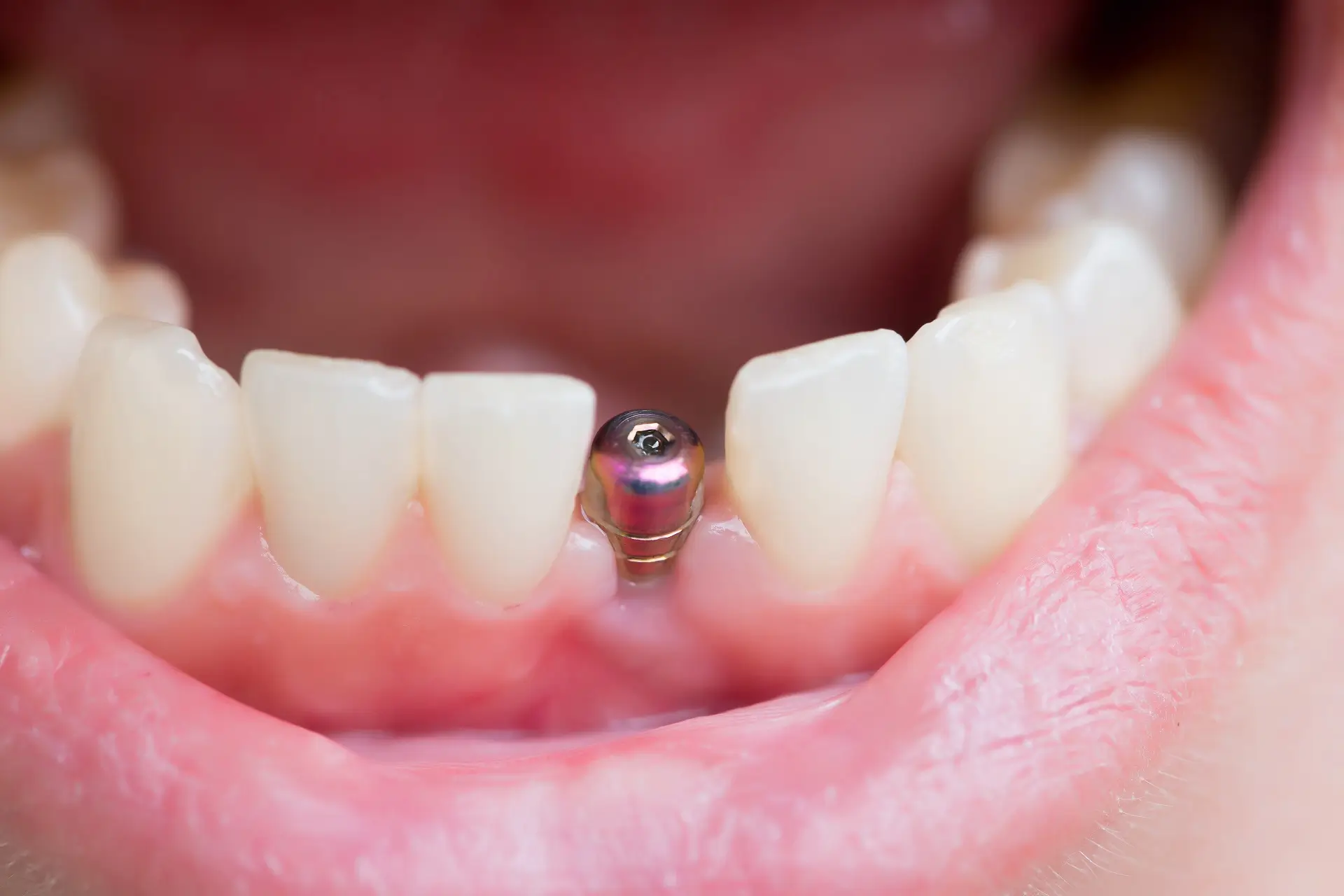
- Restoration: You return for the abutment and crown. Some clinics offer same-trip solutions depending on case specifics, but two visits are common for a long-lasting result.
If you’re aiming to do everything in one trip, ask about your suitability for immediate-load solutions in advance and share recent scans so the team can advise properly.
Where to go in Thailand for implants
- Bangkok: The capital has the largest selection of international-standard clinics, often close to BTS and MRT lines. You’ll find full-service centres with on-site labs for faster turnaround on cr
owns.
- Chiang Mai: A slower pace with excellent specialist clinics, popular with those who want cooler weather from November to February and a relaxed recovery.
- Phuket and Pattaya: Ideal if you prefer a seaside recovery. Many clinics here are well-versed in coordinating care with resort stays.
Tips for choosing the right clinic
- Verify credentials: Check your dentist’s registration with the Dental Council of Thailand and look for advanced implantology training or memberships.
- Ask about implant systems and warranties: Reputable clinics will tell you the brands they use and offer clear warranty conditions.
- Review sterilisation and technology: Enquire about CBCT, guided surgery options, and lab capabilities.
- Read recent patient reviews: Focus on detailed feedback about communication, timelines, and aftercare.
- Get a written plan: You should receive cost breakdowns, expected phases, and what’s included (meds, follow-ups, scans).
Travel planning made simple
- Visa and stay: Many nationalities receive 30 days visa-free on arrival; some qualify for 60 days. Always check current rules before flying.
- Best time to visit: Cool, dry season (roughly Nov–Feb) is comfortable. Avoiding the hottest months can make recovery more pleasant.
- Location matters: Book accommodation within a short Grab ride to your clinic—Bangkok traffic can be “chon chon” (packed).
- Recovery basics: Plan relaxing days after surgery. Thailand’s hospitality shines: quiet boutique hotels, soothing herbal teas, and thoughtful service.
Eating and aftercare the Thai way
Your dentist will advise soft foods and minimal spice at first. Thailand has plenty of gentle options: jok (rice porridge), khao tom (rice soup), steamed fish, soft tofu, ripe mango, and banana smoothies. When ordering, you can say “mai phet” (not spicy) to keep things comfortable. Keep the surgical site clean as directed, avoid smoking, and follow up remotely with photos or video calls if needed.
Costs and value—not just the sticker price
Beyond the clinic fee, consider the overall value: shorter waiting lists, attentive chairside care, and the chance to combine treatment with a restorative holiday. Many patients say the experience feels less rushed than at home, with dentists taking time to explain each step and check your comfort. Packages often include multiple post-op visits, so you’re not left guessing.
Who benefits most from Thai implant care
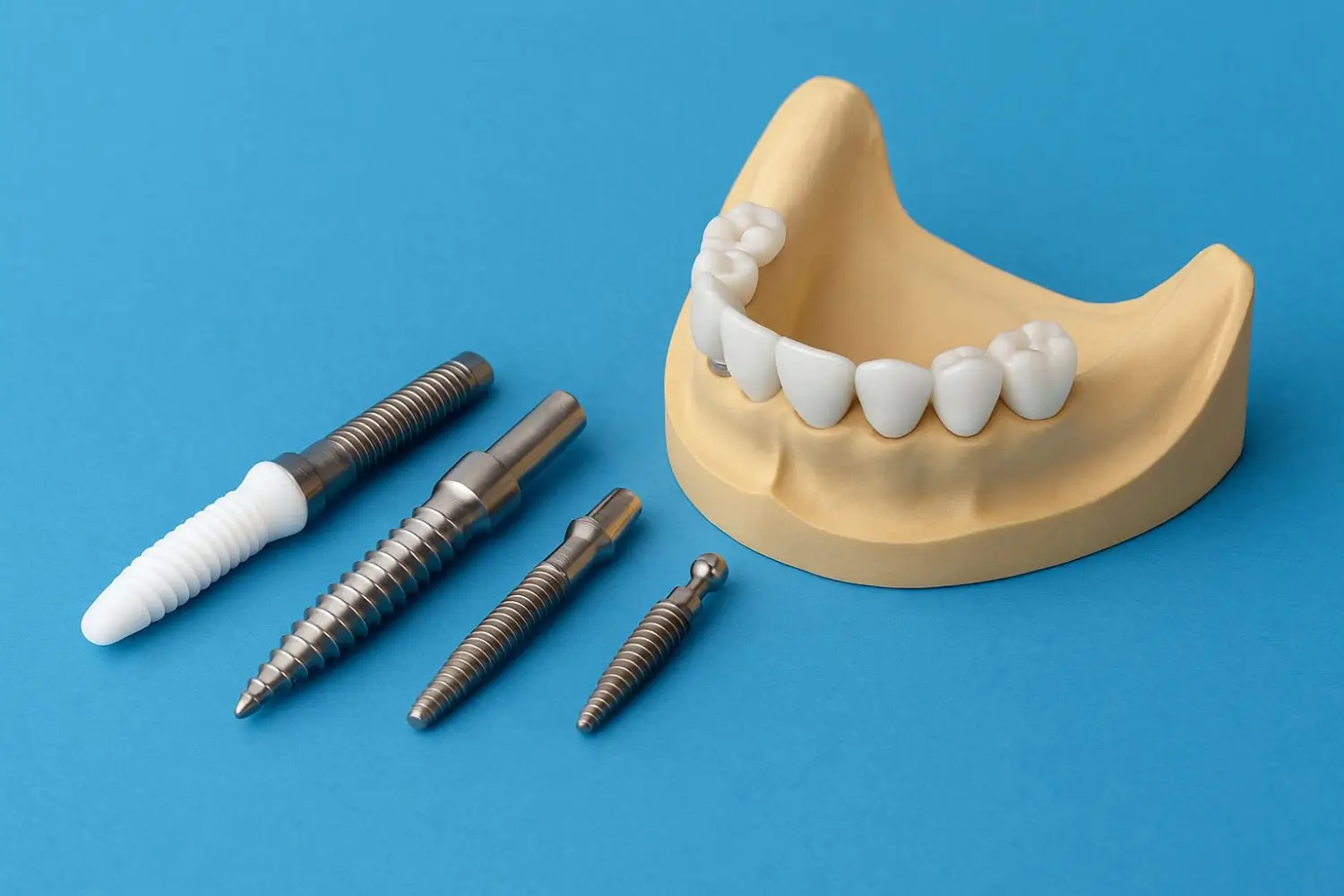
- Patients needing multiple implants or full-arch solutions who value predictable timelines and cost control.
- Those seeking a second opinion on complex cases like bone grafting or sinus lifts.
- Travellers who appreciate professional care wrapped in warm Thai hospitality.
A final word on peace of mind
Thailand’s dental sector didn’t earn its reputation by accident. It blends international training, modern tech, and a service mindset that’s genuinely kind. If the thought of sitting in a dental chair makes your shoulders tense, that “sabai sabai” (easy, relaxed) approach helps a lot. Do your homework, choose a clinic with solid credentials, and you’ll likely walk away with a stronger bite, a natural-looking smile, and a trip that felt more like a well-planned getaway than a medical chore.
That’s why Thailand stands out for affordable dental implant solutions: sensible pricing, high standards, and care that’s as gentle as it is professional.