Thailand Dental Implant Advantages for Overseas Dental Care Seekers
Thailand Dental Implant Advantages for Overseas Dental Care Seekers
If you are flying in for dental care and want a strong, long-term fix for missing teeth, Thailand is a smart choice for dental implants. The Kingdom is known as a medical hub in ASEAN, and that reputation didn’t happen by chance. Here, you get a mix of skilled implant dentists, modern tech, fair pricing, and genuine “service mind” hospitality that makes the whole journey smooth and stress-free.
Why Thailand gives good value without cutting corners
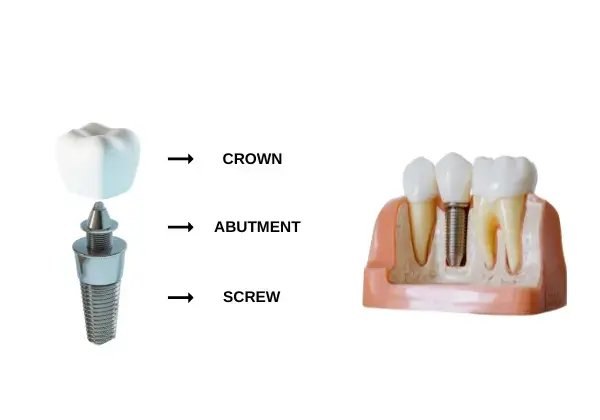
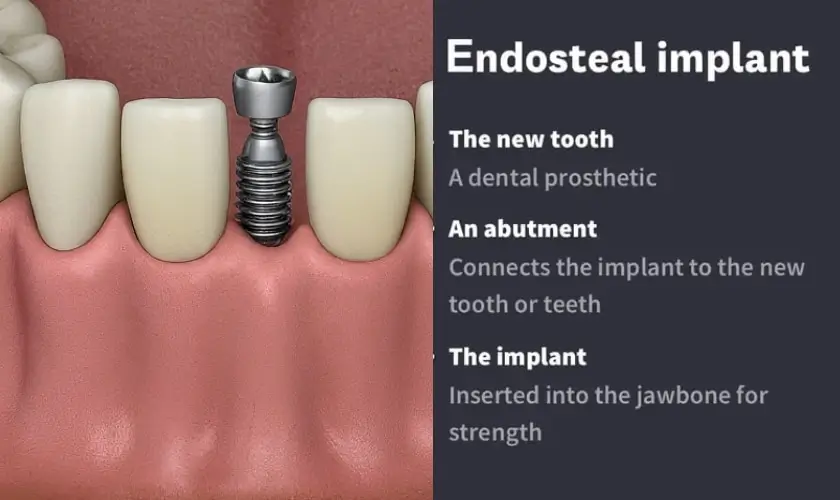
- Competitive, transparent pricing: Compared to the US, UK, or Australia, the cost of dental implants in Thailand can be 40–70% lower while still using top brands like Straumann, Nobel Biocare, or MIS. Many clinics offer all-in packages that cover the implant fixture, abutment, and crown, plus CBCT imaging and surgical guides when needed. No hidden cost is a big deal here—Thai clinics are very straightforward with written, itemized quotes.
- Quality materials and warranties: Reputable clinics offer brand-backed warranties on the implant fixture and a clear policy on the crown and abutment. You can also request your implant passport or batch details for future reference back home.
- Fair exchange and easy payment: Prices are in Thai Baht (THB), but most clinics accept Visa/Mastercard and bank transfers. Some offer seasonal promotions for full-arch cases. If you need a tax invoice for insurance, just ask—no worries.
International standards and modern tech
- Experienced implantologists: Many Thai dentists complete postgraduate training in implantology, prosthodontics, or oral surgery, often with overseas courses and fellowships. English-speaking dentists and coordinators are standard in clinics that focus on overseas patients.
- Infection control you can trust: Look for clinics with ISO-accredited sterilization systems, single-use consumables, and clear protocols. Some centers partner with JCI-accredited hospitals for cases requiring general anesthesia or complex medical monitoring.
- Digital planning for precision: Cone Beam CT, intraoral scanners, and guided surgery are widely available in Bangkok, Phuket, and Chiang Mai. These tools improve accuracy, reduce surgery time, and help you visualize your treatment plan before you commit.
Convenient care from first message to follow-up
- Fast replies and clear coordination: Thai clinics are responsive. You can send your panoramic X-ray or CBCT via email, WhatsApp, or LINE for a preliminary plan and quotation before flying in. Expect a straight answer, honest assessment, and a timeline that matches your travel.
- Easy access locations: Many clinics are a short walk from BTS/MRT in Bangkok or close to hotels and beaches in Phuket. Airport pickup and hotel booking support can be arranged if you prefer. Walk-in is possible, but booking is recommended to avoid queue time.
- Friendly, “we take care” culture: From front desk to dental nurses, service-minded staff help with forms, consent, and aftercare instructions. You’ll feel comfortable even if it’s your first time having treatment abroad.
Treatment timelines that fit your trip
The best schedule depends on your bone condition and case complexity, but these are common scenarios:
- Single implant, delayed load (most common):
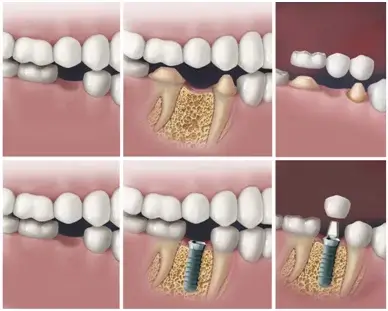
1) Visit 1 (3–7 days in Thailand): Consultation, CBCT, digital planning, extraction if needed, implant placement. Stitches out around day 5–7. Fly home after clearance.
2) Healing 3–4 months.
3) Visit 2 (5–7 days): Impression, abutment, and final crown fitting.
- Immediate placement (extrac
tion + implant same day): Possible if there’s no active infection and bone volume is good. Often still delayed load for the crown, unless stability is excellent.
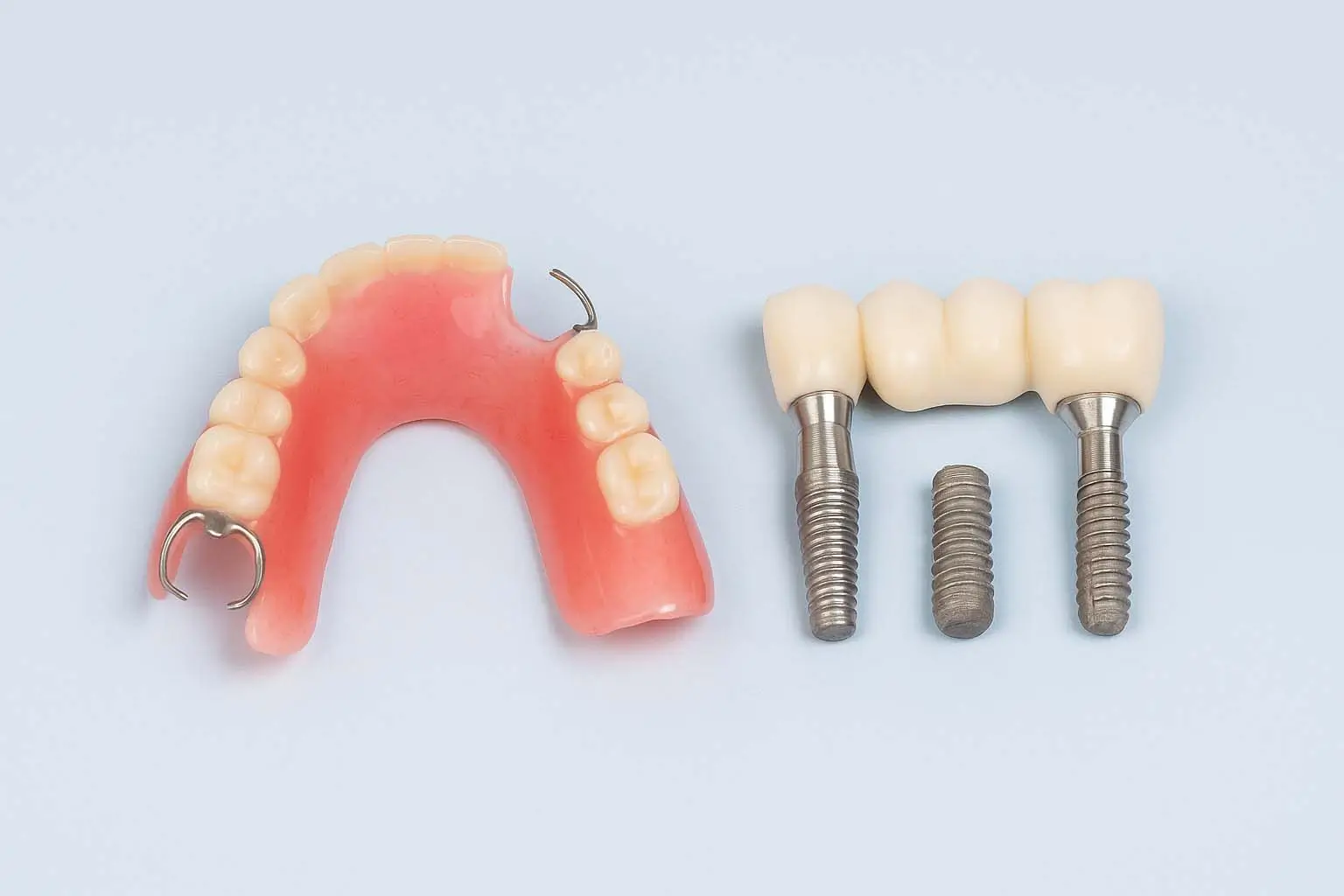
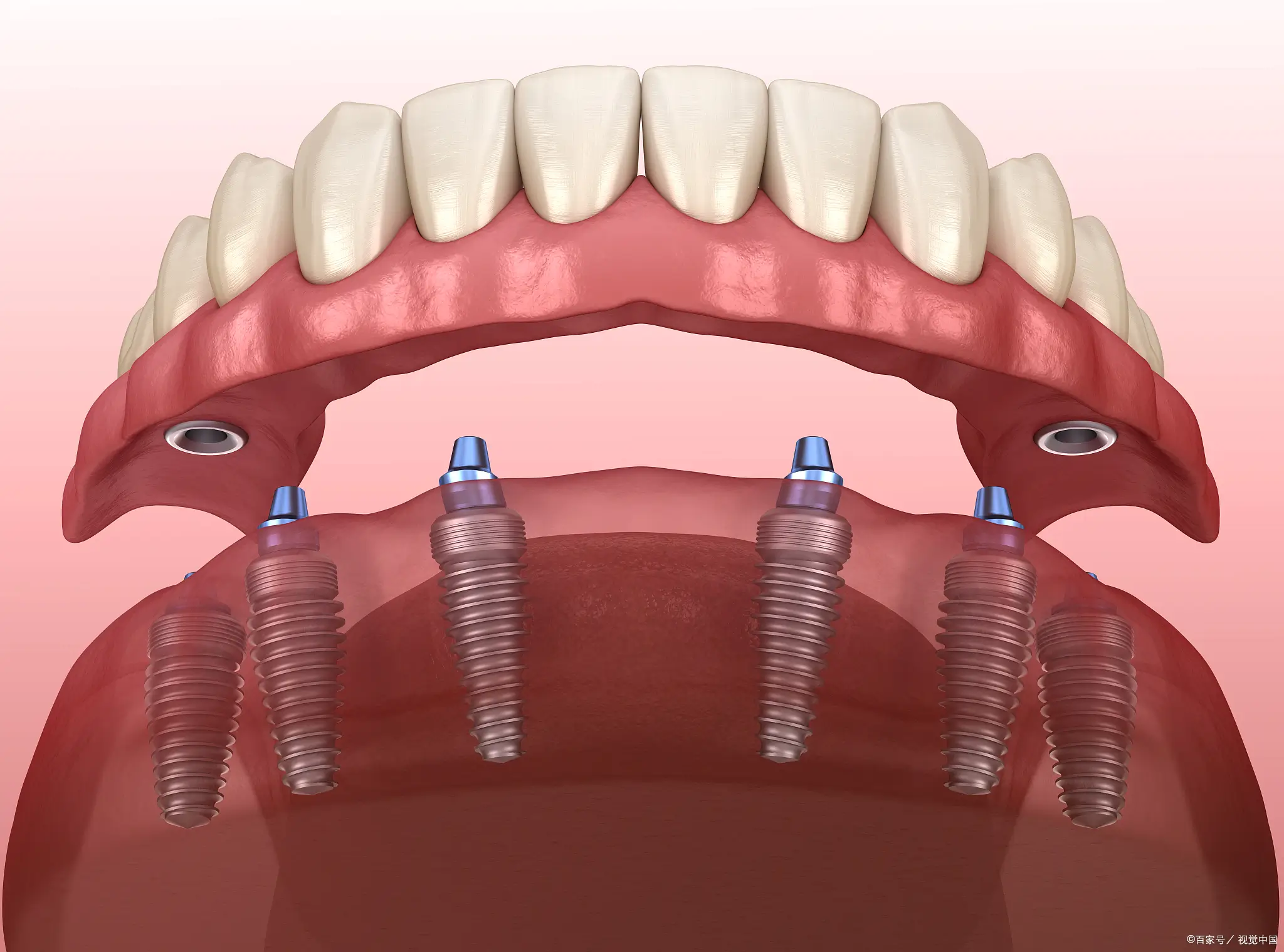
- Immediate load and All-on-4/All-on-6 full arch: For suitable cases, fixed provisional teeth can be attached within 24–72 hours. Plan 10–14 days for the first trip. Final zirconia or ceramic bridge is usually delivered after 3–6 months.
Your dentist will assess primary stability (e.g., insertion torque) and bone quality to decide on immediate vs. delayed loading. If a sinus lift or bone graft is needed, add extra healing time (4–6 months) before the final crown.
Recovery tips for travelers
- Flying: Many patients can fly after 48–72 hours for single implant surgery, once swelling is manageable and there’s no complication. For grafts or multiple implants, your dentist may suggest a longer rest. Always follow your surgeon’s clearance.
- What to eat: Soft diet is the way—congee, yogurt, eggs, smoothies. Avoid very hot, very spicy, and hard or sticky foods in the early days.
- Aftercare: Use prescribed rinse, take medication on time, avoid smoking, and sleep with your head slightly elevated for the first night. Your clinic can follow up via LINE or email once you’re back home.
Who is a good candidate?
You’re generally a good candidate if you have healthy gums, adequate bone, and you’re ready to maintain good oral hygiene. Let the clinic know if you smoke, have diabetes, osteoporosis, or take medications like bisphosphonates—these can affect healing. Honest medical history helps your dentist tailor the plan safely.
How to choose the right clinic in Thailand
- Check credentials: Look for dentists with memberships or training in implant societies and clear experience with cases like yours.
- Ask for an itemized quote: Confirm what’s included—implant brand, abutment type, crown material (e.g., zirconia, e.max), CBCT, surgical guide, bone grafts, membrane, and follow-up visits.
- Review real cases: Before-and-after photos, case explanations, and verified reviews are more reliable than star ratings alone.
- Brand and lab quality: Ask which lab fabricates your crown and whether they use CAD/CAM workflows for accuracy.
- Aftercare policy: Understand emergency contact, warranty terms, and how remote follow-up works. Many clinics will coordinate with your local dentist if needed.
Practical notes for overseas patients
- Language: English-speaking dentists and coordinators are the norm. Some clinics also have Chinese, Japanese, Arabic, or Russian speakers.
- Opening hours: Many clinics offer evening and Saturday appointments to fit travel timetables.
- Transport and hotels: Clinics can recommend nearby hotels and share clear directions via BTS/MRT or Grab. Central areas (Asok, Phrom Phong, Silom, Siam) are convenient for Bangkok.
- Communication: LINE and WhatsApp are popular for quick questions and sharing post-op photos if you’re concerned. No worries—responses are usually fast.
The takeaway
Thailand blends clinical quality with warm, efficient service and fair, transparent pricing. Whether you need a single implant in Bangkok or a full-arch solution by the beach in Phuket, the combination of experienced dentists, modern tech, and smooth coordination makes dental implants in Thailand a confident choice for overseas dental care seekers. Plan ahead, share your X-rays, get a clear quote, and you’ll find the experience same same but better—strong teeth, natural smile, and a trip that feels well worth it.