Why Thailand Dental Implants Are Popular Among International Patients
Why Thailand Dental Implants Are Popular Among International Patients
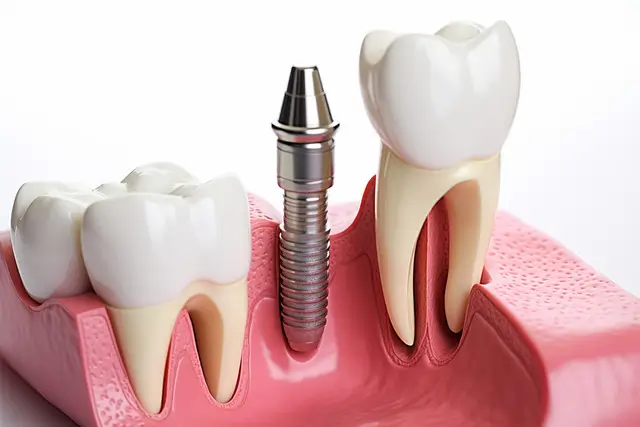
If you’ve been researching dental implants and keep seeing Thailand pop up, you’re not imagining it. Thailand has become a go-to destination for international patients who want reliable implant treatment without the eye-watering price tag. Between competitive costs, experienced dentists, modern technology, and the country’s famously warm hospitality, it’s easy to see why dental tourism in the Land of Smiles continues to grow.
Value for money without cutting corners
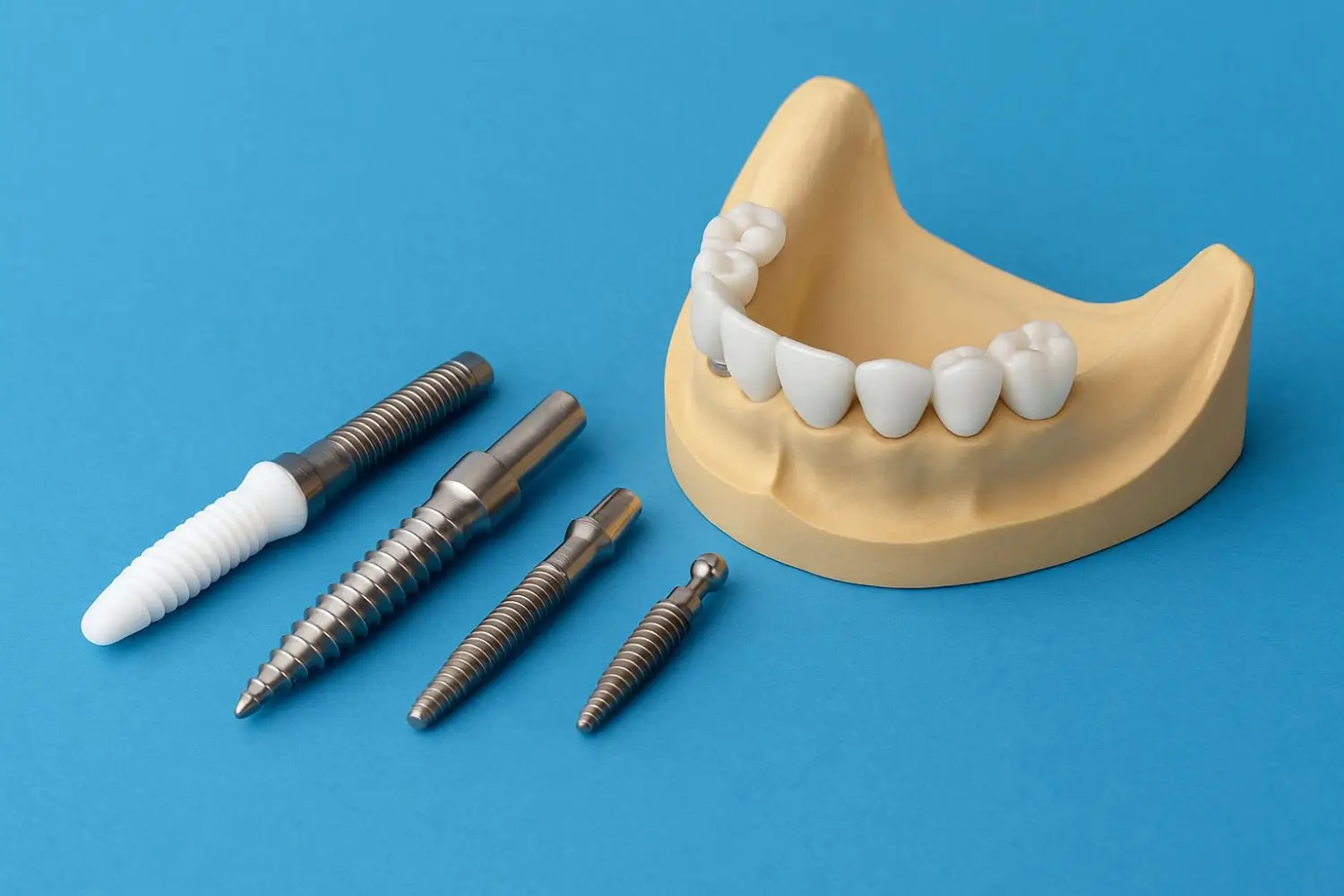
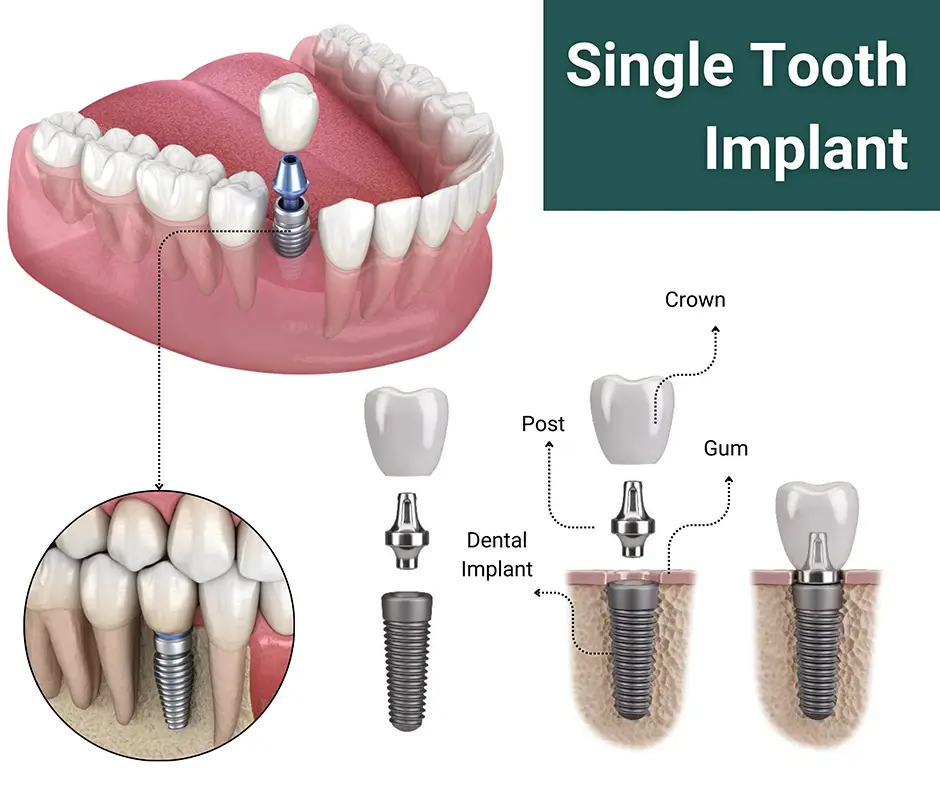
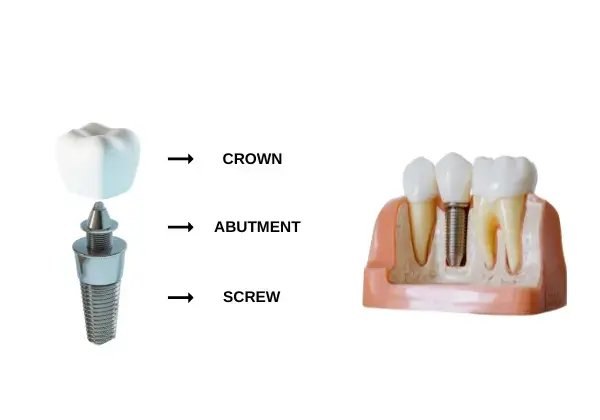
One of the biggest pull factors is cost. In Thailand, a single dental implant (the titanium fixture) typically ranges from about 35,000–65,000 THB, and when you include the abutment and crown, many clinics quote a complete price in the 60,000–100,000 THB range per tooth. That’s roughly USD 1,700–2,800 at current exchange rates, compared with USD 3,000–6,000 in the US or Australia. Full-arch solutions like All-on-4 also tend to be significantly more affordable.
Importantly, “lower cost” here doesn’t mean lower standards. Established clinics in Bangkok, Phuket, and Chiang Mai invest in the same implant systems and equipment used in the West. Many offer all-in pricing with clear breakdowns, so you know exactly what’s included—consultation, 3D scans, surgery, prosthetics, and follow-up.
Experienced, English-speaking dentists
It’s common to find Thai dentists who are board-certified, hold postgraduate qualifications, and have completed training or residencies in the UK, US, Australia, or Japan. Because Thailand sees a high number of implant cases from abroad, leading clinicians have deep experience across simple single-tooth replacements to full-mouth rehabilitation with bone grafts or sinus lifts.
Communication is straightforward. Most popular clinics have English-speaking treatment coordinators, transparent written plans, and support teams who will guide you from first email to final check-up. That takes a lot of stress out of planning dental care overseas.
Top-tier implant systems and technology
Thailand’s best dental centers are well-equipped. You’ll see technology such as:
- Cone Beam CT (CBCT) 3D imaging for precise planning
- Intraoral scanners for digital impressions (no goopy trays)
- CAD/CAM milling for accurate, durable crowns and bridges
- Surgical guides for minimally invasive placement
- On-site sterilization that meets international standards
Clinics commonly use reputable implant brands like Straumann, Nobel Biocare, Astra Tech, and Zimmer. Ask which system will be used in your case—reliable brands mean proven track records and easier maintenance anywhere in the world.
Convenient scheduling and travel
Thailand is a regional air hub with frequent flights and straightforward connections. Many nationalities enjoy visa-free entry for short stays, and clinic schedules often extend into evenings and Saturdays to fit your itinerary.
Bangkok offers the widest choice of clinics and is ideal if you want everything close by—airports, hotels, and transport. Phuket and Chiang Mai are good options if you prefer a quieter pace while you recover. Wherever you choose, you’ll find accommodation at different budget levels within easy reach of dental centers.
A realistic timeline that suits most travelers
Good implant care respects biology. For many patients, treatment happens in two stages:
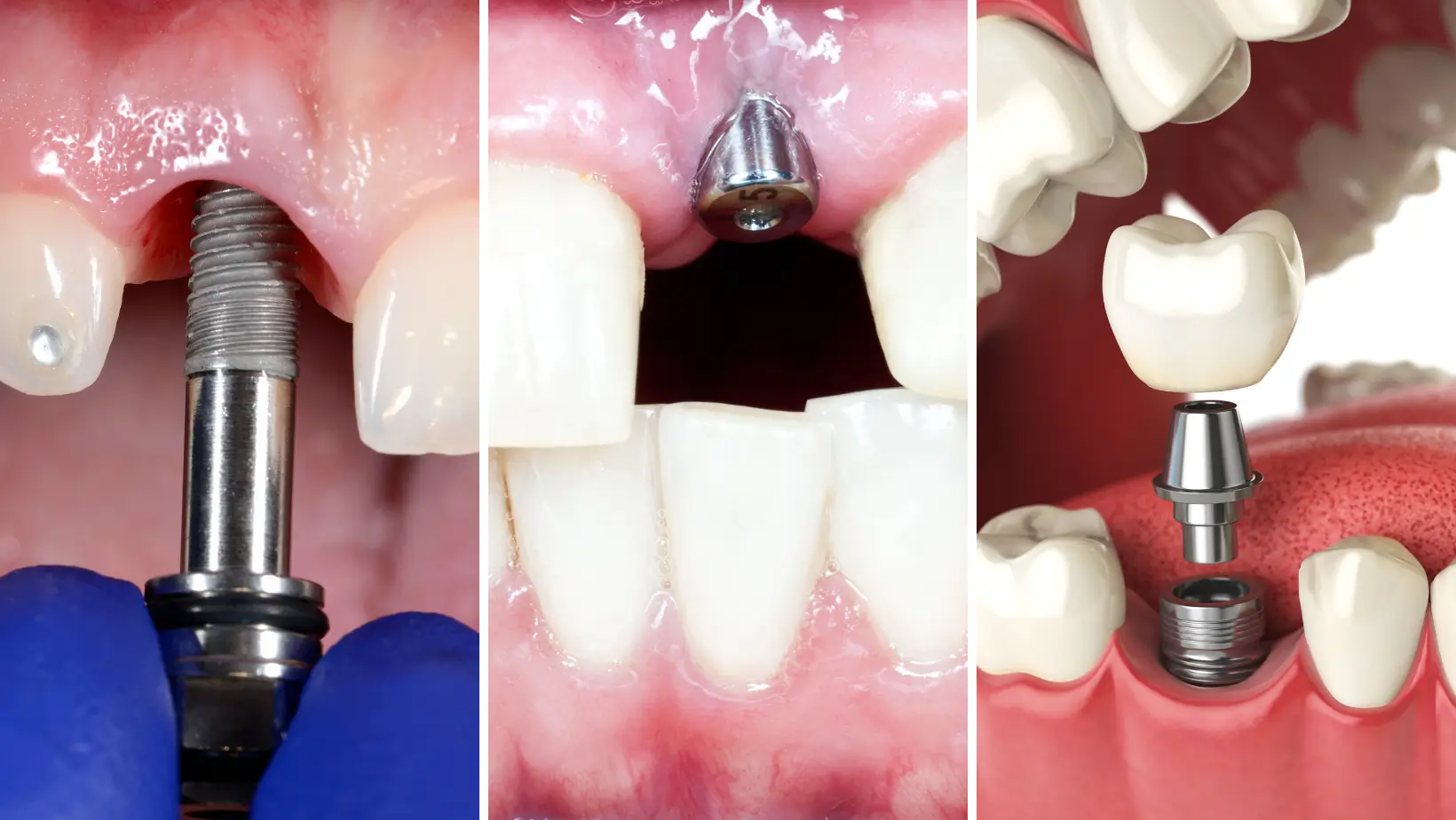
- Stage 1: Consultation, 3D imaging, and surgery to place the implant. A healing period of around 3–6 months follows for osseointegration (the implant bonding with bone).
- Stage 2: Abutment placement
and final crown/bridge fitting once healing is confirmed.
Some situations allow immediate loading (a temporary tooth on the implant soon after surgery), especially for full-arch cases, but your dentist will evaluate bone quality and bite forces before recommending it. If you can plan two trips, you’ll usually get the best, most predictable result.
Hospital-grade standards and patient safety
Thailand’s healthcare sector is known for high standards. While many implant procedures are done in private dental clinics, you’ll also find hospital-based dental centers and clinics that are ISO-certified. Sterilization, infection control, and anesthesia protocols align with international guidelines. IV sedation and general anesthesia are available when needed, with proper monitoring. Always ask about sterilization practices and emergency protocols—it’s standard for reputable providers to explain this clearly.
Aftercare that fits your life
Quality clinics don’t end care when you fly home. They’ll schedule remote follow-ups, share X-rays and photos, and coordinate if you need a local dentist for routine maintenance. Many offer limited warranties on implant fixtures and prosthetics, provided you keep up with hygiene visits and follow care instructions. As with any implant anywhere in the world, regular check-ups, professional cleanings, and good home care are key to long-term success.
Comfortable recovery in the Land of Smiles
Thailand’s hospitality makes a difference when you’re healing. It’s easy to find soft, nourishing foods like congee (rice porridge), khao tom (soft rice soup), steamed fish, tofu, fruit smoothies, and yogurt—ideal in the first days after surgery. Hotels are used to medical travelers and can help with ice packs, extra pillows, or room service requests. Take it slow, keep hydrated, and enjoy a gentle stroll when you feel up to it.
How to choose the right clinic in Thailand
Do a bit of homework and you’ll feel confident in your decision. Look for:
- Qualifications: Board-certified prosthodontists/implantologists, memberships in international bodies.
- Experience: Before-and-after cases similar to yours; ask about annual implant volume.
- Technology: CBCT, digital planning, and guided surgery when appropriate.
- Implant system: Reputable brands with global support.
- Transparent pricing: Clear inclusions and exclusions, written treatment plan.
- Realistic timelines: No pressure for “same-day” if your case isn’t suitable.
- Communication: English-speaking team and clear consent process.
- Aftercare: Follow-up plan, warranty terms, and coordination with your local dentist.
Who benefits most from Thailand dental implants?
- Travelers combining treatment with a holiday, wanting value for money and reliable care.
- Patients needing multiple implants or full-arch solutions where savings are substantial.
- Those seeking advanced options (bone grafts, sinus lifts, All-on-4) with experienced teams.
Final thoughts
Thailand dental implants are popular with international patients for good reasons: fair pricing, highly trained dentists, modern facilities, and a patient-centered approach backed by warm Thai hospitality. If you choose a clinic with strong credentials, ask the right questions, and allow enough time for proper healing, you can come home with a confident smile and a treatment plan built to last. In the end, it’s not just about saving money—it’s about getting world-class care that feels reassuring from the first email to your final check-up.