Why Thailand Dental Implants Are Recommended by Dental Travel Seekers
Why Thailand Dental Implants Are Recommended by Dental Travel Seekers
If you’ve been exploring dental tourism, chances are you’ve heard friends or online communities say, “Go to Thailand for implants—jing jing (really)!” The Kingdom has earned a global reputation for dental care that blends world-class expertise with friendly pricing and a travel experience that feels surprisingly smooth. Here’s why Thailand dental implants are consistently recommended by savvy dental travel seekers.
World-class training at wallet-friendly prices
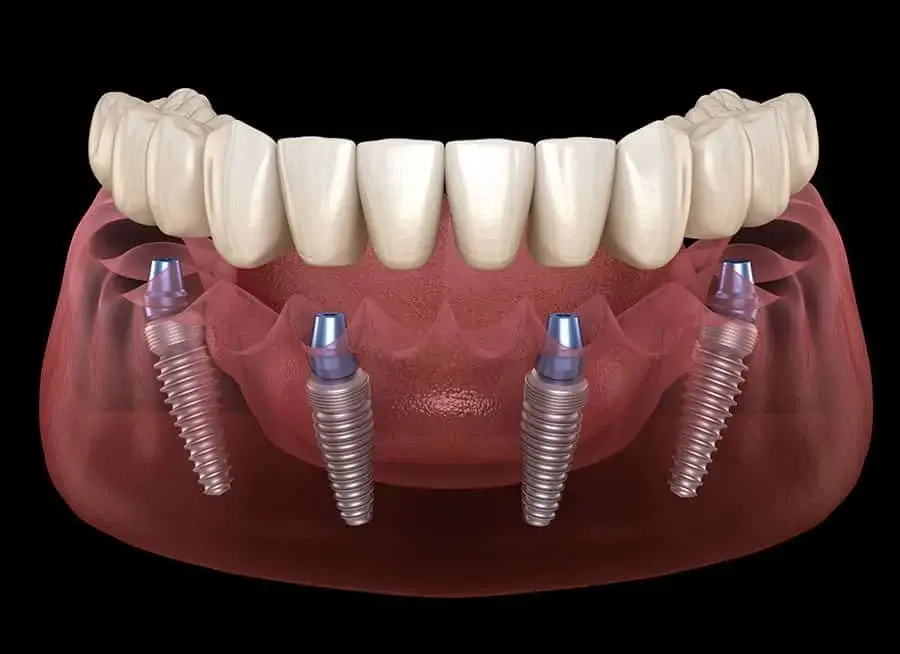
- Cost savings: Many visitors report savings of 50–70% compared with prices in the US, Australia, or Europe. A single implant with crown in Thailand often comes in far less than back home, and full-arch solutions like All-on-4 or All-on-X are also significantly lower. Final fees vary by case complexity, brand, and region, but the value gap is clear.
- Specialist care: Implants in Thailand are typically placed by prosthodontists, periodontists, or oral surgeons—many with international training or affiliations. English-speaking teams are common in Bangkok, Chiang Mai, and Phuket.
- Trusted materials: Clinics routinely use global implant systems like Straumann, Nobel Biocare, or MIS, with documented batch numbers and warranties. You’ll want to see brand details in your treatment plan—transparent clinics will provide them upfront.
High standards of safety and technology
- Sterilization and accreditation: Leading centers follow international protocols, with some linked to JCI-accredited hospitals or ISO-certified processes. Don’t hesitate to ask about their sterilization workflow, autoclaves, and instrument tracking—professional clinics will be proud to show you.
- Digital planning: Cone beam CT (CBCT), intraoral scanners, and CAD/CAM milling are widely available in Thailand’s top clinics. Guided surgery kits improve precision, especially for complex or full-arch cases.
- Comfort options: Local anesthesia is standard, and many clinics offer IV sedation supervised by anesthesiologists. If you’re nervous, ask about sedation protocols during your online consultation.
A timeline that works for travelers
While every mouth is different, implant care in Thailand is usually planned in two phases:
- Trip 1: Consultation, CBCT, extractions if needed, implant placement, and temporary restorations (if indicated). If you’re eligible for immediate loading or All-on-4, your temporary bridge may be fitted within a few days.
- Healing: Osseointegration typically takes 3–6 months. If bone grafting or sinus lift was done, healing can take longer.
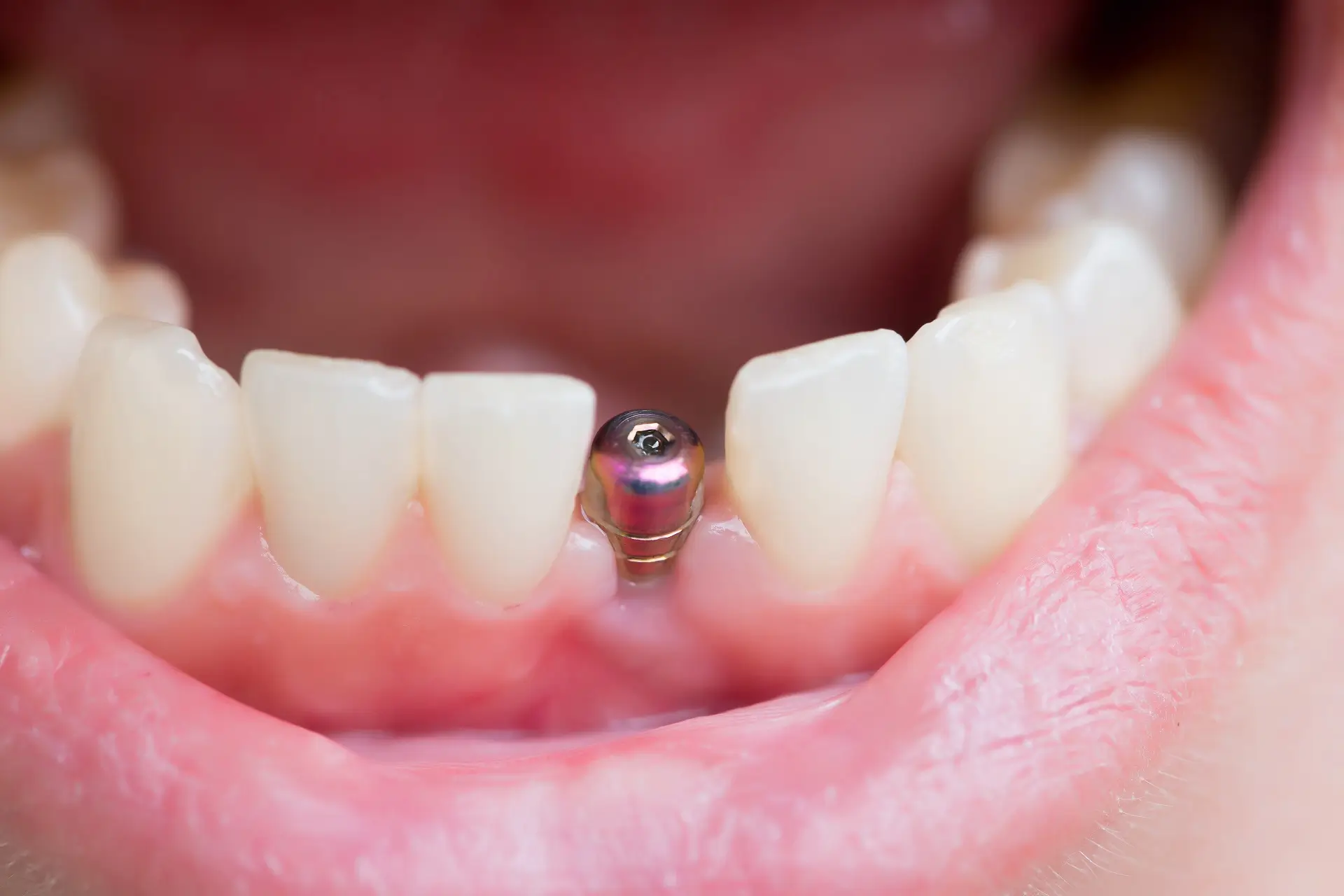
- Trip 2: Uncovering (if required), abutment placement, and final crown/bridge fitting.
Some clinics offer remote pre-assessment via photos, scans from your home dentist, or video calls. A good clinic will tell you upfront if you’re a candidate for immediate load or if staged treatment is safer. Transparency here is key—no surprises later.
The hospitality factor: “mai pen rai” service
Thai clinics aren’t just efficient—they’re welcoming in a way that helps you relax. Expect:
- English-speaking coordinators who help with visas, airport transfers, and hotel suggestions close to the clinic.
- Flexible scheduling, including weekend or evening slots in many urban centers.
- Clear itemized quotes and payment options, often with receipts tailored for insurance claims back home.
- Post-op support via LINE, WhatsApp, or email. It’s common for clinics to check up on you the next day—small touches that make a big difference.
Travel-friendly logistics
- Flight connections: Bangkok is a major hub with direct routes from Asia, Europe, Australia, and the Middle East. Domestic flights to Chiang Mai, Phuket, or Pattaya are frequent and affordable.
- Comfortable recovery: It’s easy to find hotels or serviced apartments near clinics, with pharmacies and 7-Eleven stores on nearly every corner. Soft, recovery-friendly foods like jok (rice porridge), khao man gai (chicken and rice), and steamed fish are widely available.
- Timing: If you want quieter clinics and good hotel rates, consider shoulder seasons. Be mindful of public holidays and festivals like Songkran (mid-April), when some clinics may close.
What to check before you book
- Credentials and experience: Ask how many implant cases the surgeon performs annually and request before-and-after photos of similar cases.
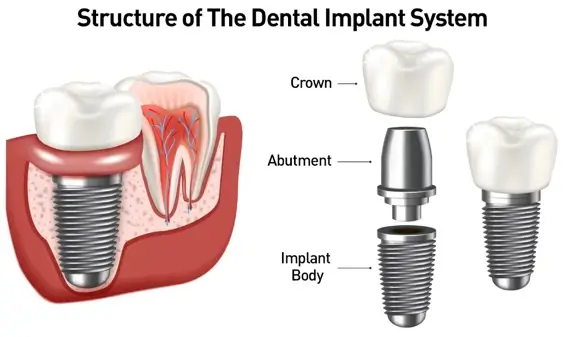
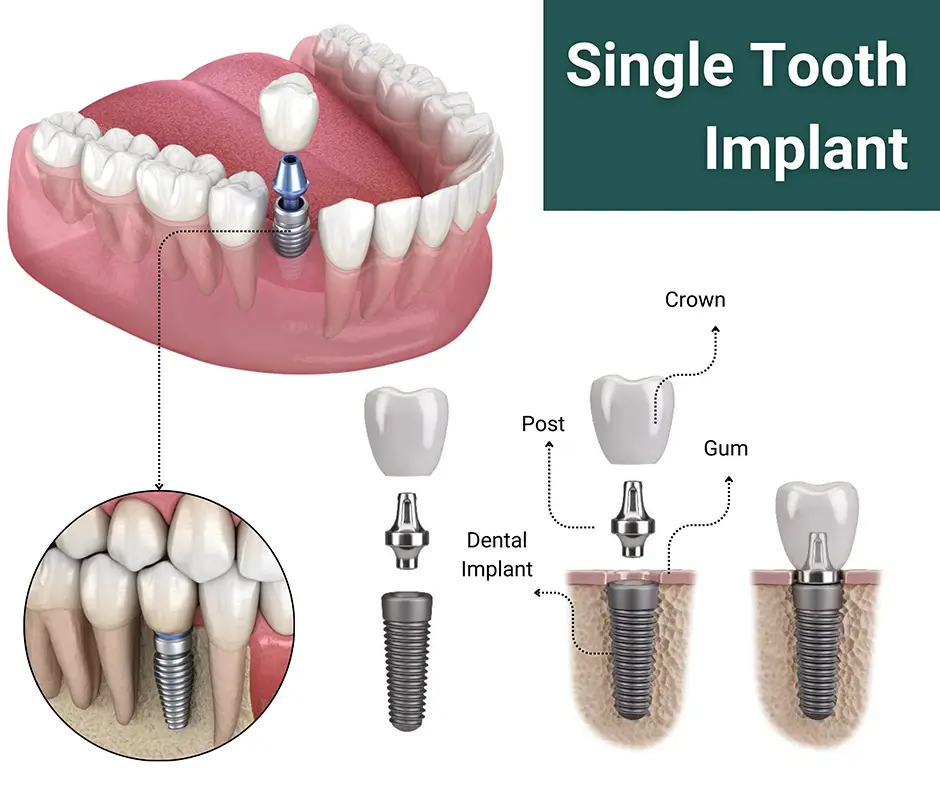
- Full treatment plan: Your quote should cover implant brand, abutment, crown type (e.g., zirconia, porcelain-fused-to-metal), imaging (CBCT), surgical guides, temporaries, and any grafting. Clarify if the quote is per implant or per arch.
- Hidden costs: Confirm fees for bone grafts, sinus lifts, IV sedation, membrane materials, and extractions. Also ask about medication and post-op visits.
- Aftercare policy: Look for written warranties and a plan for adjustments or minor complications. Many clinics will coordinate with your home dentist if needed.
- Communication: Ensure the clinic offers easy channels for questions before and after treatment. Quick, clear replies are a good sign.
- Payment and paperwork: Confirm accepted cards, bank transfer options, and whether they provide detailed invoices for your records or insurer.
Who makes a good candidate?
- Typically suitable: Patients with good general health and adequate bone, non-smokers, or those willing to stop smoking for healing.
- Proceed with caution: Uncontrolled diabetes, heavy smoking, untreated gum disease, or severe bruxism can hinder success. If any of these apply, share your medical history and current labs in advance so your Thai specialist can advise or coordinate with your physician.
Realistic expectations for results
Success rates for dental implants in reputable Thai clinics are in line with global standards when proper protocols are followed. Still, implants aren’t “set and forget.” Long-term success depends on:
- Consistent oral hygiene and regular cleanings.
- Night guards if you grind your teeth.
- Routine follow-ups—some travelers book a quick check-up if they’re back in Thailand, or they see their home dentist annually.
Practical tips for a smooth trip
- Keep two days free post-surgery for rest and fittings; swelling peaks around 48–72 hours.
- Avoid spicy and very hot foods early on—Thailand loves chilies, but your gums won’t. Stick to soft dishes like jok, soft omelets, tofu, smoothies, and lukewarm soups.
- Bring a list of medications and any medical reports. If you take anticoagulants, ask your surgeon about perioperative management well before you fly.
- Arrange travel insurance that covers medical trip changes. Delays can happen if healing needs more time—better to be flexible than rush.
- If you’re planning beach time, do it before surgery, not after.
Why travelers keep recommending Thailand
It’s the combination that wins people over: clinical standards that meet or exceed what they’re used to, pricing that makes full-mouth restoration achievable, and a service culture built on care and calm—“mai pen rai,” as locals say. Add an easy-to-navigate travel scene, English-speaking teams, and modern technology, and it’s no surprise Thailand stays at the top of the list for dental implant travel. Whether you’re considering a single tooth or a full-arch solution, doing your homework and choosing the right clinic in Thailand can make your dental journey both successful and surprisingly enjoyable—same same, but better.