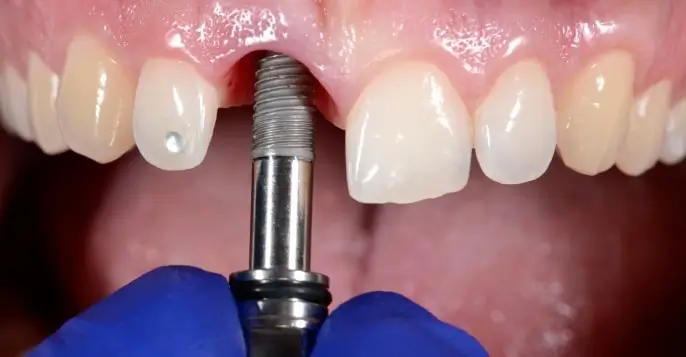
Why More People Travel to Thailand for Dental Implant Care
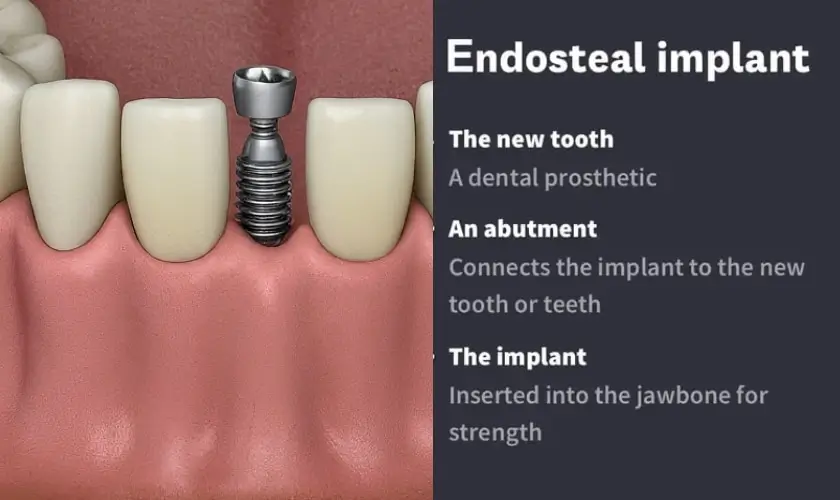
Why More People Travel to Thailand for Dental Implant Care
If you’ve been comparing options for dental implants and feeling shocked by prices back home, you’re not alone. More patients are flying to Thailand for implant care because the country offers a blend that’s hard to beat: skilled specialists, modern tech, transparent pricing, and a recovery environment that feels “mai pen rai” — no worries. Here’s a grounded look at why Thailand is on so many shortlists for dental implants, and how to plan a smooth journey.
World-class standards at a friendlier price
Thailand’s top clinics in Bangkok, Chiang Mai, Phuket, and Pattaya consistently deliver care at a level many patients describe as “same same, but better” than home — and at a lower total cost. While exact fees vary by case and clinic, typical ballpark ranges include:
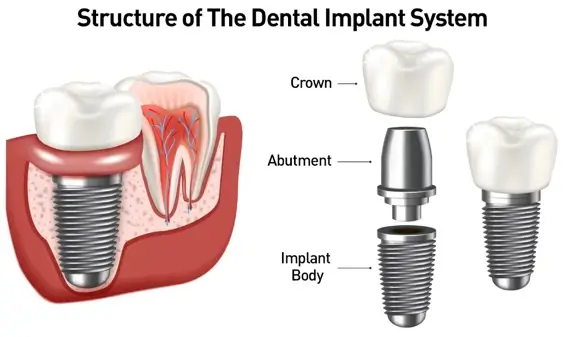
- Single implant (implant, abutment, crown): often from 50,000–80,000 THB per tooth
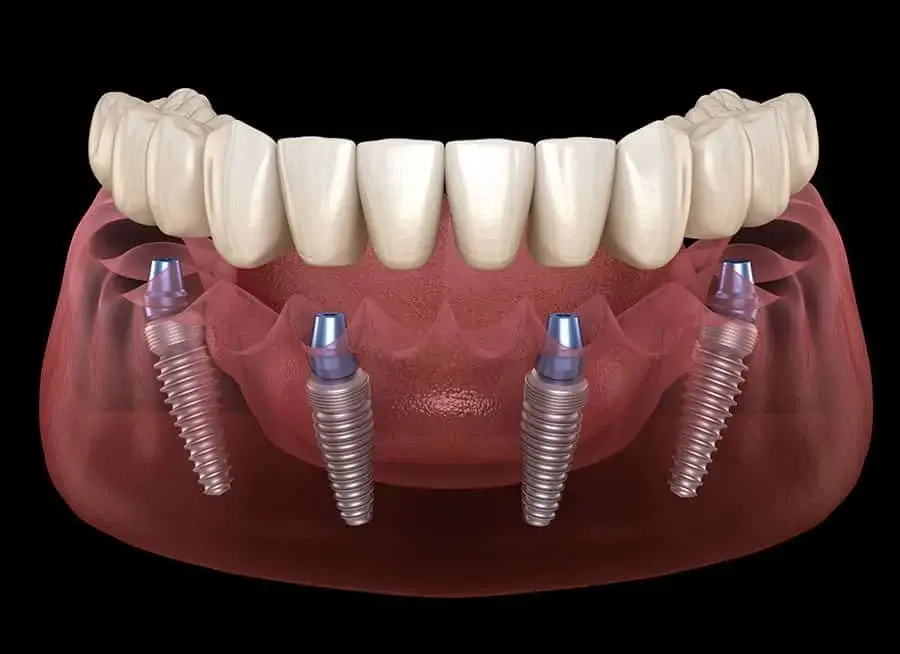
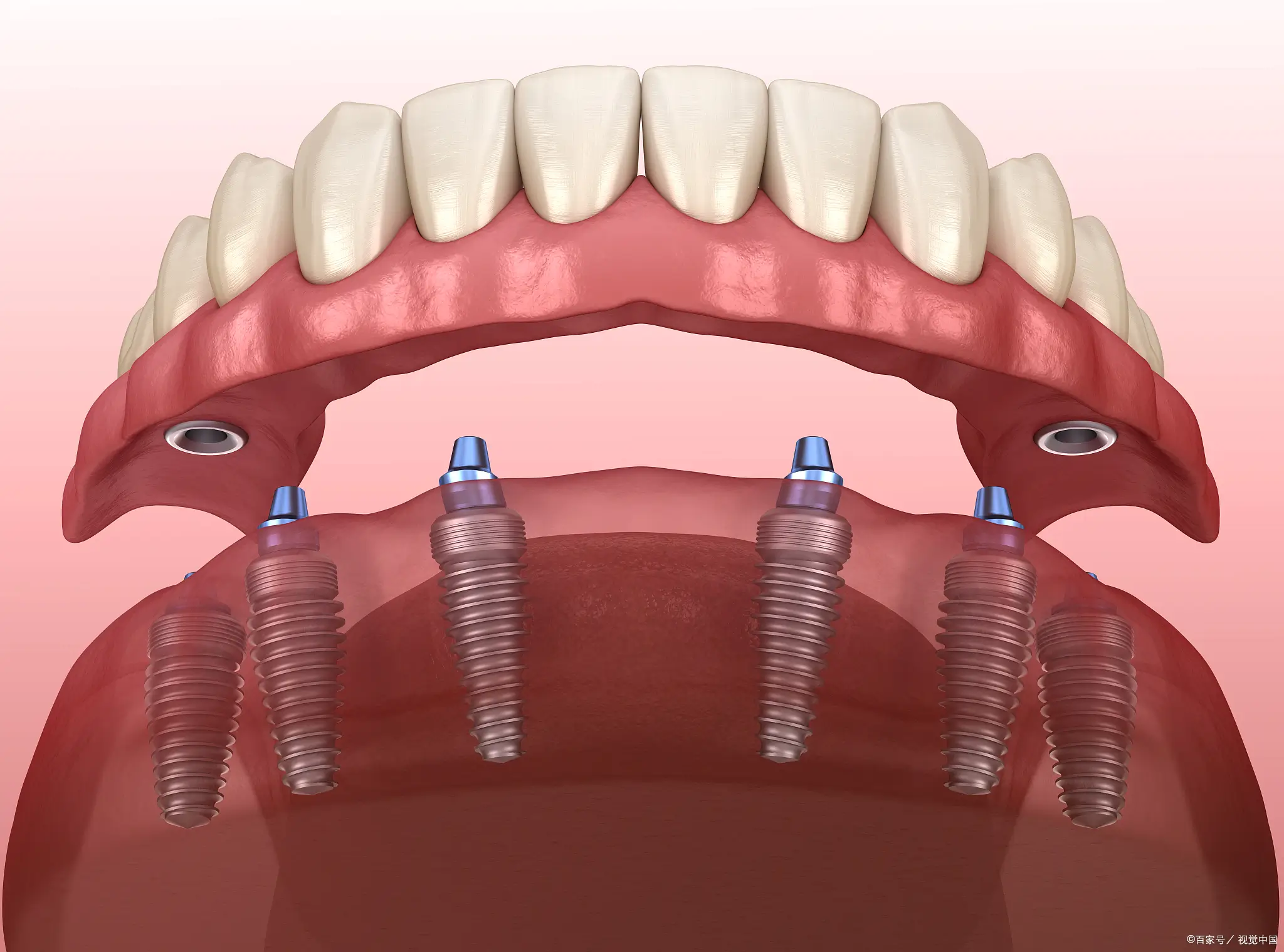
- All-on-4 or full-arch solutions: frequently 300,000–500,000 THB per arch, depending on materials and brand
Costs are usually quoted in Thai baht with clear inclusions, and many clinics post price lists on their websites. Compared to many Western countries, patients commonly save 30–60% without cutting corners on quality.
Experienced specialists and modern technology
Thailand’s implant dentists often hold advanced degrees or international training. In leading clinics, your implant may be placed by a periodontist, oral surgeon, or prosthodontist with thousands of successful cases. They routinely work with globally recognized systems such as Straumann, Nobel Biocare, and MIS.
What you’ll see on the ground:
- CBCT 3D imaging for precise planning
- Digital intraoral scanners for accurate, comfortable impressions
- Computer-guided surgery when indicated
- High-standard sterilization protocols and dedicated surgical suites
This combination of expertise and equipment reduces guesswork, shortens chair time, and improves long-term outcomes.
Clear communication in English
In major Thai cities, implant teams communicate comfortably in English. Treatment plans, risks, and timelines are explained step by step, and you’ll typically receive a written plan with fees, brand names, and warranty terms. Many clinics have international patient coordinators who explain options with that trademark Thai warmth and “can do” approach.
Comfortable recovery in a travel-friendly hub
Bangkok is a well-connected aviation hub with frequent direct flights. Once you’re here, the BTS Skytrain and MRT make it easy to reach clinics around Sukhumvit, Silom, or Sathorn. There are serviced apartments and hotels on nearly every soi, so you can stay close to your clinic without stress.
Recovery can be genuinely pleasant:
- Soft, flavorful food is easy to find — think khao tom (rice soup), steamed fish, and smoothies
- Wellness add-ons like gentle Thai massage (after your dentist gives the green light)
- Quiet cafés and co-working spaces for remote work while you heal
For many, this supportive environment makes the treatment timeline feel manageable rather than medical.
Safety, accreditation, and trust signals
If safety is your top concern, you’re thinking the right way. Reputable providers in Thailand make their credentials visible:
- Thai Dental Council licensing and specialty certifications
- Affiliations with international bodies
- JCI-accredited hospitals offering dental surgery within hospital facilities for medically complex patients
- Transparent implant bran
ds, lot numbers, and warranty policies
Don’t hesitate to ask for proof. Good clinics welcome questions and will happily “wai” — greet you politely — while showing credentials and case photos.
What the implant journey usually looks like
Your plan will be tailored to your bone quality and health, but here’s a common flow:
1) Online consultation: Share your X-rays or get a preliminary opinion and budget.
2) First visit in Thailand (3–7 days): CBCT scan, treatment planning, and implant placement. Bone grafting or sinus lift may be done if needed. You’ll leave with a temporary solution if aesthetics are a concern.
3) Healing phase (3–6 months): You return home while osseointegration takes place. Some cases allow immediate or early loading based on stability and case selection.
4) Second visit (5–10 days): Abutment placement and final crown or bridge fitting, with bite adjustments and polishing.
5) Follow-up: Many clinics offer remote check-ins and coordinate with your local dentist for hygiene maintenance.
Tips for choosing the right Thai clinic
- Check the specialist’s profile: Look for a periodontist, oral surgeon, or prosthodontist with implant-focused experience.
- Ask about the system used: Recognized brands make future maintenance easier anywhere in the world.
- Confirm what’s included: CBCT, provisional crowns, abutments, extractions, grafting, medications, and follow-up visits.
- Assess sterilization and facilities: Dedicated implant suites and documented protocols inspire confidence.
- Read recent reviews: Look for detailed patient stories, not just star ratings.
- Clarify aftercare: Understand warranty terms on the implant fixture and prosthetics, and who you can see at home for routine maintenance.
Practical planning notes
- Visas and timing: Many nationalities enjoy visa-free entry for short stays. Always check the latest rules and match them to your treatment timeline.
- Payment options: Clinics typically accept credit cards and bank transfers; ask about fees and currency conversion.
- Insurance and taxes: Some international insurers reimburse overseas dental work. Request itemized invoices and full documentation.
- Diet and downtime: Arrange soft foods for the first few days and plan quiet activities. No spicy tom yum on day one — you’ll get there soon enough.
Who benefits most from implants in Thailand?
- Patients seeking quality without the high price tag at home
- Those needing advanced procedures (sinus lifts, grafts) and wanting a team that does them every day
- Frequent travelers or digital nomads who can schedule two trips a few months apart
- Anyone who values a calm, hospitable setting during recovery
A realistic word on expectations
Implants are a long-term investment. Success depends on bone health, oral hygiene, and habits like smoking. A good Thai dentist will never rush you into treatment. Expect a careful diagnosis, a timeline that prioritizes healing, and honest advice if pre-treatment (like periodontal therapy) is needed first.
The bottom line
Thailand has earned its reputation for dental implants by combining skilled specialists, modern tech, and a patient-first culture with clear pricing. Add an easy travel hub and a recovery setting designed for comfort, and it’s no surprise more people say “see you in Bangkok” when it’s time to smile again. If you choose wisely, your experience can be both sanuk — a bit of fun — and seriously good dentistry.