Thailand Dental Implant Benefits for Travelers Combining Health and Vacation
Thailand Dental Implant Benefits for Travelers Combining Health and Vacation
If you’ve been thinking about dental implants and you also fancy a break, Thailand makes it easy to do both. With high clinical standards, friendly service, and a “sabai-sabai” (relaxed) pace, a dental holiday in the Land of Smiles lets you return home with healthier teeth and a refreshed mind. Here’s a clear, practical look at why Thailand is a great choice, how to plan your trip, and what to expect when you combine treatment with travel.
Why Thailand for dental implants
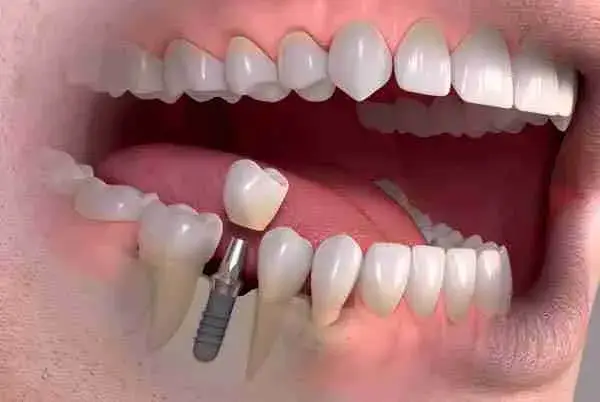
Quality and expertise: Thailand is home to many internationally trained dentists and oral surgeons, especially in Bangkok, Phuket, Chiang Mai, and Pattaya. English is widely spoken in leading clinics, and many teams have experience treating overseas patients. Modern clinics use digital X‑rays, CBCT 3D scans, guided implant surgery, and reputable implant systems (such as Straumann and Nobel Biocare), so you can feel confident about materials and precision.
International standards: Top dental centers follow strict sterilization protocols and are often part of hospital networks with international accreditation. Single-use instruments where appropriate, autoclaving, and well-documented hygiene systems are standard. If you prefer sedation, clinics can arrange it safely with proper monitoring.
Value for money: Prices are competitive without cutting corners. A single dental implant with crown in Thailand commonly ranges from about 40,000–90,000 THB (roughly USD 1,100–2,500), depending on brand, bone grafting needs, and crown material. Compared to Western prices, you can often save a significant amount, even after flights and hotels, especially if you need multiple implants.
Convenience for travelers: Many clinics sit near BTS/MRT stations in Bangkok (Sukhumvit, Silom, Sathorn), or in tourist-friendly areas in Phuket and Chiang Mai. You’ll find pharmacies open late, easy eSIMs for data, and hotels used to hosting medical travelers. Soft foods ideal for recovery—like jok (Thai rice porridge), khao tom (rice soup), yogurt, and smoothies—are everywhere. Fresh coconut water helps you stay hydrated in the heat. In true Thai style, it’s all “mai pen rai” (no worries).
How to plan your dental holiday
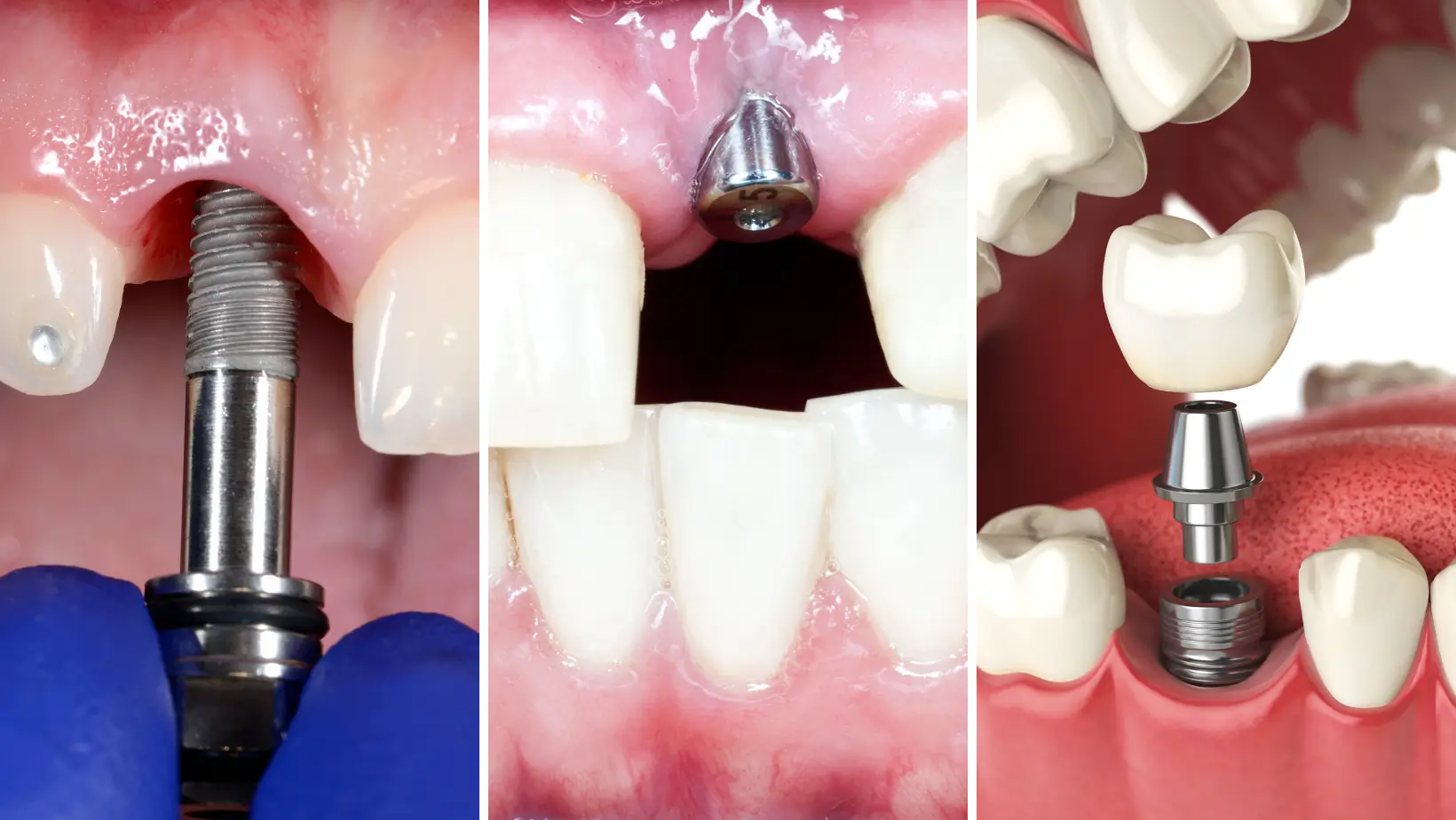
Start with a virtual consultation: Send your recent X‑rays or photos and discuss your goals by video call. A good clinic will outline likely steps, from initial assessment to implant placement and crown fitting. Expect a CBCT scan on arrival for final planning.
Understand the timeline: For many cases, implants are placed first and the final crown is fitted after osseointegration (usually 3–6 months). Some travelers do two trips: visit 1 for implants, visit 2 for crowns. If your bone quality and position are ideal, immediate or early loading may be possible, but your dentist will guide you. If you need bone grafting or sinus lift, factor in extra healing time.
Build your itinerary around check-ups: A common approach is to arrive in Bangkok, have your scan and placement, rest a few days, then enjoy a gentle holiday. Schedule a follow-up before you fly home to make sure all is healing nicely. If your second trip is for crowns, plan a shorter stay with a few appointments spread over several days.
Best time to travel: The cool, dry season (roughly November to February) is comfortable for recovery and sightseeing. If you come in the hot or rainy season, book air‑conditioned accommodation and plan indoor activities for the first days.
Recovery and aftercare, the Thai way
Give yourself the first 48 hours to t
ake it easy—sabai-sabai. Keep your head elevated, use ice packs as advised, and take your medication on time. Avoid alcohol and smoking (they slow healing), and go light on chili and very hot soups early on, even though Thai food is tempting.
Soft, non-spicy choices are your friend:
- Jok (rice porridge) with a soft egg or minced chicken
- Khao tom (rice soup) with fish or tofu
- Smoothies, yogurt, and fresh fruit (avoid seeds that can get lodged)
- Steamed fish, tofu, and soft vegetables
Brush gently with a soft brush away from the surgical area at first, then follow your dentist’s instructions for rinsing. Skip heavy exercise, diving, Muay Thai, and massages around the face for at least a week. If you’re heading to the islands, schedule beach time after stitch removal and early healing, and be mindful with spicy seafood and crunchy snacks.
Where to go for treatment and downtime
Bangkok: For the widest choice of implant specialists and advanced tech, Bangkok is the hub. Staying near Sukhumvit or Silom puts you close to clinics, BTS/MRT, malls, and international food options—very convenient when you’re on a soft diet.
Chiang Mai: Cooler weather in the cool season, laid-back vibes, and reputable clinics make it a good recovery base. Enjoy cafes, temples, and gentle walks once you’re comfortable.
Phuket and Pattaya: Both offer experienced dental centers and beach time. Consider scheduling your main surgery in Bangkok, then unwinding in Phuket or Pattaya after your initial check, or choose a clinic in these cities if you want to keep everything in one place.
Budgeting with transparency
Ask for an itemized quote so you know what’s included:
- Implant brand and model
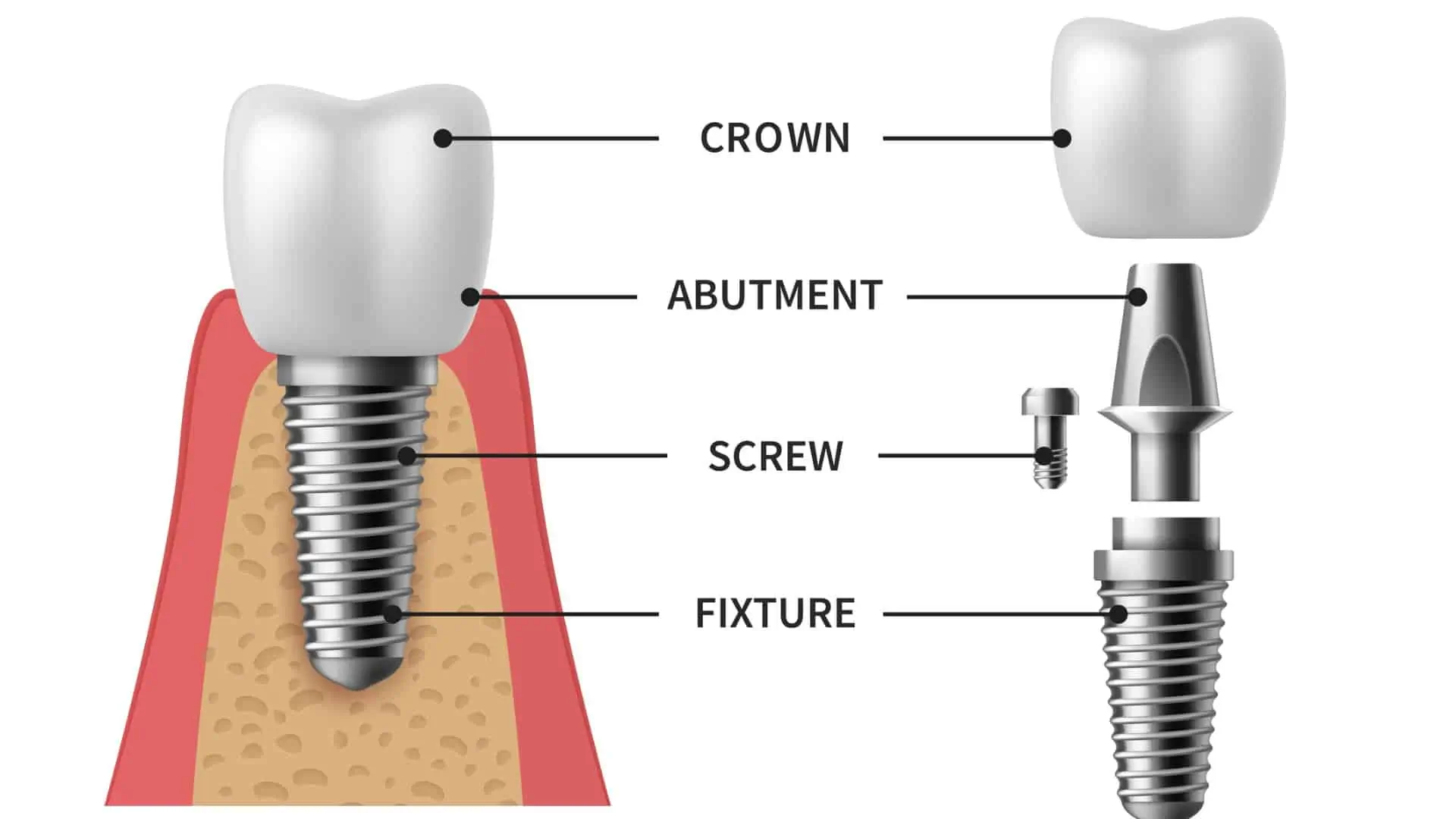
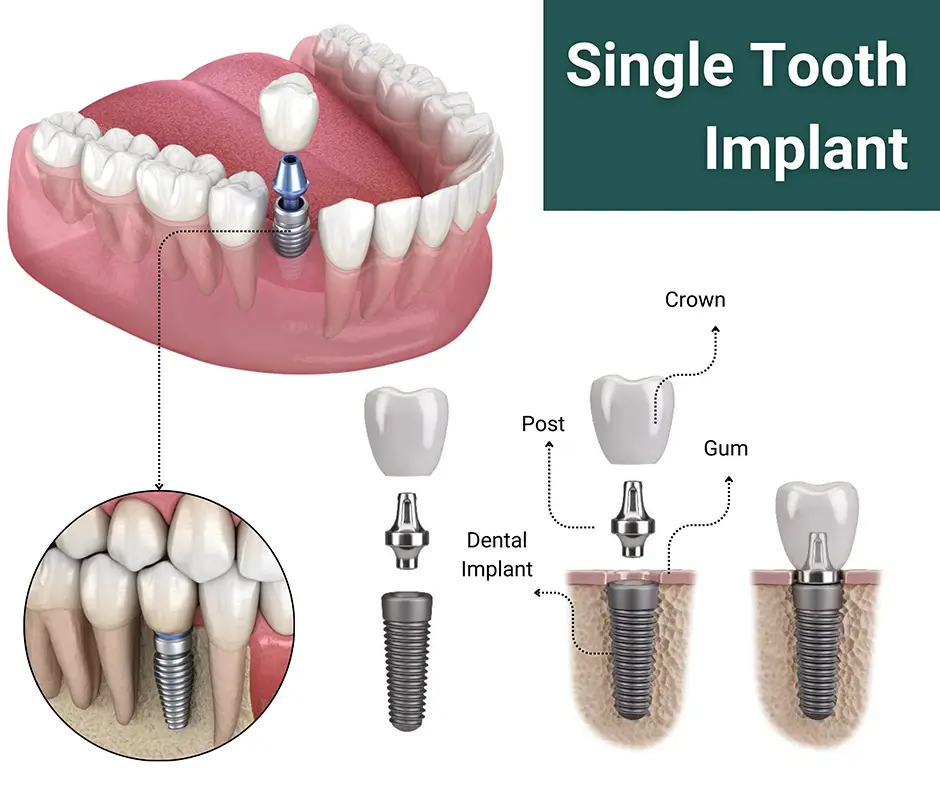
- Abutment and crown type (zirconia, porcelain-fused-to-metal, etc.)
- CBCT and any pre‑op tests
- Bone grafting or sinus lift if needed
- Sedation fees (if any)
- Medications and follow‑up visits
- Warranty terms on the implant and crown
Confirm payment options (credit cards are widely accepted) and whether quotes include taxes. Keep receipts for any medication if you’ll carry it through airport security. A travel insurance plan with medical coverage is a good idea, and if you’re coming from a visa‑exempt country, the usual 30‑day entry is often enough for a straightforward implant trip.
A sample short-stay flow
Day 1: Arrival, rest, light dinner, early night.
Day 2: Clinic consultation, CBCT scan, treatment plan, pre‑op cleaning if needed.
Day 3: Implant placement, then back to your hotel to rest.
Day 4–5: Recovery days with soft foods and short walks; maybe a gentle temple visit or a cafe afternoon.
Day 6: Follow-up check. If all good, enjoy a mild outing or a spa foot massage (avoid face and hot saunas).
Day 7: Final check or travel onwards.
If you’re returning for the crown in a few months, that second visit is typically shorter with fewer restrictions.
Final tips for a smooth experience
Choose accommodation near your clinic or a BTS/MRT line to skip traffic after surgery. Request a room with room service for easy meals. Bring a soft-bristle toothbrush and a travel pillow to sleep slightly elevated. Keep your dentist’s number handy on LINE or WhatsApp. And don’t hesitate to ask questions—Thai teams are known for warm, attentive care.
Blending health and holiday in Thailand is all about balance: solid clinical work, clear planning, and a relaxed itinerary. With the right clinic and a “mai pen rai” mindset, you can enjoy the sanuk of travel and come home with a confident, lasting smile.