Thailand Dental Implant Experience for Patients Seeking Permanent Teeth
Thailand Dental Implant Experience for Patients Seeking Permanent Teeth
If you’ve been thinking about dental implants and also fancy a trip to the Land of Smiles, Thailand is one of the most practical places to make it happen. The country has a strong reputation for dental care that feels sabai sabai—calm, professional, and well-organised—without the premium price tag many people face at home. For patients seeking permanent teeth, the Thailand dental implant experience blends modern technology, skilled specialists, and warm hospitality into a journey that’s efficient and surprisingly comfortable.
Why Thailand for dental implants
- Quality and training: Many Thai dentists complete postgraduate training in implant dentistry, prosthodontics, or oral and maxillofacial surgery. It’s common to meet English-speaking dentists who’ve trained abroad and keep up with international standards.
- Technology: Clinics in Bangkok, Phuket, and Chiang Mai frequently use CBCT scans, digital planning, 3D-printed surgical guides, and well-known implant systems such as Straumann or Nobel Biocare.
- Value for money: You’ll often find that a single implant and crown in Thailand costs noticeably less than in Western countries, even after flights and accommodation are factored in.
- Convenience: With clinics located near BTS/MRT stations, major hospitals, and tourist-friendly areas, it’s easy to combine treatment with a short holiday or a relaxed recovery.
Understanding the implant option
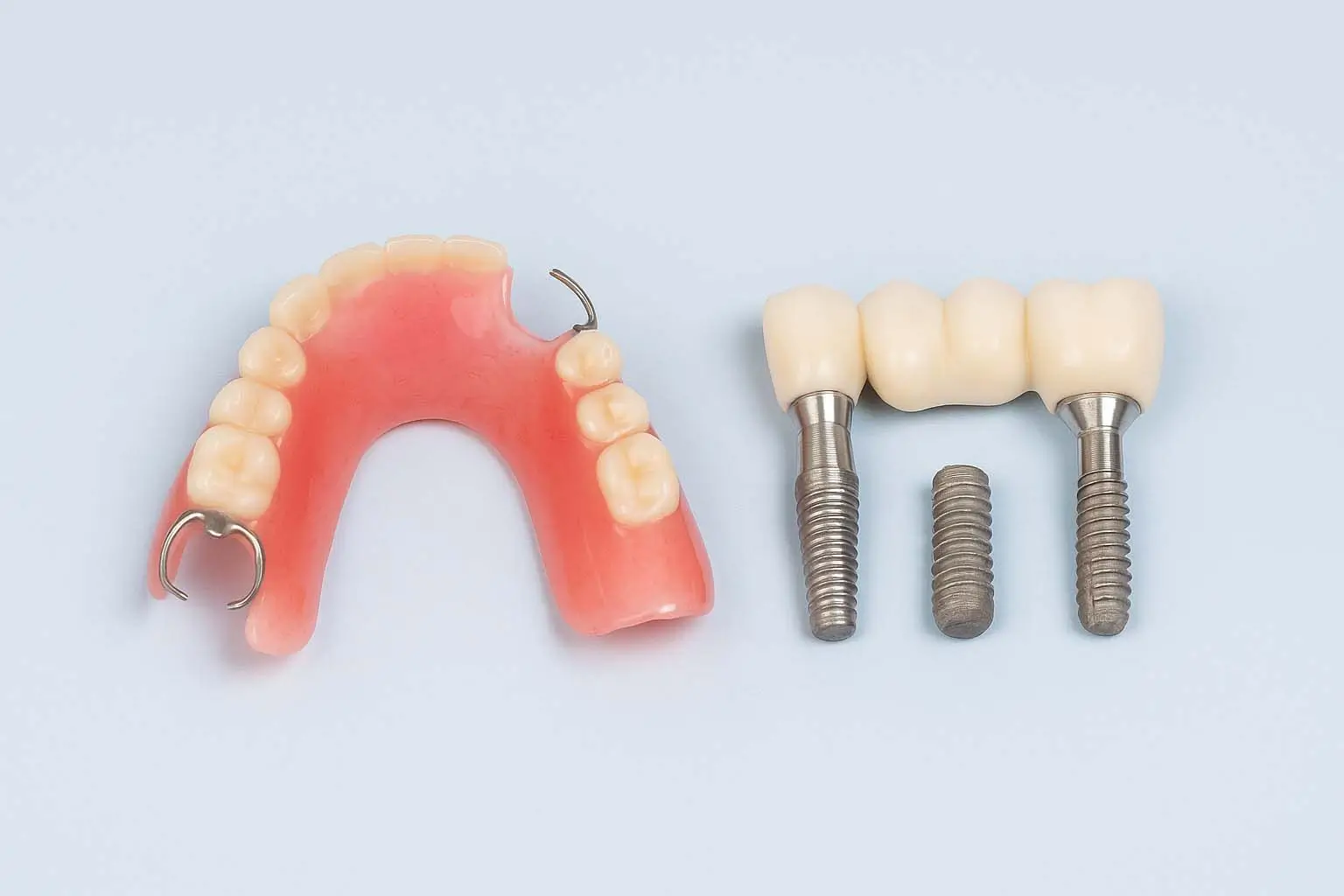
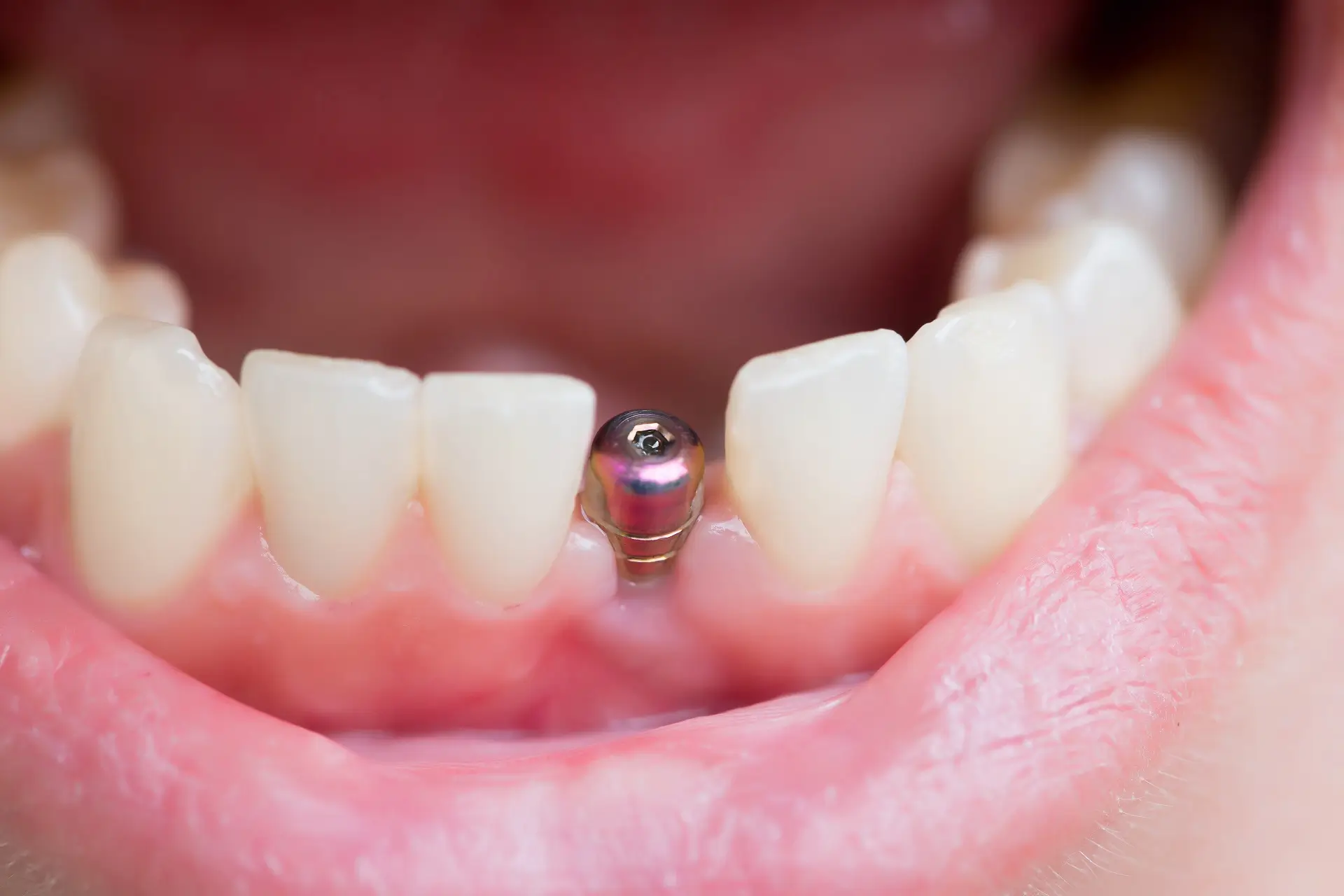
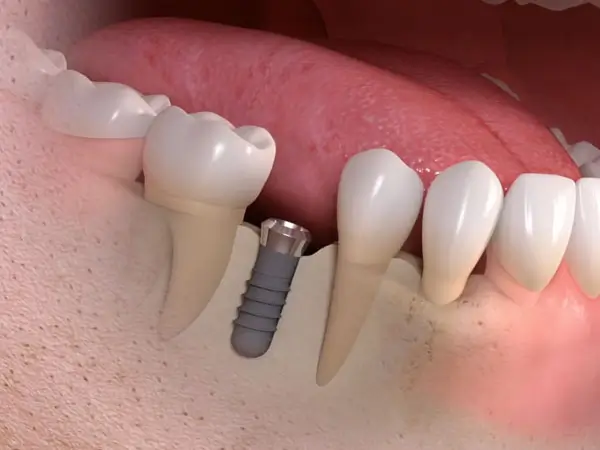
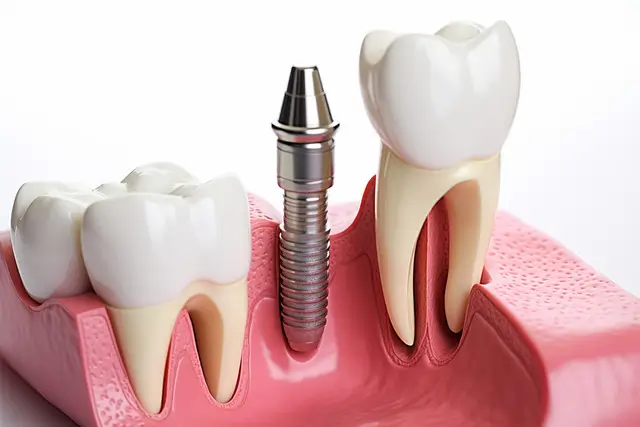
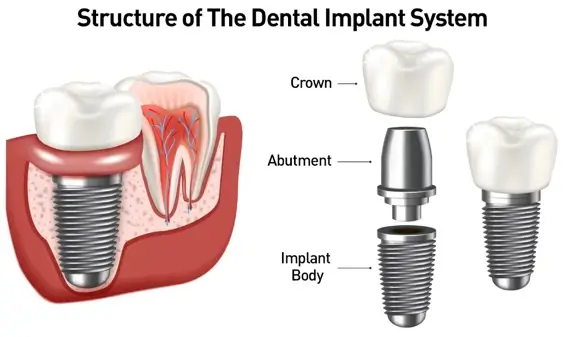
A dental implant is a titanium post placed into the jawbone to act like a natural tooth root. After healing (osseointegration), a custom-made crown, bridge, or full-arch prosthesis is attached. Common options include:
- Single-tooth implant to replace one missing tooth.
- Multiple implants with bridgework for several missing teeth.
- All-on-4 or full-arch solutions for patients who need a complete set of permanent teeth on one jaw.
What your journey looks like
1) Consultation and planning
Your first visit usually includes an oral exam, digital X-rays, and a CBCT scan. Expect a clear chat about goals, bone quality, and timelines. If you’re a short-stay visitor, many clinics offer pre-arranged consults via email or video call to review records and set realistic expectations. You’ll receive a treatment plan covering fees, number of visits, healing periods, and any additional procedures like bone grafting or a sinus lift (often needed for upper molars with low bone height).
2) Implant placement
On surgery day, local anaesthesia keeps the area numb; sedation is available at many clinics for anxious patients. Using guided surgery, the dentist places the implant accurately to protect nerves and sinuses. The procedure is usually done within 30–90 minutes per implant. Most patients are pleasantly surprised: the pressure feels strange, but pain is minimal during the procedure.
3) Healing period
Osseointegration takes time—typically 3 to 6 months. If your case is suitable, an immediate temporary tooth may be fitted for aesthetics the same day. For full-arch cases like All-on-4, a fixed provisional bridge can often be placed within 24–72 hours. During healing, some clinics provide check-ins or coordinate with your local dentist at home.
4) Final restoration
When the implant is solidly integrated, you return for impressions and fitting of your permanent crown, bridge, or full-arch prosthesis. Digital scanning ensures a precise bite and natural look. The final result should feel like your own teeth—stable, strong, and comfortable.
Comfort, pain control, and downtime
After surgery, mild soreness and swelling are normal for a few days. Ice packs, prescrib
ed pain relief, and antibiotics (if indicated) keep things under control. Most patients feel ready to explore a little—mai pen rai, take it easy—within 24–48 hours. Avoid heavy exercise and alcohol for a few days, and stick to soft foods. In Thailand, it’s easy to find gentle options like jok (rice porridge), soft tofu, steamed fish, noodle soups (not too hot), and smoothies; skip very spicy dishes and sticky rice near the surgery site during the first week.
Budget and value
Prices vary by clinic, brand, and case complexity, but many visitors find:
- Single implant with crown: often in the range of tens of thousands of baht rather than six-figure sums you might see elsewhere.
- Full-arch solutions: a significant investment, but still typically lower than equivalent treatment in Western countries.
Always request a detailed quote, including scans, surgery, abutment, and crown. Ask about warranty policies on both the implant and the prosthetic work.
How long to stay
- Single implants without bone graft: plan 3–7 days for surgery and early follow-up, then return after 3–6 months for the final crown (usually 5–10 days).
- With bone grafting: consider a longer initial stay and a slightly extended healing timeline.
- All-on-4/full-arch: the first visit can be 7–14 days for extractions, implants, and provisional teeth, with a second visit a few months later for the final set.
Choosing the right clinic
- Credentials: Look for licensed specialists (e.g., prosthodontists, oral surgeons) and clinics with ISO standards or international affiliations. Reputable clinics are transparent about sterilisation, implant brands, and lab partners.
- Communication: Clear English, detailed treatment plans, and quick response times are good signs.
- Technology: 3D CBCT, guided surgery, and digital impressions improve accuracy and comfort.
- Location: In Bangkok, clinics near BTS/MRT (Asok, Phrom Phong, Sala Daeng, Phaya Thai) are convenient. Phuket, Pattaya, and Chiang Mai also have established dental centres with easy access.
- Support services: Many clinics help with hotel recommendations, airport transfers, or follow-up scheduling.
Travel and lifestyle tips
- Accommodation: Choose a hotel close to the clinic; a quiet soi near a BTS station makes it easier post-surgery.
- Food: Plan a soft-food list ahead of time. Thailand’s supermarkets and night markets offer plenty of gentle bites—just avoid very hot temperature foods and strong spices for a few days.
- Hygiene: Use bottled water to rinse if advised, follow your dentist’s mouthwash and brushing instructions, and keep the surgical area clean but not disturbed.
- Follow-up: If you’re flying soon after surgery, ask about timing and any air travel precautions.
Keeping your new teeth healthy
Implants thrive with good home care. Brush twice a day with a soft brush, floss or use interdental brushes around the implant, and consider a water flosser for bridges or full-arch work. Schedule professional cleanings and annual checks—many patients combine check-ups with a short Thailand getaway. If you grind your teeth, a night guard can protect your new investment.
A final word
The Thailand dental implant experience is designed to be friendly, efficient, and results-focused. With thoughtful planning, you can come for a precise consultation, enjoy a smooth surgery, and return home confident that permanent teeth are on the way. Add in the welcoming service, modern clinics, and the country’s easygoing vibe, and you’ll understand why so many patients say khop khun ka/krub to Thailand for giving them back their smile.