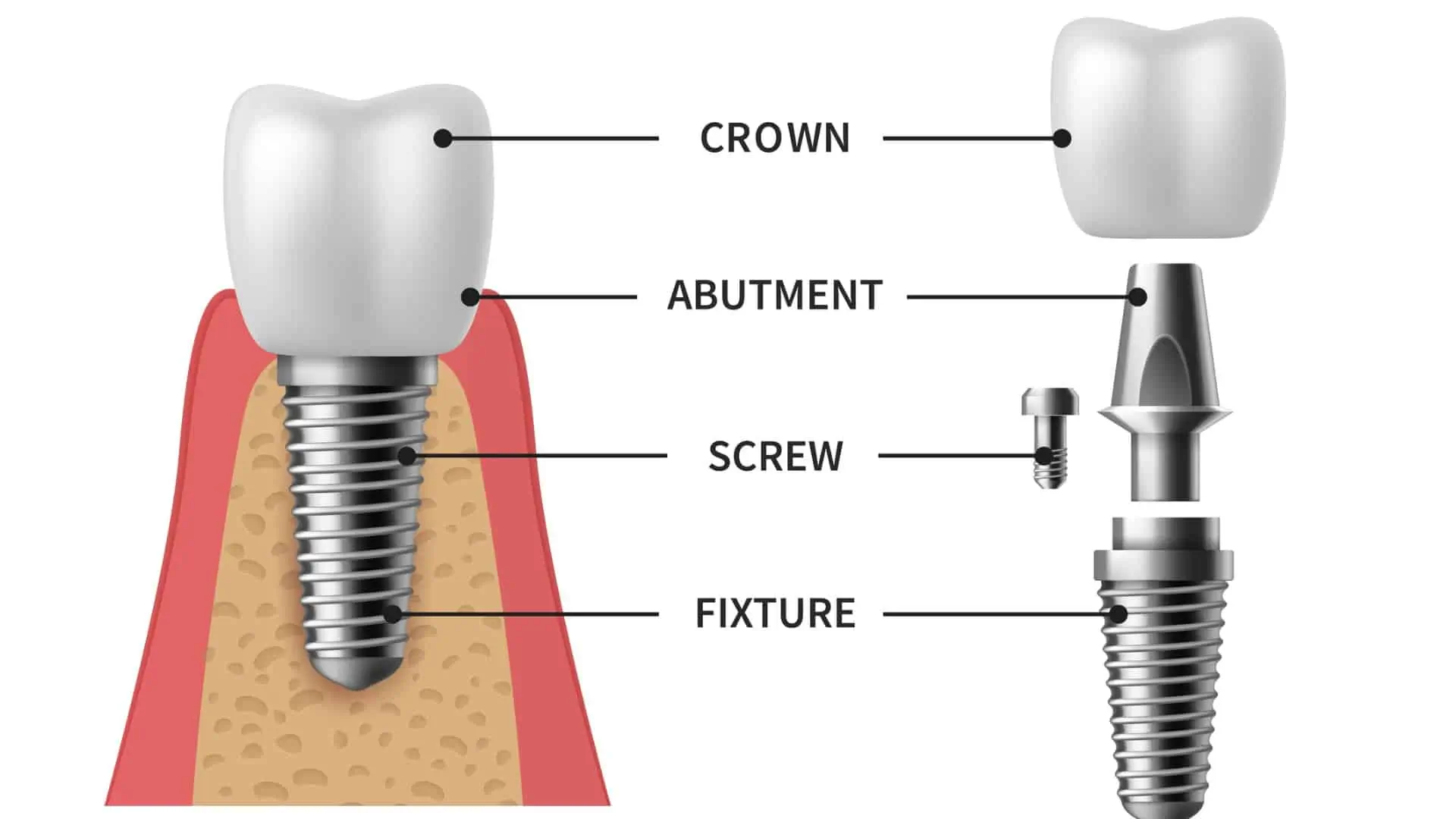
Why Dental Tourists Travel to Thailand for Dental Implant Services
Why Dental Tourists Travel to Thailand for Dental Implant Services
If you’ve heard friends raving about getting dental implants in the Land of Smiles and wondered why Thailand keeps popping up, you’re not alone. Thailand has built a solid reputation for world-class smiles at friendly prices, and the experience—sabai-sabai, no stress, with a “mai pen rai” attitude—makes the journey feel more like a holiday than a hospital trip. Here’s a closer look at why dental tourists fly to Bangkok, Phuket, and beyond for dental implant services.
The cost-quality balance that’s hard to beat
Let’s be straight: price is a big pull. In many Western countries, a single implant with crown can set you back several thousand dollars. In Thailand, reputable clinics often quote from around USD 1,200–2,000 per implant (case dependent), and full-arch solutions like All-on-4 can start from roughly USD 8,000–12,000 per arch, depending on brand, bone grafting, and lab work. The surprise for many is that the lower cost does not mean cutting corners. Lower operating expenses and a competitive private healthcare market allow clinics to invest in top-tier tech while keeping fees reasonable.
Modern technology and strict hygiene standards
Walk into a leading dental clinic in Bangkok or Phuket and you’ll see digital dentistry front and center. Expect 3D CBCT scans for precise planning, guided surgery kits, intraoral scanners, and CAD/CAM milling for accurate restorations. Many clinics use global implant brands like Straumann and Nobel Biocare, with components easy to service back home.
Worried about cleanliness? Thai private clinics are meticulous with sterilization—think Class B autoclaves, sealed instrument tracking, and strict infection control protocols. Large hospitals like Bumrungrad and Bangkok Hospital carry international accreditations, and standalone dental centers often adhere to ISO standards. Safety is not a “same same” issue—it’s first priority.
Dentists who speak your language
Communication can make or break a medical trip. Thailand’s implant dentists often train abroad—Australia, the UK, the US—or complete international fellowships. You’ll find English widely spoken at reception and chairside, with clear, itemized treatment plans and before-and-after images. Expect transparent quotes, written consent forms, and a friendly, patient approach. If you need a little extra reassurance, just say—you’ll likely hear, “No worries, we’ll take care of you.”
A realistic treatment timeline for travelers
Implants aren’t a one-visit fix, and Thai clinics know how to plan around a flight schedule. Common pathways include:
- Two-trip plan: First visit (5–10 days) for scans, planning, any extractions, bone grafts if needed, and implant placement with a temporary solution. Then a healing phase of 3–6 months for osseointegration. Second visit (5–10 days) for impressions and final crowns or bridges.
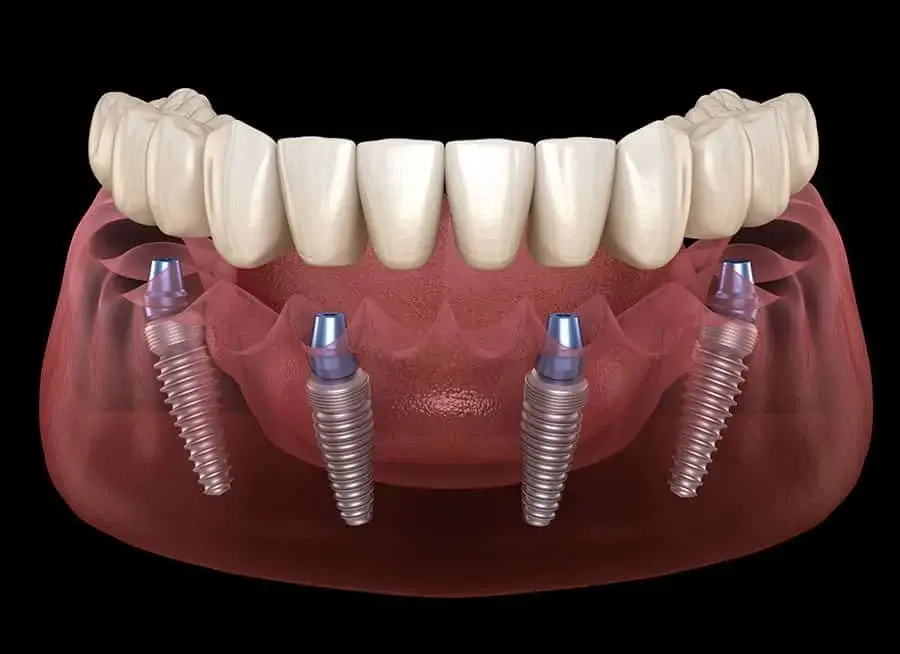
- Immediate-load cases: For select patients with good bone, some clinics can place a temporary fixed bridge on the same trip (e.g., All-on-4). You still return later for the final prosthesis once the implants settle.
Most clinics coordinate via email or WhatsApp before you fly. Share any x-rays you have; they’ll advise if you need to extend your stay, especially if grafting is likely.
Recovery that fits a relaxed Thailand pace
After surgery, plan to take it easy. Soft foods are your friend—th
ink jok (rice porridge), smoothies, soft tofu, ripe mango, and soups. Avoid smoking, drinking alcohol, spicy heat on day one, and swimming or heavy workouts for several days. Many travelers choose a hotel near the clinic or BTS Skytrain for easy check-ins. A 7–10 day window post-implant lets your dentist monitor healing and adjust your bite if needed. With the Thai “sabai” pace, you can rest without feeling like you’re wasting a holiday.
Bangkok, Phuket, Chiang Mai—where to go?
- Bangkok: The biggest selection of clinics, dental labs, and specialists, often with shorter lab turnaround. Convenient public transport (BTS/MRT), top-tier hospitals, and a wide range of hotels on every soi. Ideal if you want choice and speed.
- Phuket: Great for those wanting beach vibes with dental care. Fewer clinics than Bangkok but still strong options, and a very comfortable recovery setting near Patong, Kata, or Laguna.
- Chiang Mai: A calmer, cultural city with respected clinics, boutique hotels, and cooler weather during the high season.
How to choose the right clinic
Do a little homework so you can go “mai pen rai” once you’re here:
- Check dentist credentials and specialties (implantology, prosthodontics, oral surgery).
- Ask which implant systems they use and about component availability in your home country.
- Request a written treatment plan, brand details, and a total cost estimate, including scans, sedation if needed, provisional teeth, and final prosthetics.
- Look for on-site CBCT and digital workflows to reduce visits.
- Check warranty terms for implants and crowns, and aftercare policy.
- Read recent reviews, not just star ratings; look for case photos and long-term follow-ups.
Travel and timing tips
- Visa and timing: Many nationalities get visa-exempt entry for up to 30 days; check current rules. High season (Nov–Feb) is pleasant but busier; book early.
- Flights and airports: Bangkok (BKK/DMK), Phuket (HKT), Chiang Mai (CNX) are well-connected.
- Payment: Clinics accept major credit cards; some offer package pricing. Keep receipts for insurance or tax purposes if applicable.
- Comfort: Choose accommodation with elevators and quiet rooms; you won’t feel like bargaining in the markets right after surgery.
- Support: If you’re traveling solo, consider a friend to accompany you on surgery day. A Grab ride back to the hotel is easier than navigating public transport that day.
Is it safe?
With the right clinic, yes. Thailand’s dental professionals operate under the Dental Council of Thailand, and the private sector is highly competitive on quality. As with any medical procedure, there are risks—implant failure, infection, or the need for additional grafting—so treat the consultation seriously. A good clinic will tell you when immediate loading isn’t suitable or when a sinus lift is required. That honesty is a green flag.
The bottom line
Dental tourists choose Thailand because the equation works: international-standard care, modern tech, empathetic dentists, and prices that make a full smile restoration achievable. Add warm hospitality, efficient scheduling, and a little sunshine, and you have a dental journey that feels less clinical and more like a well-planned trip. If a confident bite and a photo-ready grin are on your to-do list, Thailand is ready—no rush, sabai-sabai, and done properly.