Thailand Dental Implant Guide Explaining Why Tourists Choose Thailand
Thailand Dental Implant Guide Explaining Why Tourists Choose Thailand
Sawasdee and welcome to a practical guide on why so many travelers fly to the Land of Smiles for dental implants. If you’ve heard friends say “Thailand is value for money” or “no worries, the doctors speak English,” they’re not exaggerating. Thailand combines international-standard dentistry, friendly service, and wallet-friendly pricing in a way that’s hard to beat. Here’s the full picture, straight and simple.
Why Thailand stands out for dental implants
- International standards: Top clinics in Bangkok, Phuket, and Chiang Mai run with strict infection control, digital planning, and proven implant systems. Many dentists are specialists (prosthodontists or oral surgeons) with training or board certifications from the UK, US, Australia, or Japan.
- Modern tech, gentle hands: Expect CBCT 3D scans, guided surgery, and CAD/CAM crowns. The workflow is fast, organized, and very “service mind,” a Thai way to say customer-first.
- Easy communication: English is widely spoken in medical settings, with treatment coordinators who explain costs, timelines, and aftercare clearly.
- Value for money: Prices are often 50–70% lower than in the US, Canada, Australia, or Western Europe, while quality remains high. It’s not “cheap-cheap” — it’s good value.
Typical dental implant costs in Thailand
Costs vary by brand, case complexity, and clinic location, but here’s a realistic range to help you budget:
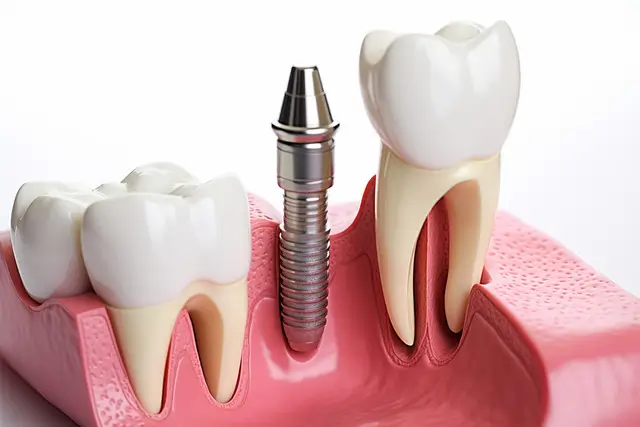
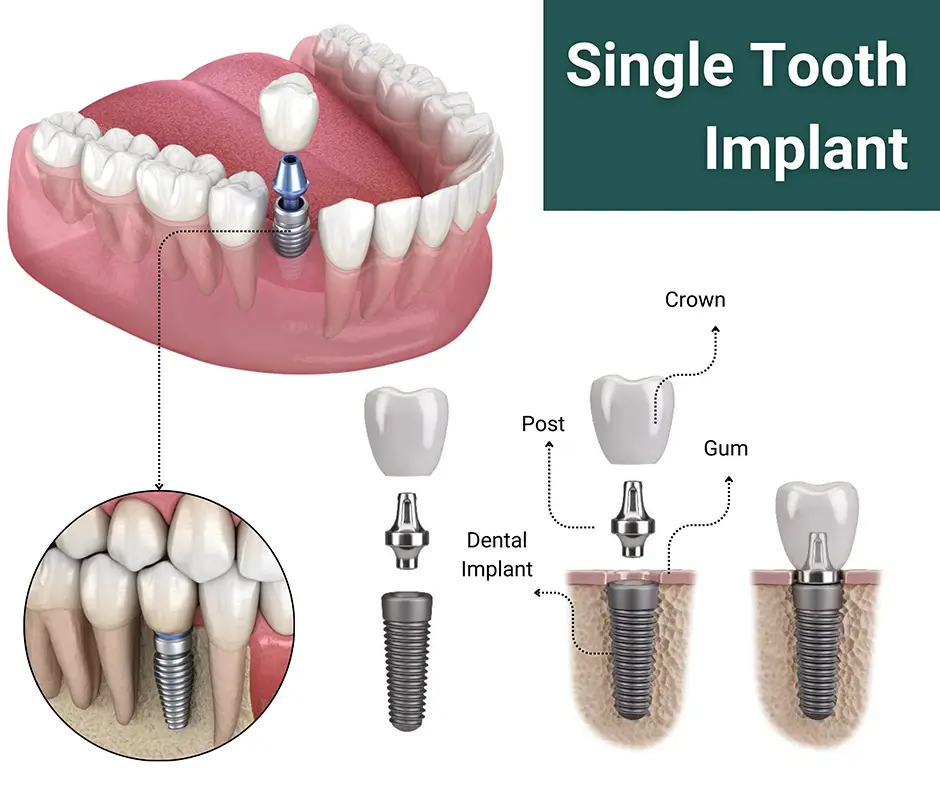
- Single-tooth implant (implant + abutment + crown): roughly 60,000–90,000 THB (about USD 1,700–2,500). Premium brands and zirconia crowns can push higher.
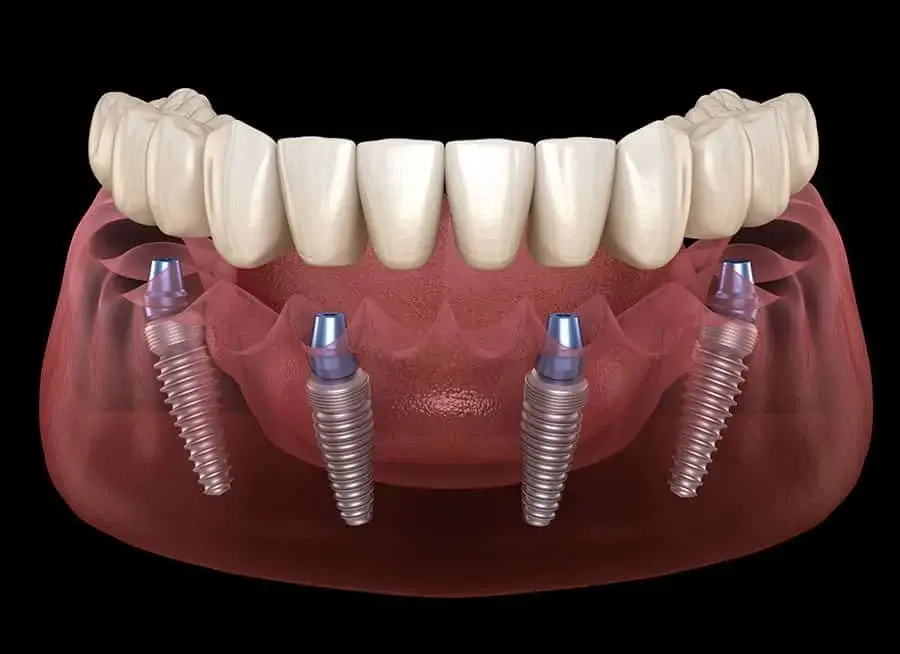
- All-on-4 or full-arch solutions: around 280,000–450,000 THB per arch (about USD 7,800–12,500), depending on materials and whether grafting is needed.
- Bone graft or sinus lift (if needed): add 10,000–40,000 THB+.
Most reputable clinics provide an all-in price before you proceed — no hidden surprises, very “no worries.” Always compare what’s included: scans, surgery, temporary teeth, final crowns/bridges, and follow-ups.
Common procedures tourists book
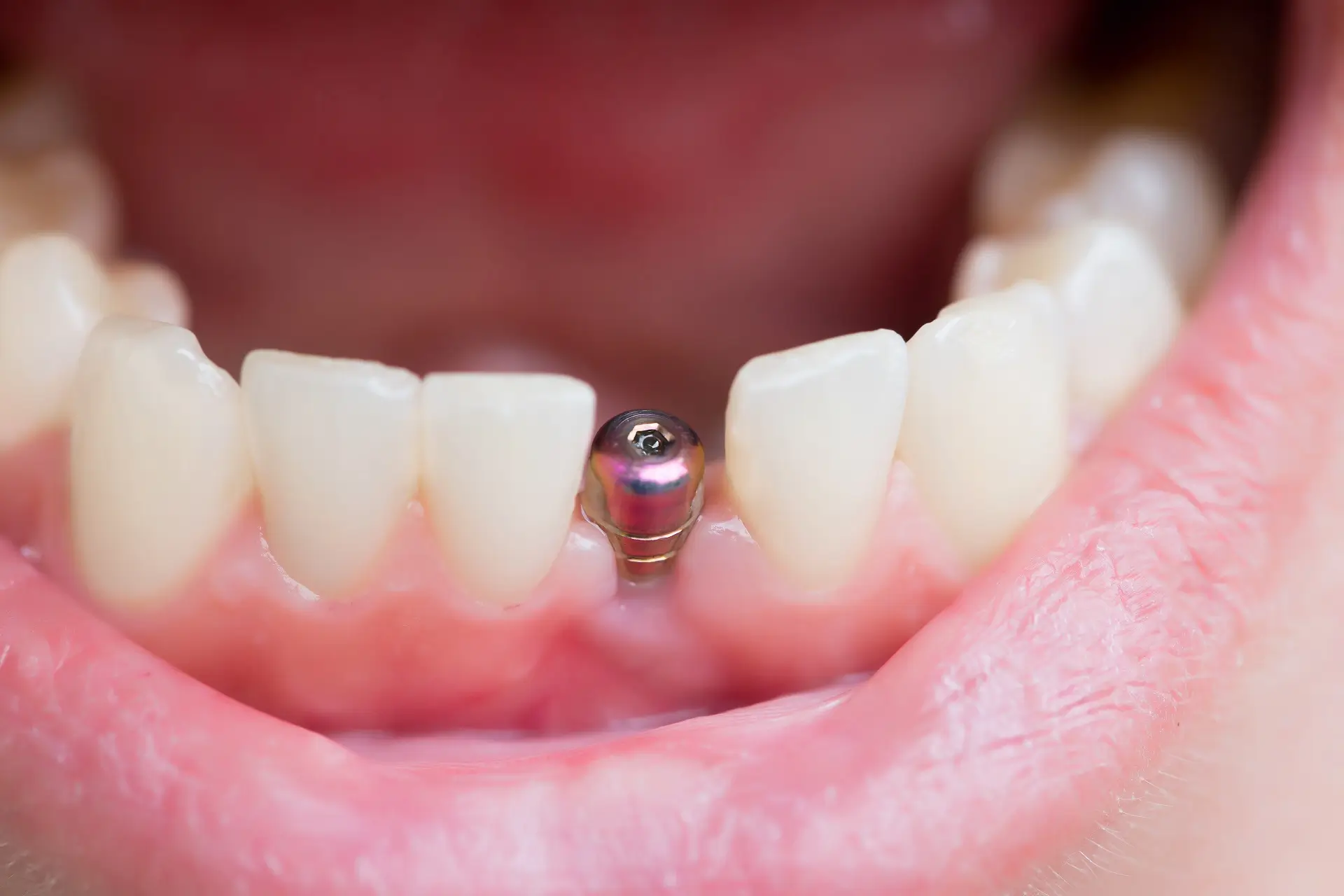
- Single implant for a missing tooth, especially premolar or molar areas.
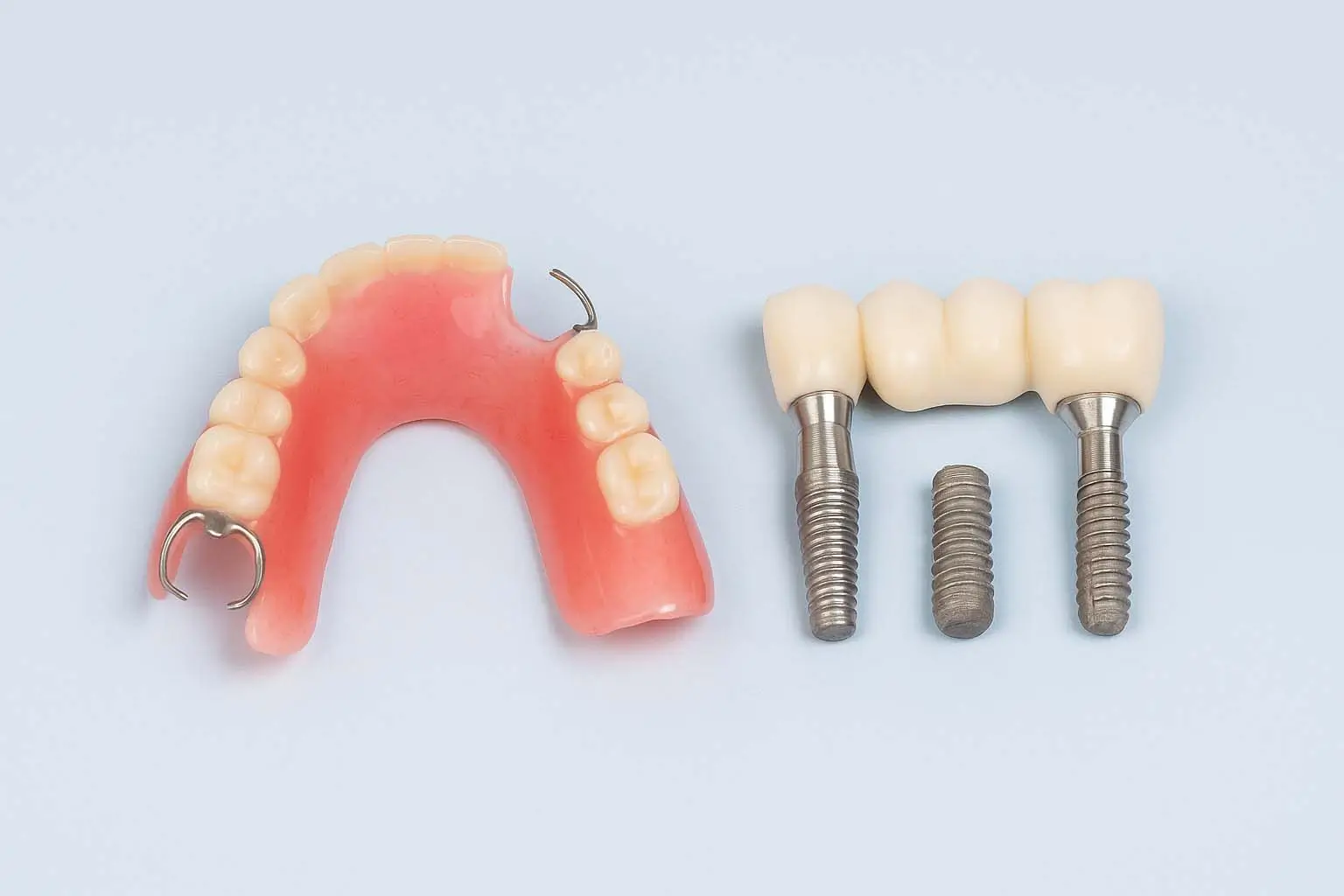
- Multiple implants for bridges where several teeth are missing.
- All-on-4 / All-on-6 for full-arch restoration, often chosen by travelers who want to replace dentures with fixed teeth.
- Grafting and sinus lifts when bone is thin, handled routinely in specialist clinics.
What the treatment timeline looks like
The usual journey fits well with holiday schedules:
1) First visit (about 5–10 days): Consultation, 3D scan, treatment planning, and implant placement. If you’re also doing extractions or grafting, it may be done in the same trip. You’ll leave with sutures and clear instructions; many clinics provide medication and a gentle “sabai sabai” approach to care.
2) Healing phase (3–6 months): Osseointegration (the implant fusing to bone). You go home and live normally. Some same-day or immediate-load cases are possible, but only when bone conditions are suitable.
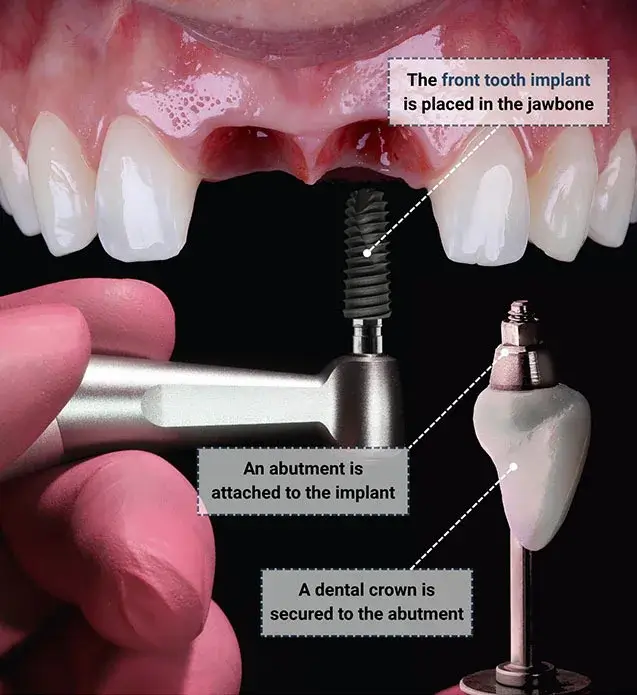
3) Second visit (about 5–10 days): Abutment and crown fitting or installation of the final full-arch bridge.
If you need only crown fitting on the second visit, some clinics can do it in as little as 3–5 working days thanks to in-house labs.
How to choose a trustworthy clinic
- Check the dentist’s specialty (prosthodontics, oral surgery, periodontics) and international training.
- Ask about implant brands (e.g., Straumann, Nobel Biocare, Neodent, MegaGen) and warranty policies for components and work.
- Confirm the use of CBCT, digital planning, and guided surgery for complex cases.
- Read reviews from expats and international patients; look for detailed stories, not just “good service.”
- Ask for a written plan: diagnosis, steps, timeline, and transparent costs.
Bangkok dental implant clinics around Sukhumvit, Silom, and Sathorn are popular for convenience near BTS/MRT. Phuket and Pattaya have strong options for beach-and-treatment trips, while Chiang Mai offers a calmer vibe with experienced teams.
What recovery feels like
After implant placement, expect mild swelling or soreness for a few days — much like a standard extraction. Pain control is straightforward with prescribed meds and cold compresses. You’ll be advised to take it easy, avoid strenuous exercise and alcohol for a few days, and go soft on foods. Thai food lovers: you can still enjoy the cuisine — just say “no chili please” and choose soft rice, soups, and grilled fish without spice during the early healing. Mouth rinses and follow-up checks are standard. Most travelers are back to casual sightseeing in 48–72 hours.
Travel and logistics tips
- Flights and hubs: Bangkok (BKK/DMK) is the main hub, with direct connections worldwide. Phuket (HKT) is ideal if you prefer beach time between appointments.
- Where to stay: Choose accommodation close to your clinic or along the BTS/MRT in Bangkok to skip traffic stress. Clinics often help with hotel suggestions and transport.
- Visa basics: Many passports receive 30–60 days visa-free or visa-on-arrival. Rules can change, so do a quick check before booking.
- Payment and insurance: Major credit cards are widely accepted; some clinics offer installment plans. International medical insurance rarely covers implants, but you can request detailed receipts for possible reimbursement under dental riders or employer benefits.
Safety, hygiene, and peace of mind
Thailand’s medical tourism sector is mature, with JCI-accredited hospitals and ISO-certified labs supporting dental clinics. Still, “same same, but different” applies: not all clinics operate at the same level. Avoid deals that look too good to be true, and prioritize clinics that show you before-and-after cases, 3D planning, and clear sterilization protocols. A credible clinic will happily explain risks, alternatives, and success rates in plain English.
Frequently asked questions at a glance
- Are Thai dental implants safe? Yes, when done by qualified specialists using reputable systems and proper planning.
- How long do I need to stay? First trip: 5–10 days. Second trip for final teeth: 3–10 days, depending on lab steps.
- Can I eat normally after? Soft foods for a few days; once healed and restored, you can enjoy a regular diet.
- Is there a warranty? Many clinics provide multi-year warranties for the crown/bridge and manufacturer warranties for the implant fixture. Ask for written terms.
Why tourists keep coming back
It’s the mix that wins: skilled dentists, modern tech, clear pricing, and a warm “mai pen rai” approach that eases nerves. Between appointments, you can explore temples, markets, and beaches — or just relax in a spa. For many, Thailand turns a dental need into a comfortable, well-organized experience with results that last.
Final takeaway
If you’re considering a Thailand dental implant, start by shortlisting clinics in Bangkok, Phuket, or Chiang Mai, request a treatment plan with costs and timeline, and set two travel windows around your healing period. With good planning and the right clinic, you’ll get international-standard care, friendly service, and strong value — all in one trip to the Land of Smiles.