Thailand Dental Implant Solutions for Travelers Seeking Better Value
Thailand Dental Implant Solutions for Travelers Seeking Better Value
If you have been comparing dental implant options and feeling a bit overwhelmed by the price back home, Thailand can be a very smart move. The Kingdom has built a solid reputation for dental tourism, blending internationally trained dentists, modern clinics, and friendly “mai pen rai” service with prices that feel much easier on the wallet. Whether you are in Bangkok for business, taking a beach break in Phuket, or exploring Chiang Mai, Thailand’s dental implant solutions offer better value without cutting corners on quality.
Why Thailand offers better value for implants
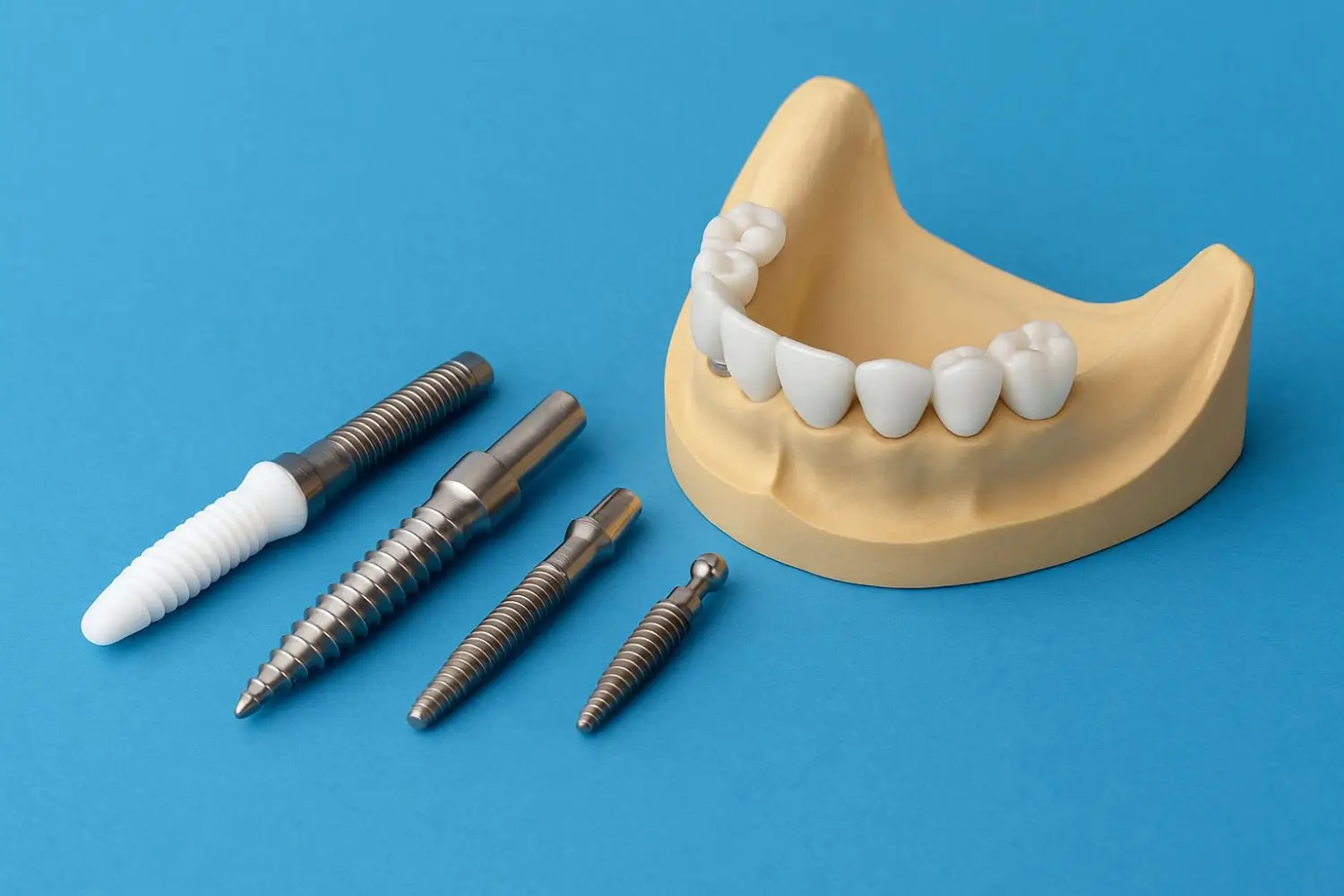
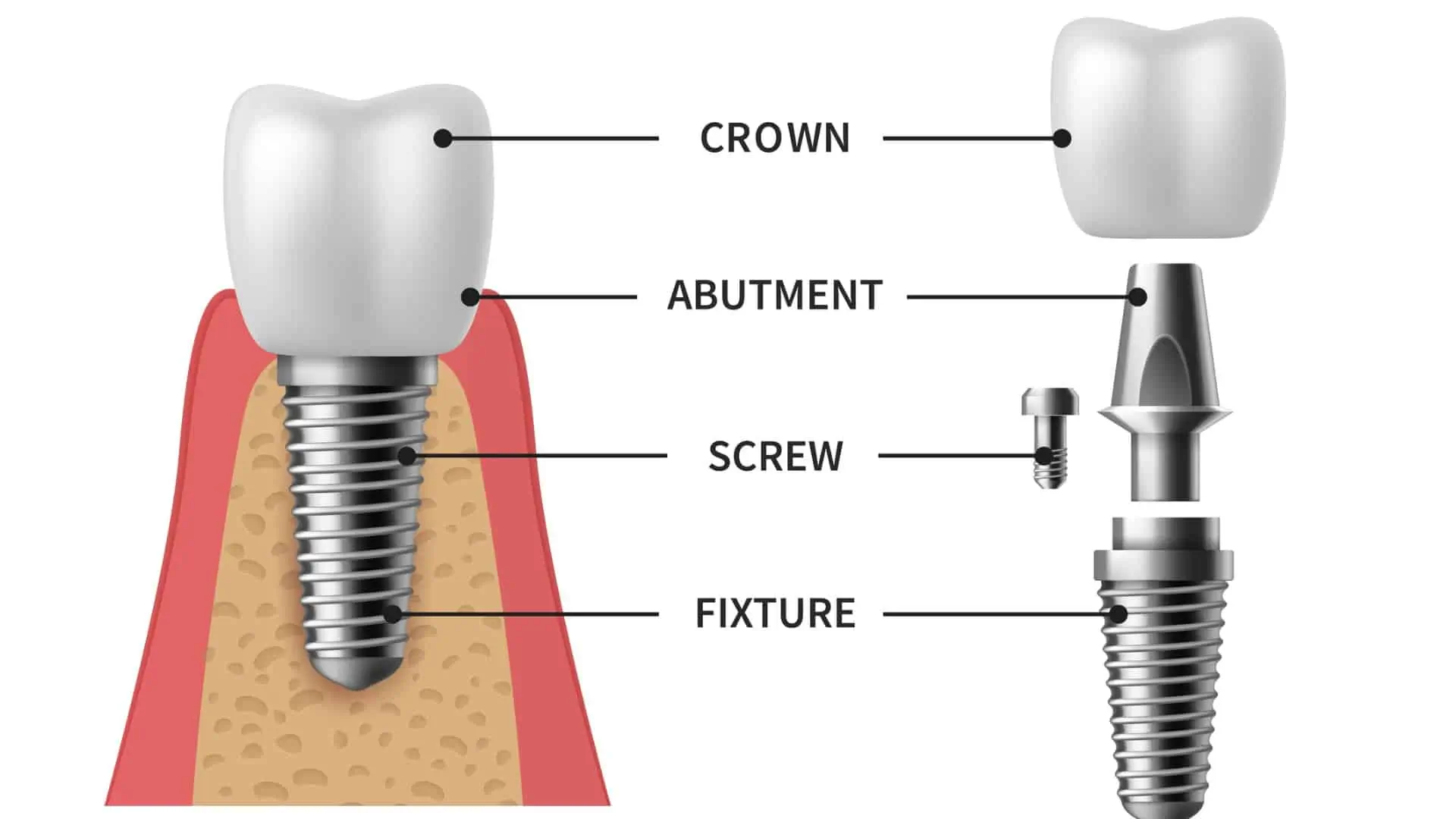
- Competitive pricing with top-grade materials: A single dental implant in Thailand typically comes in far below prices in the US, Australia, or Europe. While exact figures vary by case, brand, and clinic, you will often see quotes that include the implant, abutment, and crown at a significant saving. Reputable clinics use global brands such as Straumann or Nobel Biocare and work with high-quality labs using titanium or zirconia restorations.
- Experienced specialists: Many Thai implantologists hold international certifications or advanced training. English is widely spoken in leading clinics, so you can discuss treatment plans comfortably and clearly.
- Strong infection control and technology: Look for clinics that use CBCT scans, digital planning, and guided surgery. These help increase precision and shorten chair time. Sterilization protocols are strict and aligned with global standards, which is a key reason international patients come back year after year.
Who benefits from dental implants in Thailand
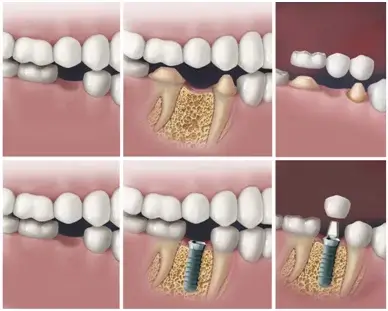
- Single missing tooth: A straightforward case that can often be planned digitally before you fly in.
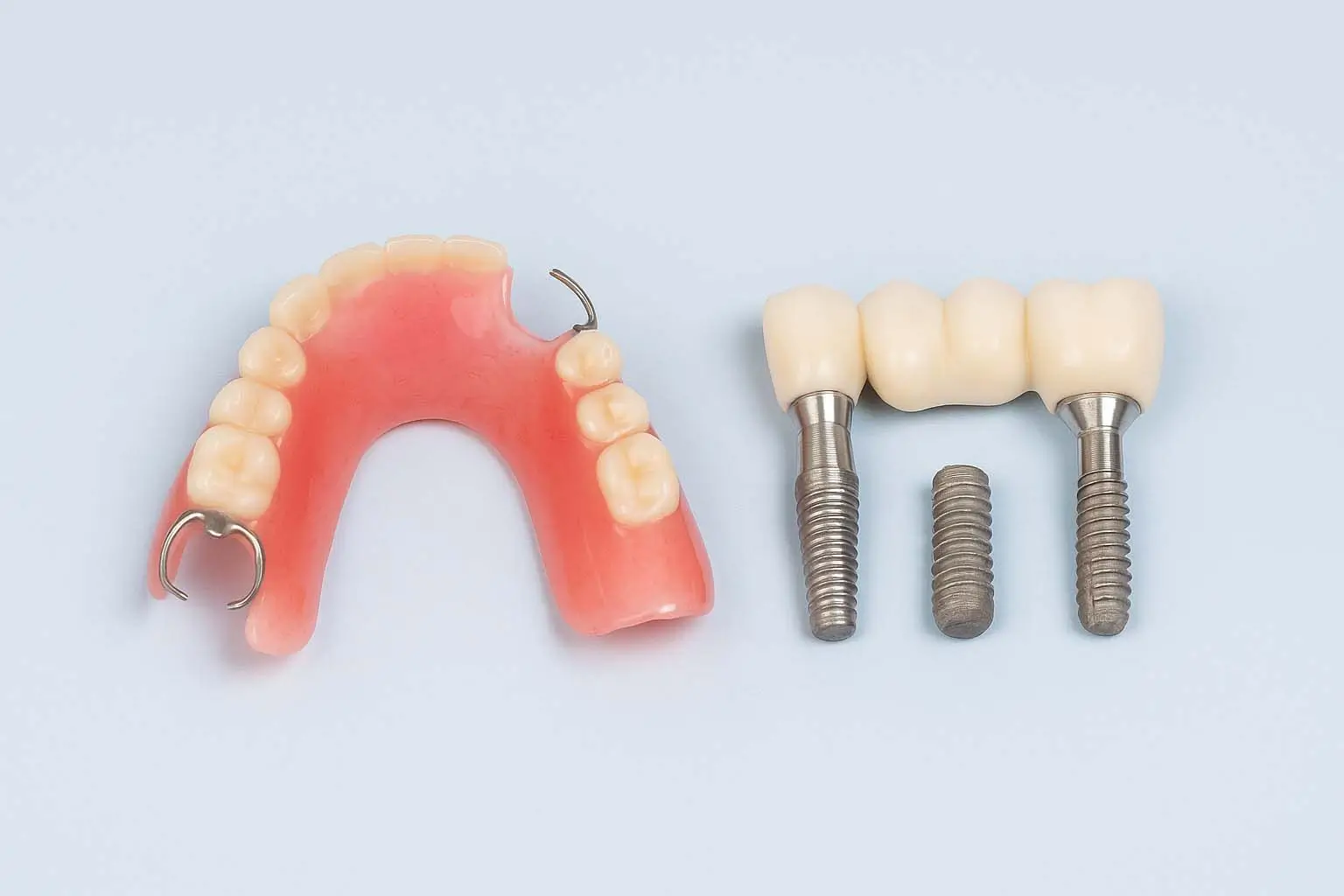
- Multiple missing teeth: Bridges supported by implants help avoid cutting down healthy neighboring teeth.
- Full-arch solutions: All-on-4 or All-on-6 are popular in Bangkok and Phuket for people seeking a stable, same day smile in selected cases. Not everyone is a candidate for immediate loading, so a proper assessment is a must.
What the treatment journey usually looks like
- Step 1: Online consultation and quote. Share your dental X-rays, medical history, and photos with the clinic. A good clinic gives you a provisional plan, estimated timeline, and a transparent quote that shows implant, abutment, crown, and any extras like bone grafting.
- Step 2: First visit to Thailand. Expect a clinical exam, CBCT scan, and final treatment plan. If suitable, implant placement can be done within a day or two. For immediate-load cases, a temporary prosthesis may be fitted. Otherwise, a healing period of about 3–6 months is common.
- Step 3: Healing time. You can fly home after a short recovery window. Keep in touch with your dentist via email or teleconsults if needed.
- Step 4: Second visit for final restorations. After osseointegration, you return for abutment placement and your final crown or bridge. Many travelers use this trip to enjoy a “sabai sabai” holiday while finishing treatment.
How to choose a clinic that fits your needs
- Check credentials and systems: Confirm the implant brands, the dentist’s training, and whether the clinic offers guided surgery. Ask how many implant cases they perform per month.
- Accreditation and hygiene: Some clinics are part of hospital networks or have international accreditations. Ask about sterilization protocols and to see their treatment rooms.
- Transparent quoting: A good quote breaks down implant, abutment, crown, bone grafts, sinus lifts, extractions, medication, and follow-up visits. Clarify if there are fees for scans, after-hours appointments, or lab rush.
- Warranty and follow-up: A
sk about coverage for implant components and timelines for maintenance. Many clinics offer a warranty if you attend recommended check-ups and keep good oral hygiene.
- Location and convenience: In Bangkok, staying near the BTS or MRT keeps travel easy. In Phuket or Chiang Mai, pick a clinic close to your accommodation to make post-op visits easier. Less commuting is just more “sanuk.”
Understanding costs without surprises
The “headline” price for dental implants usually covers the implant fixture and the surgical procedure. However, most patients also need:
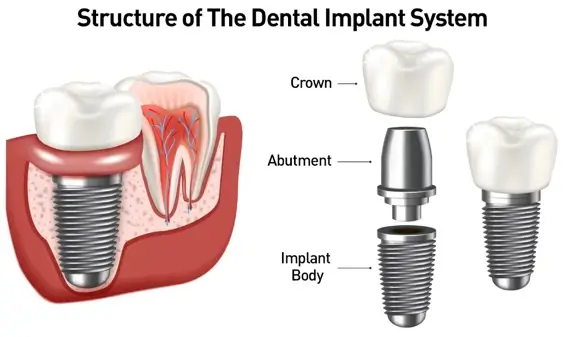
- Abutment and crown: Materials range from porcelain-fused-to-metal to full zirconia for strength and aesthetics.
- Imaging: CBCT scans help the team plan safely around nerves and sinuses.
- Bone graft or sinus lift: Only if needed for long-term stability.
- Sedation or anesthesia: Available for anxious patients at an additional fee.
If you have multiple missing teeth or need full-arch restorations, ask for a bundle price and how many visits are required. Make sure the plan includes provisional restorations if you need to look presentable at work or events between visits.
Practical travel tips for a smooth experience
- Timing: Avoid packing your schedule too tight. Give yourself a couple of rest days after surgery, especially for multiple implants or grafting.
- Accommodation: Choose a hotel or serviced apartment close to the clinic. Many clinics suggest nearby places with quiet rooms and easy elevator access.
- Food and drinks: After surgery, go for soft, cool foods. In Thailand, you can say “mai ped” to keep dishes less spicy while you heal. Hydrate well and avoid alcohol for the first few days.
- Daily needs: 7-Eleven is everywhere and handy for gauze, saline, and soft snacks. Your clinic will give you a post-op care pack, but it’s nice to have extras in the room.
- Paperwork and payment: Bring your treatment plan, any medical prescriptions, and ask in advance about payment methods. Major clinics accept cards and bank transfers. Keep receipts for your records.
- Visas and stay length: Most travelers can enter Thailand visa-free for short stays, but always check current rules for your passport before booking. Build in buffer days so you are not flying right after surgery.
What about pain and recovery
Modern implant surgery is typically more comfortable than people expect. Local anesthesia or light sedation is available, and post-op discomfort is usually manageable with prescribed medication and cold packs. Swelling peaks around day two or three and then settles. Follow your dentist’s instructions closely, rinse with saltwater as advised, and skip heavy workouts for a few days.
Are Thai dental implants safe
In reputable clinics, yes. Safety comes from proper planning, sterile technique, and the right materials. That is why due diligence matters. Read independent reviews, ask to see before-and-after cases, and confirm the clinic’s sterilization standards. A good team will happily answer your questions and will never rush you.
A final word for travelers seeking better value
Thailand’s dental implant solutions combine skilled clinicians, modern tech, and friendly service at prices that make sense. The experience is designed to be “sabai sabai” from consultation to final crown, with clear communication and careful follow-up. If you choose a clinic with strong credentials, plan your trip with a little breathing room, and stick to good aftercare, you can come home with a confident smile and money saved for your next holiday. Khob khun ka/krub for considering Thailand, and see you soon on the BTS or by the beach with a brighter, stronger bite.