Thailand Dental Implant Tourism Benefits for Better Oral Health
Thailand Dental Implant Tourism Benefits for Better Oral Health
Thinking about fixing your smile and taking a holiday at the same time? Thailand dental implant tourism has become a smart, sabai sabai choice for many international patients who want top-quality care, fair pricing in baht, and a smooth travel experience. With experienced implant dentists, modern clinics, and a welcoming “mai pen rai” attitude, the Land of Smiles offers clear benefits for better oral health without sacrificing comfort or safety.
Why Thailand is a solid choice for dental implants
- Quality and expertise: Major cities like Bangkok, Phuket, Chiang Mai, and Pattaya have clinics equipped with 3D CBCT imaging, guided surgery systems, and trusted implant brands such as Straumann and Nobel Biocare. Many dentists are board-certified by the Thai Dental Council, and some hold international training or residencies in implantology.
- International standards: Larger hospitals and dental centers follow strict sterilization protocols, with some holding ISO certifications and affiliations with international bodies. English-speaking teams and clear treatment plans make communication easy for farang patients.
- Value for money: While prices vary by case, a single implant with crown in Thailand often ranges around 50,000–90,000 THB. In comparison, similar treatment can cost two to three times more in Western countries. Some clinics offer all-in packages that include airport pickup and hotel support.
- Easy travel: Many nationalities receive visa-free entry for short stays. Flights into Bangkok or Phuket are frequent, and clinics are usually located near BTS/MRT stations or central sois, making appointments convenient.
Health benefits that go beyond a nice smile
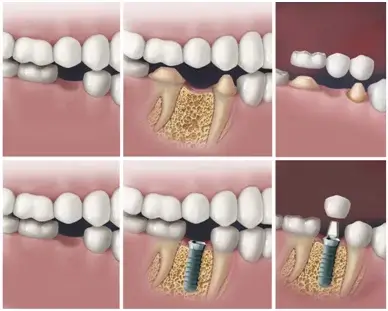
Dental implants are not only about looks. They help preserve jawbone after tooth loss, stabilise your bite, and stop neighboring teeth from drifting. Better chewing means better nutrition—so you can enjoy your khao tom or fresh seafood comfortably. For many patients, implants also boost confidence and make daily life more sanuk.
What a typical implant trip looks like
Your exact plan depends on bone condition and medical history, but a common timeline is:
- Day 1: Consultation, oral exam, and 3D scan. Your dentist reviews bone levels and explains options (standard two-stage, immediate placement, or bone graft if needed).
- Day 2: Implant surgery. With local anesthesia (and sedation if requested), placement usually takes 60–90 minutes per implant. You’ll go home the same day with medications and instructions.
- Days 3–6: Healing. Rest at your hotel, keep things sabai sabai, and stick to a soft diet—think jok (rice porridge), smoothies, soft omelette, steamed fish, or noodles. Avoid sticky rice, crunchy snacks, straws, smoking, and alcohol during the early days.
- Day 7–10: Suture check and cleaning. Many patients are fit to fly after the check-up, but always confirm with your dentist.
- 3–6 months later: Return for the final crown once the implant has fully integrated. Some cases qualify for immediate or early loading, but your dentist will advise based on stability and bone quality.
If you’d like to enjoy Thailand while healing, go easy. Light temple visits, riverside walks, a gentle massage, or café hopping are fine. Skip intense workouts, diving, or anything that risks impact in the first week.
How to choose the right clinic
- Check credentials: Look for Thai Dental Council re
gistration, implantology training, and years of experience. Ask who will perform surgery and who will restore the crown.
- Ask about technology: 3D CBCT, digital planning, and guided surgery can improve accuracy and reduce complications.
- Confirm implant system: Reputable brands help with long-term maintenance anywhere in the world.
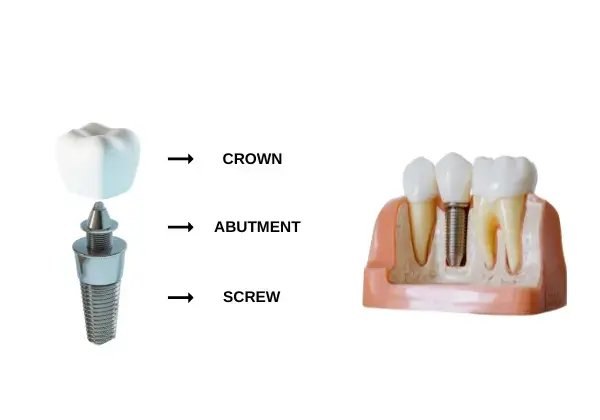
- Review transparency: A clear quote in THB showing consultation, imaging, surgery, abutment, crown, grafts (if needed), medications, and follow-ups. No surprise upsells.
- Look for aftercare and warranty: Understand check-ups, emergency protocols, and any guarantee on implant and crown. Ask for digital records you can share with your local dentist.
- Read real reviews: Before-and-after photos and verified patient feedback are more reliable than flashy ads.
Eating and self-care tips that feel “same same” but better
- Diet: Start with soft Thai comfort foods—jok, khao tom, soft tofu, steamed egg, kanom jeen (if very soft), and ripe fruit without seeds. Avoid spicy som tam and hot soups immediately after surgery to reduce irritation.
- Hygiene: Rinse gently with a prescribed mouthwash or warm salt water, brush softly around the surgical area, and avoid poking the site. A water flosser and interdental brushes help later on.
- Rest: Keep your head elevated the first two nights. Ice packs reduce swelling in the first 24 hours.
- Habits: No smoking or alcohol for at least a few days. Follow medication schedules strictly.
Cost clarity without the fine print
While a ballpark of 50,000–90,000 THB per implant and crown is common, total cost depends on:
- Bone graft or sinus lift needs
- Type of crown (porcelain-fused-to-metal vs zirconia)
- Number of implants and whether an all-on-4/6 plan is chosen
- Sedation and extra scans
Some clinics bundle airport transfers, hotel nights, and a concierge into a neat package. Nice, but make sure the clinical quality—not the limo—drives your decision.
Safety and peace of mind
If you’re concerned about flying after surgery, mai pen rai—your dentist will guide you. Most patients can travel after the first check-up. Keep a doctor’s note, medication, and emergency phone number handy. Travel insurance that covers dental complications is a smart add-on.
Maintaining results back home
Implants last longest when you keep everything clean and attend regular check-ups. Plan:
- Twice-daily brushing with a soft brush and non-abrasive toothpaste
- Daily flossing or interdental cleaning
- Professional cleanings every 6 months
- Annual implant review (x-ray as advised)
Ask your Thai clinic for a treatment summary, x-rays, and the exact implant model. This helps your local dentist provide seamless care.
A balanced way to improve oral health
Combining implant treatment with a Thailand trip doesn’t mean rushing or cutting corners. It means blending solid dentistry with a comfortable, friendly environment that makes recovery easier. With careful planning, a qualified team, and a bit of sabai sabai, Thailand dental implant tourism can give you durable function, a confident smile, and better long-term oral health—plus a few good stories from your soi wanderings.
If your goal is a strong bite and a smile that feels naturally yours, Thailand offers a practical, well-priced, and genuinely caring path to get there. Chai, it’s not just about teeth—it’s about living and eating well for years to come.