Thailand Dental Implant Benefits for Overseas Patients Seeking Implant Care
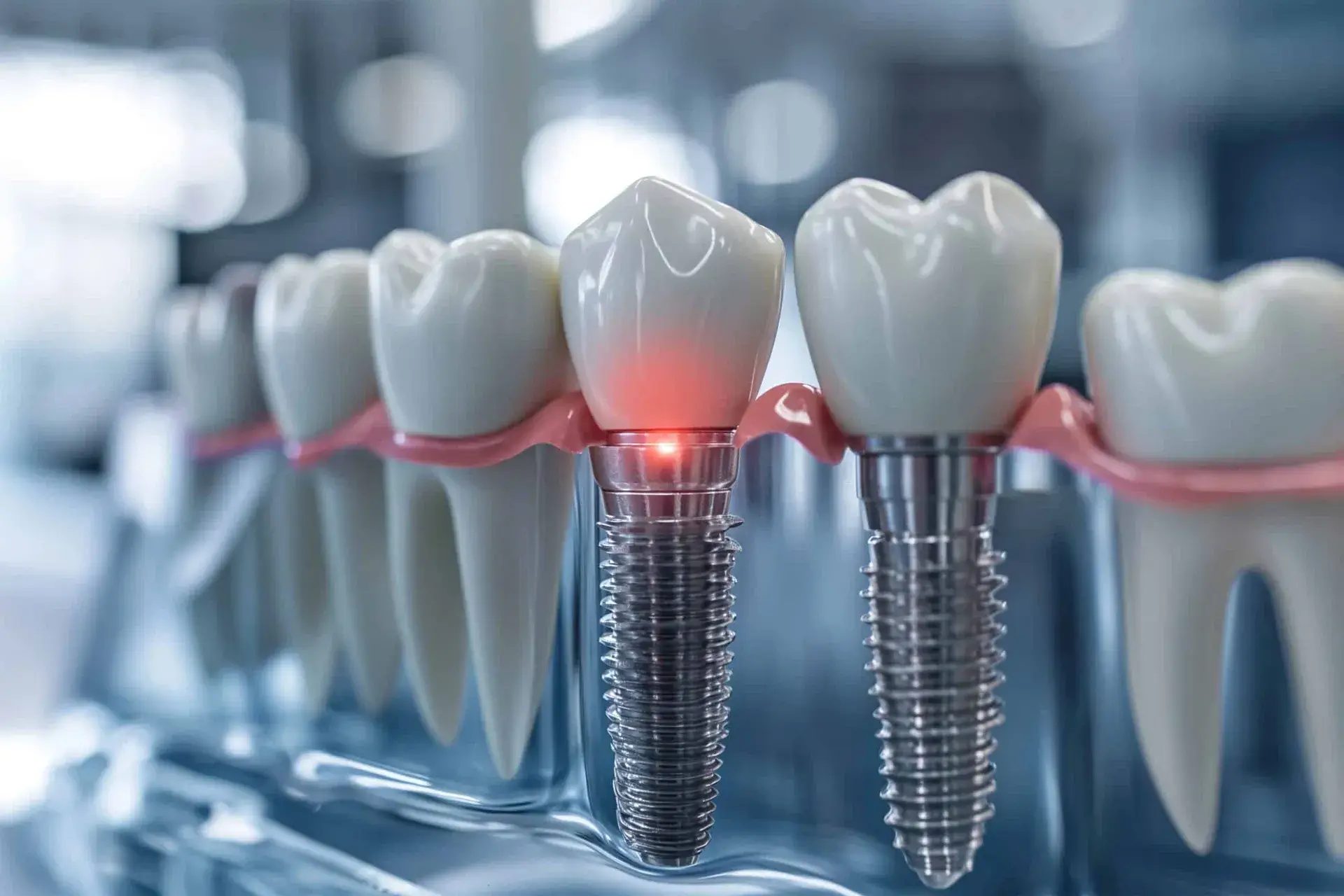
Thailand Dental Implant Benefits for Overseas Patients Seeking Implant Care
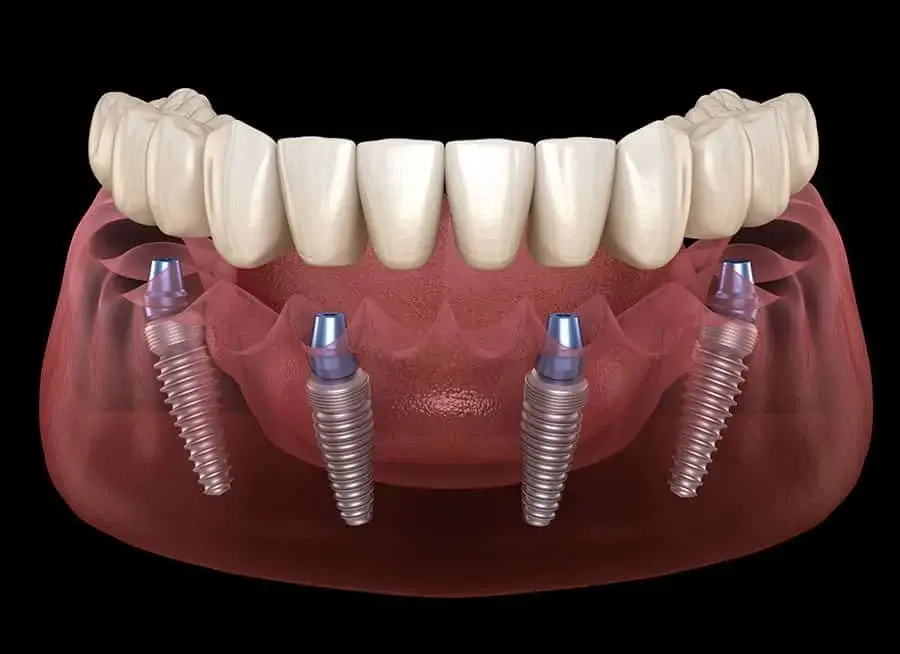
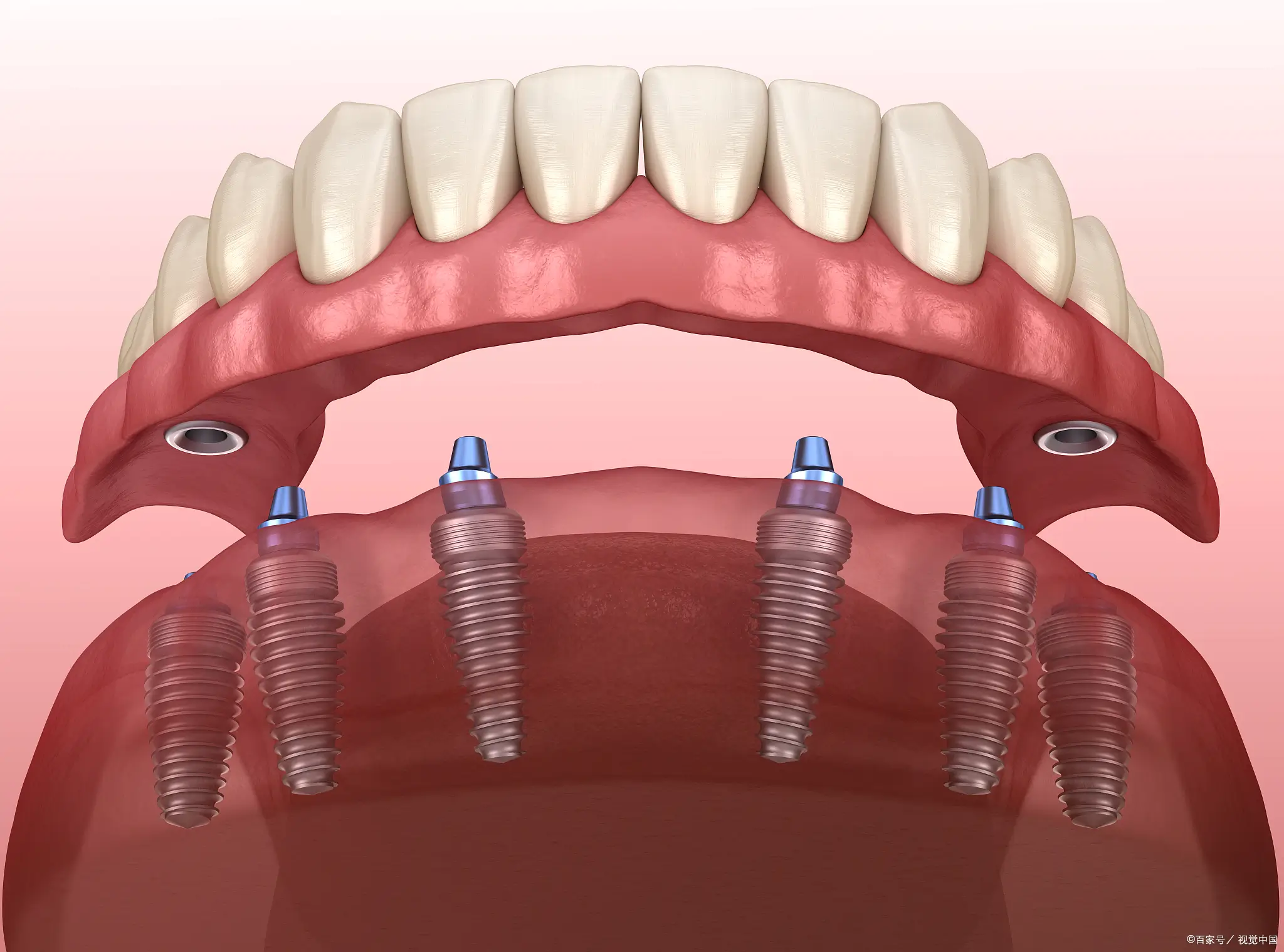
If you’re considering dental implants abroad, Thailand is high on the list for good reason. The country blends internationally recognised clinical standards with friendly, service-minded care, straightforward travel, and excellent value. Whether you’re looking at a single implant, a full-arch solution like All‑on‑4, or bone grafting for complex cases, you’ll find modern clinics in Bangkok, Chiang Mai, Phuket, and Pattaya that cater to overseas patients from the first enquiry to long-term follow‑up.
What overseas patients appreciate about implant care in Thailand
- Quality at a fair price: Due to lower running costs, implants in Thailand are generally more affordable than in many Western countries, while still using top-tier brands such as Straumann, Nobel Biocare, MIS, and Osstem. You get evidence‑based treatment without compromising on materials or technique.
- Specialist surgeons and advanced technology: Many dentists are internationally trained or board‑certified prosthodontists and oral surgeons. Clinics commonly use CBCT 3D scanning, digital planning, and guided surgery to place implants precisely and reduce risk.
- Shorter lead times: Clinics that focus on dental travellers plan efficiently. It’s common to arrange a video consultation, share records before your flight, and have diagnostics and surgery scheduled soon after arrival, reducing time away from home.
- Clear communication: English is widely spoken in leading dental centres, and coordinators are used to handling overseas cases. Treatment plans, fees, and timelines are explained clearly to help you feel at ease.
- Travel convenience: Thailand offers visa‑free or visa‑on‑arrival entry for many passports, frequent flights, and easy airport transfers. Clinics are often near BTS/MRT stations or offer hotel partnerships for a smooth stay.
- Comfortable recovery: After the procedure, you can rest in a calm environment, with pharmacies, gentle food options, and hotel choices close by. Many patients appreciate the warm climate and relaxed pace during healing.
Typical costs and what’s included
Pricing varies by city, brand, and clinical needs, but here are common ranges to help with planning:
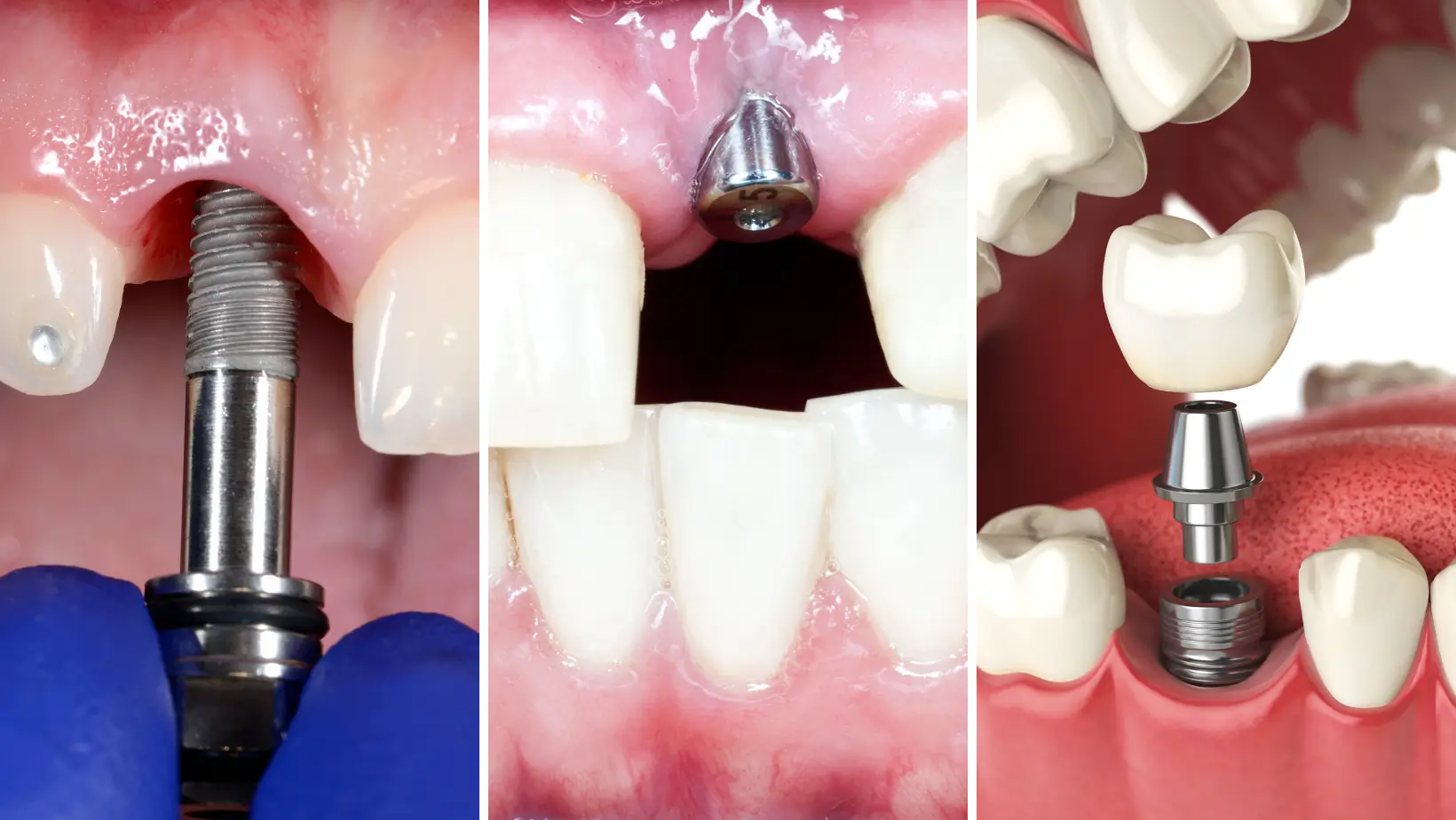
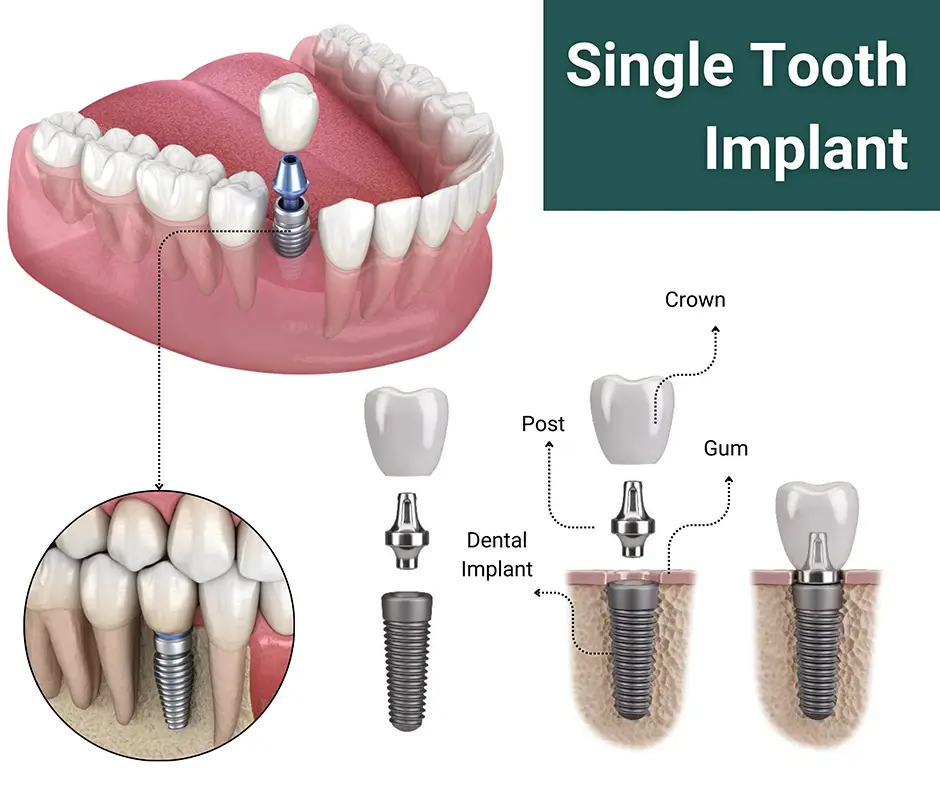
- Single implant (implant, abutment, and crown): roughly 45,000–85,000 THB per tooth (about USD 1,200–2,300)
- Bone graft or sinus lift (if required): 10,000–60,000 THB depending on extent
- Full-arch solutions (All‑on‑4/All‑on‑6): typically 280,000–550,000 THB per arch (about USD 7,500–15,500), influenced by materials (acrylic vs. zirconia), number of implants, and whether immediate loading is suitable
Always ask for a line‑by‑line quote that states what’s included: diagnostics (CBCT), surgery, implant brand, abutment, provisional and final restoration, medications, post‑op visits, and any lab fees. Many clinics provide all‑in packages with airport pickup and hotel options, which can be convenient if you prefer one point of contact.
What your treatment journey may look like
1) Pre‑trip planning
- Share your dental history, medical conditions, and any recent X‑rays.
- Book a video consultation to discuss goals, timelines, and preliminary suitability.
- Receive a provisional plan and cost estimate; final details are confirmed after a CBCT on arrival.
2) Arrival and diagnostics
- A CBCT scan and clinical exam confirm bone quality and exact positioning.
- If minor gum treatment or cleaning is needed, it may be done before surgery to optimise healing.
3) Surgery day
- Options include local anaesthesia, oral sedation, or IV sedation (depending on the clinic and your medical profile).
- Guided surgery may shorten chair time and improve comfort.
- You leave with post‑op instructions, pain control, and a follo
w‑up appointment.
4) Healing phase
- For most single implants, osseointegration takes around 8–12 weeks.
- If immediate loading is clinically appropriate, a temporary tooth can be placed the same day or within a few days.
- For full‑arch, provisional fixed teeth may be fitted within 24–72 hours, with a definitive bridge after 3–6 months.
5) Final restoration
- After integration, the final crown or bridge is fabricated and fitted, with bite and aesthetics fine‑tuned.
6) Aftercare and follow‑up
- You’ll receive maintenance advice and a schedule for check‑ups.
- Many clinics offer teleconsults and can liaise with your local dentist for hygiene visits or urgent issues.
Can you get implants and teeth in one trip?
Immediate implants and same‑trip teeth are possible in selected cases—especially full‑arch treatments—when bone quality, gum health, and bite conditions are favourable. However, not everyone is a candidate. If your case needs grafting or staged treatment, plan for two trips: one for implant placement and another 2–4 months later for the final restoration. Your dentist will advise the safest path based on your scan and risk profile.
Safety, standards, and comfort
- Sterilisation and protocols: Reputable clinics follow international infection control standards, with autoclaved instruments, single‑use disposables, and documented protocols.
- Anaesthesia and pain control: Modern techniques, gentle surgery, and appropriate medications make implant placement surprisingly manageable for most patients.
- Brands and labs: Ask which implant systems and dental labs are used. Skilled lab technicians and high‑quality materials contribute to the final look and longevity.
- Medical considerations: Disclose any conditions (e.g., diabetes, osteoporosis) and medications (e.g., blood thinners). With proper planning and coordination with your physician, many patients proceed safely.
How to choose the right clinic in Thailand
- Check the dentist’s credentials, specialist training, and the number of implant cases completed.
- Review before‑and‑after photos and case studies similar to yours.
- Confirm the implant brand and warranty policies for components and work.
- Ask about technology used (CBCT, guided surgery, digital impressions).
- Request a transparent quote that clarifies inclusions and potential add‑ons.
- Read independent reviews and ask for patient references if available.
- Ensure there’s a clear plan for follow‑up care once you return home.
Practical travel tips for a smooth experience
- Time your trip: Allow two or three buffer days after surgery before flying if possible, and avoid strenuous activity during early healing.
- Choose location wisely: Staying near your clinic or along the BTS/MRT in Bangkok reduces travel stress. Many patients favour areas like Sukhumvit for easy access.
- Eat soft and mild: Thailand has plenty of soft, nourishing options—congee, steamed fish, tofu, omelettes—to keep your recovery comfortable.
- Mind the climate: Stay hydrated and avoid excessive heat immediately after surgery.
- Documents and insurance: Carry medical records, a list of medications, and consider travel insurance that covers medical care.
Why Thailand stands out
Thailand’s blend of skilled implantologists, digital dentistry, international safety standards, and warm, efficient service makes it a standout for dental travellers. Add transparent pricing, accessible flights, and a welcoming environment, and you have a compelling destination for restoring your smile with confidence. If you value high‑quality care without the long queues or high fees back home, Thailand’s dental implant centres offer a practical, well‑organised path to long‑lasting results.