Thailand Dental Implant Advantages for International Implant Patients
Thailand Dental Implant Advantages for International Implant Patients
Thinking about replacing missing teeth and getting your smile back? Thailand has become a favourite destination for dental implants among travellers from Australia, New Zealand, the Middle East, Europe, and beyond. It’s not just about the lower fees. It’s the mix of skilled specialists, modern tech, smooth service, and a relaxed “sabai sabai” approach that makes treatment feel easier and more comfortable. Here’s a clear, down‑to‑earth guide to why many international patients choose Thailand for dental implants, and how to plan it the smart way.
Why Thailand for Dental Implants
- Quality and safety: Many Thai clinics in Bangkok, Phuket, and Chiang Mai are accredited, follow strict sterilisation protocols, and use top implant systems from brands like Straumann, Nobel Biocare, and MIS. You’ll find board‑certified oral surgeons and prosthodontists who place implants every day.
- Value for money: Even with flights and hotels, total costs are commonly 40–60% lower than in the US, Canada, or Australia. Packages often include scans, transport, and hotel coordination, and pricing is usually transparent upfront—no hidden “same same but different” surprises.
- Service with a smile: English‑speaking dentists and international patient coordinators are standard in leading clinics. Expect quick replies, step‑by‑step plans, and a “no worries” mindset that takes the stress out of treatment and travel.
Standards, Materials, and Safety You Can Trust
Thailand’s top clinics invest heavily in:
- Digital diagnostics: CBCT 3D scans to check bone quality, nerves, and sinus position before any surgery.
- Guided surgery: 3D‑printed surgical guides for precise implant placement, shorter chair time, and faster healing.
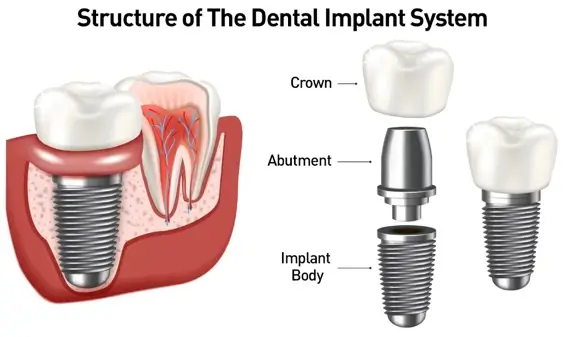
- Modern materials: Titanium and zirconia implants, zirconia or porcelain crowns, and CAD/CAM prosthetics made in on‑site or partner labs for consistent fit and aesthetics.
- Clean and safe protocols: ISO‑standard sterilisation, single‑use consumables, and trained staff. Many centres hold international accreditations, and most provide documentation of implant brand, lot number, and warranties.
Treatment Options from Single Tooth to Full Arch
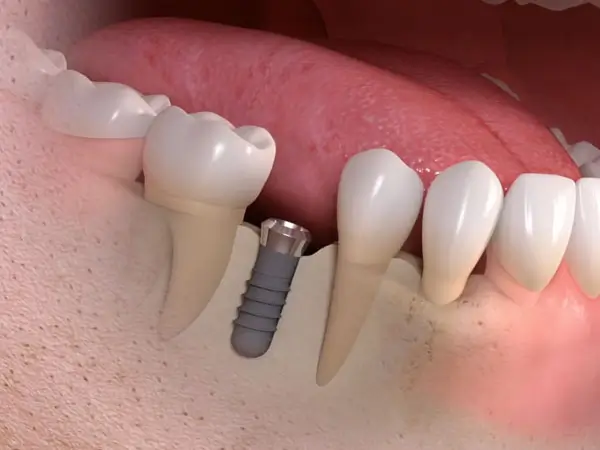
- Single implants: Ideal for one missing tooth without touching adjacent teeth.
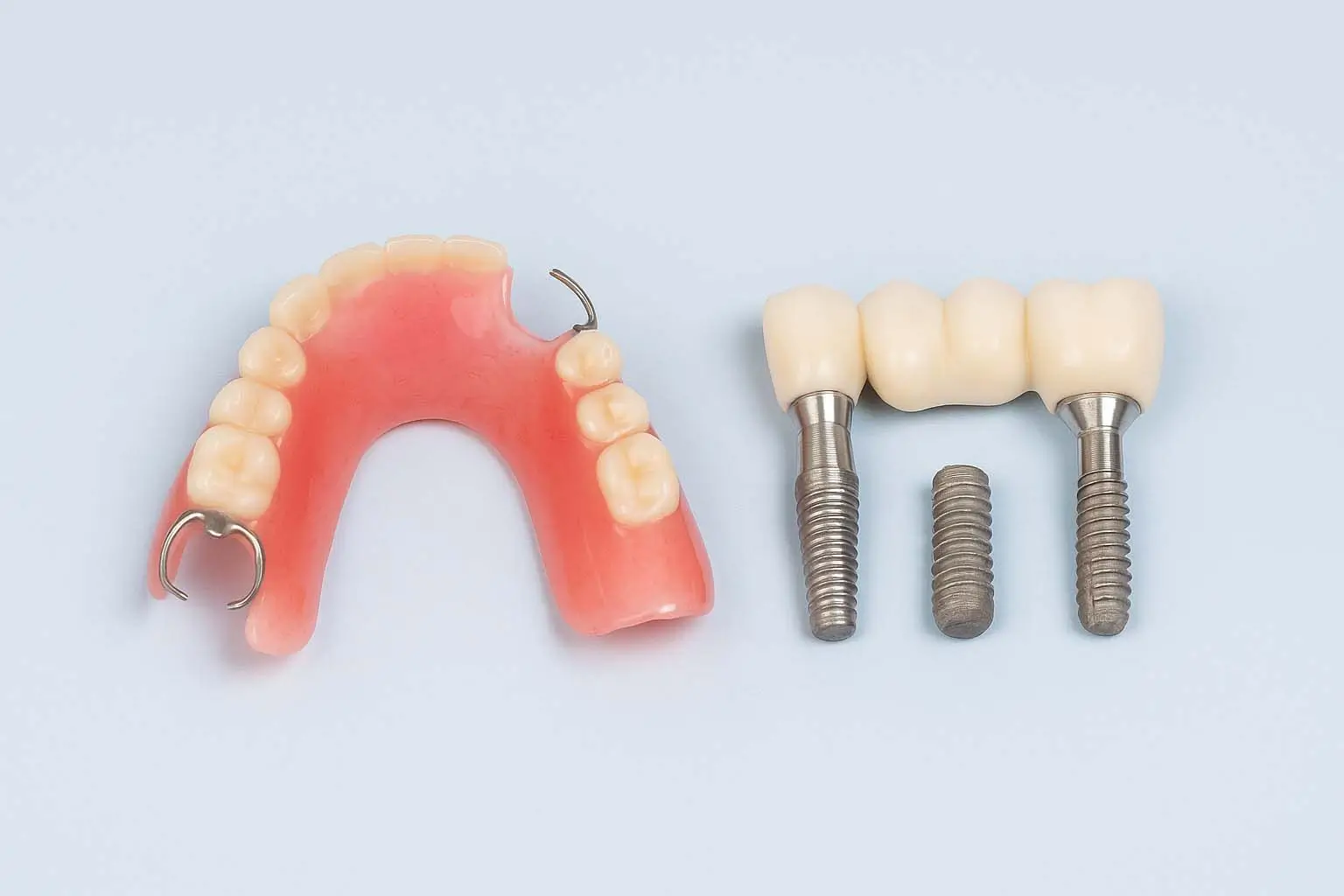
- Multiple implants/bridges: Replace several teeth with fewer implants and a bridge to balance cost and strength.
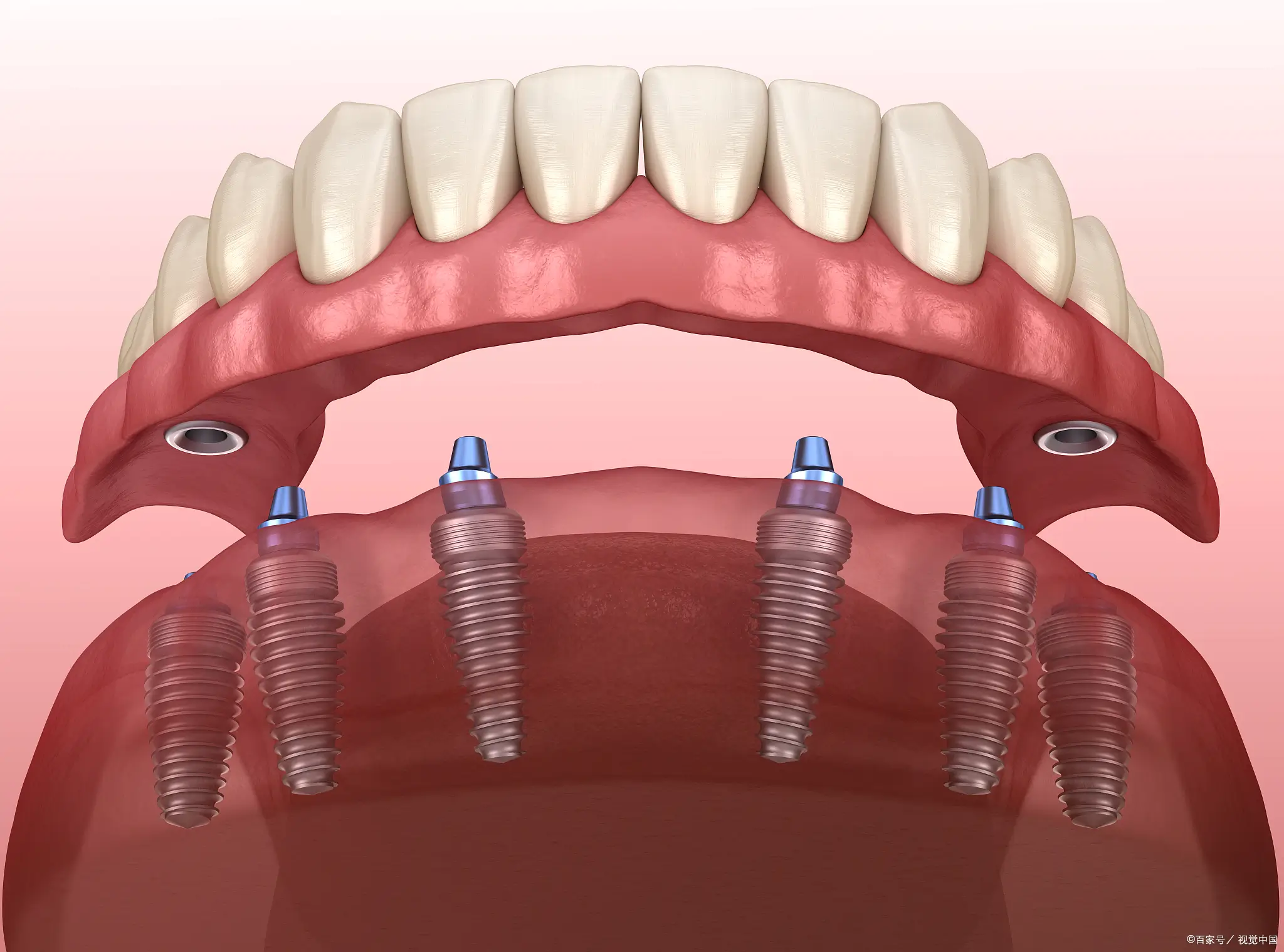
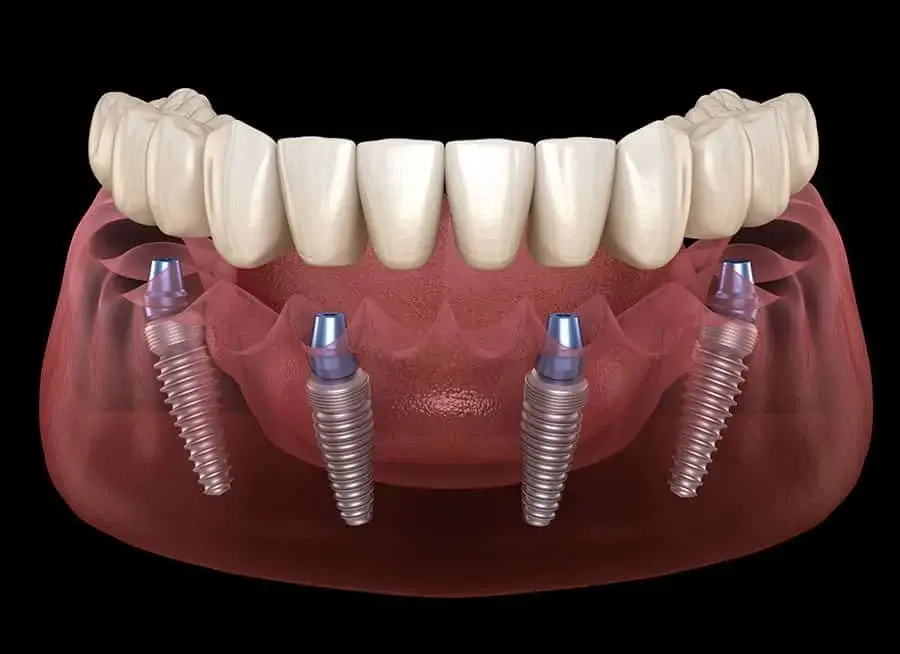
- All‑on‑4/All‑on‑6 full arch: Immediate fixed teeth on the same day for many patients, with a temporary bridge followed by a final prosthesis after healing.
- Bone grafting and sinus lift: Available in‑house if you need extra bone support. Your 3D scan will show what’s needed.
Clear Timelines for Busy Travellers
Most plans are designed around two trips, but there are options:
- Trip 1 (3–7 days): Consultation, scans, and surgery. If immediate load is suitable, you may get a temporary fixed bridge within 24–72 hours. Otherwise, you’ll wear a temporary removable denture while the implant integrates.
- Healing (3–6 months): Implants fuse with bone back home. Clinics offer online check‑ins and advice.
- Trip 2 (5–10 days): Final impressions, try‑ins, and placement of your permanent crown or bridge.
If your case is straightforward and bone quality is strong, some clinics can complete immediate‑load cases in a single longer visit with a planned follow‑up for final adjustments. Honest clinics will tell you upfront which timeline fits your bone condition and smile goals.
Realistic Costs and What’s Included
Exact numbers vary by brand and case complexity, but you can expect:
- Fees signific
antly lower than in Western countries, with itemised quotes covering scans, surgery, abutments, and crowns.
- Options to choose implant brands and prosthetic materials based on your budget and aesthetics.
- Add‑ons like airport pickup, hotel rates near BTS/MRT in Bangkok, and care kits for post‑op recovery.
Always compare apples with apples: implant brand, abutment type, crown material, number of visits, and warranty terms.
Comfortable Experience and Aftercare
- Minimised downtime: Gentle techniques, pre‑planning with digital guides, and effective local anaesthesia or IV sedation if needed.
- Post‑op support: Clear instructions, pain management, and easy WhatsApp or LINE access to your coordinator.
- Follow‑up from home: Video calls for checks, referral letters for your local dentist, and scheduled maintenance advice.
Long‑term success comes from good home care and professional cleanings every 6 months. Most clinics honour warranties when maintenance guidelines are followed.
Who Is a Good Candidate—and When to Wait
Implants suit most healthy adults, but the best clinics will screen carefully:
- Good candidates: Non‑smokers or light smokers, stable health, healthy gums, and enough bone.
- May need preparation: Smokers, patients with uncontrolled diabetes, or those with gum disease should stabilise health first. Bone grafting may be advised if bone is thin.
- Risks to discuss: Infection, implant failure, and prosthetic complications are rare but possible. Success rates are typically 95–98% when planning and aftercare are on point. Responsible antibiotic and painkiller use is standard.
How to Choose the Right Thai Clinic
- Check dentist credentials: Look for board‑certified oral surgeons/prosthodontists with implant training and case experience.
- Ask for 3D planning: Request CBCT‑based treatment plans and a digital mock‑up of your final result.
- Confirm brands and lab work: Ensure recognised implant systems and quality lab materials.
- Review track record: Before‑and‑after photos, verified reviews, and clear policies on complications and warranties.
- Clarify logistics: Number of visits, healing time, emergency contact, and total costs in writing.
Travel Tips for a Smooth, Sabai Sabai Recovery
- Plan your stay: Choose accommodation near your clinic to reduce travel after surgery. Many patients pick central Bangkok or beachside Phuket for an easy “treatment plus chill” schedule.
- Mind the diet: For the first week, stick to soft foods, skip very spicy or hard bites, and rinse with salt water as advised. Thailand has plenty of soft, tasty options—congee, steamed fish, and smoothies are your friends.
- Timing: Avoid heavy sightseeing right after surgery. Keep it light—no problem to enjoy a gentle stroll, a foot massage (avoid facial massages early on), and some café time.
- Documents and insurance: Carry your medical history and meds list. Travel medical cover that includes dental complications is a smart idea. Visa rules are friendly for many passports; your clinic can guide on medical letters if needed.
The Bottom Line
Thailand offers a well‑balanced package for dental implants: experienced specialists, advanced planning and materials, attentive service, and strong value. With honest consultation, careful timing, and clear aftercare, you can achieve a confident, natural smile—delivered with the kind of warm, “mai pen rai” hospitality that makes treatment feel easier from day one. If a reliable, affordable, and comfortable implant journey is on your mind, Thailand is a solid place to start your plan.