Why Travelers Include Dental Implants in Their Thailand Dental Tourism Plans
Why Travelers Include Dental Implants in Their Thailand Dental Tourism Plans
If you’ve done a quick search on dental tourism in Asia, Thailand will pop up again and again—and not just for whitening or cleanings. More travelers are now adding dental implants to their Thailand plans because the country blends international-level dentistry with smooth logistics, friendly service, and a holiday atmosphere that makes recovery feel sabai-sabai. Whether you’re in Bangkok, Phuket, or Chiang Mai, you’ll find clinics that understand what visitors need: clear prices, efficient scheduling, and results you can trust.
World-class quality at friendly prices
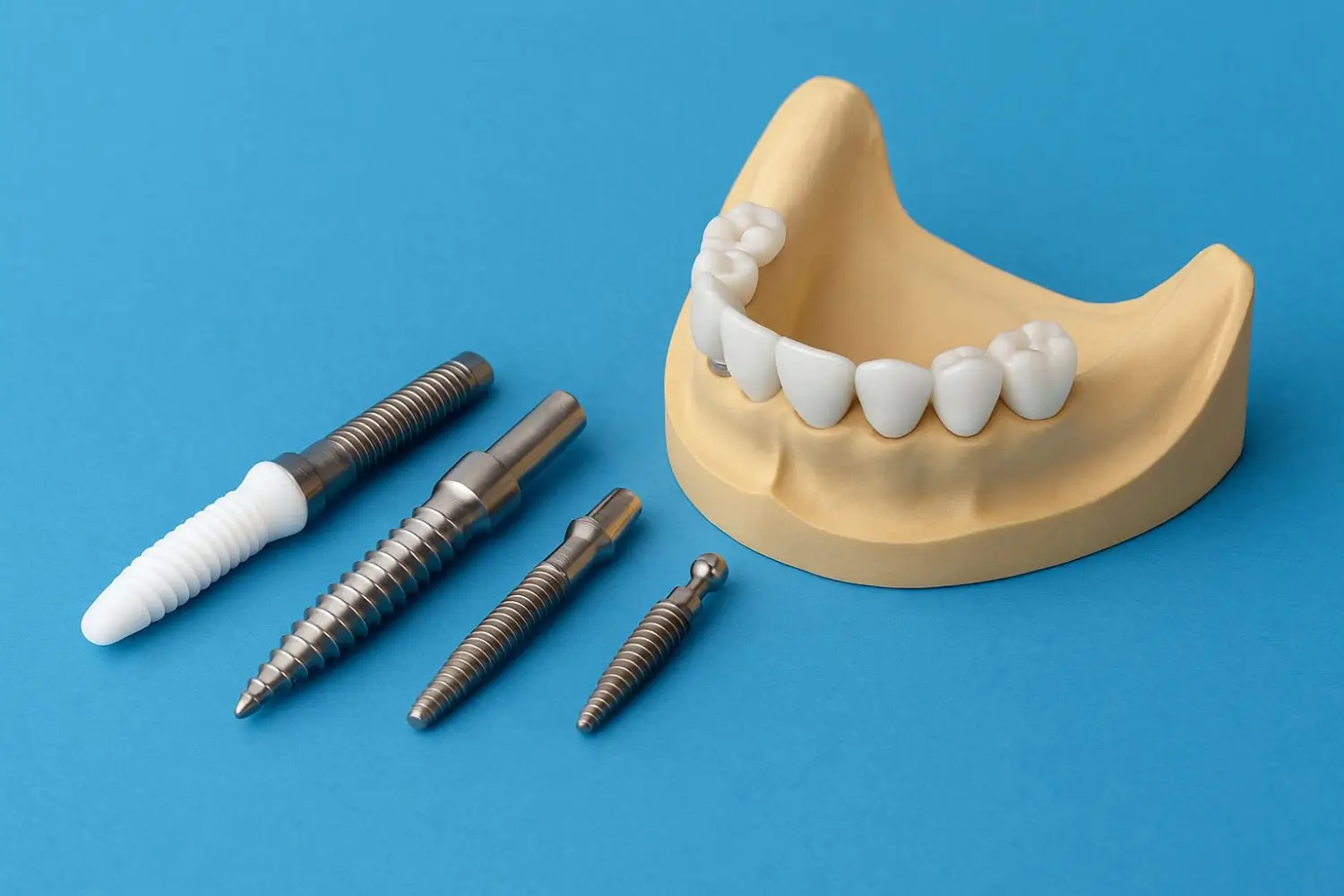
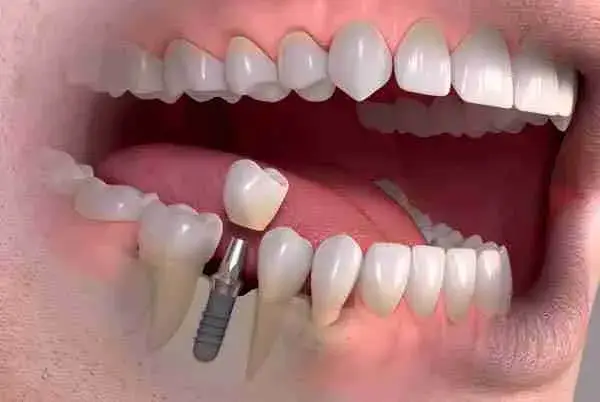
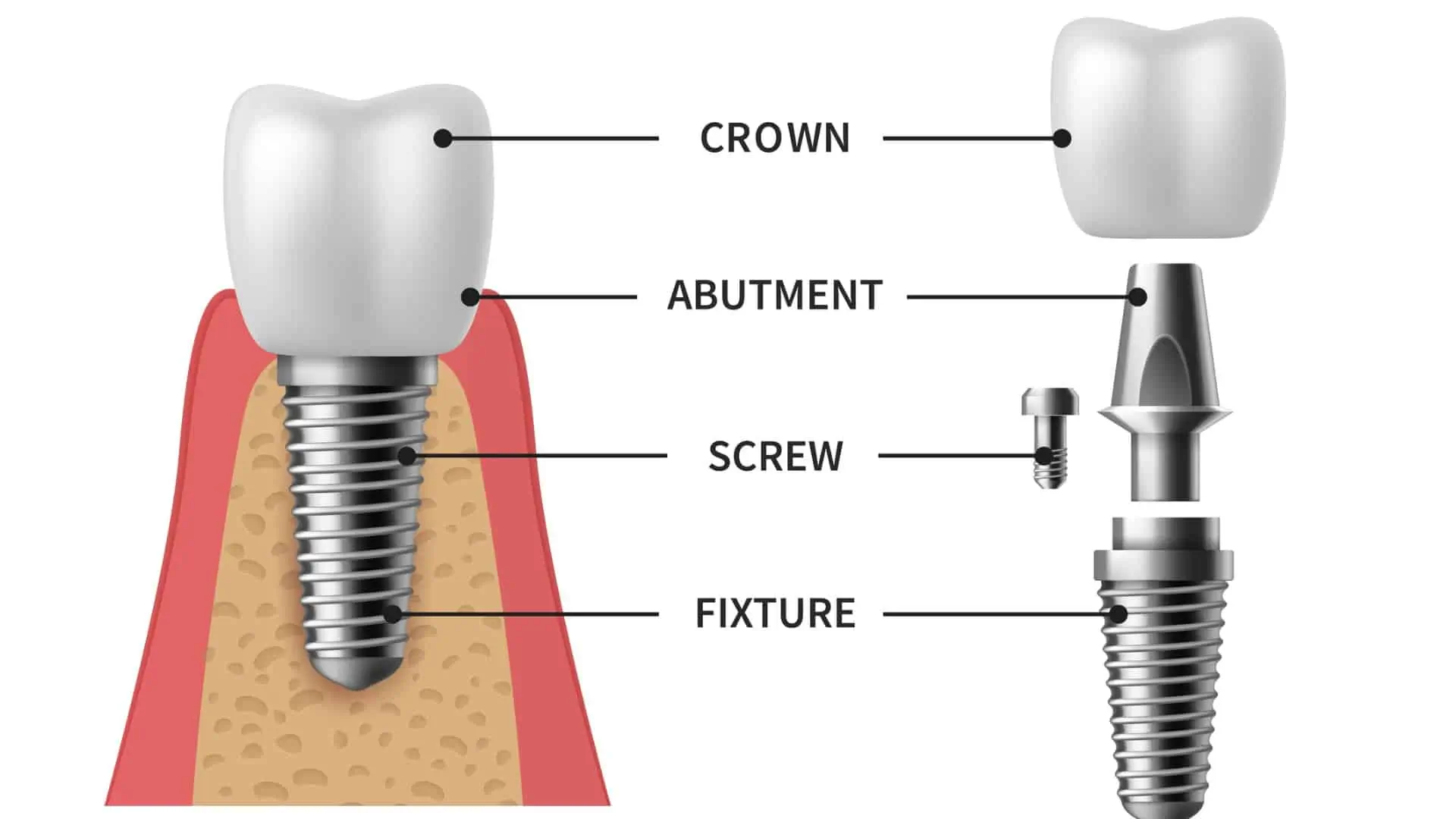
For many patients, the numbers speak first. Dental implants in Thailand are usually 40–60% lower in cost than in the US, Australia, or Western Europe, even when you factor in flights and hotels. Typical package pricing is separated into the implant fixture, abutment, and crown, with transparent quotes so you know exactly what you’re paying for. Premium systems like Straumann and Nobel Biocare are widely available, and clinics will explain the differences so you can choose what suits your case and budget.
It’s not only about price, though. Thailand’s leading dental hospitals and specialty clinics follow international sterilization standards, use CBCT 3D imaging, and often hold ISO or JCI-linked affiliations. Many dentists are board-certified, speak fluent English, and have training or fellowships from Europe, Japan, or the US. The overall vibe is professional yet relaxed—no worries attitude, but serious about clinical quality.
Planning is surprisingly easy from abroad
Most travelers start with an online consultation. You can send photos or past X-rays by email, LINE, or WhatsApp to get a preliminary plan and cost estimate before you fly. Once you arrive, the clinic will confirm with a full exam and 3D scan. From there, they’ll lock in your treatment schedule, discuss options like bone grafting if needed, and give you an itemized invoice. Payment is straightforward—major cards, sometimes even QR payment—plus official receipts that can help if you plan to claim with private insurance back home.
Two-visit reality, explained simply
Implants need time to integrate with bone. In most cases, treatment is done in two stages:
- First trip: Place the implant (and graft if required). This visit usually needs 2–5 days in town to complete surgery and attend a quick follow-up the next day.
- Healing time: 3–6 months for osseointegration, depending on bone quality and the site.
- Second trip: Fit the abutment and final crown, often 2–4 days including lab work and adjustments.
Some cases qualify for immediate loading or same-trip temporary teeth, especially for full-arch solutions like All-on-4, but clinics are careful—function and long-term success come first. A proper assessment will tell you if you’re a candidate for faster timelines.
A holiday that supports your recovery
One reason travelers love Thailand for implants is how comfortable recovery can be. After surgery, you’ll be happy to keep things easy—gentle walks, cool indoor spots, and soft foods. In Bangkok, staying near the BTS Skytrain (Sukhumvit, Asok, Thonglor) makes it simple to get around without traffic. Phuket offers beachside rest if you’re avoiding high-impact activities, and
Chiang Mai’s slower pace is perfect for sabai-sabai downtime.
Clinics will guide you on post-op care: avoid smoking and alcohol, skip very spicy or crunchy foods, and keep the area clean as instructed. Soft Thai dishes like khao tom (rice soup), steamed fish, and fresh smoothies make it easy to eat well while you heal. Many clinics provide a next-day review and will be on call if you need advice.
Safety, technology, and aftercare you can trust
Modern Thai clinics leverage:
- CBCT scans and digital planning for precise implant placement
- 3D surgical guides for accuracy
- CAD/CAM crowns in zirconia or layered ceramics for strength and aesthetics
- Options for local anesthesia, IV sedation, and careful pain control
Expect written aftercare instructions, prescriptions if needed, and clear emergency contacts. Warranties are common—often covering the crown and abutment for a defined period and the implant under specific conditions. Always ask for details; straightforward warranty terms are a good sign of confidence and accountability.
How to choose the right clinic
Do a little homework, and you’ll feel confident:
- Check the dentist’s profile—look for an oral and maxillofacial surgeon or periodontist with substantial implant experience.
- Ask how many implants they place each year and request before-and-after cases.
- Confirm the implant brands used and availability of parts in your home country.
- Look for in-house or partnered dental labs to speed up turnaround.
- Review sterilization protocols and imaging equipment available on-site.
- Read recent reviews and note how the clinic communicates—clear, professional, and not pushy is best.
Budgeting and timing, with realistic expectations
As a general guide, many travelers find standard single-tooth implant plus crown in Thailand ranges from the equivalent of roughly 60,000–90,000 THB, with premium brands or complex cases costing more. Bone grafts or sinus lifts, when needed, add to the total. Accommodation, flights, and local transport in Thailand remain value for money, especially if you book smart and stay near your clinic to reduce commuting stress.
Timeline-wise, plan your first visit for a few days, then return after healing for a shorter second trip. If you’re trying to combine with big events or the peak travel months of December–January and Songkran in April, book early to secure preferred appointment slots and hotel rates.
Quick tips to make it smooth
- Share your medical history and any medications in advance.
- Ask for a written treatment plan with a clear breakdown of costs.
- Plan for a soft-food diet after surgery—easy to find in Thailand.
- Keep a buffer day before flying home, just in case your dentist wants an extra review.
- Save your records and warranty papers digitally before you leave.
The bottom line
Travelers include dental implants in their Thailand plans because the country delivers a rare combination: high clinical standards, transparent pricing, and a calming environment that makes the whole journey feel manageable and even enjoyable. With thoughtful planning and the right clinic, you’ll fly home not only with great photos and good memories, but also with a confident smile built to last—same same holiday, but better.