Why Thailand Offers Competitive Dental Implant Services for Dental Tourists
Why Thailand Offers Competitive Dental Implant Services for Dental Tourists
If you’ve been thinking about dental implants and also fancy a little getaway, Thailand is one of the first places people put on the list. It’s not just a “cheap and cheerful” choice. Across Bangkok, Phuket, Chiang Mai, and even Pattaya, you’ll find modern clinics, experienced implant dentists, transparent pricing, and that warm Thai “service mind” that makes the whole experience feel sabai sabai—calm and comfortable.
Competitive pricing without cutting corners
Let’s talk numbers first because value is a big reason dental tourists come to Thailand. A straightforward single dental implant with crown commonly starts from about 60,000–100,000 baht, depending on the brand and case complexity. Full-arch solutions like All-on-4 or All-on-6 are priced significantly lower than in many Western countries, often saving patients 30–60% overall.
What’s crucial is that price in Thailand typically includes a detailed treatment plan, high-quality implant systems (think Straumann, Nobel Biocare, MIS, or Osstem), 3D imaging, and professional follow-up. Clinics know you’re flying in, so quotes are usually clear with itemized fees. No funny business, as the locals would say—just straight talk and a final bill that matches the plan.
Internationally trained dentists who speak your language
You’ll meet dentists who trained in the UK, US, Australia, Europe, Japan, or Singapore, alongside Thai board-certified specialists with years of implant experience. Many are members of international associations and regularly attend global conferences. English is widely spoken, and you’ll often find staff who can communicate in additional languages as well. Expect to hear a friendly “no worries, khun”—a polite way to say “sir/ma’am”—and genuine care throughout your visits.
Modern tech and hospital-grade standards
Thailand’s top clinics aren’t shy about investing in tech. You’ll find:
- CBCT 3D scans for accurate bone assessment
- Digital planning and surgical guides for precise placement
- CAD/CAM milling for crowns and zirconia bridges
- Dedicated sterile rooms and tracked autoclave cycles
- IV sedation and painless anesthesia options for anxious patients
Many practices are linked with international hospitals that carry JCI accreditation. Rest assured, sterile protocols here follow global standards. If you need bone grafting or a sinus lift, these procedures are routine for Thai implantologists.
A practical timeline that suits travelers
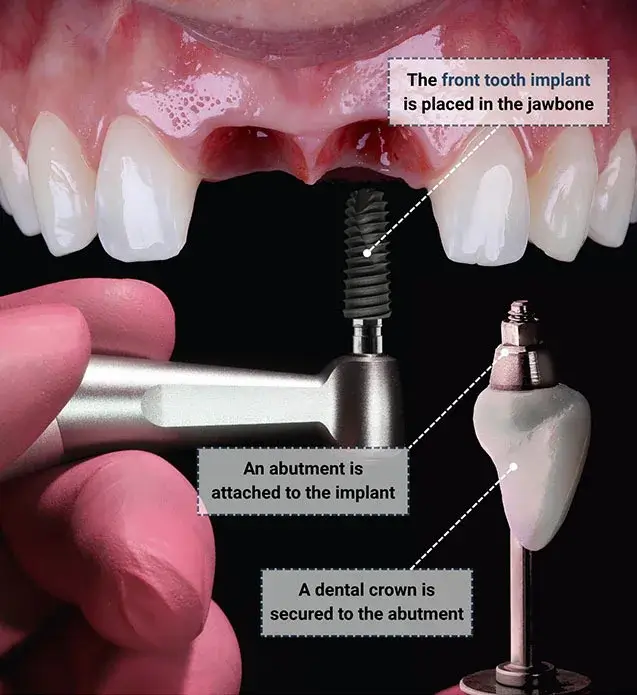
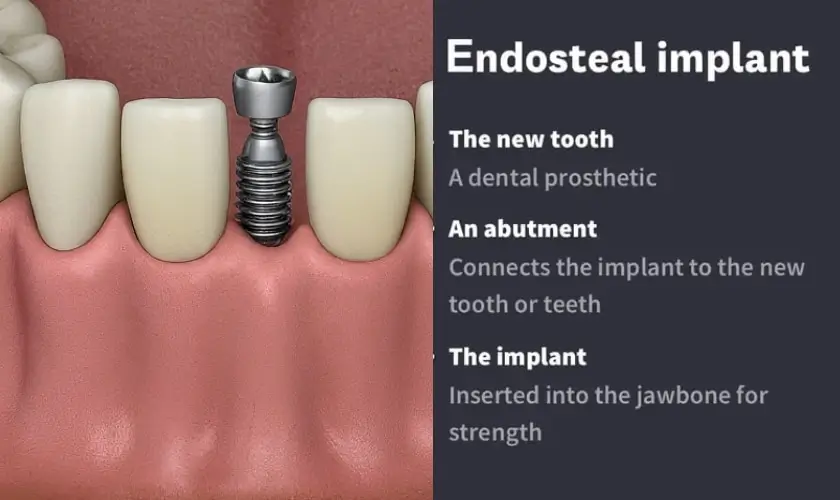
Most implant cases require two stages: placement and healing, then abutment and crown. Here’s how travelers usually plan it:
- Trip 1 (3–7 days): Consultation, CBCT, digital planning, extractions if needed, and implant placement. You’ll have a soft diet and a couple of rest days—perfect time to chill by the pool or take it easy.
- Healing (2–6 months): You go home while the implant integrates with bone. Many clinics keep in touch via Line (Thailand’s go-to messaging app) or email.
- Trip 2 (5–10 days): Uncovering, impressions, try-ins, and final crown or bridge. For full-arch work, some cases qualify for immediate loading (All-on-4) with a provisional bridge in 3–5 days, then a final prosthesis after a few months.
If you have a tight schedule, let the clinic know early. Thai teams are used to set timelines and will propose options that fit.
A country designed for easy movement and downtime
Flying into Suvarnabhumi (BKK) or Don Mueang (DMK) is simple, with visa-exempt ent
ry for many nationalities. Bangkok clinics are often near BTS/MRT lines—Sukhumvit, Silom, and Sathorn have lots of international-standard practices in convenient sois (side streets). Phuket and Chiang Mai offer quieter settings with resort-style recovery, which many dental tourists love.
Accommodation ranges from boutique hotels to serviced apartments steps away from clinics. Many practices offer airport pick-up, hotel recommendations, and concierge-style support. It’s not unusual to have someone from the clinic check on you by phone after surgery—mai pen rai, no stress.
Transparent options and clear aftercare
Good Thai clinics will present multiple plans: for example, an implant with a custom zirconia crown versus a different abutment design, or staged grafting versus short implants if your bone is limited. You’ll get pros, cons, and costs for each. Aftercare includes regular check-ups while you’re in Thailand, written post-op instructions, and coordination with your home dentist if you prefer to maintain locally.
Many clinics offer warranties on implants and prosthetics, provided you follow recommended hygiene and check-up intervals. Ask about maintenance packages and what’s included (cleanings, x-rays, adjustments). Good maintenance in the first year is the secret to long-term success.
Culture of hospitality reduces treatment anxiety
Thai culture prizes calmness and kindness. That shows up in the dental chair too—gentle explanations, small comforts like blankets or noise-canceling headphones, and a pace that feels very sabai. If you’re nervous, just say so. IV sedation or oral sedation is common, and the team will keep you comfortable. You’ll likely hear “jai yen yen” (keep a cool heart) and feel it, too.
Tips for choosing a clinic in Thailand
- Verify credentials: Look for dentists registered with the Thai Dental Council and trained in implantology.
- Check imaging and planning: Make sure CBCT and guided surgery are available for complex cases.
- Ask for an itemized quote: Include implant brand, abutment, crown material, anesthesia, and any grafting.
- Don’t choose purely on price: Focus on documented case results and lab quality. Cheap can become expensive later.
- Discuss timelines: Confirm number of visits, length of stays, and contingency plans.
- Request a warranty in writing: Know what’s covered and how follow-ups work if you’re abroad.
- Share your medical history: Bring scans, list medications, and disclose conditions for safe anesthesia and healing.
- Plan recovery days: Avoid intensive tours right after surgery; soft foods and rest are your best mates.
Why Thailand stays a top pick
Put simply, Thailand balances clinical excellence, cost control, and a travel experience that feels easy. The country’s dental sector caters to international patients without losing its Thai heart: efficient, polite, and genuinely caring. Whether you’re after a single tooth replacement or a full-mouth rehab, the combination of skilled surgeons, modern technology, and straightforward pricing makes Thailand a sensible and comfortable choice.
When you’re ready, reach out to a few clinics with your x-rays and a short summary of your goals. You’ll likely receive a thorough plan within days—clear steps, clear costs, and a schedule that works. Then it’s just a matter of booking your flights, packing light, and letting Thailand’s sabai sabai approach guide your smile back to full strength.