Why Thailand Dental Clinics Are Preferred for Dental Implant Treatments
Why Thailand Dental Clinics Are Preferred for Dental Implant Treatments
If you’ve been comparing options for dental implants, you’ve likely noticed Thailand coming up again and again. It’s not by accident. Thailand dental clinics combine advanced clinical standards with sensible pricing and a warm, “no worries” service culture that makes complex treatment surprisingly smooth for international patients. From Bangkok to Chiang Mai and Phuket, patients find a balance of expertise, technology, and hospitality that’s hard to match.
First, the clinical side is strong. Many implant dentists in Thailand are prosthodontists, periodontists, or oral surgeons with postgraduate training and thousands of implants placed. It’s common to see doctors who’ve trained or attended residencies and fellowships in the UK, Australia, the US, Japan, or Europe, bringing global best practices back to Thailand. Case volume is high, which matters for precision, especially with full-arch restorations or immediate loading protocols. Clinics typically work in multidisciplinary teams, so your implant placement, bone grafting, and final crown are coordinated under one roof, reducing miscommunication and saving time.
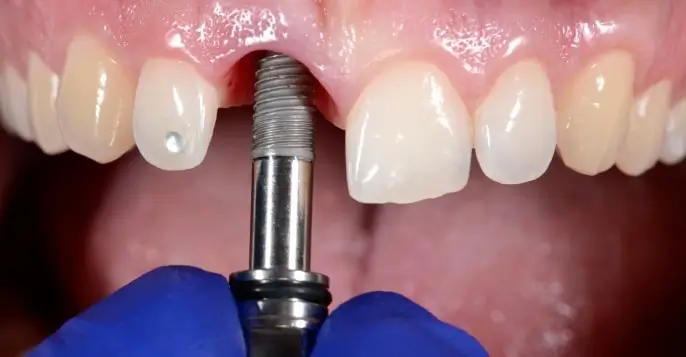
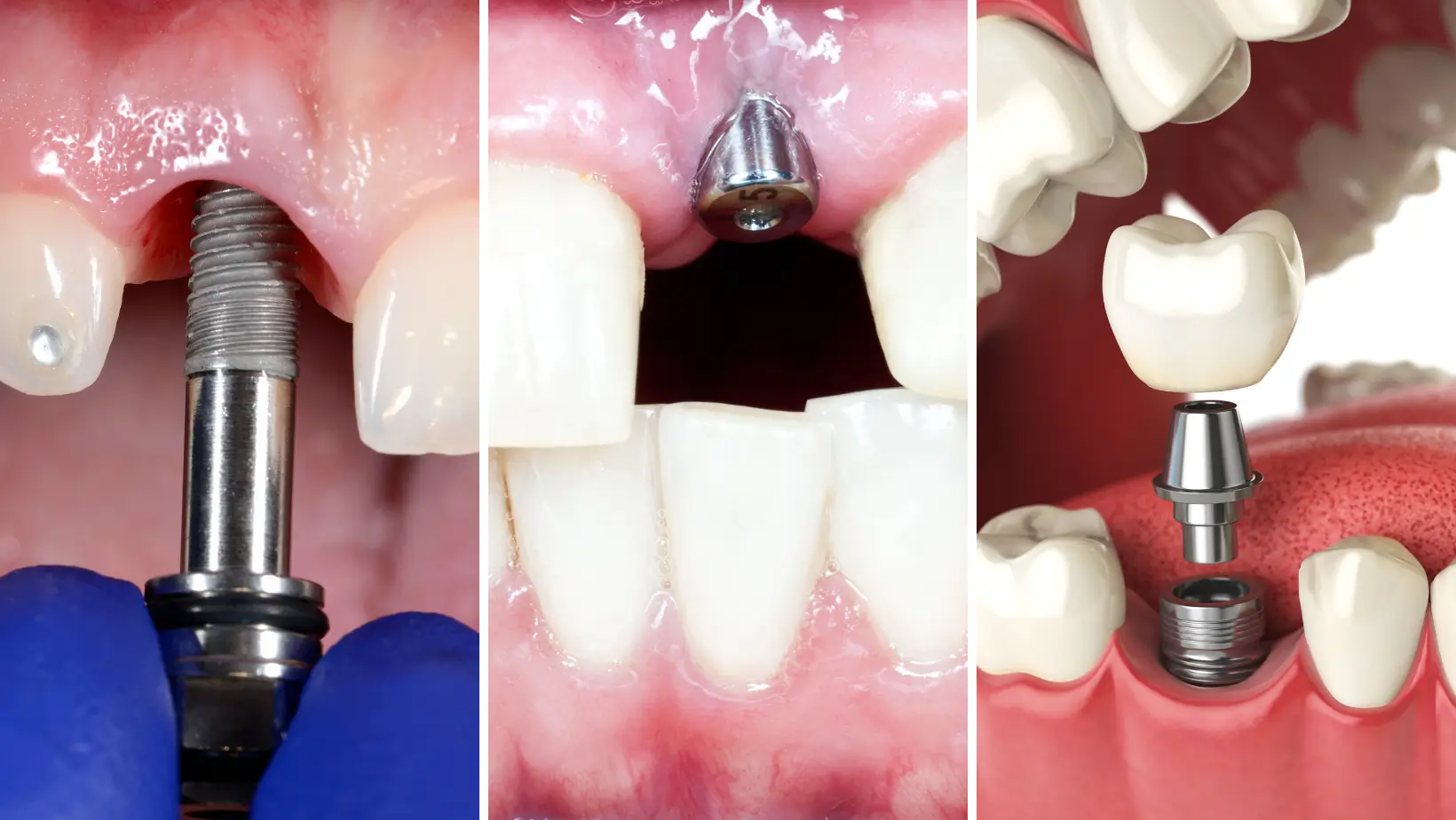
Next, the technology is up to date. Well-established clinics use cone beam CT (CBCT) scans for 3D planning, intraoral scanners for impression-free crowns, and CAD/CAM milling or 3D-printed surgical guides for better accuracy. You’ll often see implant systems from globally recognized brands such as Straumann or Nobel Biocare, along with guided surgery workflows that shorten chair time and improve comfort. For suitable cases, immediate placement and even same-day provisional teeth are available; for others, a staged approach is recommended. Either way, the treatment plan is designed around your bone quality and bite, not a one-size-fits-all template.
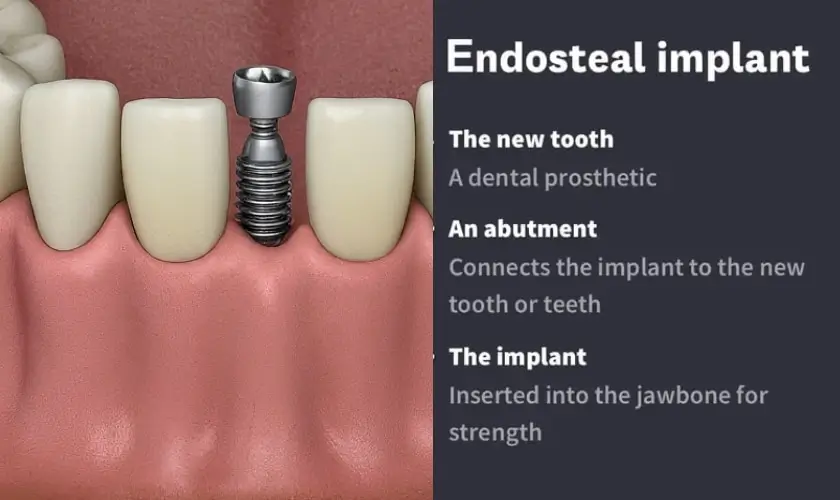
Value is another major draw. While exact fees vary by case complexity and implant system, patients typically find that an implant with abutment and crown in Thailand is significantly more affordable than in many Western countries, even after airfare and accommodation. More importantly, pricing is usually transparent. Clinics provide a line-by-line treatment plan before you commit—showing costs for the implant fixture, abutment, crown, bone grafts or sinus lifts if needed, and review visits—so you know exactly what you’re paying for. There’s no hard sell; the standard approach is “kindly review and let us know,” which reflects a service culture that values long-term reputation over quick wins.
Safety and infection control are on par with international standards. Reputable clinics apply strict sterilization protocols, including Class B autoclaves, individually pouched instruments, and single-use disposables where appropriate. Operatories are set up for sterile workflow, staff wear full PPE, and waterlines are maintained according to protocol. Pain management options range from local anesthesia with gentle technique to oral sedation; IV sedation is available in select centers with anesthesiology support. Follow-up care is structured, with clear guidance for cleaning around healing caps and implants, and check-ups scheduled to ensure integration is on track.
Communication is easy. English-speaking coordinators and nurses are standard in larger clinics, and written plans, consent forms, and aftercare instructions are provided in clear, accessible English. App
ointment times are respected—often with minimal waiting—and clinics are conveniently located near BTS/MRT stations in Bangkok or central areas in Chiang Mai, Phuket, and Pattaya. If you need help arranging airport pick-up or hotel suggestions nearby, most clinics will “take care for you” without fuss.
Planning around travel is straightforward when you know the timeline. A typical two-stage implant (place implant, allow healing, then attach abutment and crown) may require two trips:
- Trip 1 (3–7 days): consultation with CBCT, digital planning, implant placement, possible bone graft, and initial review.
- Healing period: usually several months at home, allowing osseointegration.
- Trip 2 (5–10 days): impressions or digital scan, try-in, and final crown or bridge delivery; bite adjustments and post-insertion checks.
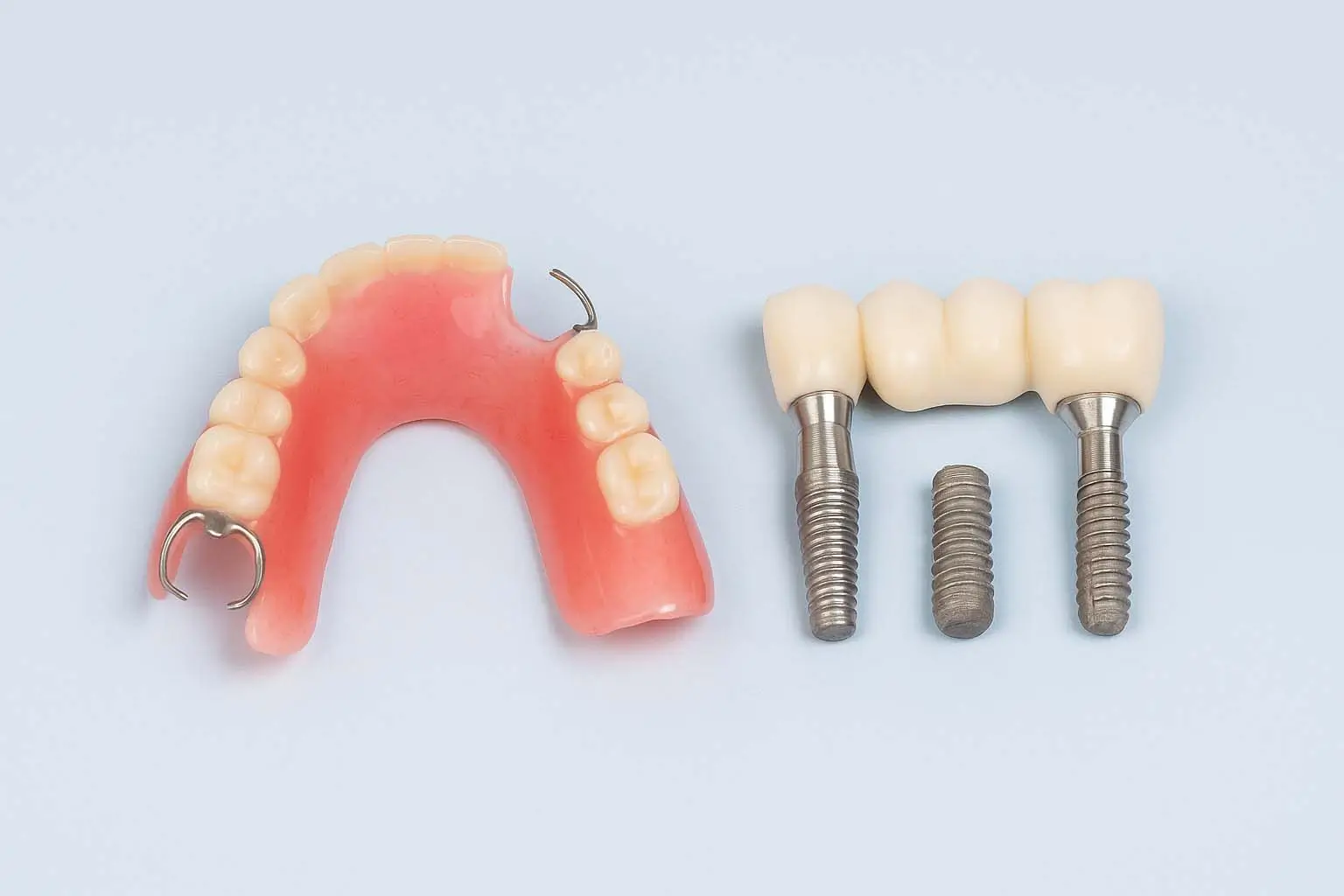
For suitable cases, immediate temporization can place a provisional tooth at the first visit, with the permanent crown on the second trip. Full-arch options like All-on-4 or All-on-6 are also available for edentulous jaws, but good clinics will assess bone quality and bite forces honestly before recommending them. Remote follow-ups via email or video are common, and clinics can coordinate with your local dentist for interim checks if needed.
Choosing the right clinic is key. Consider these practical steps:
- Verify the dentist’s specialization and years of implant experience; ask who will place the implant and who will do the final prosthetic work.
- Ask for a CBCT-based plan that explains implant size, position, and whether grafting is required—plus the brand of implant and components.
- Confirm that the crown and abutment are genuine from recognized systems, with traceable lot numbers.
- Check sterilization protocols and whether the clinic maintains documented infection control procedures.
- Review before-and-after cases similar to yours and ask about expected timelines and potential alternatives.
- Understand the warranty terms on implants and prosthetics and what’s covered if you’re back home.
Beyond the clinic, Thailand itself makes the experience less stressful. Flight connections to Bangkok are frequent, visas are straightforward for many nationalities, and accommodation ranges from budget to luxury within a short ride of major dental centers. Recovery days can be restful—think gentle walks in a mall with air-con, a light Thai meal like khao tom (rice soup), and an early night. The overall vibe is sabai-sabai: calm, helpful, and efficient without being rushed.
Of course, dental implants are a medical procedure, and outcomes depend on your health, bone condition, habits like smoking, and home care. Good Thai clinics won’t overpromise. They’ll explain why a bone graft is advisable, why immediate loading may or may not suit you, and how to maintain implants long-term. Expect straightforward answers and a focus on function, esthetics, and longevity.
In the end, Thailand dental clinics are preferred for dental implant treatments because they deliver where it counts: specialized expertise, modern planning and materials, clear pricing, and genuinely caring service. You get predictable clinical results and a comfortable patient journey—at a cost that makes sense. For many people, that mix is exactly what they’re looking for when it’s time to replace missing teeth and smile with confidence again.