Thailand Dental Implant Clinics Offering Affordable Tooth Replacement Solutions
Thailand Dental Implant Clinics Offering Affordable Tooth Replacement Solutions
If you’ve been putting off dental implants because of high costs back home, Thailand offers a practical, comfortable, and wallet-friendly way to restore your smile. Across Bangkok, Chiang Mai, Phuket, and Pattaya, Thailand’s dental implant clinics combine international-standard care with warm, service-minded Thai hospitality—making tooth replacement straightforward even if you’re flying in for treatment.
Why Thailand for dental implants
- Quality and safety: Many clinics are led by implant dentists and oral surgeons with international training and Thai Dental Council certification. Digital planning, CBCT 3D scans, and strict sterilisation protocols (Class B autoclave, sealed instrument pouches) are standard in reputable centres.
- Clear communication: English-speaking dentists and coordinators are common in tourist hubs. Doctors take time to explain options, risks, and timelines, so no worries about getting lost in translation.
- Convenient locations: Clinics are often near BTS/MRT lines in Bangkok (Sukhumvit, Silom, Sathorn) or close to beach and old town areas in Chiang Mai and Phuket, making travel and recovery easy.
- Good value: Compared with many Western countries, you can get an implant at a fraction of the price without compromising on materials or technique.
Typical costs (THB)
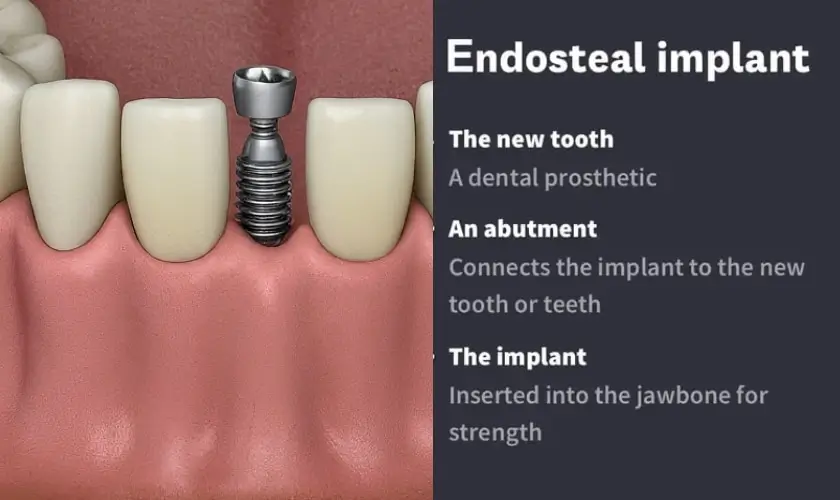
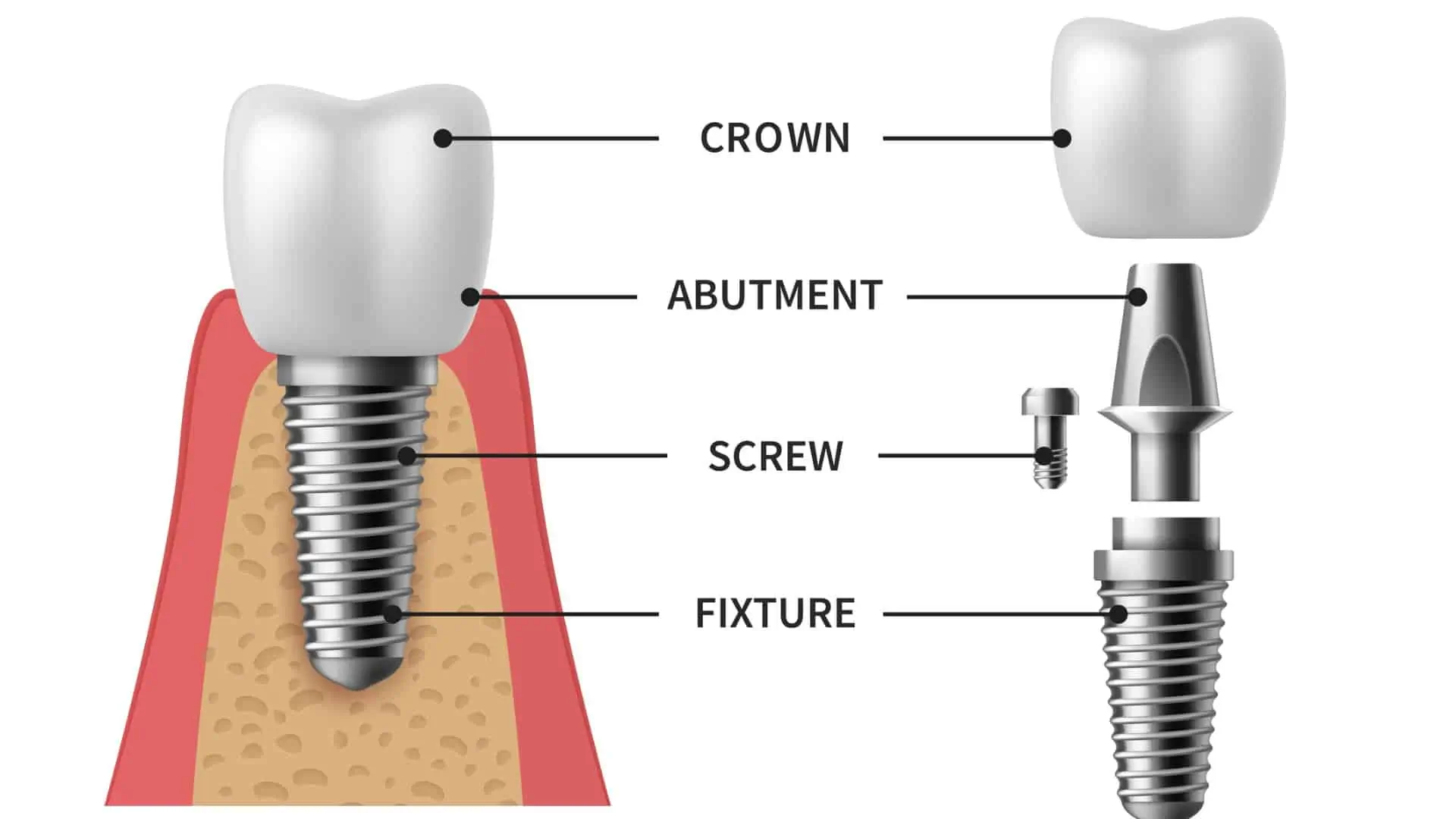
- Single tooth implant (implant + abutment + crown): around 40,000–80,000 THB, depending on implant brand (e.g., premium Swiss or Korean systems), crown material (zirconia or porcelain-fused-to-metal), and case complexity.
- Bone graft or sinus lift, if needed: around 10,000–30,000 THB per site.
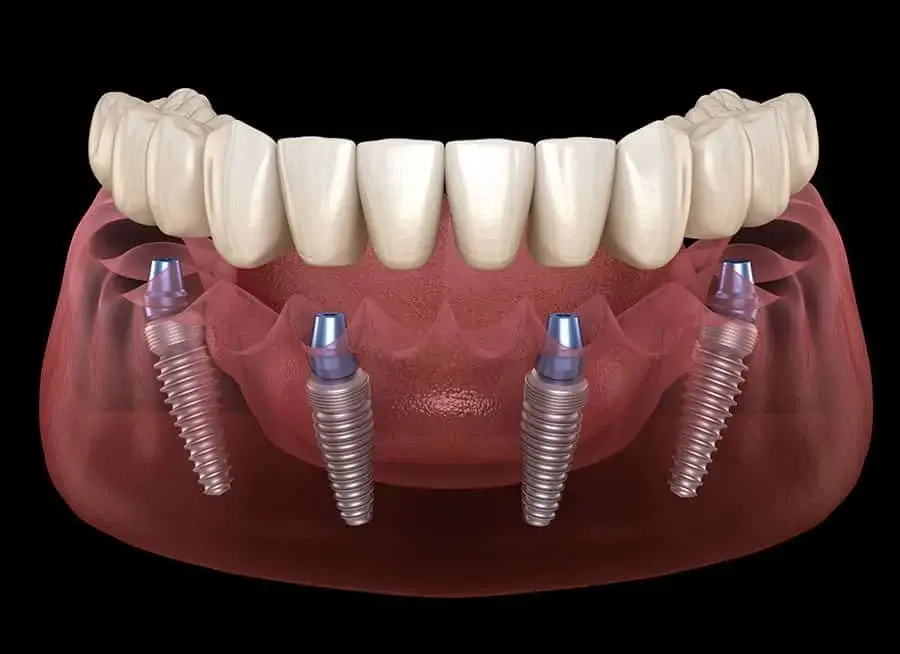
- All-on-4/All-on-6 full-arch solutions: roughly 250,000–450,000 THB per arch, varying with implant brand, provisional teeth, and final prosthesis material.
Prices are estimates; a proper quote comes after consultation and CBCT scan. Many clinics share transparent fee schedules and offer promotions or package pricing. Thai patients may get local installment plans; overseas patients usually pay by card or bank transfer.
Common implant options you’ll find in Thailand
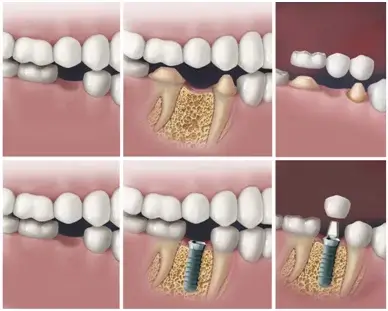
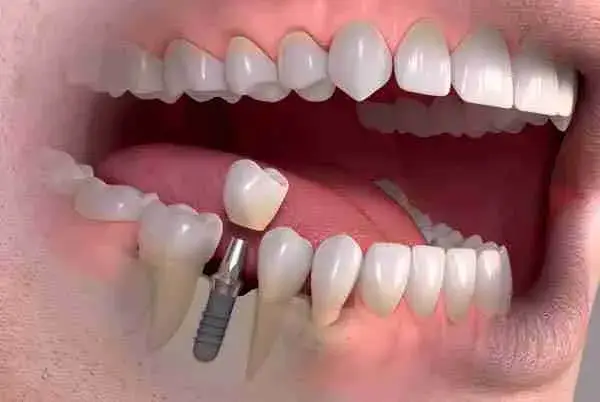
- Single tooth implant: Ideal for one missing tooth with healthy neighbours.
- Multiple implants with bridges: For several missing teeth in a row.
- Implant-retained overdentures: Two to four implants to stabilise a removable denture—great value and easier cleaning.
- All-on-4/All-on-6: Full-arch fixed teeth for extensive tooth loss. Some clinics offer immediate loading (same-day teeth) when bone and bite conditions allow; others prefer a staged approach for predictability.
- Immediate implant after extraction: Possible if bone is strong and infection-free; otherwise, a healing period is advised.
The treatment journey, step by step
1) Remote enquiry and pre-assessment: Share recent X-rays or photos via email or LINE Official Account. The clinic will suggest a preliminary plan and travel timeline.
2) First visit (7–10 days is comfortable): In-person consultation, CBCT scan, treatment planning, and implant placement. If bone grafting or sinus lift is required, it’s done in the same visit. A temporary tooth may be provided if the site is visible when you smile.
3) Healing phase (3–6 months): The implant integrates with your bone. You can return home—virtual check-ins are common. The clinic will advise on diet and hygiene.
4) Second visit (5–7 days): Abutment connection, impressions or digital scans, try-in, and fitting of the final crown or bridge. Adjustments are done before you fly out.
How to choose the rig
ht clinic
- Credentials and experience: Look for dentists with postgraduate implant training and memberships in recognised implant societies. Ask how many implants they place annually and success rates.
- Technology on-site: CBCT 3D imaging, guided surgery capabilities, and intraoral scanning support precision and comfort.
- Materials and brands: Reliable, globally supported implant systems make future maintenance easier. Confirm compatibility and warranty terms.
- Sterilisation standards: Ask about instrument tracking and autoclave class. A quick clinic tour is OK—Thai clinics are quite open about protocols.
- Transparent pricing: Clear itemised quotes help you compare apples to apples. Beware of very low offers that compromise materials or follow-up.
- Aftercare support: Check how the clinic handles follow-up, adjustments, and communication once you return home.
- Location and access: If you’re staying near BTS Asok or Sala Daeng, or in central Chiang Mai or Phuket Town, recovery travel will be gentle. Clinics often help with hotel recommendations.
What to expect during and after surgery
- Anaesthesia options: Local anaesthesia is standard; IV sedation may be available if you’re anxious. Let the doctor know your comfort level—Thai teams are very service-minded.
- Recovery: Mild swelling or bruising for a few days is normal. Follow the clinic’s medication and rinsing routine, sleep with your head elevated, and use a cool pack as advised.
- Diet: Soft foods for a few days. Avoid very hard or sticky items while the area heals.
- Oral hygiene: Gentle brushing around the site after 24 hours (as directed), plus prescribed mouthwash. Long term, clean around implants carefully and keep up with professional cleanings.
Travel and scheduling tips
- Timing: Try not to schedule major sightseeing or island hopping right after surgery. Give yourself two to three restful days post-op. Save beach time or mountain treks for before surgery or the second visit.
- Climate: Thailand is warm and humid—stay hydrated and avoid direct sun exposure immediately after surgery.
- Documents: Bring medical history, a list of medications, and allergy information. Share any previous dental records or X-rays for better planning.
- Communication: Many clinics confirm appointments and send reminders via LINE, WhatsApp, or email. Walk-ins are possible, but booking ahead is best during high season.
Frequently asked questions
- Are implants painful? With proper anaesthesia, most patients report only pressure during surgery and mild soreness afterward. Pain is manageable with prescribed medication.
- How long do implants last? With good hygiene and regular check-ups, implants can last many years. Thai clinics typically offer warranties for the implant fixture and shorter coverage for crowns, subject to maintenance guidelines.
- Can smokers get implants? Yes, but success rates are lower. Clinics may advise quitting or reducing smoking before and after surgery.
The bottom line
Thailand dental implant clinics deliver affordable tooth replacement solutions with a strong focus on quality, comfort, and patient care. You’ll find modern facilities, friendly teams who speak English, transparent prices in baht, and convenient urban locations near BTS and MRT. Whether you need a single tooth implant or a full-arch All-on-4, planning two visits with a sensible healing period can give you a long-lasting, natural-looking smile—along with a memorable, stress-free experience in the Land of Smiles.