Why Thailand Dental Implants Are a Favorite Choice Among International Travelers
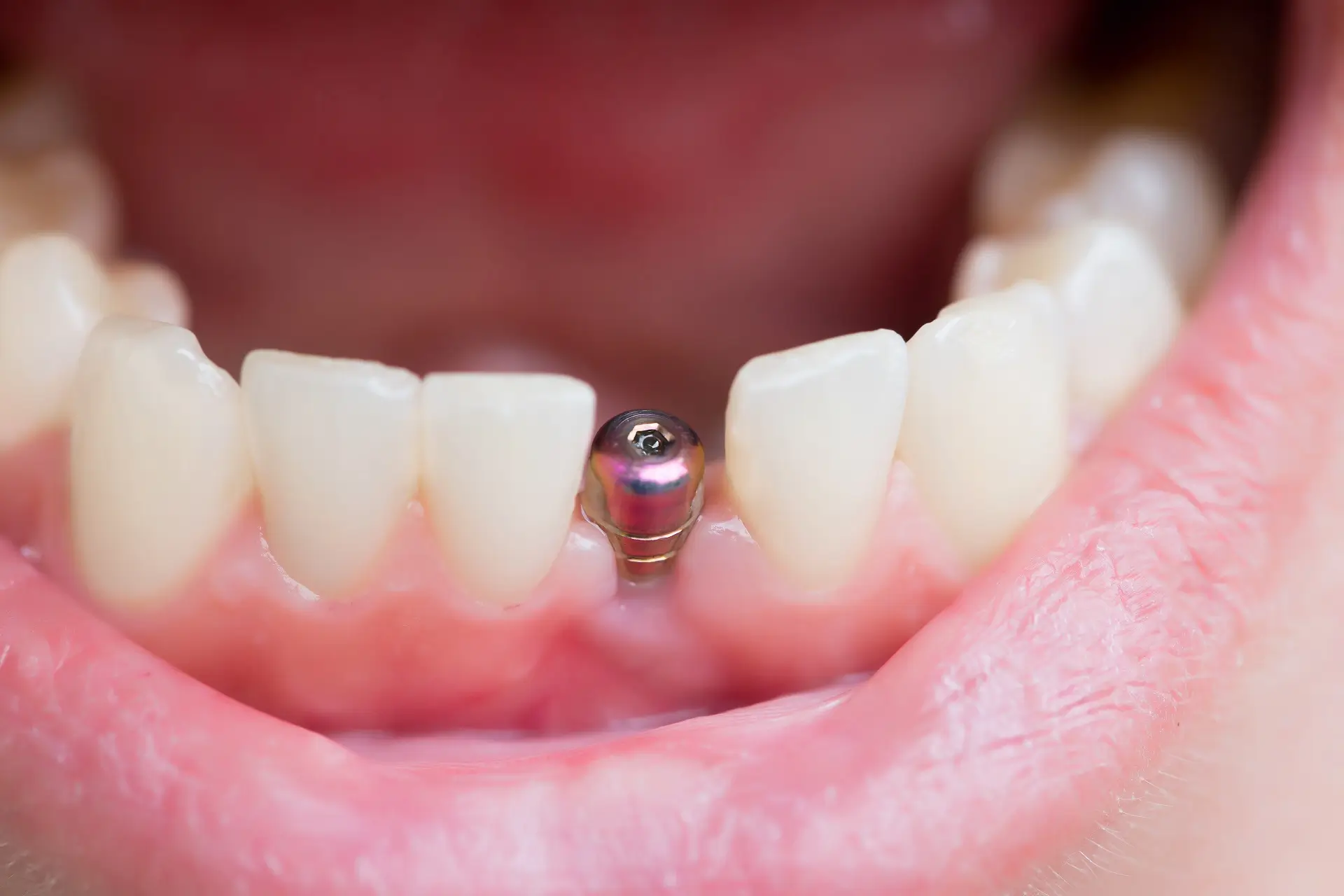
Why Thailand Dental Implants Are a Favorite Choice Among International Travelers
If you’ve ever chatted with expats or frequent flyers on the BTS in Bangkok, you’ve probably heard it: Thailand dental implants are “same same but different”—as in, the same global-quality results, delivered with a different level of value, warmth, and convenience. For many international travelers, Thailand ticks all the boxes: skilled implant dentists, modern technology, transparent pricing, and that sabai sabai (relaxed, stress-free) vibe that makes even dental visits feel manageable.
World-class care without the jaw-dropping price
Dental implants are an investment, and in Thailand the value is hard to ignore. Fees are generally more affordable than in the US, UK, Australia, or the Middle East, thanks to lower operating costs—without cutting corners on materials or safety. Most reputable clinics use well-known implant systems, offer clear treatment plans, and break down costs so you can plan properly in baht before you fly. You’ll still want a personalized quote (implant type, bone grafting, and crown choice all influence the total), but the difference often covers flights and a comfortable stay—and then some.
Global standards and modern technology
Thailand’s top dental clinics and hospital dental centers follow international protocols, with strict sterilization, digital records, and evidence-based treatment. Many facilities are ISO-certified or part of JCI-accredited hospitals. It’s common to see advanced tech like 3D CBCT scans, guided surgery, CAD/CAM milling, and intraoral scanners—tools that help dentists plan precise implant placement and reduce chair time. This isn’t “budget dentistry”; it’s professional care delivered efficiently.
Dentists who speak your language—literally and clinically
A lot of Thai dentists hold postgraduate training from overseas universities or complete international fellowships. That experience shows in how they handle case selection, bone grafting when needed, and immediate vs. delayed loading protocols. Just as importantly, front-desk and clinical teams in Bangkok, Phuket, and Chiang Mai are used to international patients. English is widely spoken, treatment steps are explained clearly, and written plans make it easy to compare options. You can ask all your questions without feeling rushed—mai pen rai, no worries.
Efficient timelines that work with travel plans
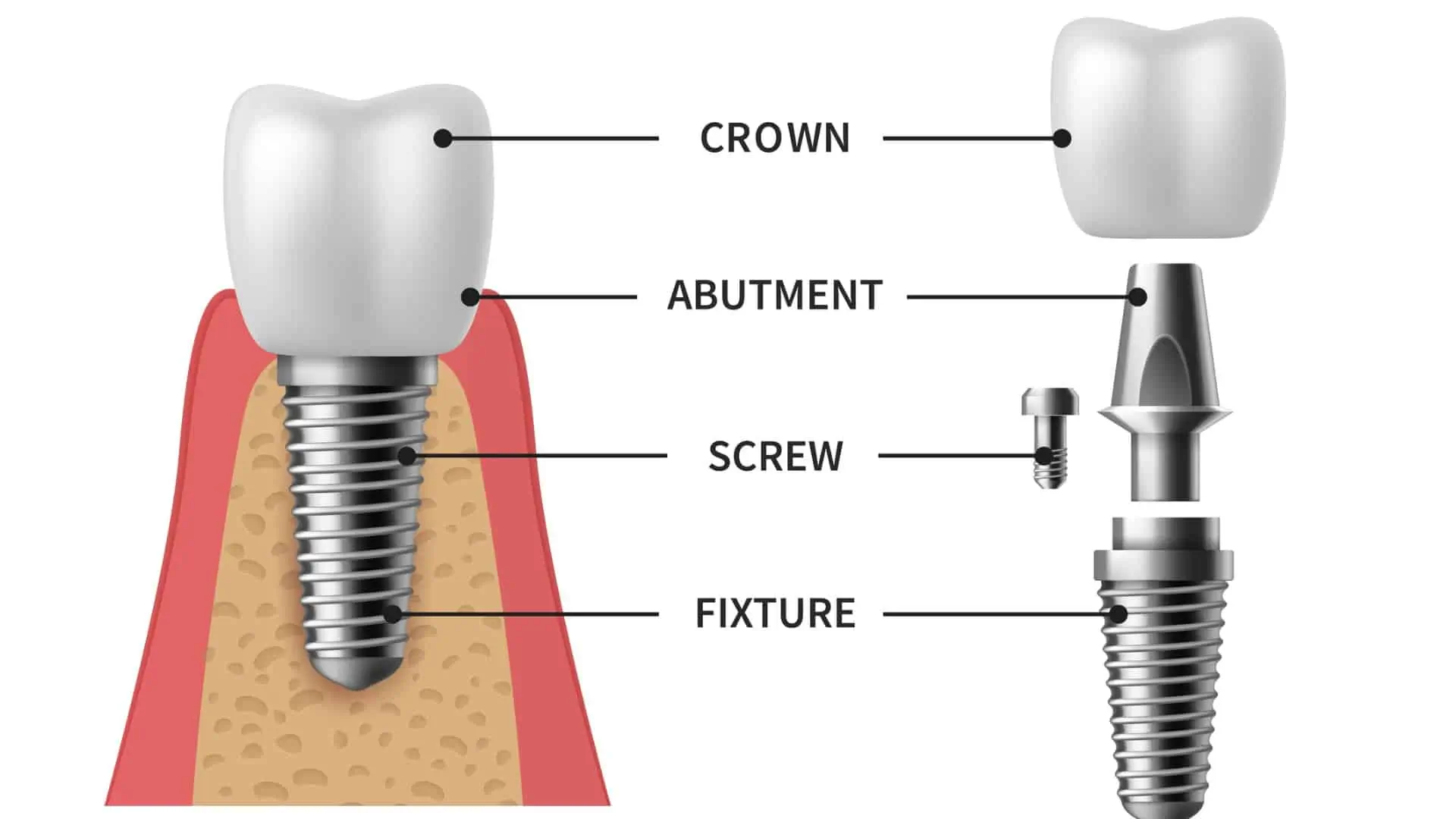
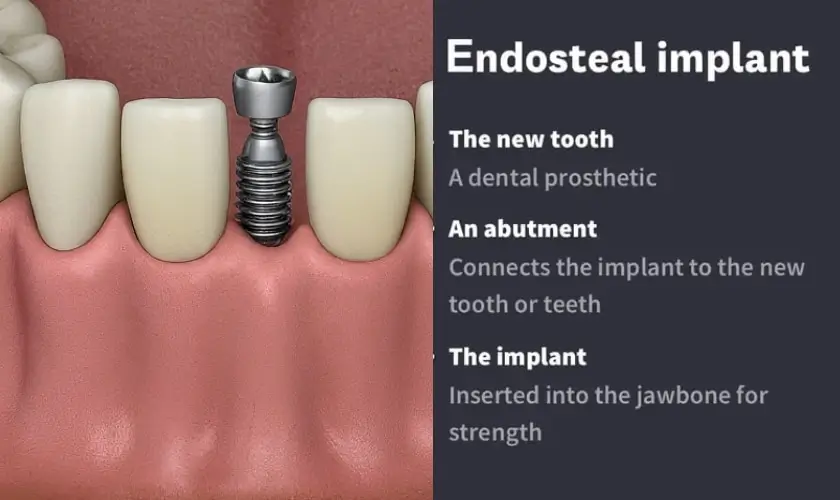
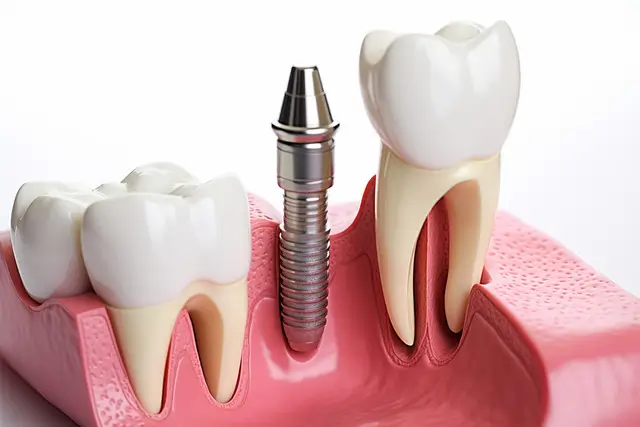
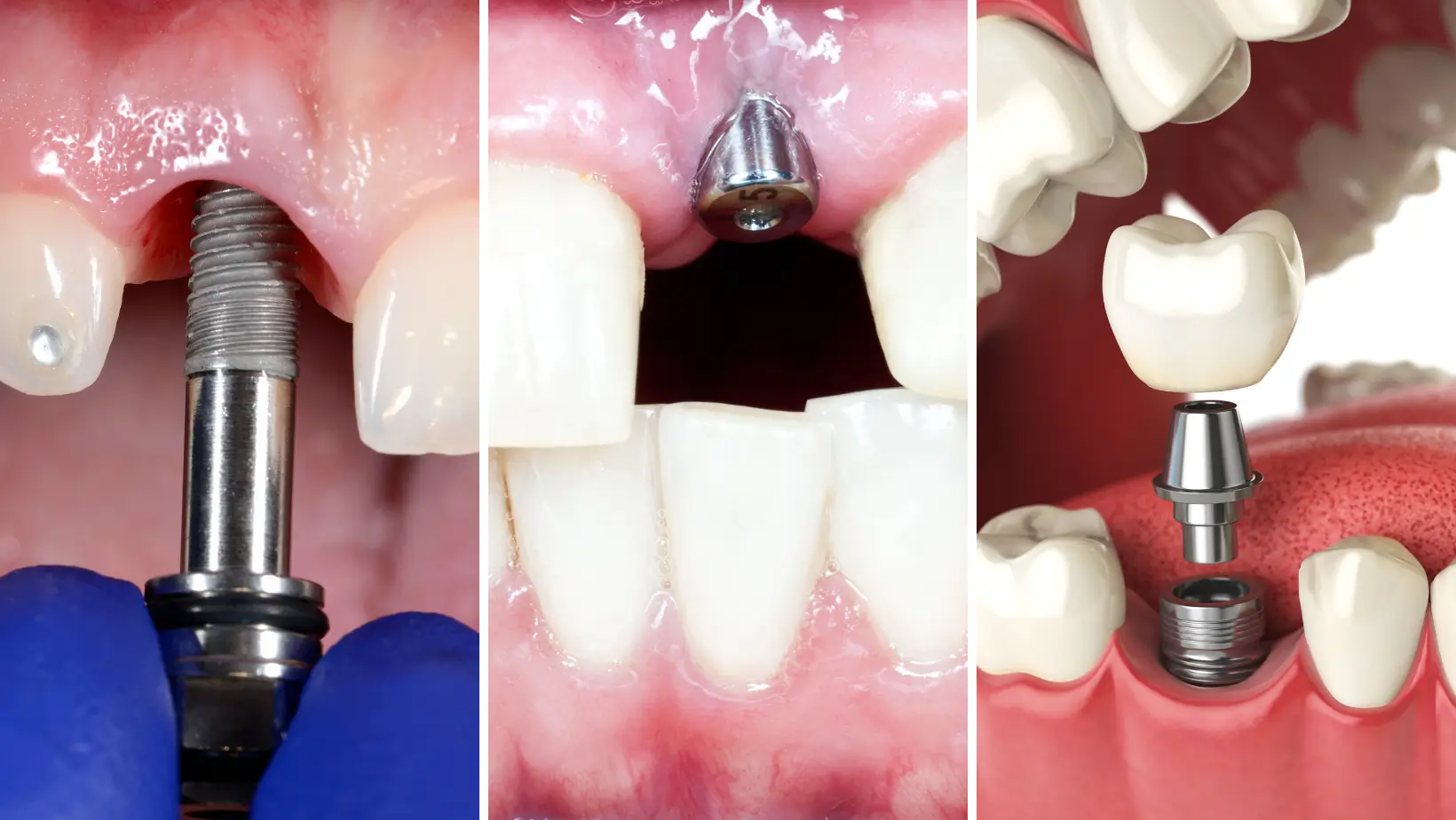
Most implant journeys involve two stages: placing the implant, then returning for the abutment and final crown after 3–6 months of healing. Thai clinics are used to coordinating with travelers and can compress appointments into well-planned blocks.
- Trip 1 (3–7 days): consultation, scans, implant placement, provisional solutions if needed.
- Healing at home.
- Trip 2 (3–7 days): uncovering, impressions or scan, try-ins, and final crown delivery.
Some cases qualify for immediate loading (a temporary tooth shortly after surgery), and full-arch solutions can follow accelerated protocols. Your dentist will advise what’s safe and predictable for your bone and bite.
Comfort and aftercare done the Thai way
Thailand’s hospitality industry sets the bar high, and clinics follow suit. You’ll find clean, modern facilities, gentle chairside manner, and practical aftercare instructions. For anxious patients, sedation options and pain control are discussed openly. Follow-ups are streamlined, and many clinics offer WhatsApp/LINE updates while you’re back home. Recovery in a calm environment—think quiet soi near Sukhumvit, a city-view hotel by the BTS, or a beachside spot in Phuket—can make the whole
experience feel lighter.
Easy travel and great locations
Thailand is well-connected, visa-friendly for many nationalities, and simple to navigate. Most international travelers fly into Bangkok, then hop to Phuket, Chiang Mai, or Pattaya if they’re combining treatment with a holiday. Clinics are often near major transport lines (BTS/MRT) and close to hotels, shopping, and cafes—so you can keep it low-key between appointments. Whether you fancy a sunset on Nai Harn Beach or a gentle stroll through Chiang Mai’s old city, there’s plenty of “sanuk” (fun) that doesn’t interfere with post-op care.
Transparent pricing and real value
Good clinics in Thailand provide clear, itemized quotations and explain the differences between implant brands, crown materials (zirconia vs. porcelain-fused-to-metal), and any additional procedures like sinus lifts or bone grafts. Many offer warranties on the implant fixture and reasonable policies on crown adjustments. You’ll usually be able to pay by credit card in baht, with receipts that make insurance claims (if applicable) smoother.
How to choose the right clinic in Thailand
- Check credentials: Look for dentists with implant training and memberships in recognized implantology bodies.
- Review case photos and testimonials: Consistency matters more than a few glamorous shots.
- Ask about systems and labs: Established implant brands and experienced dental labs reduce surprises.
- Confirm sterilization and safety: Don’t hesitate to ask about protocols and equipment.
- Plan the timeline: Request a tentative schedule, including healing periods and number of visits.
- Clarify communication and aftercare: Ensure easy contact while you’re abroad and policies for complications.
- Verify total costs: Get a written plan that covers scans, surgery, abutment, crown, and any grafting.
What to expect during your implant journey
1. Remote pre-consultation: Send recent X-rays or a CBCT if you have one. The clinic can give a provisional plan and proposed timeline.
2. In-person assessment: Your first visit includes a clinical exam and updated scans. The plan may be refined based on bone quality and bite analysis.
3. Surgery day: Implant placement is typically done under local anesthesia with or without sedation. You’ll receive medications and aftercare instructions.
4. Healing: Osseointegration usually takes a few months. A temporary solution keeps your smile presentable during this phase.
5. Restoration: On your second trip, the abutment and custom crown are fitted and adjusted for bite and aesthetics.
6. Maintenance: Regular hygiene at home, good brushing and flossing, and follow-up X-rays as advised—big keys to long-term success.
A quick word on candidacy and expectations
Not everyone is an immediate candidate for implants. Gum health, bone volume, and lifestyle factors like smoking can influence healing. Honest Thai clinicians will tell you when bone grafting is advisable, when a bridge might be smarter, or when to wait. It’s all about long-term stability—not just a fast fix.
The bottom line
Thailand blends skilled dentistry, modern tech, and a friendly, can-do approach that puts travelers at ease. You get careful planning, clear communication, and a healing period that can be spent in one of the world’s most welcoming destinations. Same same quality, different level of value and experience. Khob khun for reading—and if you decide to come, you’ll likely leave with more than a stronger bite: you’ll have a reason to smile every time you think of the Land of Smiles.