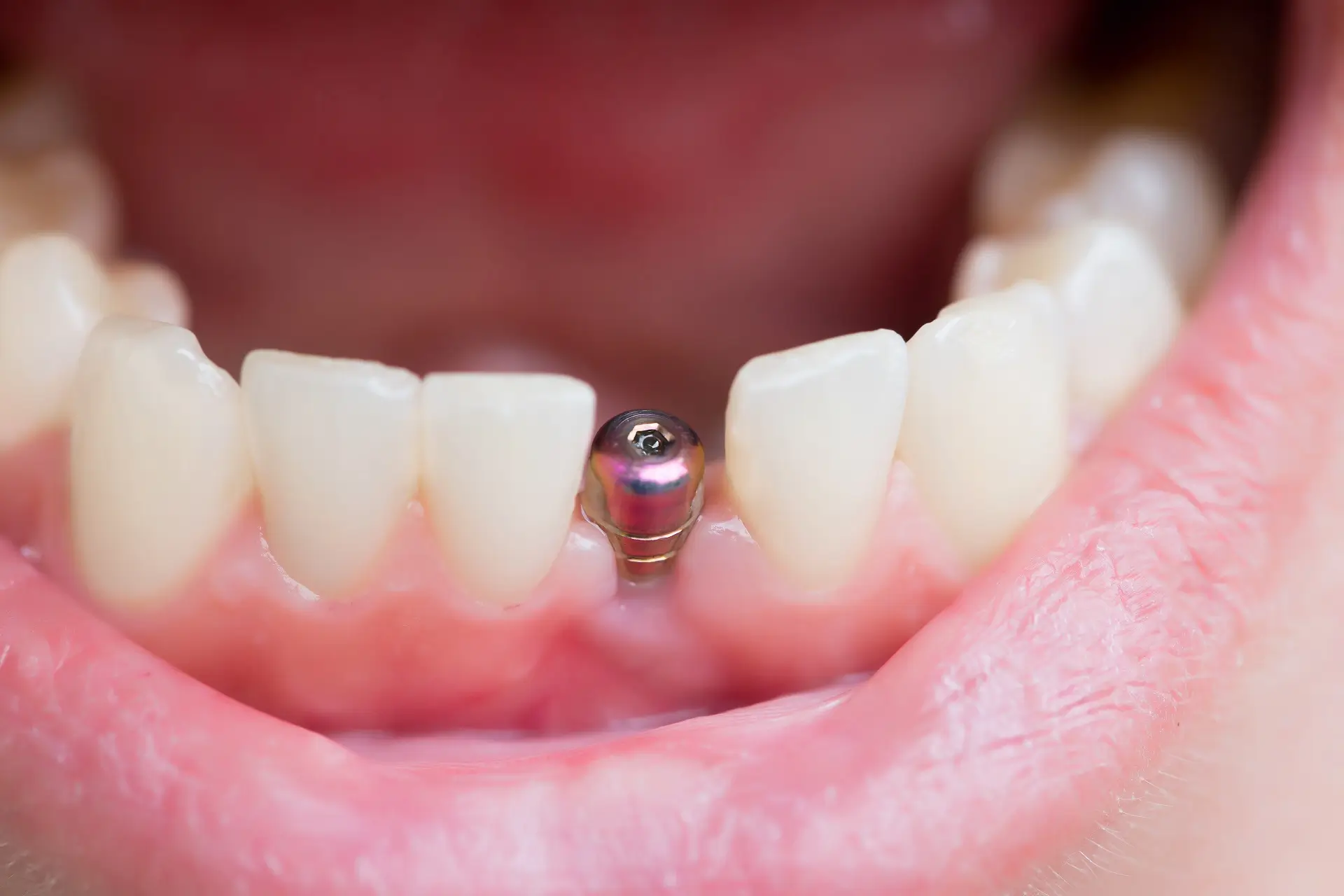
Thailand Dental Implant Advantages for International Smile Restoration Travelers
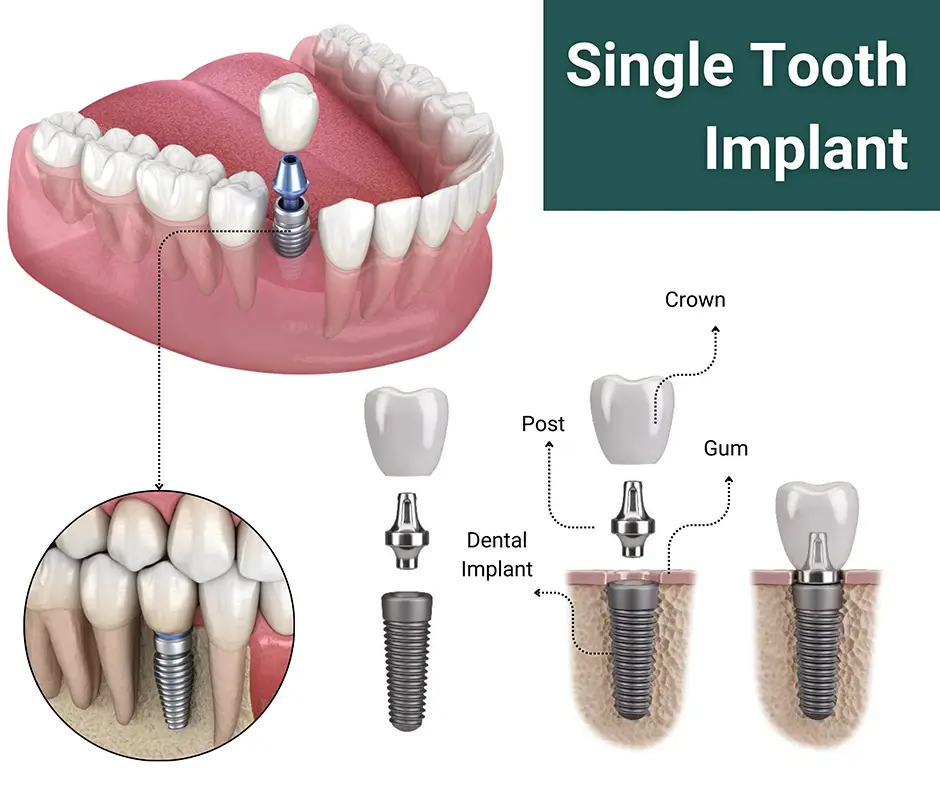
Thailand Dental Implant Advantages for International Smile Restoration Travelers
Looking for a confident bite and a natural-looking smile without breaking the bank? Thailand has become a favorite hub for dental implant travelers, combining world-class dentistry with warm “sabai sabai” hospitality. It’s not just about a holiday; it’s about safe, predictable smile restoration guided by experienced dentists and modern technology—plus a little “mai pen rai” (no worries) comfort along the way.
Why Thailand stands out for dental implants
- High clinical standards and skilled implantologists: Many Thai dentists complete advanced training abroad and hold memberships in international societies. Implant centers in Bangkok, Phuket, Chiang Mai, and Pattaya often use digital workflows, including 3D CBCT scans, intraoral scanners, and computer-guided surgery. This precision planning reduces guesswork and supports long-term success.
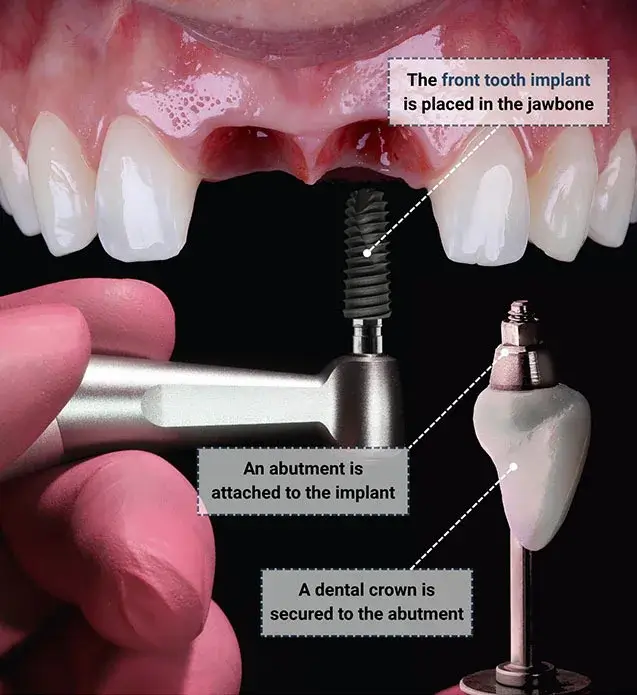
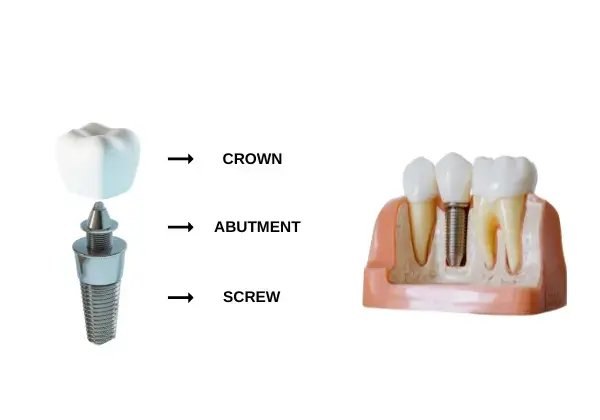
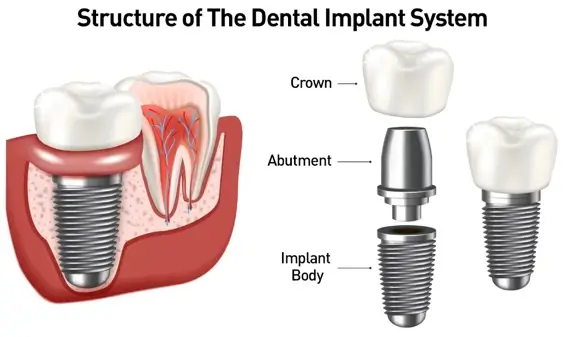
- Quality materials you know: Leading clinics work with globally recognized implant systems such as Straumann, Nobel Biocare, and MIS, paired with CAD/CAM zirconia or porcelain crowns from certified dental labs. Clear documentation of brands and lot numbers helps with traceability and future maintenance anywhere in the world.
- Strong value for money: Compared to the US, Australia, or Western Europe, Thailand’s implant fees are typically 40–60% lower while maintaining high quality. As a general guide, a single implant fixture with abutment and crown commonly ranges from 50,000 to 90,000 THB (about USD 1,400–2,600), depending on the brand, case complexity, and clinic location. Bone grafts or sinus lifts, when needed, are additional. Many clinics offer transparent packages that include consultation, CBCT, surgery, and provisional restorations.
- Confidence in hygiene and safety: Top clinics follow strict sterilization protocols and international infection control standards. Major hospital-based dental centers often carry global accreditations and are audited regularly. Implants and biomaterials are registered with the Thai FDA.
- Easy access and smooth logistics: Thailand’s airports are well connected, with plenty of flights into Bangkok (Suvarnabhumi and Don Mueang) and direct routes to Phuket and Chiang Mai. Hotels near BTS/MRT stations, plentiful pharmacies and 7‑Eleven stores, and English-speaking staff make the stay comfortable for “khun” (you). Many clinics arrange airport pick-up and patient coordinators—no worries.
- Comfort-first care: The Thai care culture focuses on being gentle and attentive. Dentists take time to explain options clearly, with English-speaking teams and sedation choices available for nervous patients.
Understanding treatment timelines
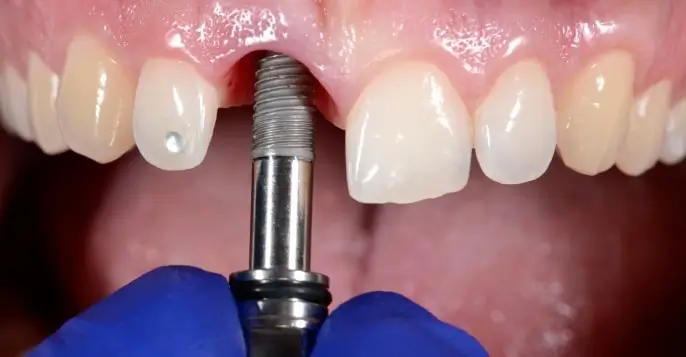
- Standard two-stage approach: After placing the implant, there’s an osseointegration period (usually 3–6 months) before fitting the final crown. International patients often plan two trips: first for surgery, second for loading the definitive crown. Between trips, you’ll wear a temporary solution.
- Immediate or same-day loading: In select cases with strong bone support (especially for full-arch solutions like All-on-4 or All-on-6), temporary teeth may be attached within 24–72 hours. Not everyone is a candidate; your CBCT and bite analysis will guide this decision.
- Grafts and sinus lifts: If bone is thin or height is limited in the upper jaw, your dentist may recommend augmentation. This can extend healing times but helps ensure long-term stability.
What your implant journey might look like
- Before you fly:
- Share your dental records, recent X-rays, and medical history. If you can, get a CBCT locally for pre-assessment.
- Discuss medication
s (especially blood thinners) with your dentist and doctor.
- Stop smoking or reduce as much as possible—the success rate is higher for non-smokers.
- On arrival:
- Day 1: Consultation, CBCT, digital scans, and a clear treatment plan with itemized costs. You’ll know the implant brand, abutment type, and crown material.
- Day 2–3: Surgery day with local anesthesia or IV sedation. Many patients are surprised how quick and comfortable it is.
- Day 3–7: Review appointment to check healing, adjust a temporary tooth if provided, and go through home care instructions.
- Aftercare: Gentle brushing, saline rinses, soft diet, and pain control as guided. Swimming and heavy exercise are best avoided for the first week. You can still enjoy light sightseeing—just keep it “sabai sabai.”
- Remote follow-up:
- Clinics offer video check-ins and coordinate with your local dentist for routine maintenance. Keep all documents for future reference.
How to compare clinics like a pro
- Implant brands and lab quality: Ask for the exact implant system and who makes the crown. A good clinic is happy to show certifications.
- Surgeon’s experience: Years placing implants, number of cases per year, and photos of similar cases to yours are useful indicators.
- Transparent pricing: Confirm what’s included—consultation, CBCT, abutment, crown, provisional, graft materials, and follow-ups.
- Warranty and maintenance: Understand the guarantee terms for the implant and prosthetic parts, and how repairs are handled if you’re back home.
- Sterilization and safety: Look for clear infection-control procedures and well-equipped surgical rooms.
- Communication and responsiveness: Fast, clear answers before you book are a good sign you’ll receive attentive care on arrival.
Travel tips for a smooth, stress-free stay
- Plan enough days: For single implants without grafting, 5–7 days is comfortable. Add extra days for grafting or multiple implants. For full-arch immediate loading, clinics may ask for 10–14 days.
- Time your flight smartly: Fly in at least one day before surgery to rest. Post-op, allow a few days buffer before long-haul travel.
- Food and comfort: Thailand is a foodie paradise, but stick to soft options for the first week—think congee (jok), soft noodles, smoothies, and ripe mango. Hydrate well.
- Payments and paperwork: Most clinics accept major cards and bank transfers. Keep digital and printed copies of your treatment plan, invoices, and radiographs.
- Visas and insurance: Many nationalities receive visa exemption for short stays. Travel medical insurance is a good idea; ask if your policy includes dental complications abroad.
- Lifestyle notes: Avoid smoking and alcohol in early healing. If you plan beach time, enjoy the sun from the shade and skip ocean swims for the first week—no worries, there’s plenty else to do.
Realistic expectations lead to happy results
Dental implants have a high long-term success rate when placed by experienced teams and maintained with good hygiene. Expect mild swelling and tenderness for a few days. Most patients resume normal routines quickly, enjoying better chewing and confidence. The key is proper planning, a clinic that fits your needs, and consistent aftercare once you’re home.
Thailand blends advanced implant dentistry with friendly service, fair pricing, and a calm atmosphere that helps you heal. Whether you’re coming for a single tooth or a full-arch Smile Restoration, you’ll find precise treatment, clear communication, and a care experience that feels genuinely welcoming. See you in Thailand—sabai sabai and smile on.