Why Thailand Is a Favorite Dental Tourism Destination for Dental Implants
Why Thailand Is a Favorite Dental Tourism Destination for Dental Implants
If you’ve heard friends say they went to Thailand for dental implants and came back smiling wider, you’re not imagining a trend. Thailand has become a favorite dental tourism destination because it blends high-quality care, sensible prices, and a relaxed, “mai pen rai” (no worries) approach that makes the whole journey feel more sabai sabai (comfortable). Here’s why more people are choosing the Land of Smiles for new smiles.
World-class dentists with international standards
Thailand’s top dental clinics, especially in Bangkok, Phuket, and Chiang Mai, attract dentists trained in the UK, US, Australia, and Japan. Many speak strong English and keep up with global protocols. Reputable hospitals and clinics hold international accreditations such as JCI or ISO, and they use strict sterilization and infection control systems. For patients who are anxious, clinics often offer sedation options handled by licensed anesthetists, adding a layer of safety and comfort.
Advanced technology you’d expect back home
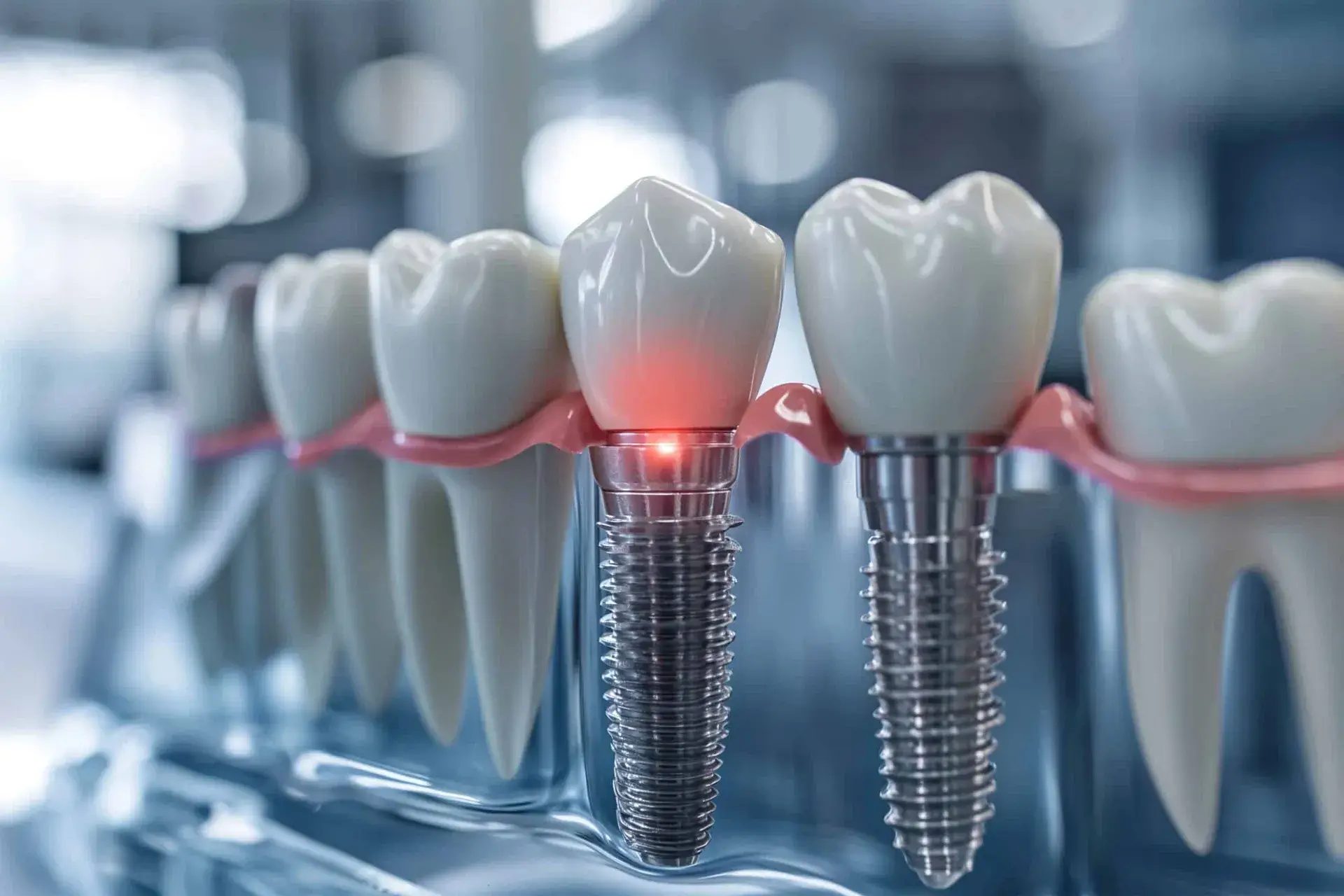
From 3D CBCT scans and digital impressions to computer-guided implant surgery, leading Thai clinics invest heavily in technology. You’ll commonly find titanium implant systems from trusted global brands, and restorative work made with CAD/CAM for precise crowns and bridges. This isn’t a “budget” setup—it’s modern dentistry delivered efficiently.
Real value without cutting corners
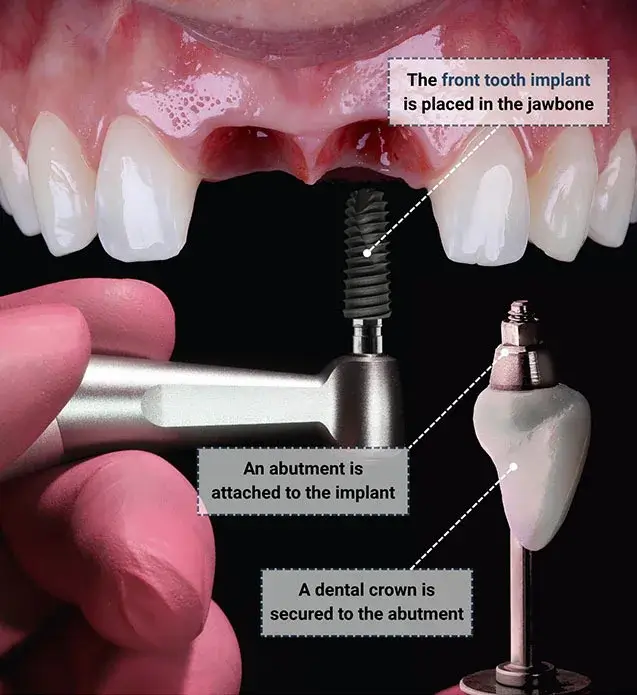
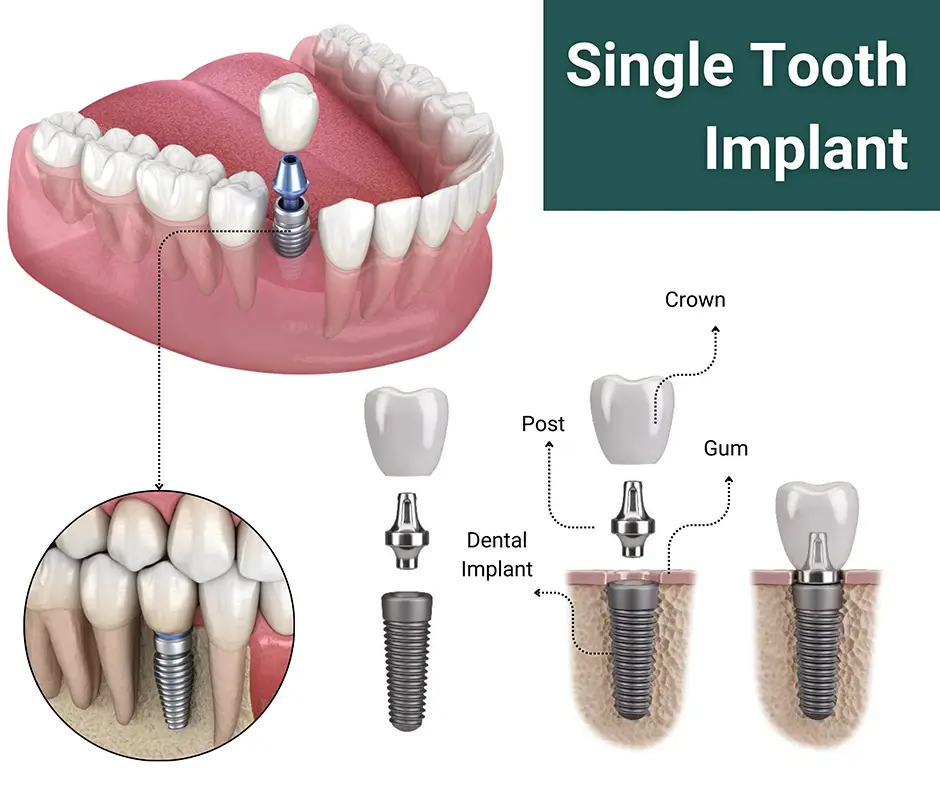
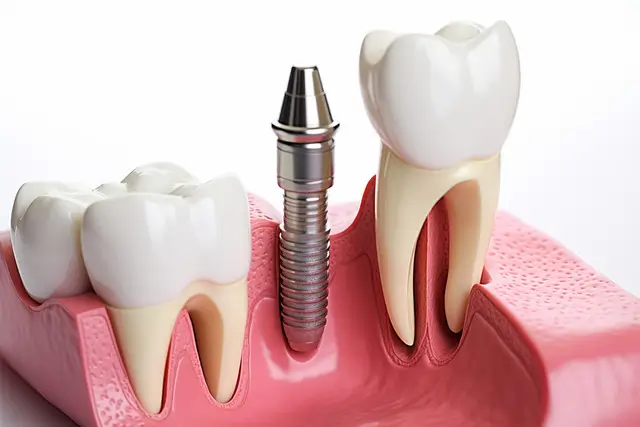
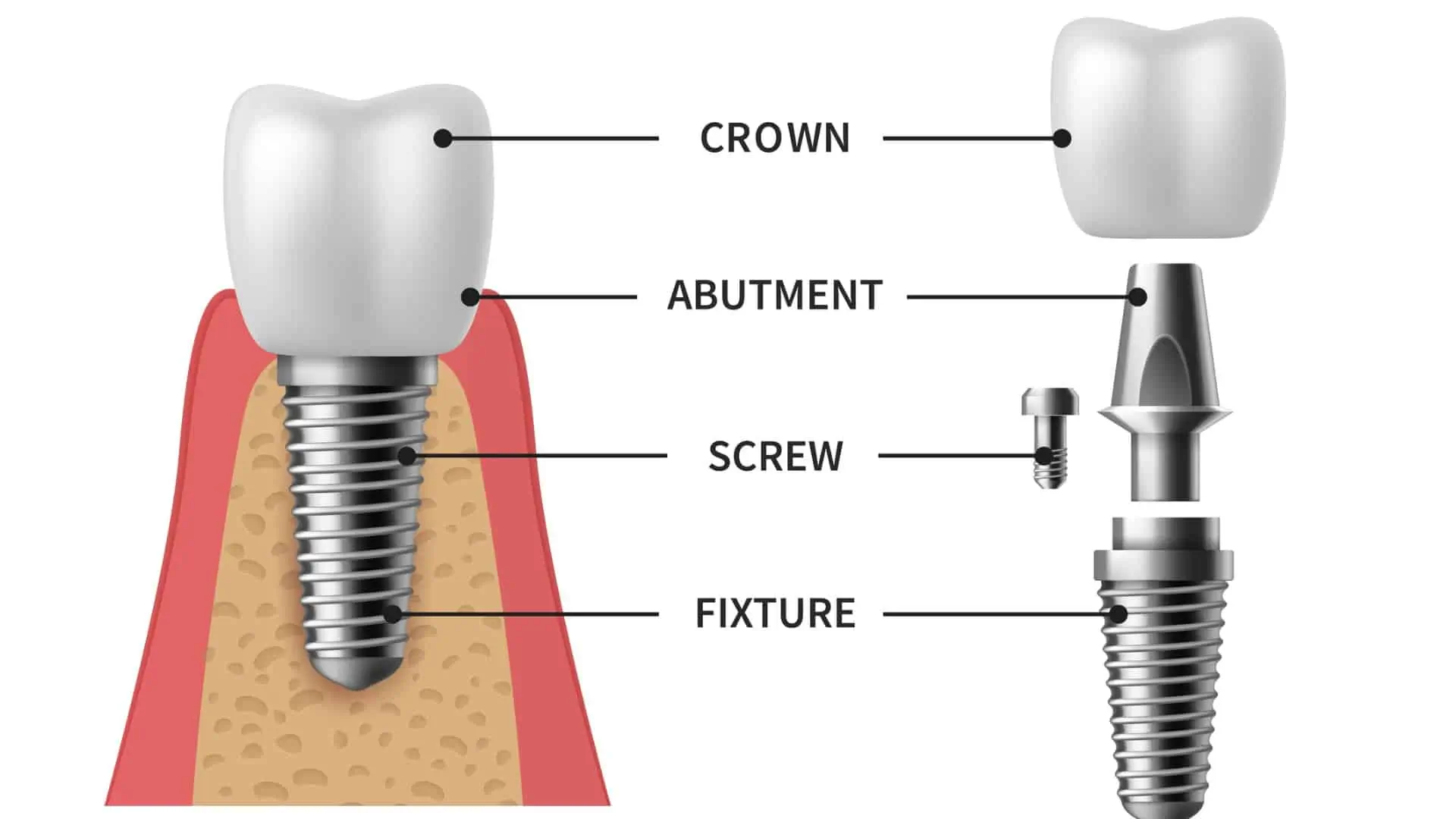
Cost is a big draw, but it’s the value that seals the deal. While prices vary by clinic and case, a single implant with a crown in Thailand can often be a fraction of the cost in the US, Australia, or Europe. Many clinics provide transparent quotes and package pricing that include consultations, imaging, the implant fixture, abutment, crown, and sometimes airport pickup or hotel support. You’ll pay in Thai baht, with cards widely accepted, and you get itemized treatment plans before proceeding.
Smooth logistics and friendly service
Thailand is built for hospitality. Appointments are easy to book, wait times are short, and care coordinators can help with airport transfers, hotel recommendations, and even dietary suggestions for the post-op soft-food phase. In Bangkok, staying near the BTS Skytrain or MRT makes it a breeze to reach your clinic without stress, even on your first trip.
A recovery that feels like a holiday
Dental implant surgery doesn’t have to feel clinical. Many visitors plan a comfortable recovery in Thailand’s calm environment—think gentle walks in Lumpini Park, a quiet resort in Phuket, or a café with a soft-food menu in Nimman, Chiang Mai. Thailand’s obsession with hospitality makes resting up easy. You can still enjoy plenty of “sanuk” (fun) without overdoing it. Most dentists suggest avoiding hard, spicy, or very hot foods for a while and skipping intense workouts for a few days.
Clear treatment pathways for implants
- Single-tooth implants: Often done in two stages—implant placement, then crown after osseointegration (usually a few months).
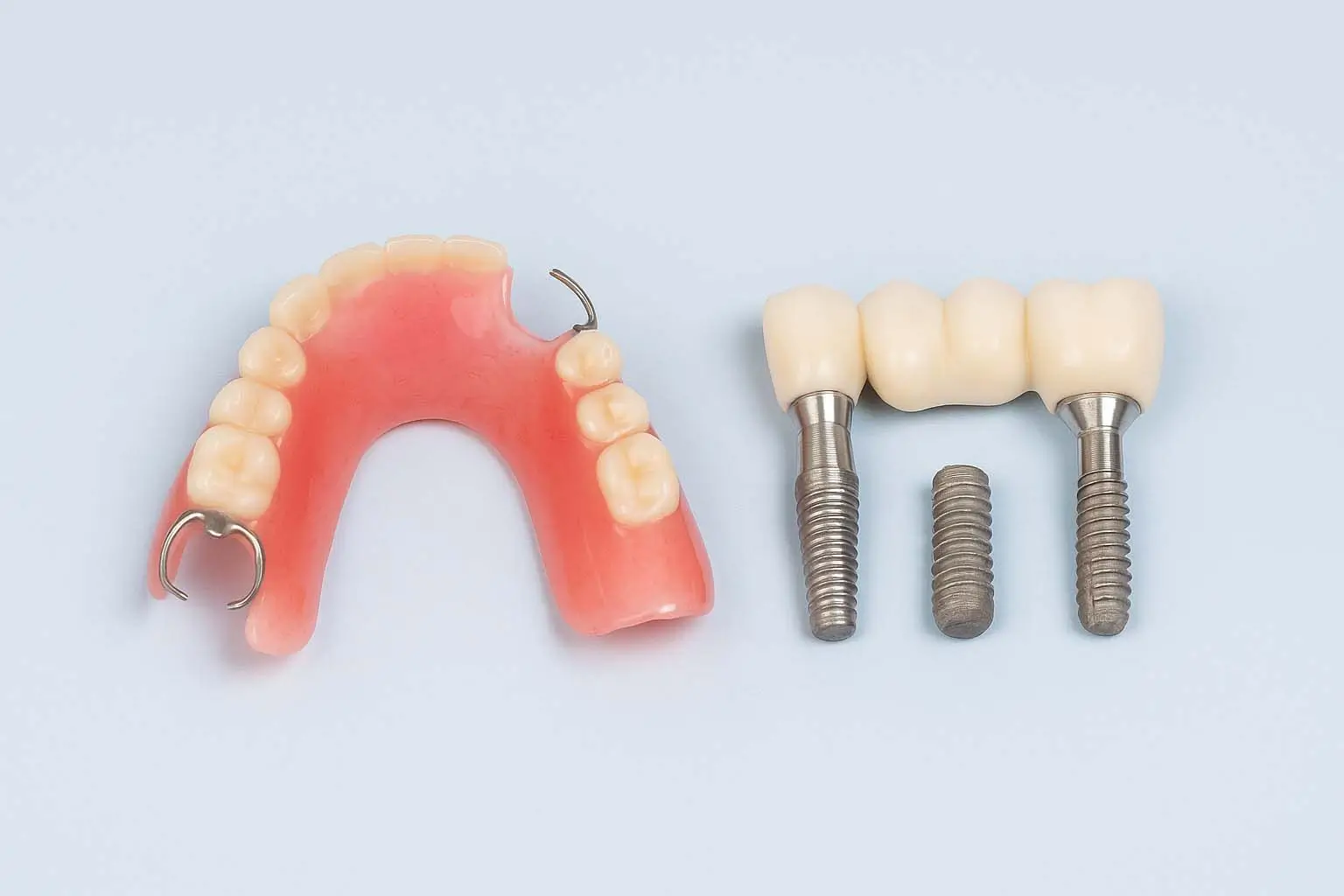
- Multiple implants and All-on-4/All-on-6: Timeline varies; some cases allow immediate provisional teeth on the same trip, but definitive restorations often come later.
- Typical travel plan: Many patients do two trips—first for placement, second for the final crown/bridge. Your clinic will advise based on bone
quality, healing, and whether bone grafting is needed.
Safety and hygiene come first
Thailand’s reputable clinics operate with rigorous sterilization, pre-operative screening, and clear aftercare instructions. You’ll receive written guidelines and in many cases a hotline or WhatsApp contact for any questions. Clinics stock quality antibiotics and pain control when appropriate, and they’ll coordinate with your home dentist for continuity of care.
How to choose the right Thai clinic
- Check credentials: Look for dentists with specialty training in implantology and recognized affiliations.
- Ask about imaging and planning: A proper plan includes CBCT scans, a digital or surgical guide when appropriate, and a clear explanation of your bone status.
- Review brands and materials: Ensure the clinic uses well-known implant systems and high-quality zirconia or porcelain for crowns.
- Read recent reviews: Prioritize detailed patient stories over generic star ratings.
- Compare full quotes: Upfront pricing should include all stages—implant, abutment, crown, anesthesia options, and follow-up.
- Avoid too-good-to-be-true deals: Competitively priced is normal; rock-bottom pricing can signal corners are being cut.
Practical travel tips that make life easier
- Visa and stay: Many nationalities receive visa-free entry for short stays; confirm current rules before you fly.
- Timing: Avoid scheduling surgery right before a long-haul flight; give yourself a few days to rest. Consider the rainy season and major holidays like Songkran (Thai New Year) when planning.
- Insurance: Check if your travel or health insurance covers dental complications abroad.
- Payments: Clinics accept cards and baht; carrying a bit of cash helps for taxis or small purchases.
- Location matters: For multiple visits, staying near your clinic—on Sukhumvit or Silom in Bangkok, for example—saves time.
- Food: Thailand is great for soft foods—congee (jok), steamed fish, smoothies, and soft tofu are widely available.
What to expect during and after treatment
Your first visit usually includes a consultation, digital scans, and a treatment plan. If you proceed, implant placement may occur the same trip, often with local anesthesia and optional sedation. Some mild swelling or discomfort is normal for a few days. You’ll follow a soft diet, brush gently, and use prescribed rinses. After a healing period (often 3–6 months for traditional loading), you return for impressions and the final crown or bridge. Many clinics support remote check-ins by video and coordinate with your home dentist should you need adjustments later.
Why Thailand wins on the overall experience
The combination of skilled dentists, advanced technology, transparent pricing, and the famously warm Thai approach makes the process feel less like medical tourism and more like smart, well-managed care. Add in a comfortable recovery surrounded by helpful staff and the convenience of a destination accustomed to international visitors, and it’s easy to see why Thailand is a top choice for dental implants.
If you’re considering dental tourism, Thailand offers a balanced mix: quality you can trust, prices that make sense, and a setting where “no worries” actually feels true. Same same—but different in all the right ways for your smile.