Thailand Dental Implant Benefits for Patients Searching for Affordable Tooth Solutions
Thailand Dental Implant Benefits for Patients Searching for Affordable Tooth Solutions
If you have a missing tooth and you’re comparing options, dental implants in Thailand often tick the boxes for quality, comfort, and price. Many patients fly in—some even come from nearby ASEAN countries—because Thai clinics are known for strong clinical standards, modern technology, and transparent pricing. Whether you’re based in Bangkok, Phuket, or planning a dental trip from overseas, here’s a clear look at why Thailand is a great place to get dental implants without breaking the bank.
Why choose dental implants over bridges or dentures
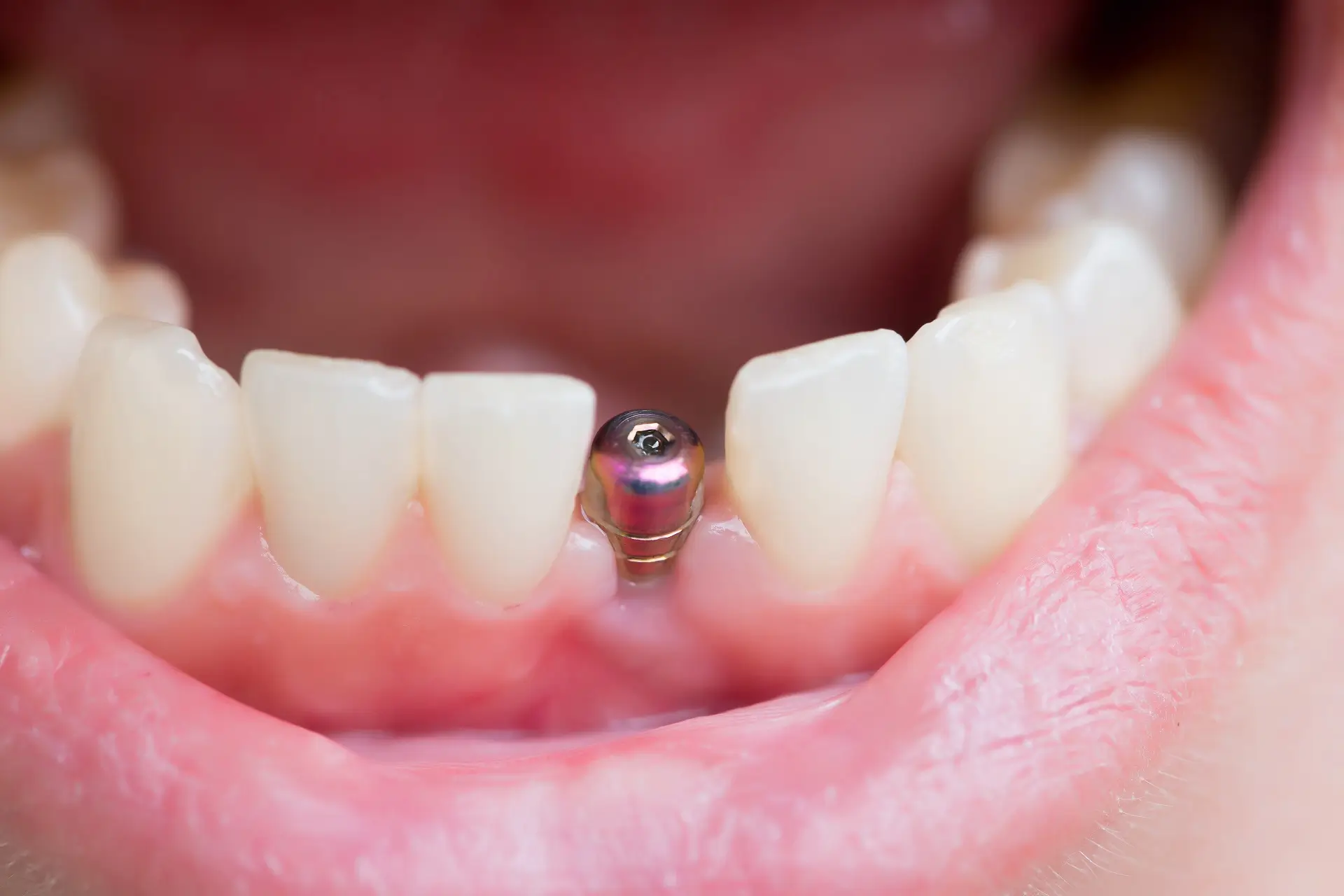
- Natural feel and function: An implant acts like a real tooth root, so you can bite, chew, and speak with confidence. No slipping like a loose denture.
- Protects your jawbone: Because implants stimulate bone, they help reduce bone loss that often happens after a tooth is removed.
- Long-term value: A well-maintained implant can last many years. While the upfront cost may be higher than a bridge, you usually avoid replacing work every 5–10 years.
- Easy to clean: Brush and floss like normal. No need to remove a device at night.
- Keeps healthy teeth intact: Unlike a bridge, an implant doesn’t require your dentist to shave the neighboring teeth.
Why Thailand stands out for dental implants
- Value for money: Thanks to efficient clinics and competitive fees, Thailand offers affordable tooth implant solutions without compromising quality.
- Skilled dentists: Many implant dentists are internationally trained and place implants every day. Big cities like Bangkok, Chiang Mai, and Phuket have clinics focusing on implant dentistry and full-arch solutions like All‑on‑4.
- Modern tech: Expect CBCT 3D scans, digital treatment planning, and guided surgery in many clinics. These tools improve accuracy and shorten chair time.
- International standards: Look for clinics with ISO-certified sterilization and partnerships with globally recognized implant brands (for example, Straumann, Nobel Biocare, MIS).
- Easy communication: English-speaking dentists and staff are common, especially around Sukhumvit, Silom, Thong Lo, and other areas near BTS and MRT stations. Finding a clinic on a convenient soi can make follow-up visits quick and stress-free.
What dental implants cost in Thailand
Every case is different, but ballpark ranges help with planning:
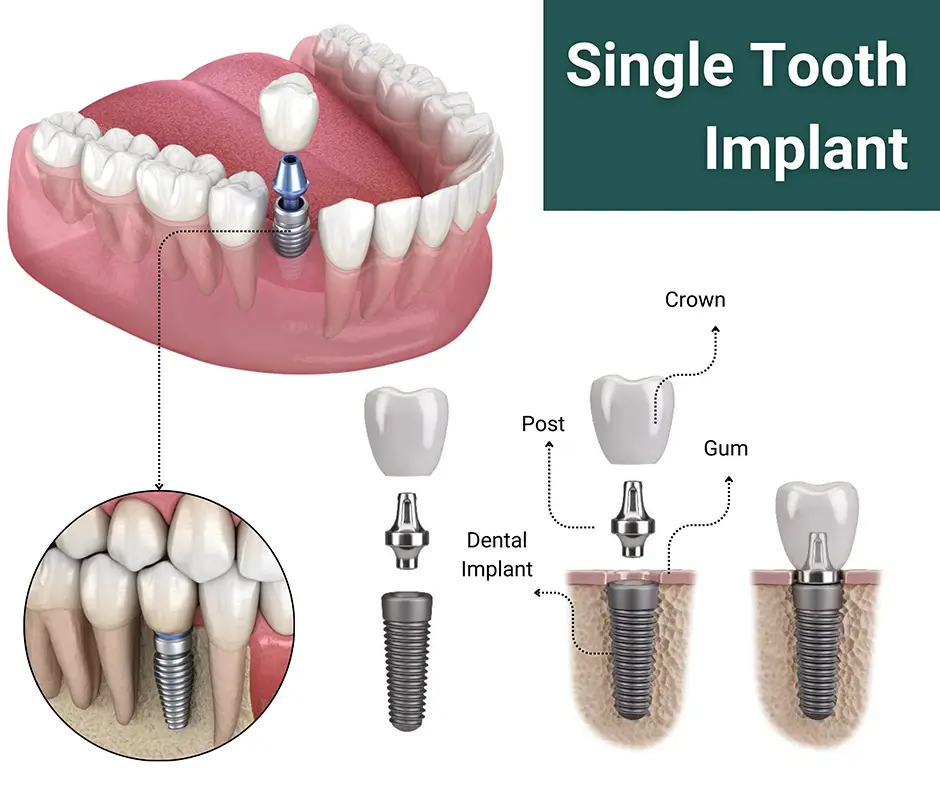
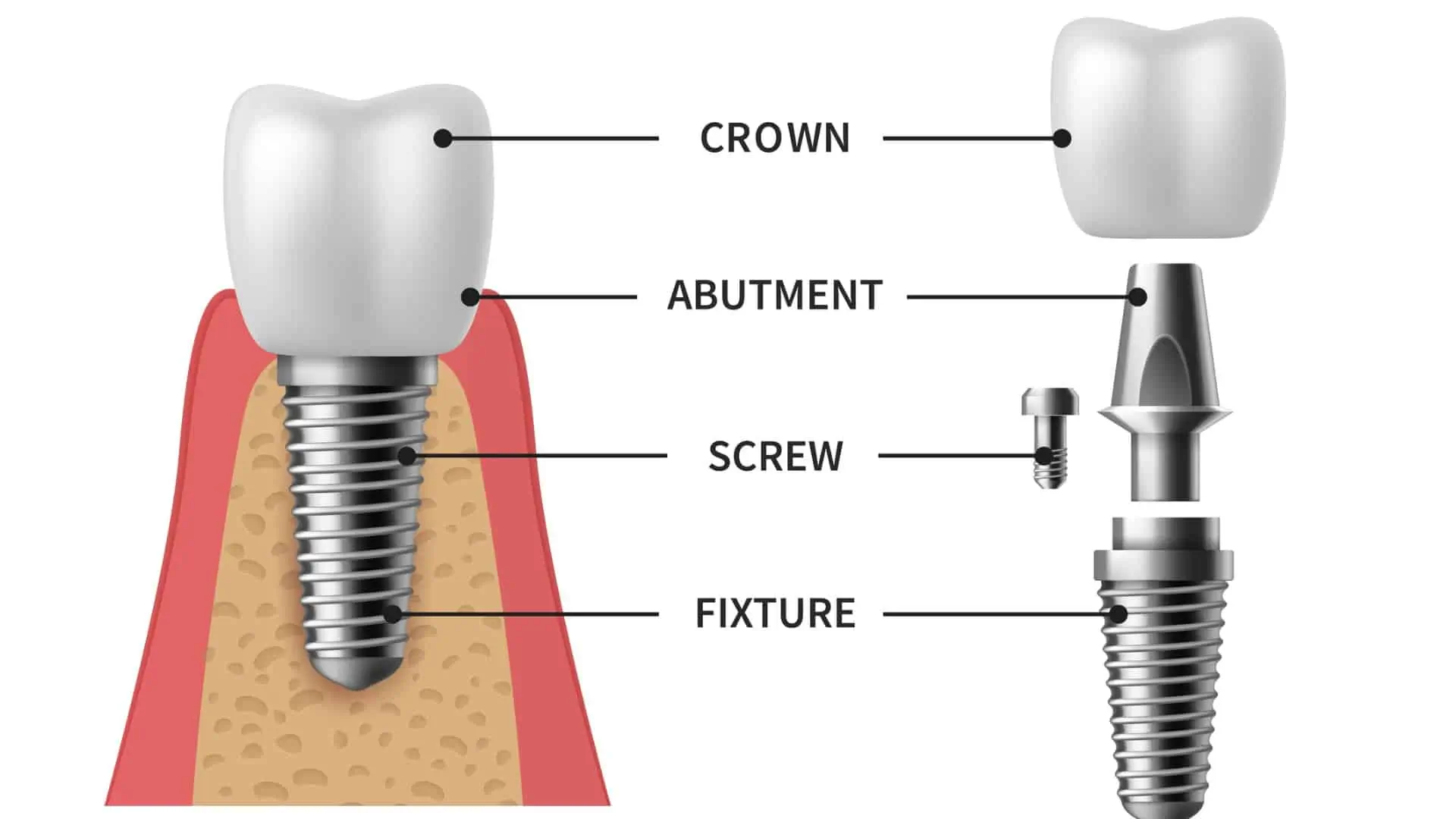
- Single implant fixture (the titanium post): around 35,000–60,000 THB
- Abutment and crown: around 20,000–35,000 THB
- Typical total for a single tooth: roughly 55,000–95,000 THB, depending on brand, crown material, and case complexity
- Full‑arch solutions (such as All‑on‑4 or All‑on‑6): commonly 280,000–480,000 THB per arch, with variation based on the number of implants, provisional teeth, and final materials
If you require extra procedures—bone grafting, sinus lift, gum treatment—fees will be higher. Always ask for an itemized quote and confirm what’s included (CBCT, surgical guide, temporary teeth, follow-up visits, and warranty terms).
The treatment timeline, step by step
- Consultation and 3D scan: Your dentist checks bone quality, bite, and gums. A CBCT scan maps the jaw so the plan is tailored to you.
- Preparation: If you need a graft or sinus lift, this is usually done first, with healing time before implant placement.
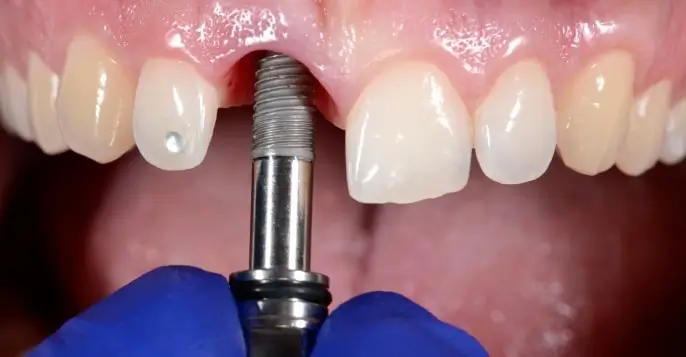
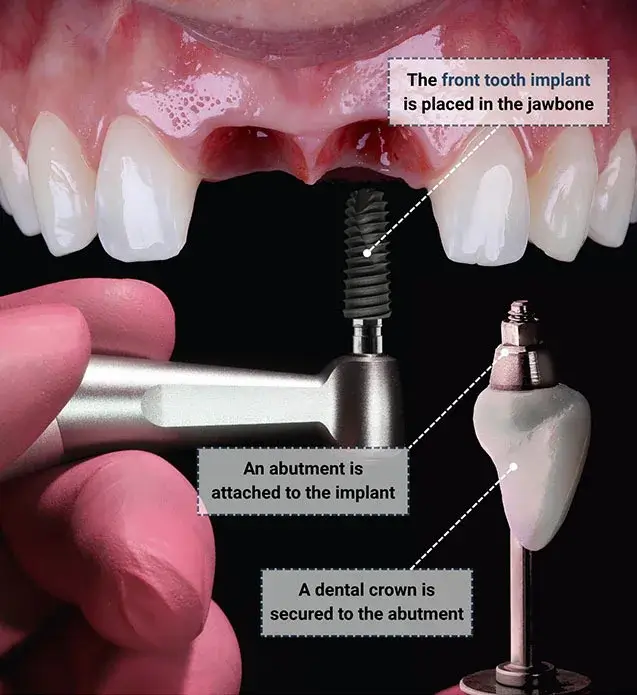
- Implant placement: Often a one-day procedure with local anesthesia. Many clinics offer IV sedation if you’d rather nap through it.
- Healing period: The implant integrates with the bone, usually 3–6 months. Some cases qualify for immediate or early loading (same-day or faster teeth),
but your dentist will advise if that’s suitable.
- Abutment and crown: Once healed, the abutment is placed and a custom crown is fitted. Expect multiple checks to fine-tune your bite and aesthetics.
- Aftercare: Regular cleaning, gentle brushing around the implant, and scheduled check-ups keep everything stable long term.
How to pick the right Thai clinic
- Check credentials: Look for dentists with implant training, memberships in implant associations, and a solid case portfolio.
- Ask about implant systems: Established, research-backed brands provide better long-term parts availability and support.
- Look for digital planning and CT imaging: These tools help avoid nerves and sinuses and place the implant in the ideal position.
- Verify the lab: Crowns made by a high-quality dental lab fit better and look more natural.
- Transparency and warranty: Request a written treatment plan with timelines, fees, and policies on complications or repairs.
- Location and convenience: A clinic near BTS or MRT can make appointments smoother, especially if Bangkok traffic is heavy. Weekend or evening slots are a bonus.
- Real reviews: Google Maps and independent forums can give a sense of patient experiences. Consistency matters more than a single glowing review.
Travel and recovery tips
- Plan for 2–3 visits: First for diagnostics and/or placement, second for the crown. If grafting is needed, add extra time.
- Stay a few days post-surgery: 3–5 days lets you return for a quick check and suture removal if needed.
- Eat soft, Thai-style comfort foods: Khao tom (rice soup), steamed fish, tofu, ripe mango, and omelettes are gentle on healing gums. Avoid sticky rice, nuts, super-crispy snacks, and very hot or spicy foods in the first week.
- No smoking and go easy on alcohol: Both slow healing and increase the risk of implant failure.
- Keep it cool: Use a cold pack in the first 24 hours and follow your dentist’s medication and rinsing instructions.
Common questions answered quickly
- Pain level: With local anesthesia and good technique, most patients say it’s surprisingly manageable—more pressure than pain. Some soreness after is normal and usually controlled with simple painkillers.
- Success rates: Healthy non-smokers with good bone have high success rates. Your dentist will assess medical conditions like diabetes or bruxism and plan accordingly.
- Can I work the next day? Many people return to light work within 24–48 hours, but avoid strenuous exercise for a few days.
- Will it look natural? With a quality crown and proper gum management, implants can blend seamlessly with your smile.
Long-term care for your implant
- Daily cleaning: Brush twice a day and floss or use interdental brushes around the implant. Consider a water flosser if you have full-arch work.
- Regular check-ups: Twice-yearly cleanings help keep gums healthy. If you grind your teeth, ask about a night guard.
- “Mai pen rai” but not when it comes to maintenance: If something feels off—looseness, swelling, or persistent discomfort—book a check sooner rather than later.
Final thoughts
For patients searching for affordable tooth solutions, Thailand offers a smart balance of cost, quality, and convenience. With experienced implant dentists, modern tech, and clear pricing, you can plan treatment with confidence. Do your homework, choose a reputable clinic, and follow aftercare instructions closely. The result is a stable, natural-feeling tooth replacement that lets you smile, eat, and live comfortably—without stretching your budget.