Thailand Dental Implant Advantages for a Complete Smile Restoration Experience
Thailand Dental Implant Advantages for a Complete Smile Restoration Experience
If you’re looking to restore your smile with dental implants and want top-notch care without breaking the bank, Thailand is a very solid choice. The country blends advanced dentistry with warm Thai hospitality—think sabai sabai (relaxed) service, clear communication, and high clinical standards. Below is a practical guide to why many international patients choose Thailand for dental implants, what to expect, and how to plan your trip for a smooth, “no worries” experience.
Why Thailand for Dental Implants
- High clinical standards and experienced teams: Leading clinics in Bangkok, Phuket, Chiang Mai, and Pattaya employ board-certified implant dentists, prosthodontists, and oral surgeons with international training. Many centers use CBCT 3D imaging, digital smile design, and guided surgery for accurate placement. You’ll commonly find globally respected implant systems like Straumann and Nobel Biocare. Some hospitals and clinics are JCI- or ISO-accredited, with strict sterilization and infection control.
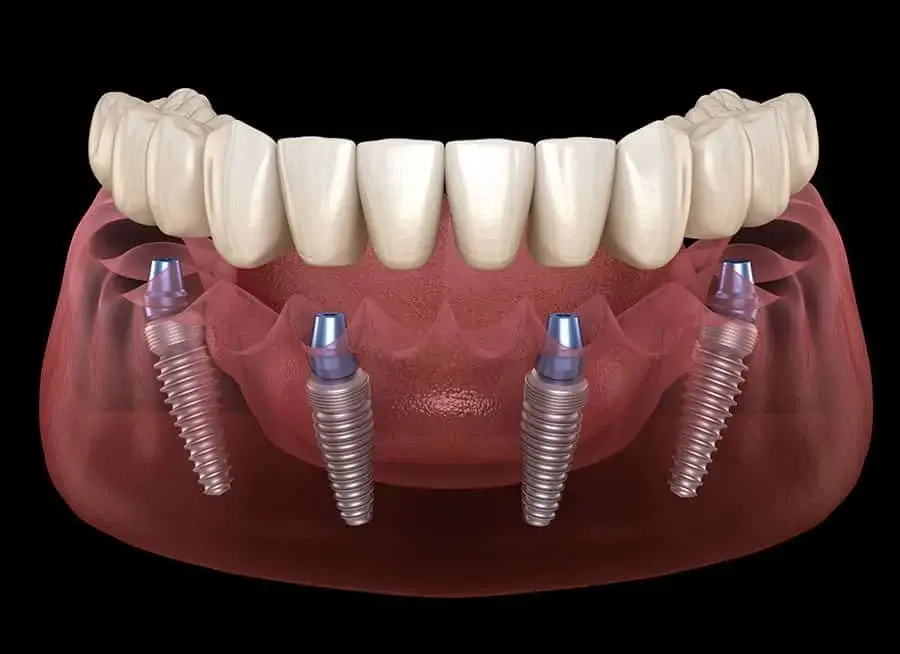
- Strong value for money: Compared with the US, Australia, or Europe, dental implant costs in Thailand are typically 40–70% lower, while maintaining quality materials and labs. Transparent packages often include consultation, 3D scans, surgery, abutment, and the final crown. Full-arch options like All-on-4 or All-on-6 are available, frequently with same-day provisional teeth. Avoid deals that look too cheap to be true; reputable clinics explain their fees clearly.
- Comfort and hospitality: Thai culture is big on taking care—mai pen rai (no worries). English-speaking coordinators, gentle chairside manner, and sedation options help keep anxiety low. Many clinics offer written warranties on implant fixtures and provide structured follow-up, both in person and via teleconsult.
- Efficient timelines and technology: With digital planning and in-house CAD/CAM labs, timelines can be streamlined. Where clinically suitable, immediate implant placement or same-day temporaries are possible. Standard two-stage healing usually takes 3–6 months before the final crown, depending on bone quality and your health. You’ll get a realistic schedule before you fly.
- Great setting for recovery: If you plan your trip well, you can combine appointments with light sightseeing or quiet beach time. Clinics are typically near BTS/MRT in Bangkok or close to hotels in major tourist areas. Just follow post-op advice—rest up, avoid heavy exercise and spicy or sticky foods early on, and keep your mouth clean.
Who Benefits Most
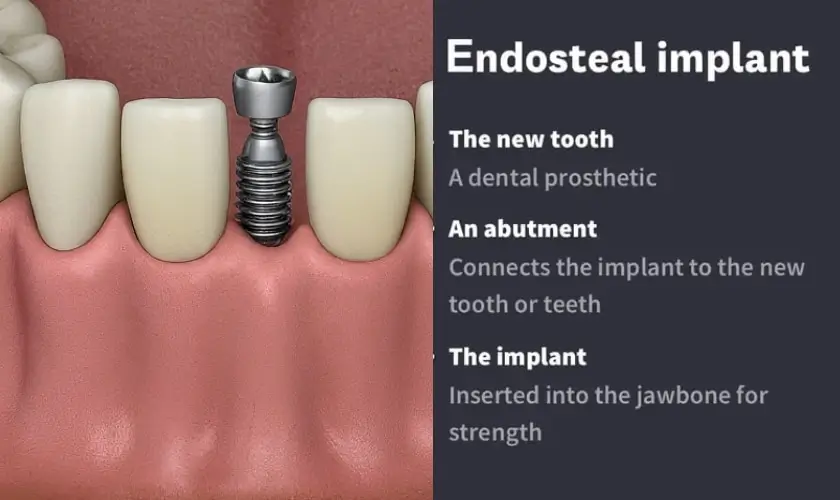
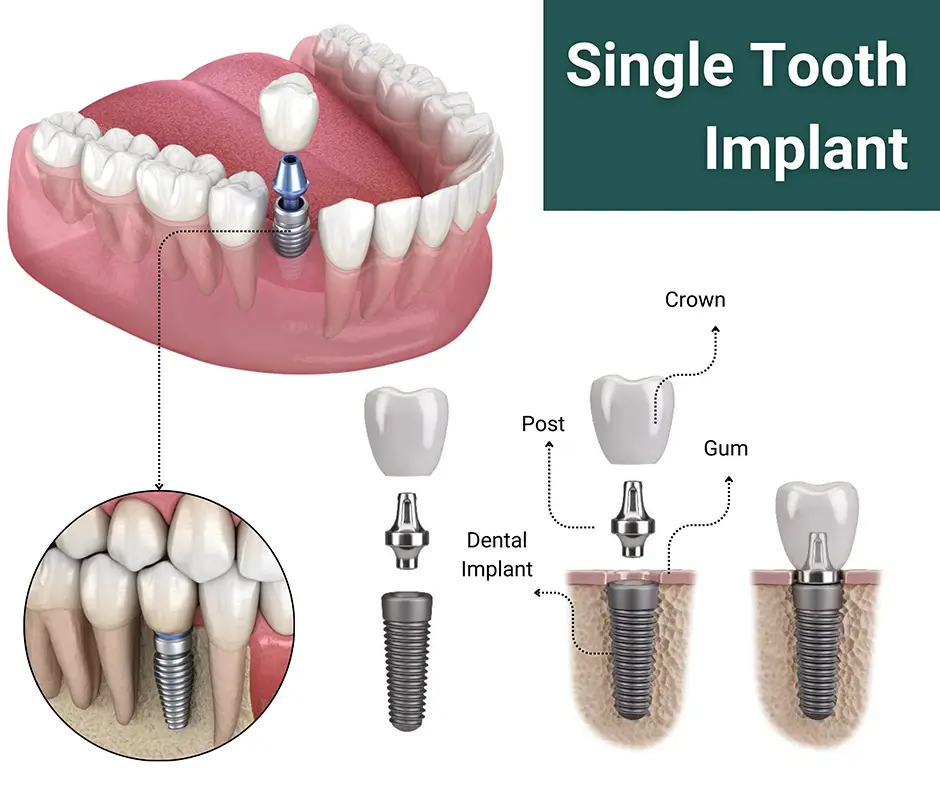
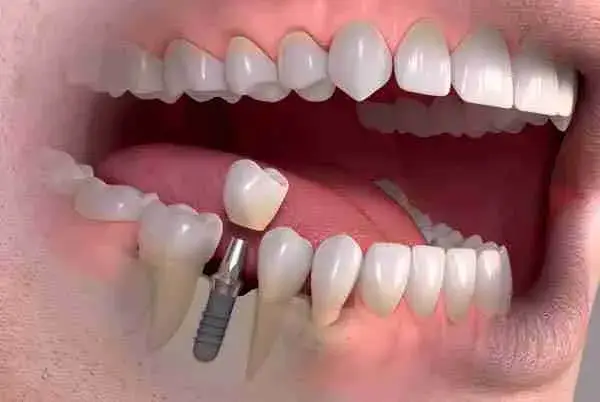
- Single missing tooth: An implant-crown looks and feels natural and protects adjacent teeth, unlike a bridge that may require shaving down healthy teeth.
- Multiple missing teeth: Implants can support bridges for stable chewing and aesthetics.
- Loose or uncomfortable dentures: Implant overdentures or All-on-4 can transform stability and confidence.
- Complex cases: If you have bone loss, many Thai clinics perform bone grafts, sinus lifts, or even zygomatic implants when indicated.
Note: Good candidates have healthy gums and adequate bone (or can receive grafting). If you smoke, have uncontrolled diabetes, or certain medical conditions, you’ll need a tailored plan and may need to stabilise your health first.
What the Process Looks Like
1) Pre-trip assessment:
- Share recent dental X-rays if you have them.
- Arrange an online consult to discuss goals, medical history, and potential timelines.
- Get a written treatment plan with fees and stages.
2) First visit in Thailand:
- Comprehensive exam and 3D CBCT scan.
- Finalised plan, including whether immediate placement is possible.
- Surgery day: Implant placement usually takes 1–2 hours per site. You may receive a temporary crown or a healing cap, depending on your case.
3) Healing phase:
- Osseointegration takes around 3–6 months. If you had grafting, it may be slightly longer.
- You may return home between stages if advised safe by your dentist.
4) Second stage:
- Placement of the abutment and final crown or bridge.
- Bite adjustments and final photos.
Aftercare Essentials
- Keep it clean: Gentle brushing, prescribed rinses, and floss or interdental brushes around the implant.
- Eat smart: In the first week, avoid sticky rice, chewy meat, and very spicy dishes like som tam with lots of chilli. Soft, lukewarm foods are best.
- Don’t smoke: It slows healing and increases implant failure risk.
- Regular checks: Follow your maintenance plan—professional cleanings every 6 months help protect your investment.
How to Choose the Right Clinic
- Credentials and experience: Ask about the implant dentist’s training, years of experience, and number of cases. Request before-and-after cases similar to yours.
- Technology and materials: Look for CBCT imaging, guided surgery capability, and premium implant brands with long-term data.
- In-house or partner lab quality: High-quality CAD/CAM and ceramic work affect fit and aesthetics.
- Safety and sterilization: Check infection control protocols and any international accreditation.
- Clear plan and warranty: Written treatment plan with itemised costs, timelines, and what the warranty covers (e.g., implant fixture vs. crown).
- Communication: Smooth English support, prompt replies, and honest explanations are a good sign.
Common Questions
- Are dental implants in Thailand safe?
Yes, when done in reputable clinics with trained specialists and proper sterilization. Outcomes are comparable to Western countries when standards are met.
- How much do implants cost in Thailand?
A single implant with crown generally ranges lower than in the West. Total fees depend on brand, complexity, and need for grafting. Full-arch solutions (like All-on-4) cost significantly less than in many other countries. Always confirm inclusions.
- Will it hurt?
Most patients report minimal discomfort thanks to local anaesthesia and optional sedation. You’ll receive pain relief guidance and post-op care instructions.
- How long should I stay?
For straightforward cases, 5–7 days may cover consultation, surgery, and early review. If you need immediate loading or complex grafting, your clinic will advise a longer stay or a return visit.
- Do clinics speak English?
Yes, most leading clinics serve international patients daily. You’ll find coordinators and dentists comfortable with English—expect friendly, clear communication, krub/ka.
Final Tips for a Smooth Trip
- Book early, especially during high season (Nov–Feb).
- Share your medical history and medications in advance.
- Arrange a nearby hotel for the first few nights after surgery.
- Follow food and hygiene instructions—your new smile depends on it.
- Keep realistic expectations: implants look natural and feel solid, but success relies on good home care and regular dental visits.
With the right clinic and a well-planned itinerary, getting dental implants in Thailand can be efficient, comfortable, and great value—bringing you back to confident chewing, clear speech, and a complete smile, all with a touch of Thai sabai sabai care.