Thailand Dental Implant Advantages for Affordable Smile Care Overseas
Thailand Dental Implant Advantages for Affordable Smile Care Overseas
Thinking about getting dental implants overseas? Thailand has become a go-to destination for people who want high-quality implants without breaking the bank. With world-class clinics, experienced doctors, and a friendly “service mind” approach, it’s easy to see why many travellers and expats say Thailand offers great bang for your baht. Here’s a clear, down-to-earth look at why Thailand dental implants make sense and how to plan your smile journey smoothly.
Why Thailand for dental implants
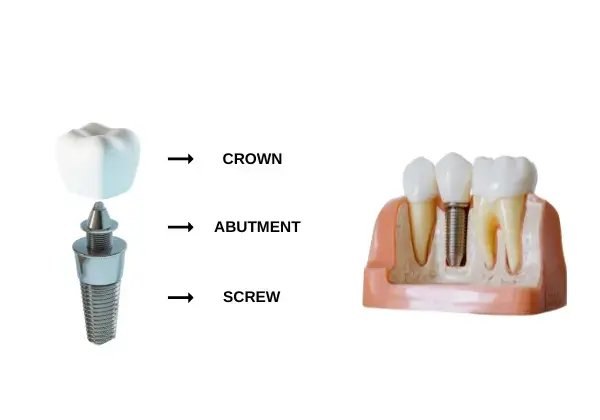
- Cost savings with quality: In Thailand, the total cost for a single dental implant (implant fixture, abutment, and crown) is typically 30–60% lower than in Western countries. That lower price doesn’t mean cutting corners. Many clinics use top-tier implant systems (e.g., Straumann, Nobel Biocare) and modern lab work with CAD/CAM milling and 3D printing.
- Skilled, English-speaking dentists: Many Thai implantologists have international training or fellowships, and they handle a high volume of cases. Communication is usually straightforward—English is widely used in private clinics, and interpreters are available if you prefer another language.
- Advanced technology: Expect CBCT 3D scans, guided surgery, digital smile design, and in-house dental labs for faster turnaround. Infection control follows strict protocols, and larger hospitals often hold international accreditations.
- Convenient locations: You’ll find reputable clinics near BTS/MRT stations in Bangkok (Sukhumvit, Silom, Sathorn), as well as in Phuket and Chiang Mai. Easy access means less time stuck in traffic and more time to relax.
- Quick appointments and clear packages: Short waiting times, transparent quotations in baht, and treatment packages keep things easy to plan from overseas.
Typical costs and what affects them
Exact figures depend on implant brand, the complexity of your case, and whether you need extra procedures like bone grafting or a sinus lift. As a rough guide:
- Single implant and crown: commonly from the mid tens of thousands of baht for the implant fixture, plus a crown fee on top.
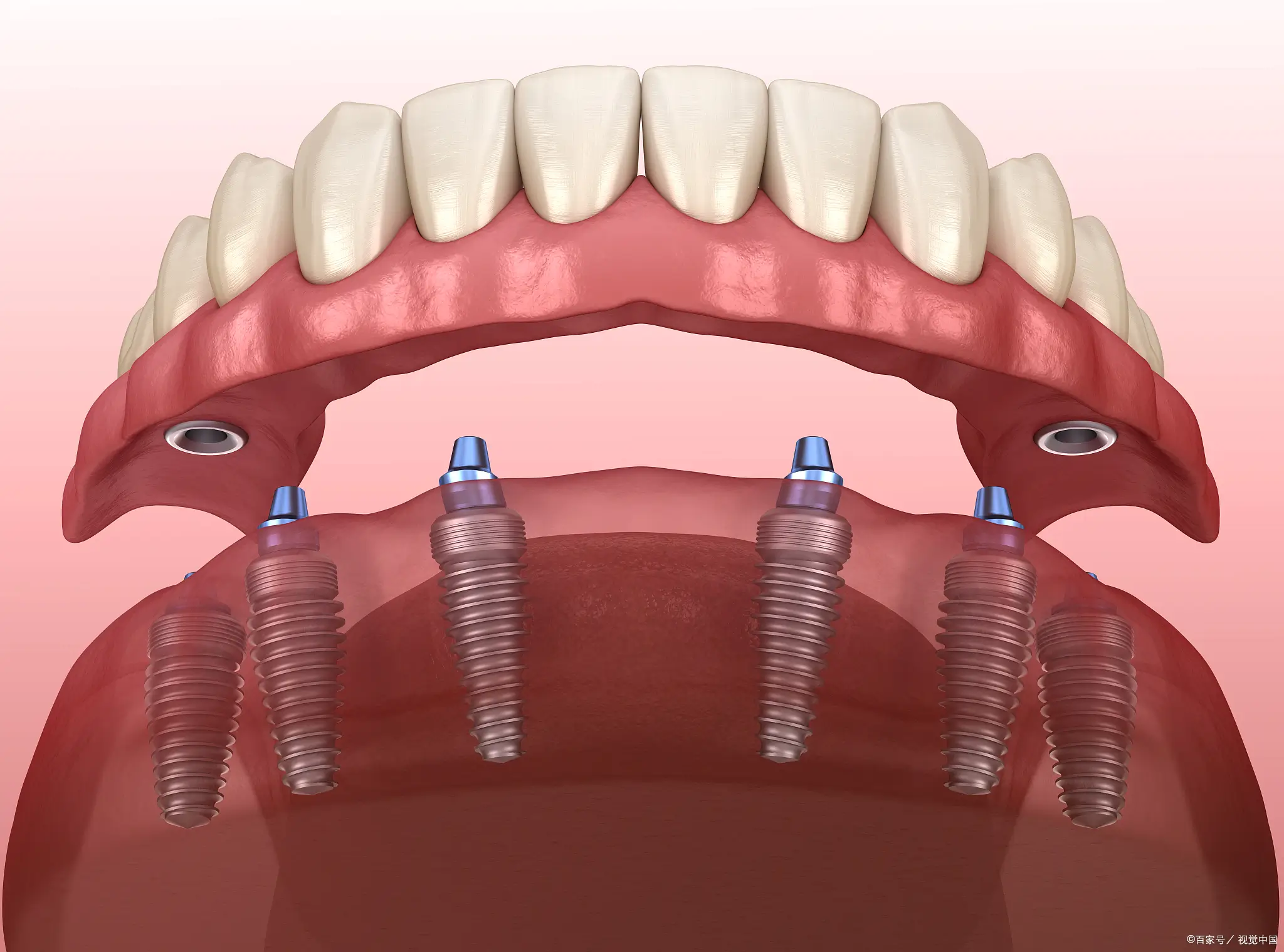
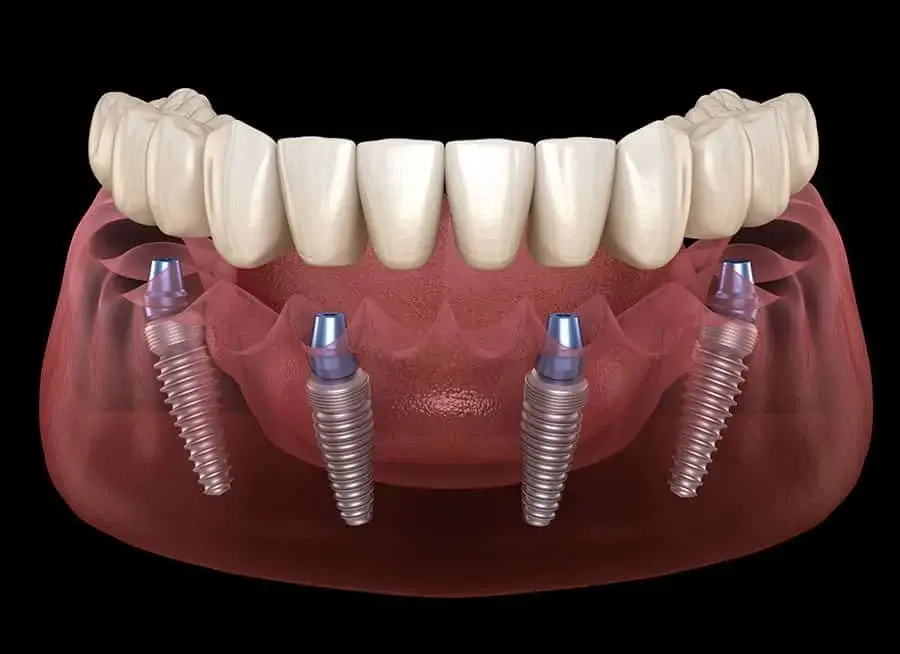
- Full-arch options (e.g., All-on-4/All-on-6): significantly more but still competitive compared with Western prices.
Upgrades like zirconia crowns, IV sedation, or premium implant systems will add to the total. Even with add-ons, most visitors still save substantially after airfare and hotel, especially if they plan a short holiday at the same time.
How the process usually works
1) Pre-trip planning:
- Share your dental history, x-rays, and any CT scans by email or LINE. A preliminary plan and cost estimate will be prepared.
- Book travel around your procedure timeline. If you’re going for a single implant, plan at least a few days for consult, surgery, and rest. For full-arch or multiple implants, plan a bit longer.
2) First visit on arrival:
- Consultation and CBCT scan to confirm bone condition and finalise the plan.
- If suitable, minor cases may have same-week surgery. You’ll get a detailed consent, antibiotic and pain-control plan, and post-op instructions.
3) Healing:
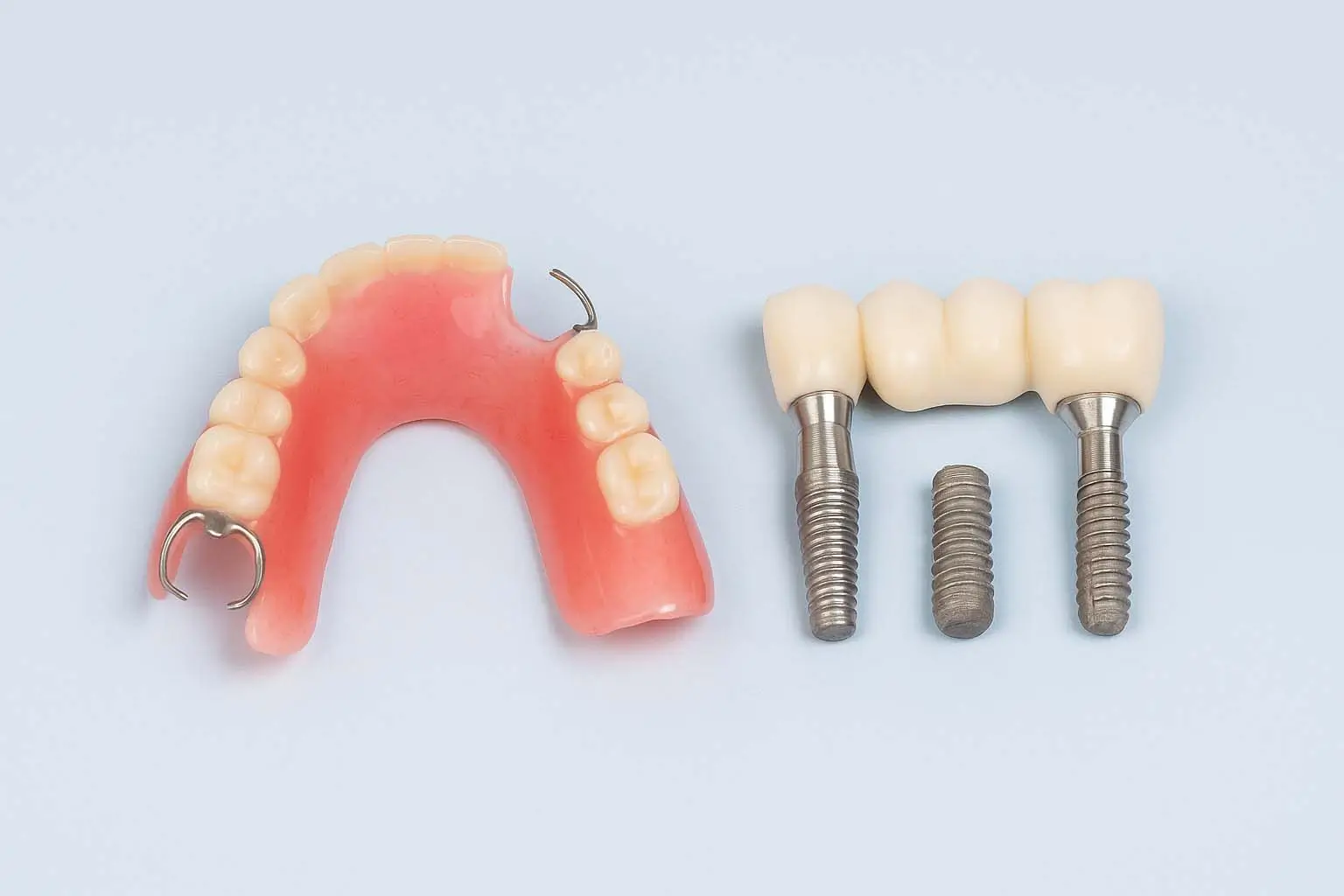
- Implants need time to integrate with bone—usually 3–6 months. Many patients return home during this period. A temporary tooth or removable prosthesis can maintain your smile in the meantime.
4) Final restoration:
- You can come back to Thailand for the ab
utment and crown (or full-arch bridge) fitting. Some clinics also coordinate with your home dentist for the final stage if travel is difficult.
5) Follow-up:
- Routine check-ins via video call or messaging are common. If you’re still in Thailand, in-clinic checks and professional cleaning help keep everything in top shape.
Comfort and care standards
- Anaesthesia and sedation: Local anaesthetic is standard, with optional IV sedation for nervous patients. Discuss what makes you comfortable before booking.
- Sterilisation and safety: Reputable clinics follow international infection-control protocols and use sealed, single-use surgical kits where applicable.
- Materials and labs: Ask about the implant brand and warranty, abutment type (titanium or zirconia), and which lab will craft your crown or bridge.
How to choose the right clinic
- Check credentials: Look for dentists registered with the Thai Dental Council, with specific implantology or prosthodontics training, memberships, and years of experience.
- Review case photos and patient feedback: Genuine before–after galleries and recent reviews help you gauge results and service.
- Ask for a clear treatment plan: Your plan should outline diagnosis, steps, timeframes, brands used, number of visits, and all costs in baht.
- Confirm warranty and aftercare: Many clinics offer warranties on implants and crowns. Confirm what’s covered and for how long, as well as maintenance requirements.
- Location matters: Being near BTS/MRT in Bangkok or close to your hotel in Phuket/Chiang Mai makes the post-op period easier—short rides, no hassle.
Travel tips to keep things sabai-sabai
- Plan rest days: Allow at least 48 hours of easy-going time after surgery. Avoid spicy food, alcohol, swimming, and intense workouts until cleared.
- Season and weather: Rainy season can bring sudden showers—keep your travel schedule flexible.
- Insurance and meds: Travel insurance that includes medical coverage is a good idea. Bring a list of any medications or allergies to show the clinic.
- Stay connected: Use LINE or WhatsApp to reach your clinic quickly if you have questions. Most teams reply fast—no worries.
Who is a good candidate?
If you’re in good general health and have enough bone, implants can be a great solution. Smokers, heavy grinders, and patients with uncontrolled diabetes need special planning. A CBCT scan and full-mouth assessment will confirm suitability. If bone is limited, grafting or zygomatic solutions may be discussed for complex cases at larger centres.
Keeping your new smile healthy
Implants need the same care as natural teeth—sometimes more. Brush twice daily, floss or use interdental brushes around implant crowns, and schedule professional cleanings. Regular check-ups (every 6–12 months) help catch any issues early. Follow the clinic’s maintenance plan to keep your warranty valid and your smile stable for the long term.
The takeaway
Thailand offers a practical blend of affordability, expertise, and hospitality for overseas dental implants. With modern technology, experienced dentists, and clear pricing, you can sort your smile and still enjoy a relaxed holiday. Do your homework, pick a reputable clinic, and plan your timeline properly. With that, getting dental implants in Thailand can be smooth, safe, and genuinely worth the trip.