Why Dental Tourism Dental Implants Are Growing in Thailand
Why Dental Tourism Dental Implants Are Growing in Thailand
If you’ve heard friends say they flew to Bangkok to fix a tooth and came home with a new smile, you’re not imagining it. Dental tourism for dental implants in Thailand has moved from niche to mainstream. It’s not only about saving money. Thailand combines world-class implant dentistry, modern technology, easy travel, and warm Thai hospitality into a package that feels smooth from first enquiry to final check-up.
Value for money without cutting corners
The first thing most people notice is the price. In Thailand, a single dental implant with crown often ranges around 45,000–80,000 baht, depending on the brand, bone condition, and whether additional procedures like bone graft or sinus lift are needed. Full-arch solutions such as All-on-4 or All-on-6 commonly sit in the 300,000–600,000 baht range per arch. Compared with typical fees in Australia, the UK, or the US, the saving is significant even after flights and hotels. Because clinics publish price lists in baht and give itemised quotations, you can plan the budget clearly. For many patients, it’s real value for money, not a bargain that compromises safety or materials.
International standards and experienced hands
Thailand’s top dental clinics attract dentists who trained at respected universities in Thailand and abroad, and many hold additional certifications in implantology or prosthodontics. You’ll find English-speaking doctors and staff used to working with international patients. Leading clinics follow strict infection control, use autoclave sterilisation, and adhere to guidelines set by the Thai Dental Council. Some centres are located inside or affiliated with international hospitals and follow ISO or hospital-grade protocols. That’s why you’ll often hear travellers say the environment feels “hospital standard” rather than a small shop on a soi.
Technology that speeds things up
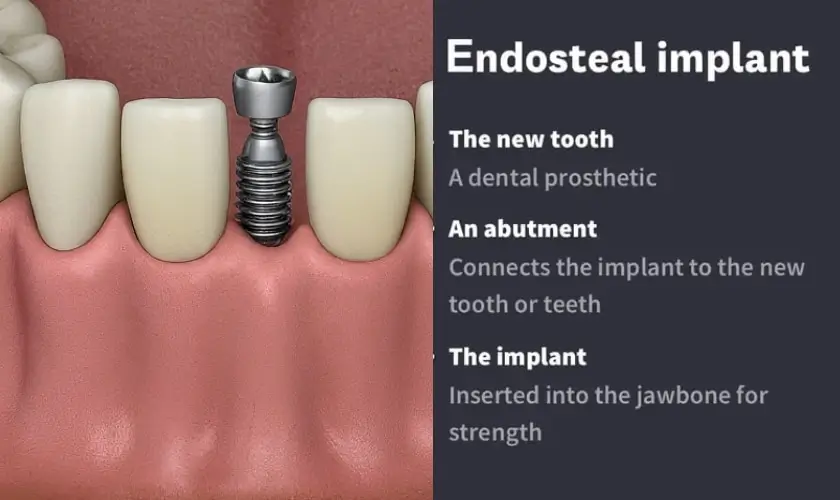
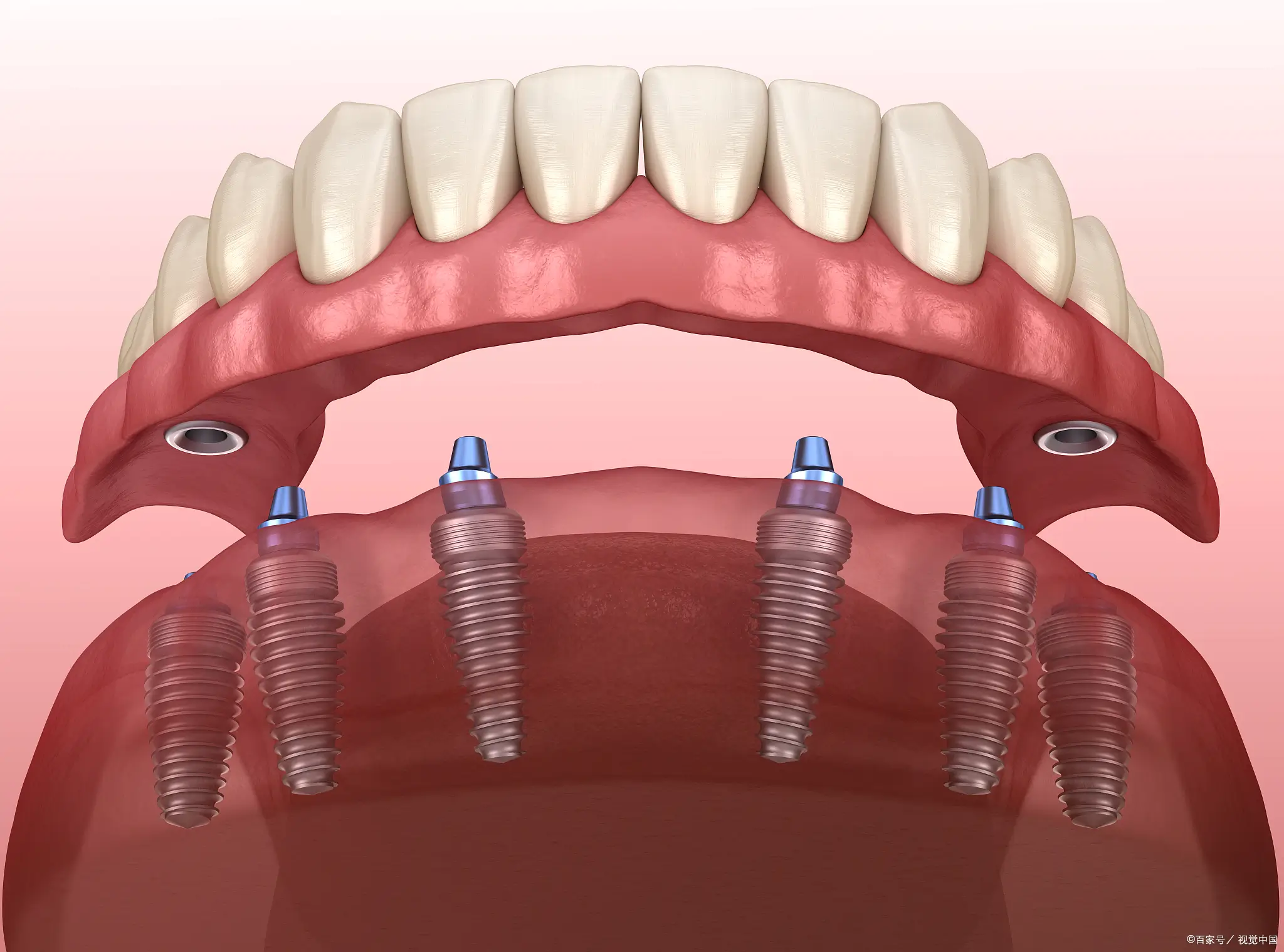
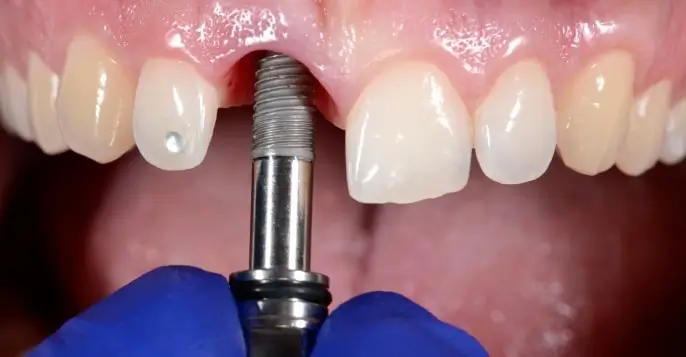
Implant treatment planning in Thailand typically includes digital workflows. Cone beam CT scans, intraoral scanners, and CAD/CAM milling are common. Guided surgery helps position implants precisely, which can reduce chair time and post-op discomfort. If you’re suitable, immediate placement or immediate provisional teeth may be possible. For full-arch cases, All-on-4 has become very popular because it delivers a fixed smile faster, with fewer implants and often without bone grafting. Materials like titanium implants and zirconia or high-strength ceramic crowns are widely available and discussed openly during consultation, so you know what’s going into your mouth.
Short flights and easy logistics
Thailand is built for visitors. Flights into Bangkok, Phuket, Chiang Mai, and Pattaya are frequent, and many passports enjoy visa-free or visa-on-arrival stays. Clinics are easy to access near BTS and MRT stations along Sukhumvit and Silom, and staff will often help arrange airport pick-up or hotel recommendations within walking distance. Appointment systems are punctual, queues are short, and there’s usually no long waiting list. Many clinics offer all-in quotes for surgery, abutment, crown, and follow-ups, so you’re not surprised mid-way. It’s very much a book-your-slot-and-go experience.
A comfortable place to recover
Implant placement is a surgical procedure, so the days after should be calm and low stress. Thailand’s accommodation options make this easy. You can stay in a quiet serviced apartment near the clinic, order soft foods delivered to your room, and rest in air-conditioned comfort. When you feel better, gentle walks in a nearby mall or a quick coffee downstairs are convenient. For lo
nger cases, patients often split treatment into two trips: first for implant placement (around 5–7 days including review), then return after 3–6 months for final crowns once the bone has integrated.
Growing demand across age groups
Why the surge now? A few trends are coming together:
- Ageing populations want long-term solutions instead of repeat root canals or removable dentures.
- Expats based in Thailand and Southeast Asia prefer to have implants done locally by English-speaking teams rather than fly home.
- Australians, Europeans, Middle Eastern travellers, and regional neighbours find the combination of cost savings and reliable results compelling.
- Word of mouth and transparent online reviews make people feel more confident booking from overseas.
Clear communication and aftercare
Good clinics in Thailand communicate clearly. Before you fly, you can usually share a panoramic X-ray or CT scan for a preliminary opinion and estimate. On arrival, you’ll get a full examination and confirm the treatment plan with a timeline. After surgery, you receive detailed post-op instructions, medication, and a follow-up schedule. Many centres provide a limited warranty for implant fixtures, with conditions like maintaining regular hygiene visits and not smoking. If you need a check later back home, doctors can coordinate with your local dentist, and you can keep digital records for easy sharing.
Implants vs bridges: why implants are winning
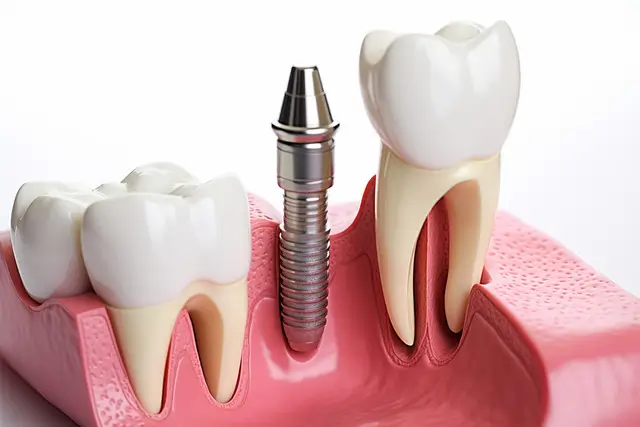
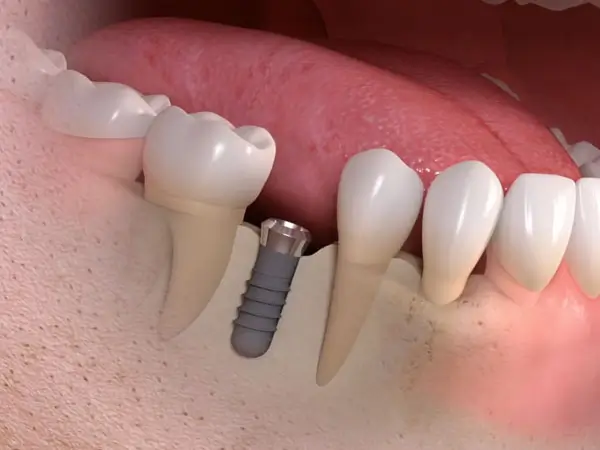
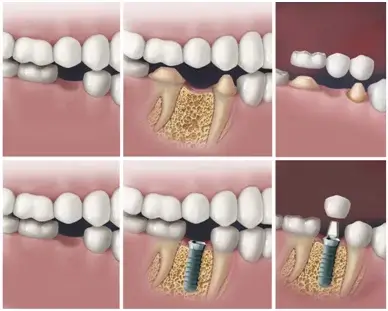
Part of the growth in Thailand mirrors a global shift from bridges to implants. An implant doesn’t rely on cutting neighbouring teeth, helps maintain bone volume, and, when well maintained, offers long-term stability. As techniques improve and costs become more accessible in Thailand, more patients choose implants even for single missing teeth. For those with multiple missing teeth, full-arch treatments restore function and confidence in one go—something many people delay for years until they see the Thailand option.
How to choose the right clinic in Thailand
Not all clinics are the same, so do a bit of homework before you book:
- Check the dentist’s qualifications and experience in implantology and full-arch cases.
- Ask if a cone beam CT and digital planning are included.
- Request an itemised quotation in baht covering implant, abutment, crown, surgical guide, grafting if needed, and follow-up visits.
- Clarify the brand of implants and materials for the crown (zirconia, porcelain fused to metal, or monolithic ceramic).
- Understand the timeline: number of visits, healing period, and when the final prosthesis is fitted.
- Ask about pain control and sedation options if you’re anxious.
- Review the warranty terms and maintenance schedule.
A few practical tips
- Plan at least two to three days after surgery to rest. Avoid spicy food and heavy activity at first—even if pad krapao is calling your name.
- If you smoke, discuss cessation before surgery; it affects healing and success rates.
- Bring your medical history and a list of medications. If you’re on blood thinners or have diabetes, the dentist will coordinate care accordingly.
- Schedule your final fitting with some buffer time in case minor adjustments are needed.
Same-same but different, as locals like to say. Dental implants in Thailand follow the same global science and standards, but the experience feels easier, friendlier, and more affordable. That blend of clinical quality, transparent pricing, and Thai hospitality is exactly why dental tourism for implants is growing—and why many patients head home smiling with real confidence.