Why Thailand Dental Tourism Makes Dental Implants More Accessible
Why Thailand Dental Tourism Makes Dental Implants More Accessible
If you’ve been putting off dental implants because the costs back home feel too heavy, Thailand might be your game-changer. For years, Thailand has been a favourite for medical and dental travellers thanks to a sweet spot of skilled dentists, modern clinics, friendly service, and prices that don’t blow the budget. When people talk about Thailand dental tourism, they’re not just talking about a beach holiday with a check-up on the side. They’re talking about world-class dentistry delivered with that easy-going, no worries Thai hospitality.
Lower, clearer costs without cutting corners
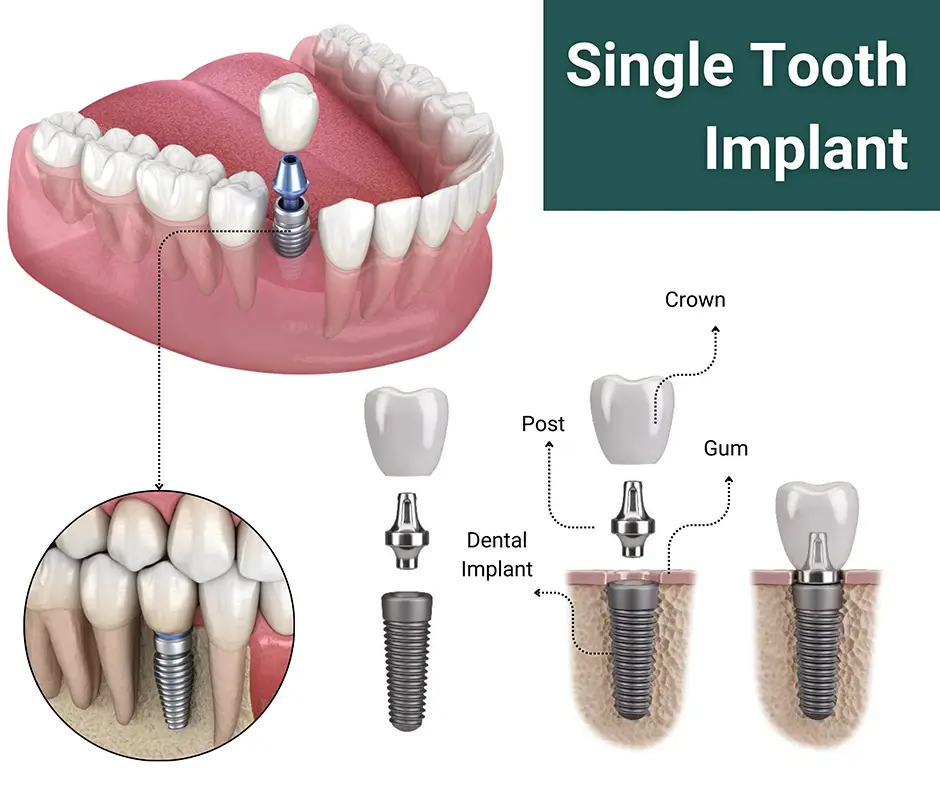
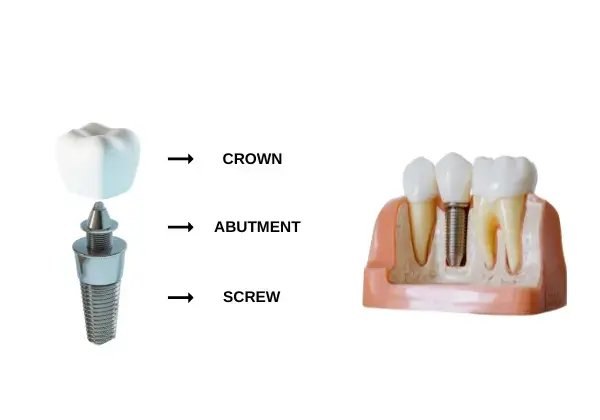
One of the biggest reasons implants in Thailand are more accessible is simple maths. In Bangkok, Chiang Mai, Phuket, and Pattaya, you’ll find implant fees that are often 40–70% less than in Australia, the US, or the UK. A single implant with crown that might cost five figures at home can come in far lower in Thailand, even after flights and hotels. Clinics quote in Thai baht and usually provide itemised plans—implant fixture, abutment, crown, imaging—so you can see exactly where your money goes.
It’s not cheaper because it’s “same same” but lower quality. Thailand’s lower operating costs (rent, staffing, lab fees) allow clinics to invest in tech while keeping patient fees down. Many practices work high-volume implant cases, which streamlines workflows and reduces overheads. That efficiency shows in both price and predictable timelines.
International standards and skilled specialists
Accessibility doesn’t mean compromise. Leading Bangkok and Phuket dental centres hire board-certified prosthodontists, periodontists, and oral surgeons trained in Thailand, Australia, Europe, or the US. Many clinics are ISO-certified and follow cross-infection protocols you’d expect in any modern hospital. Some are attached to JCI-accredited hospitals, offering extra reassurance for medical travellers.
Common implant systems include well-known brands with global warranties, and restorations are often fabricated in ISO-certified dental labs using zirconia or high-strength ceramics. From surgical guides to torque-controlled insertion, procedures are aligned with international best practice.
Technology that speeds things up
Advanced imaging and planning make implants more predictable and, for many patients, faster:
- CBCT 3D scans for precise bone assessment
- Digital smile design and intraoral scanners for accurate crowns
- CAD/CAM milling for same-week restorations in suitable cases
- Guided surgery for minimally invasive placement
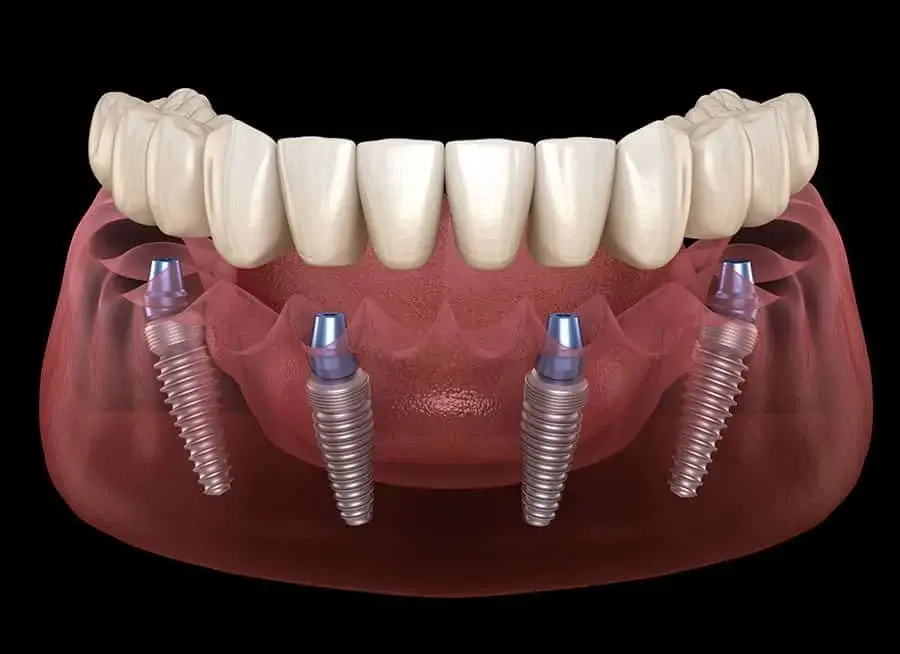
Tech like this reduces guesswork and chair time. For full-arch solutions like All-on-4 or All-on-6, clinics can often deliver a provisional fixed bridge within a few days of surgery, with a final zirconia bridge after full healing.
English-speaking care and easy communication
Worried about language barriers? In Thailand’s dental tourism hubs, English-speaking dentists, nurses, and reception teams are the norm. Treatment plans, consent forms, and post-op instructions are provided in clear English. You can jump on WhatsApp or Line to confirm details, send scans, or ask quick questions before and after your trip. That easy, mai pen rai vibe helps reduce anxiety, especially if dental work makes you nervous.
Comfortable experience from airport to aftercare
Thailand’s service culture matters. Clinics are used to hosting international patients, with airport pick-ups, hotel recommendations near the clinic, and seamless appointment scheduling to fit your travel plan. Sedation dentistry is available for those who want extra comfort. And recovery can be surprisingly pleas
ant when you’re two minutes from your hotel, sipping a coconut and staying cool in the air-con.
For many patients, splitting treatment into two visits works well:
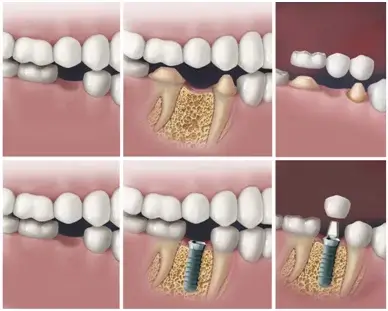
- Visit 1: Consultation, scans, planning, extractions if needed, implant placement, immediate temporary where appropriate.
- Healing period: 3–6 months back home (bone integration).
- Visit 2: Abutment and final crown or full-arch prosthesis.
Some cases allow immediate loading; others need a more traditional timeline. A good clinic will explain what fits your bone quality and overall health.
Transparent factors that influence price
Even with fair pricing, your final cost depends on:
- Number of implants (single tooth vs. multiple or full-arch)
- Bone grafting or sinus lift needs
- Implant system and abutment type
- Crown material (porcelain-fused-to-metal vs. monolithic zirconia)
- Sedation or general anaesthesia requirements
Ask for a personalised plan after a CBCT. Many clinics will give a ballpark range via email if you send recent x-rays, then confirm after an in-person check.
Long-term support and maintenance
Dental implants are a long game. Thai clinics know you’re flying back, so they set you up for success with:
- Written maintenance guidelines and hygiene schedules
- Warranty terms for implant fixtures and restorations (usually dependent on regular professional cleanings and good home care)
- Collaboration with your local dentist for routine checks
- Teleconsults for quick questions post-surgery
The best way to protect your investment is simple: keep everything clean, don’t skip check-ups, and follow the bite and diet advice during healing.
How to choose the right clinic in Thailand
A little homework goes a long way. Look for:
- Implant caseload and specialist credentials (CVs on the clinic website are a good sign)
- In-house CBCT and digital workflows
- Clear, itemised quotes and sensible timelines
- Real before-and-after photos and patient reviews
- English-speaking coordination staff and responsive communication
- Location near BTS/MRT in Bangkok or central areas in Phuket/Chiang Mai for easy transport
- Sensible approach—no pressure, honest about healing time and grafting
Smart questions to ask before booking
- Which implant systems do you place? Do they have global support?
- Will a prosthodontist plan my restoration, or is it surgeon-only?
- How many full-arch cases do you complete per year?
- What are the steps and expected number of visits?
- What is included in my quote? Any lab fees or abutment charges extra?
- What are your sterilisation protocols and lab certifications?
- What happens if there’s a complication after I fly home?
Making the most of your Thailand trip
Plan for a few rest days after surgery—no island hopping right away. Choose accommodation close to your clinic to avoid traffic stress, especially in Bangkok. Eat soft, comforting Thai dishes during recovery (congee, soft tofu, steamed fish), skip spicy food for a few days, and keep hydration up in the tropical climate. Travel insurance that covers medical changes is a smart move.
The bottom line
Thailand dental tourism makes dental implants more accessible by combining practical savings with reliable quality and a smooth patient experience. You’re not trading safety for price; you’re taking advantage of a mature dental ecosystem that’s built around international standards, efficient workflows, and genuine hospitality. With the right clinic and a clear plan, you can sort out your smile and still enjoy a bit of Thailand’s famous sanuk along the way—comfortably, confidently, and without breaking the bank.