Thailand Dental Implant Benefits for Travelers Seeking Better Dental Results
Thailand Dental Implant Benefits for Travelers Seeking Better Dental Results
If you’re thinking about dental implants and also fancy a trip to the Land of Smiles, Thailand makes a strong case. It’s not just about saving money. Travelers come for better dental results thanks to experienced implant dentists, modern tech, and a service-minded culture that makes the whole journey feel sabai sabai—calm, comfortable, and well looked after. From Bangkok to Phuket and Chiang Mai, clinics are easy to reach, English-speaking teams are ready to help, and treatment quality is on par with international standards.
Why choose dental implants in Thailand
1) High standards and modern technology
Top Thai clinics work with international protocols and sterilization systems, using digital scanners, CBCT 3D imaging, and CAD/CAM milling for precise implant placement and natural-looking crowns. Many dentists trained overseas or hold international certifications, and they regularly place implants from globally recognized brands like Straumann and Nobel Biocare. You’ll notice a very service-minded approach—clear explanations, printed plans, and photos or scans you can keep for your records.
2) Strong value for money
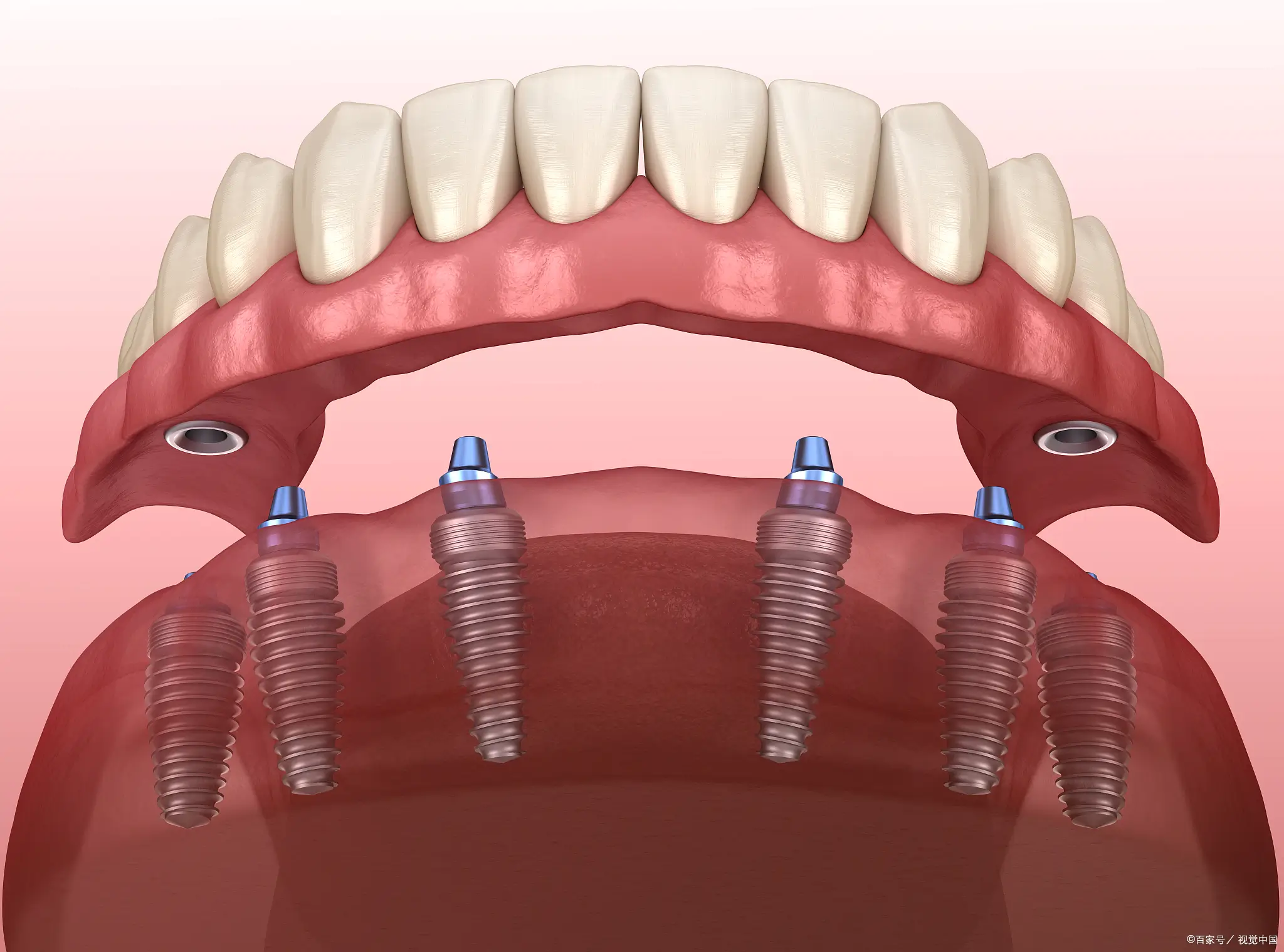
Implants in Thailand are generally more value-for-money than in Western countries. A single implant with crown typically ranges from about 60,000–120,000 THB (roughly 1,600–3,300 USD), depending on brand and complexity. If bone grafting or a sinus lift is needed, costs increase. Full-arch solutions like All-on-4 or All-on-6 can range from around 280,000–450,000 THB per arch. Prices vary by clinic location and materials, but overall you can expect significant savings without cutting corners on quality.
3) Easy travel and convenient locations
Flying into Bangkok’s Suvarnabhumi or Don Mueang is straightforward, and most dental clinics are close to BTS or MRT stations—think Sukhumvit, Silom, or Phaya Thai—so no need to fight traffic down every soi. In Phuket and Chiang Mai, clinics are near tourist areas and hotels, making it easy to rest after procedures. Many clinics offer online consultation by email, Line, or WhatsApp for pre-trip planning.
4) English-speaking teams and smooth coordination
Front desk, dental assistants, and implant coordinators typically speak good English, so no worries about miscommunication. Treatment plans, quotes, and timelines are explained step-by-step. If you need a letter for your travel insurance or medical leave, it’s usually mai pen rai—no problem.
5) Comfort, hospitality, and follow-up options
Thai clinics take the “Land of Smiles” reputation seriously. Expect calm waiting areas, gentle chairside manner, and clear aftercare instructions. Some clinics offer limited warranties on implant fixtures and lab work; ask about terms so you understand coverage and follow-up options in your home country.
What the implant journey looks like for travelers
- Pre-visit planning: Share your recent X-rays or photos, medical history, and travel dates. Many clinics can provide a preliminary plan and estimate before you fly.
- First appointment: A full check-up with 3D CBCT scan and digital impressions. You’ll receive a treatment plan with itemized costs and a timeline. If you’re a good candidate and ready, implant placement can often be scheduled within a few days.
- Implant placement: The procedure is typically done under local anesthesia with optional sedation. If your bone quality is good, it’s a straightforward visit. Where needed, bone grafting or sinus lift can be done to create a stable foundation.
- Healing time: Osseointegration (the bone fusing with the implant) usually takes 3–6 months. Some cases allow immediate temporaries, especially with All-on-4 protocols, but many patients return home to heal and come back later for the final
crown.
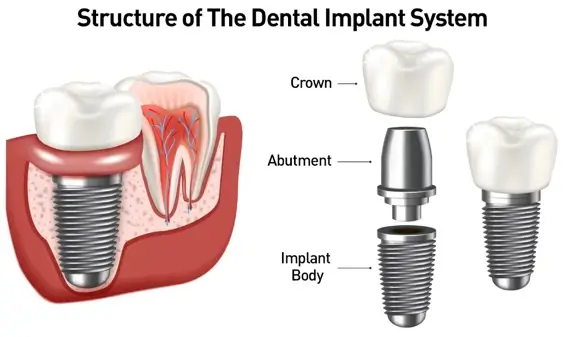
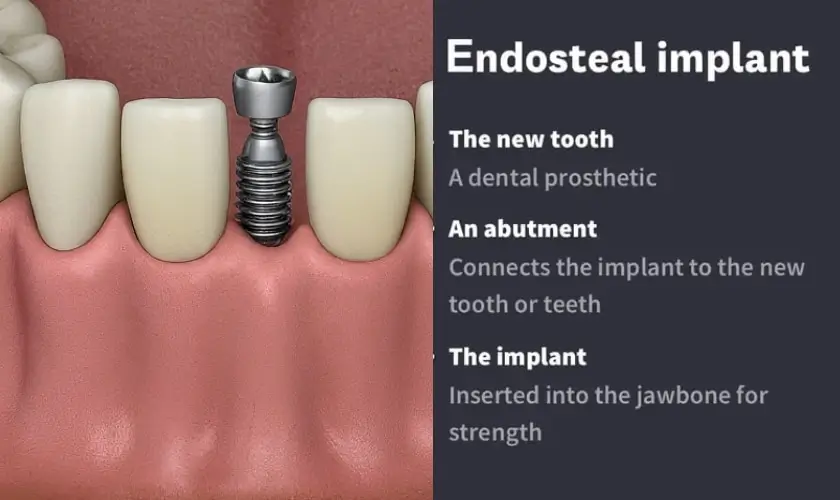
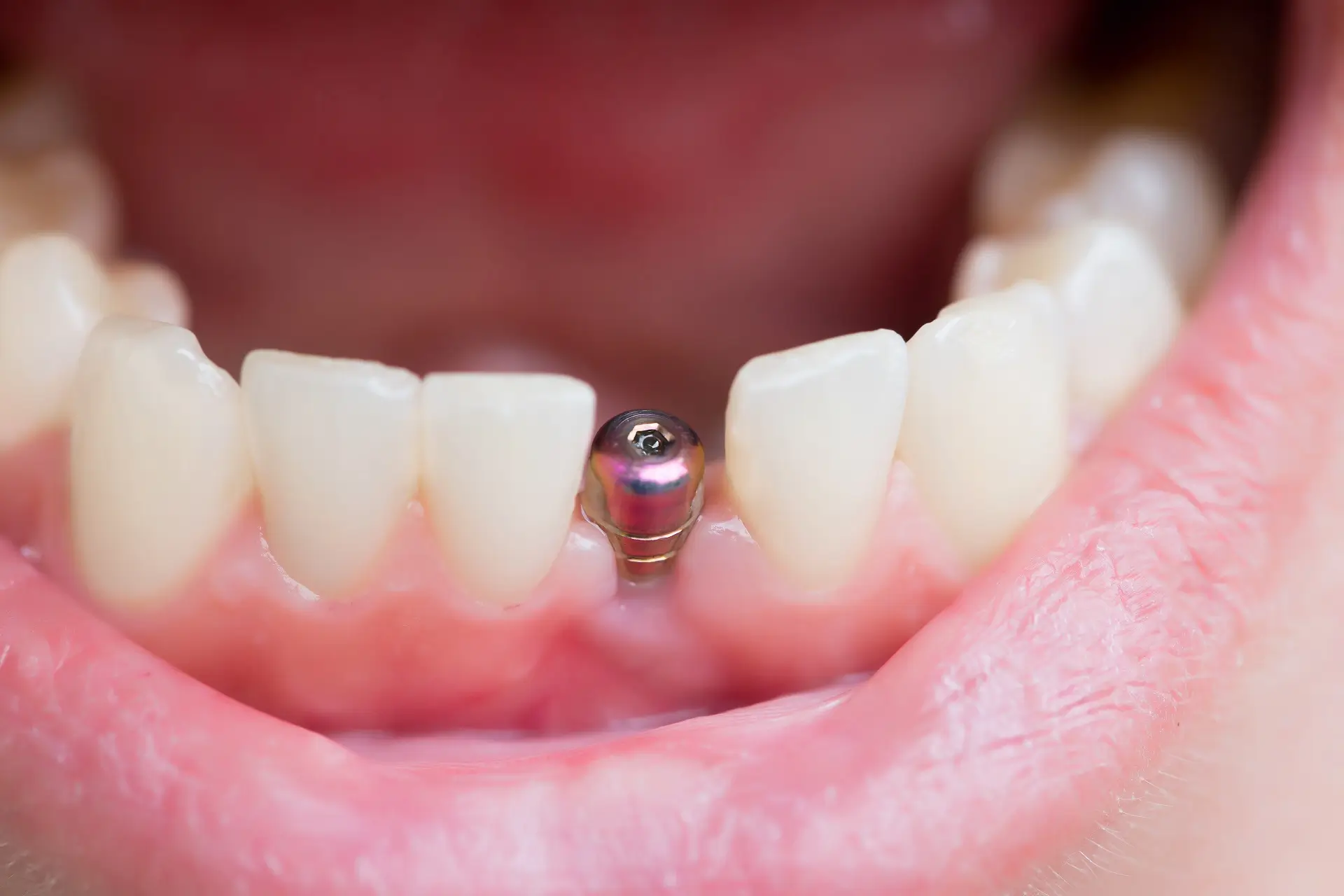
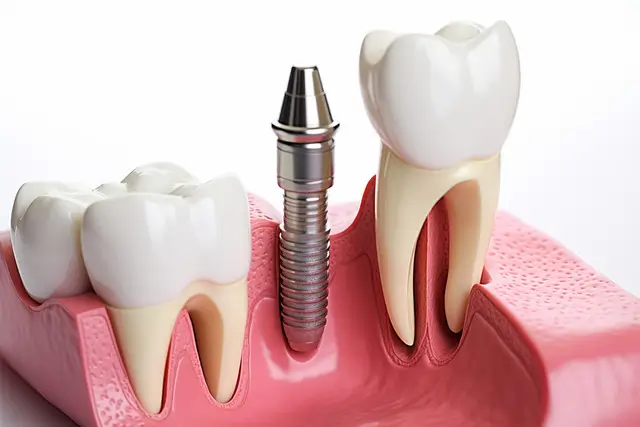
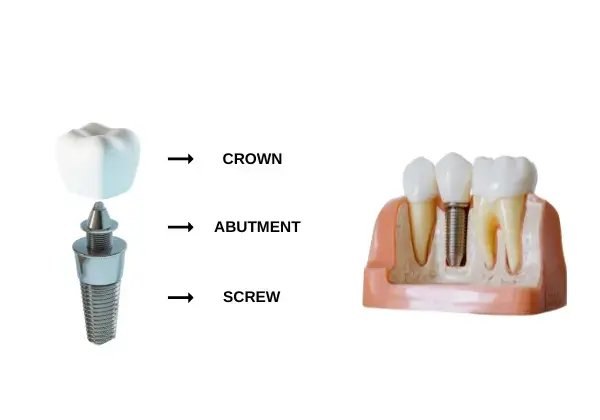
- Second trip for crown: After healing, you’ll return for abutment placement and a custom crown. This stage typically needs two short visits within a week, thanks to in-house labs and CAD/CAM systems.
Recovery tips that suit the Thai way of life
- Take it jai yen yen—keep cool and take it easy for a few days post-surgery. Plan a light itinerary: a massage without face pressure, a river cruise, or mall time instead of island hopping or trekking.
- Food-wise, go for soft choices: jok (rice porridge), khao tom (rice soup), steamed fish, scrambled eggs, yogurt, smoothies. Skip sticky rice, hard nuts, and spicy food for a few days to avoid irritation, even if you love your tom yum and som tam.
- Avoid alcohol and smoking during early healing. Rinse gently with prescribed mouthwash and follow your dentist’s cleaning instructions.
- Book accommodation close to the clinic or near BTS/MRT to save energy. In Bangkok, staying in Asok, Phrom Phong, or Silom often means quick, stress-free commutes.
Safety, quality, and what to ask
Thailand’s better-known clinics follow international sterilization protocols, use autoclaves, and maintain strict hygiene. Many are associated with international hospitals or hold recognized accreditations. Before you commit, ask:
- Which implant brands are available and why they’re recommended for your case.
- Whether you need bone grafting or sinus lift and the added costs.
- How many implants your dentist places annually.
- What warranty is provided for the implant and prosthetic work.
- How follow-up will be handled once you’re back home.
Costs and payment
Most clinics accept credit cards and bank transfers; some offer package pricing for full-arch cases. Request a detailed quotation with all items listed—implants, abutments, crowns, grafting materials, anesthesia, scans, and post-op care—so the total is transparent. Keep receipts for your personal records or insurance; most clinics issue medical invoices with clear procedure codes.
Timing your dental holiday
If you’re in Thailand for a short trip, consider:
- At least 3–5 buffer days after implant surgery before flying to an island or neighboring country. Swelling peaks around day two; better to rest.
- Avoid booking surgery right before a public holiday like Songkran or New Year, when clinics might have limited hours.
- For two-trip plans, lock tentative dates for the second visit to secure lab time and appointments.
Are implants in Thailand safe and long-lasting?
With proper planning and a skilled team, implants have high success rates. Longevity depends on bone quality, your oral hygiene, regular check-ups, and habits like grinding or smoking. Good clinics schedule post-op check-ins, teach cleaning techniques, and may provide night guards if needed. If something feels not quite dee mak (not very good) after you return home—like prolonged pain or a loose crown—contact the clinic promptly. Most are responsive and will guide you on next steps.
Where to go
- Bangkok: Wide choice of clinics with advanced tech and in-house labs, easy BTS/MRT access, and flexible scheduling for travelers.
- Phuket: Ideal if you want beach time with your dental holiday. Choose a clinic close to your hotel to minimize travel after surgery.
- Chiang Mai: Slower pace, cool weather in winter season, and reputable clinics popular with long-stay visitors.
Final thought
Dental implants in Thailand combine international-level care, friendly service, and great value under one roof. With smart planning—clear quotes, realistic timelines, and comfortable recovery days—you can return home with a stronger bite and a confident smile. It’s dental care, Amazing Thailand style: professional, relaxed, and truly traveler-friendly.