Why Dental Tourism Makes Thailand a Popular Dental Implant Destination
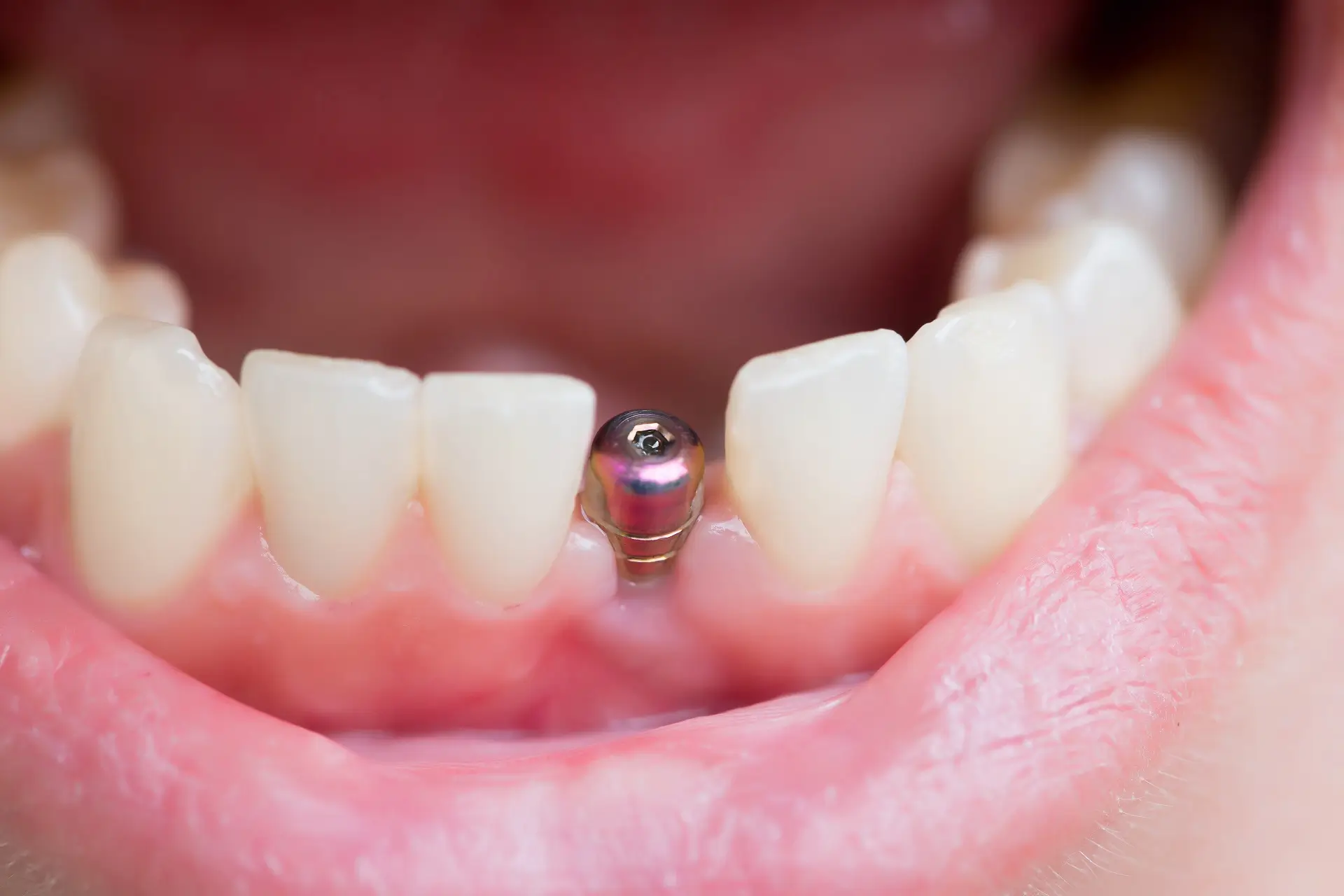
Why Dental Tourism Makes Thailand a Popular Dental Implant Destination
If you’ve been thinking about getting dental implants and combining it with a bit of travel, it’s easy to see why Thailand keeps popping up on the shortlist. The Kingdom isn’t just a beach-and-temple destination—it’s also home to modern dental clinics, highly trained specialists, and a level of hospitality that makes treatment days surprisingly stress-free. Put simply, Thailand offers a smart balance of quality, value, and convenience that makes dental tourism feel comfortable and worthwhile.
Great value without cutting corners
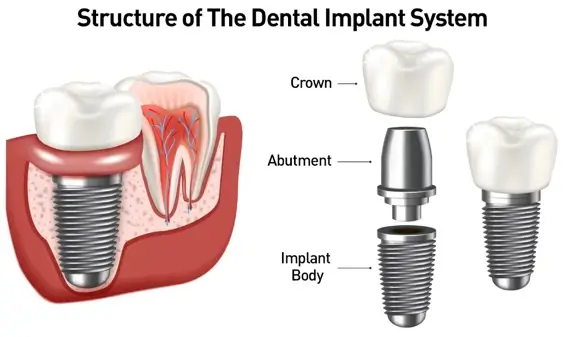
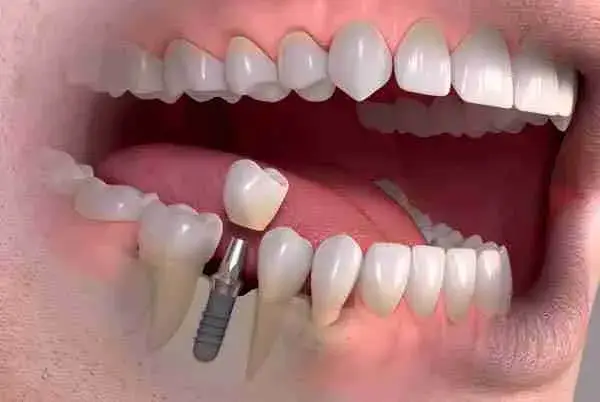
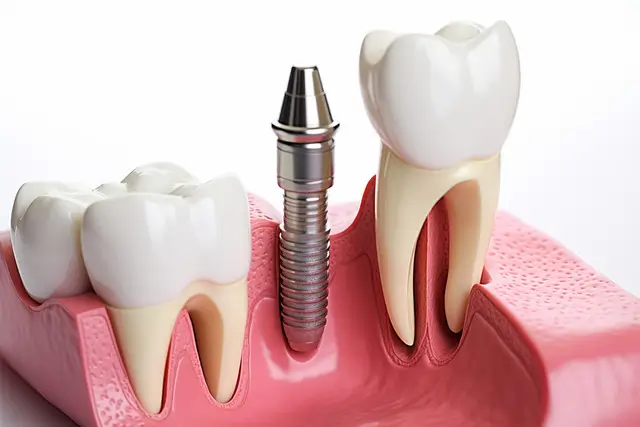
One of the biggest drivers is cost. Dental implants in Thailand typically come in at 30–60% lower than prices in the US, Australia, or much of Europe. That doesn’t mean bargain-basement shortcuts. Lower living costs, high patient volumes, and efficient clinic operations mean you can save significantly while still being treated with top-tier materials. Established clinics commonly use leading implant systems (such as Nobel Biocare or Straumann), work with quality dental labs, and provide clear quotations so you know exactly what’s included: the implant fixture, abutment, crown, imaging, and chair time.
International standards and skilled specialists
Dentists in Thailand who handle implants are often trained in prosthodontics or periodontics, with many holding international degrees or residencies. You’ll find clinics and hospitals with ISO certifications, and some hospital-based dental centers are JCI-accredited. Sterilization protocols are strict, assistants are well trained, and sedation or general anesthesia can be arranged in a hospital setting when needed. This combination of specialist expertise and strong systems is a key reason international patients feel confident flying in.
Digital tech for safer, faster treatment
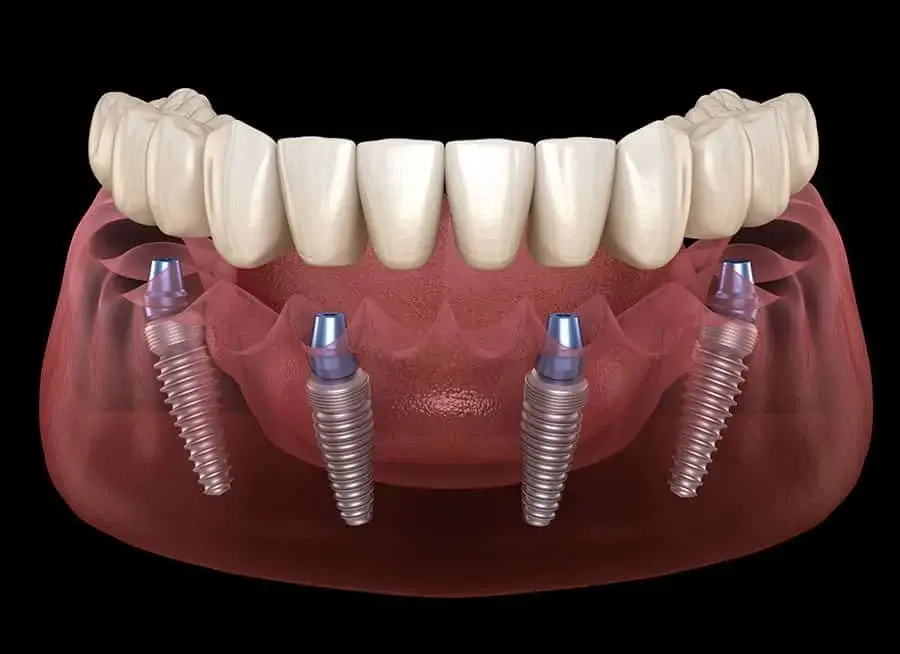
Thai clinics have embraced technology that makes implant dentistry more precise and predictable. Expect 3D CBCT scans for accurate bone assessment, digital planning for implant positioning, and, in many cases, computer-guided surgery. CAD/CAM milling and 3D printing help speed up provisional crowns and surgical guides. For suitable cases, options like immediate placement or same-day teeth and All-on-4 are available, while more complex cases can be staged carefully with bone grafts or sinus lifts when required. Your dentist will explain what’s safe and realistic for your situation.
Short timelines that fit travel plans
A big appeal of dental tourism is making treatment time-efficient. Clinics in Bangkok, Phuket, and Chiang Mai are used to working with limited travel windows. Many offer virtual consultations to review scans and discuss options before you fly. If you’re a candidate for immediate loading, you could have temporary teeth placed on the same day. Otherwise, a two-visit plan is common:
- Visit 1: consultation, scans, surgery, and a temporary solution. Healing (osseointegration) usually takes 3–6 months.
- Visit 2: placement of the final crown or bridge.
If you’re on a tight schedule, ask the clinic to coordinate lab work and appointments back-to-back. Thai clinics are quite good at this—“no worries” is a common attitude, but they’ll still keep things on time.
Easy access, English-friendly care
Flying into Thailand is straightforward, with frequent direct flights to Bangkok, Phuket, and Chiang Mai. Many passport holders enjoy visa-free entry for short stays. In Bangkok, clinics are often located along BTS and MRT lines around Sukhumvit, Asoke, Phrom Phong, Silom, and Sathorn, so you can move around easily without traffic. English-speaking dentists and coordinators are standard; some clinics also have staff who speak
Arabic, Chinese, Japanese, or Russian. Communication tends to be smooth, and you’ll notice the “service mind” that Thai healthcare is known for.
Comfortable recovery and a good place to heal
Post-op, Thailand is a gentle place to take it easy. Hotels near major clinics are plentiful, from five-star stays to clean, comfy serviced apartments. You’ll find endless soft-food options—congee (jok), soups, smoothies—and 7-Eleven is never far if you need something simple at odd hours. Many patients take a “sabai sabai” approach: schedule the surgery early in the trip, rest for a few days, then enjoy light sightseeing. Avoid heavy exertion, very spicy or hot foods, and alcohol right after surgery—your dentist will give clear do’s and don’ts.
How to choose the right clinic
A bit of homework goes a long way. Consider these points:
- Dentist credentials: Look for board-certified specialists in prosthodontics or periodontics and evidence of implant training and case experience.
- Technology: CBCT imaging, digital planning, and guided surgery are good signs.
- Materials: Ask which implant brands and crown materials are used and why.
- Transparency: Insist on a written treatment plan with itemized costs, timelines, and possible add-ons (bone grafts, sinus lift, sedation, provisional teeth).
- Infection control: Ask about sterilization protocols and whether complex cases are done in a hospital setting.
- Reviews and case photos: Look beyond star ratings for detailed patient stories and before/after images.
- Aftercare: Clarify follow-up visits, warranty terms, and what support is available once you’re back home.
It’s also fine to request a second opinion—good clinics won’t pressure you. If a quote seems too good to be true or there’s reluctance to take proper X-rays and scans, that’s a red flag.
Planning your dental vacation
Timing matters. High season (November to February) is busy and pleasant weather-wise. Songkran in April can mean holiday closures; rainy season travel is fine, but plan for some indoor days. Book appointments ahead, especially if you want a tight schedule. Bring a list of medications and a summary from your local dentist. Payment is usually easy—Thai baht by card, cash, or QR—and many clinics can share reports and images via email or Line for your records.
Who is a good candidate?
Most healthy adults missing one or more teeth can consider implants. If you have uncontrolled diabetes, take certain medications, or smoke heavily, your dentist will discuss risks and possible pretreatment. Honest medical history helps ensure a safe plan. If you need extensive grafting, be prepared for additional healing time.
Aftercare and long-term success
Implants are a long-term investment and require proper maintenance. Thai clinics typically provide detailed home-care instructions, schedule stitch removal, and offer remote follow-ups via Line, WhatsApp, or email. Once home, continue regular check-ups and cleanings with a local dentist. Keep all documents and warranty information, and follow your clinic’s advice on night guards if you grind your teeth.
The bottom line
Thailand has earned its reputation as a dental implant hub because it blends specialist expertise, modern technology, and sensible pricing with warm, efficient service. Whether you’re walking into a clinic off a Sukhumvit soi or a hospital-based center in Phuket, you’ll find teams used to caring for international patients and planning around travel schedules. If you do your due diligence and choose a reputable clinic, dental tourism in Thailand can deliver strong clinical results—and a trip that leaves you smiling.