Why Thailand Dental Implants Continue to Grow Among International Travelers
Why Thailand Dental Implants Continue to Grow Among International Travelers
If you’ve noticed more friends coming back from Bangkok with a brighter smile and a handful of foodie photos, you’re not imagining it. Thailand dental implants are on a steady upswing among international travelers, and it’s not just about the lower price tag. It’s a mix of clinical standards, speed, hospitality, and the very Thai “sabai sabai” way of taking care of guests that keeps people flying in from Australia, the Middle East, Europe, and the US.
Real value without cutting corners
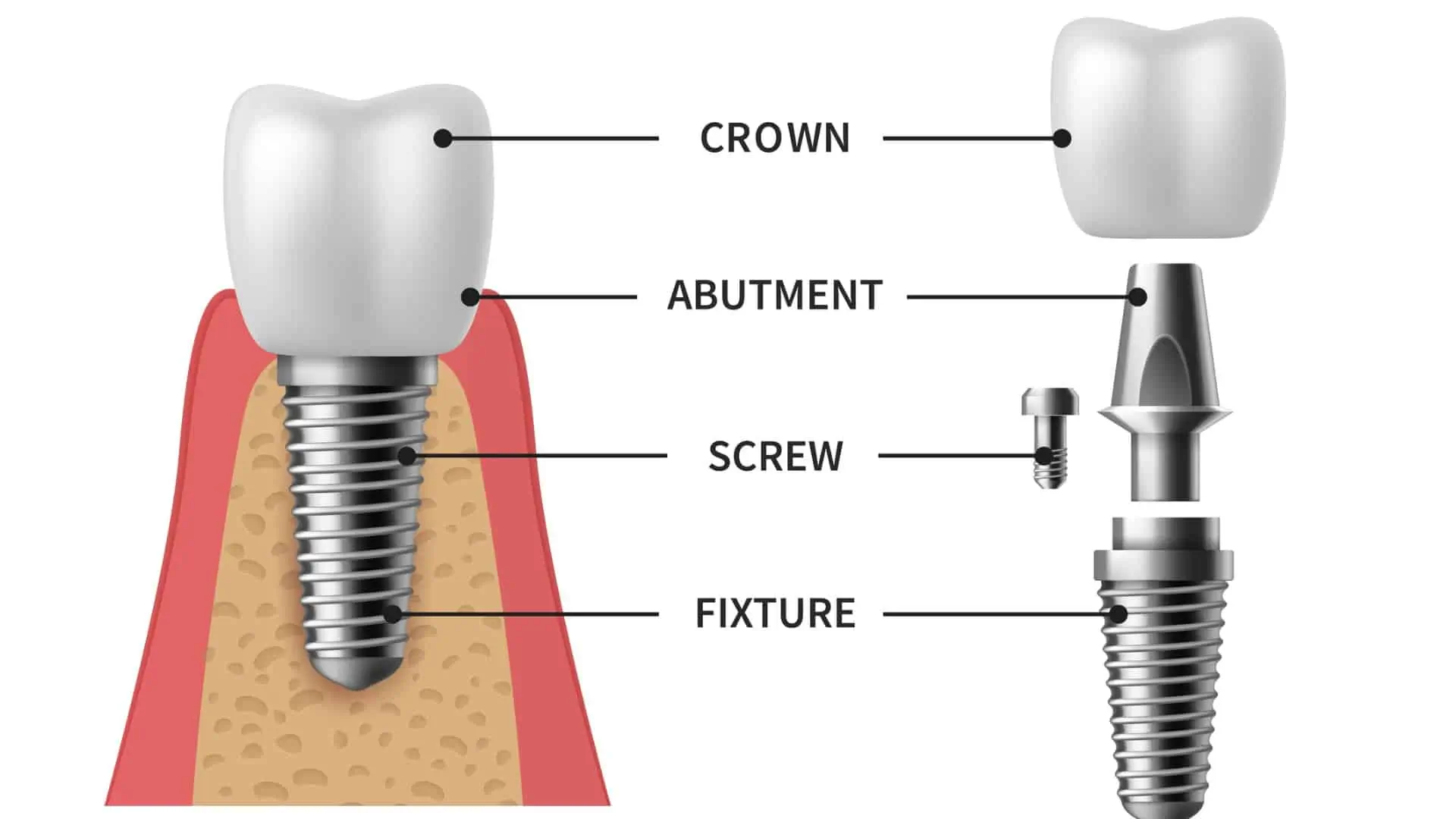
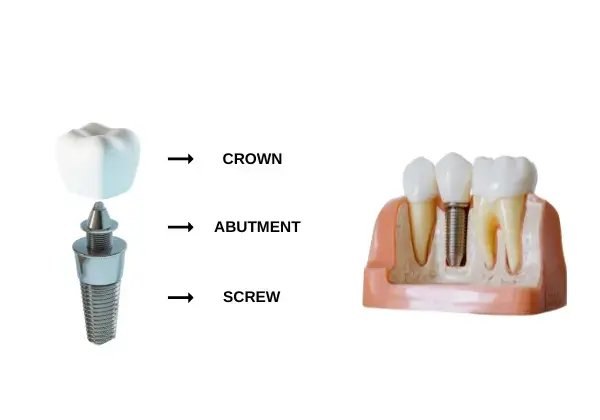
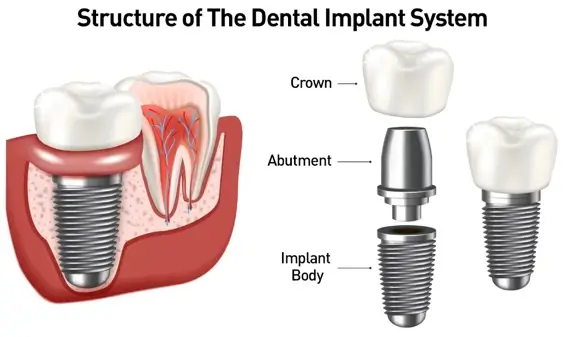
Cost is a big driver, but value is the real story. A single titanium implant in Thailand often comes in at 30–60% less than in Western countries, even after you factor in flights and a few nights by the beach. The key reason? Lower operating costs and an established dental tourism ecosystem, not lower quality. Many clinics use global brands for implants (think Straumann, Nobel Biocare, Zimmer Biomet) and follow evidence-based protocols. Patients get comprehensive quotes upfront, with line items for the implant, abutment, crown, anesthesia, imaging, and follow-ups, so there are no surprise “add-ons” later.
Clinical standards that meet international benchmarks
Thailand’s private dental sector is competitive and quality-focused. Look for clinics with:
- Board-certified implant dentists registered with the Thai Dental Council
- Memberships in international bodies like ITI or AAID
- On-site CBCT 3D imaging and digital scanners for precise planning
- Sterilization protocols that follow CDC standards and, in many cases, ISO-certified processes
Some dental centers are attached to JCI-accredited hospitals, which is reassuring if you prefer treatment in a hospital environment. Many implantologists handle hundreds of cases each year, including complex grafting and All-on-4 full-arch solutions, which builds strong clinical experience.
Speed and convenience for travelers
Time is money, lah. Clinics here are used to working with travelers on tight schedules. A typical visit starts with a CBCT scan, consultation, and a digital plan on Day 1. Guided surgery reduces chair time and swelling, and if you’re suitable for immediate placement, a temporary crown can go in fairly quickly. For conventional cases, you’ll come back after 3–6 months for the final crown once the implant integrates with bone. With careful trip planning, you can combine treatment with a short holiday, then return later for the prosthetic work—or coordinate your second stage through a partner dentist at home.
Communication that feels easy
Most leading clinics have English-speaking coordinators who will reply on email or Line, explain your options, and help with airport transfers and hotel suggestions. Doctors take time to run through scans and show you the plan on-screen, so you know what’s happening. That Thai “mai pen rai” attitude helps—you’ll feel looked after, not rushed.
Technology that boosts success and comfort
Dental tech in Thailand is modern and patient-friendly:
- CBCT and digital impressions for exact planning
- 3D-printed surgical guides that help place implants at the correct angle and depth
- Piezo surgery for gentler bone work
- CAD/CAM milled zirconia or e.max crowns for strength and aesthetics
For anxious patients, clinics offer sedation options, from oral sedation to IV with an anesthetist present. Pain management is clear and conservative, and post-op instructions are easy to follow.
A destination that makes recovery feel like a mini-retreat
Where else c
an you have a morning implant review and a sunset coconut by the beach? Whether you pick Bangkok for convenience, Phuket for sea views, or Chiang Mai for a slower pace, Thailand makes recovery comfortable. Soft local dishes like jok (rice porridge), khao man gai (chicken rice), and smoothies are easy on healing gums. Hotels are used to medical travelers and can arrange room service and transport, making your stay smooth.
Transparent warranties and follow-up
Reputable clinics provide written warranties—often 5–10 years for the implant fixture and 1–3 years for the crown—provided you follow check-up schedules and maintain hygiene. Most offer free post-op reviews while you’re in Thailand and reasonable fees for any adjustments. Many will coordinate with your home dentist for ongoing maintenance, sharing scans and treatment notes if needed.
Who is a good candidate?
If you’re healthy, a non-smoker (or willing to stop for healing), and have enough bone in the jaw, you’re likely a good candidate. If bone is thin, sinus lifts or grafting can help. Diabetics and patients on certain medications may still proceed with extra precautions. A proper assessment with CBCT is essential—don’t commit before seeing a detailed plan and risks.
How to choose a clinic in Thailand
- Check the doctor’s full name and registration with the Thai Dental Council
- Ask how many implant cases they do yearly and what systems they use
- Request a full treatment plan with costs, timelines, and contingencies
- Look for clear sterilization protocols and in-house imaging
- Read independent reviews, not just testimonials on the clinic site
- Confirm communication channels for before and after your trip
What the timeline really looks like
- Trip 1: Consultation, CBCT, planning, and implant placement. Expect mild swelling for a few days; many patients are out sightseeing gently after 48–72 hours.
- Healing: 3–6 months for integration (sometimes shorter with immediate protocols if bone stability is excellent).
- Trip 2: Abutment and final crown fitting, usually over a few days with digital impressions and quick turnaround from in-house labs.
Common concerns, answered
- Is it safe? Choose the right clinic, and safety standards align with international norms. Don’t shy to ask about sterilization, implant brands, and emergency protocols.
- Will I manage pain? Most patients report mild to moderate discomfort for a couple of days, easily controlled with prescribed meds and cold compress.
- What about follow-up at home? Your Thai clinic should provide documentation for your local dentist and be available online if questions come up later.
Why the growth will continue
Thailand’s edge is not one thing—it’s the whole package. Competitive pricing, experienced doctors, modern tech, straightforward logistics, and a warm, patient-first culture make implants feel accessible rather than intimidating. Add in reliable flight connections, visa-friendly policies for many passport holders, and a travel experience that genuinely feels “same same but better,” and it’s easy to see why international travelers are choosing to fix their bite and enjoy a bowl of tom yum in the same week.
If you’re considering dental implants abroad, Thailand offers a blend of clinical confidence and calm that’s hard to beat. Do your homework, pick a clinic that ticks the boxes, and you’ll find the journey from consultation to confident smile can be surprisingly smooth—Thai style, sabai sabai.