Why Dental Implants in Thailand Offer Great Value for Tourists
Why Dental Implants in Thailand Offer Great Value for Tourists
If you’ve been thinking about replacing missing teeth and getting your smile back, Thailand is one of the most popular places to do it. Beyond the islands, night markets, and temples, the country has built a strong reputation for world-class dental care at friendly prices. Combine that with the sabai sabai (relaxed) vibe and English-speaking clinics, and it’s easy to see why many travelers plan a “smile-cation” here.
What makes Thailand such good value
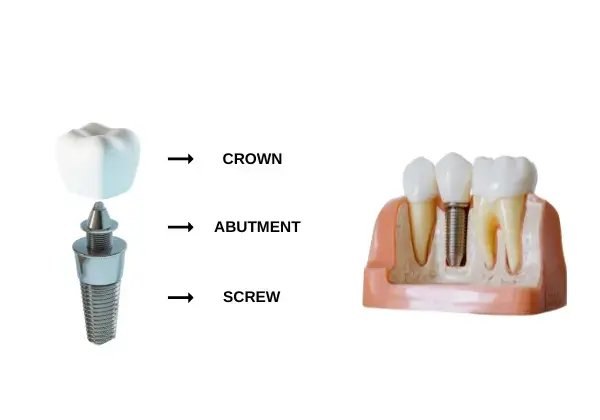
- Competitive pricing without cutting corners: Compared to Australia, the UK, or the US, dental implants in Thailand can be 50–70% more affordable. A straightforward single implant with crown often ranges from roughly 45,000–75,000 baht (about USD 1,200–2,100), depending on brand and complexity. Full-arch solutions like All-on-4 typically start around 280,000–450,000 baht (about USD 7,500–12,000). Prices vary by case, but you’ll usually find transparent, itemized quotes in baht with no surprise add-ons.
- High standards and international expertise: Many Thai dentists are board-certified, with advanced training in Europe, Australia, or the US. Leading clinics in Bangkok, Chiang Mai, Phuket, and Pattaya use 3D CBCT scans, digital planning, and guided surgery, along with proven implant brands such as Straumann or Nobel Biocare. Hospitals and clinics may hold international accreditations, and sterilization protocols are strict. It’s premium care at a fair price.
- Easy communication and warm service: English is widely spoken in top clinics. Many have international patient coordinators who can walk you through the plan, explain the timeline, and answer questions on WhatsApp or LINE. The vibe is very mai pen rai—no worries—so you feel looked after from first message to final crown.
- Convenient locations and travel-friendly scheduling: You’ll find clinics near BTS/MRT stations along Sukhumvit in Bangkok, around Nimman in Chiang Mai, and close to resort areas in Phuket. Appointments are often arranged to fit your holiday plan, with efficient workflows to minimize chair time.
Understanding the treatment timeline
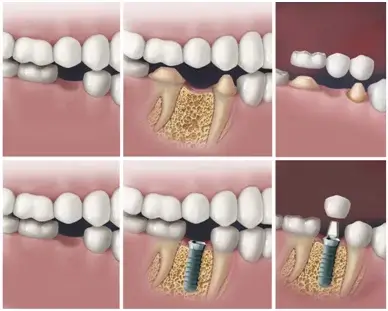
Most dental implants are placed in two stages to allow the bone and implant to integrate—usually 3 to 6 months between visits. Many tourists do two shorter trips:
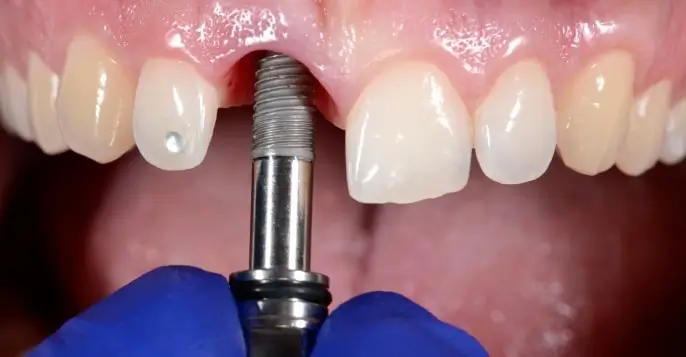
- Trip 1 (3–7 days): Consultation, 3D scan, any extractions or grafting, and implant placement. You’ll rest for a couple of days and have a follow-up before flying out.
- Trip 2 (3–10 months later, 3–5 days): Uncover the implant (if needed), take impressions, try-in, and place the final crown.
Some cases offer immediate or early loading—especially full-arch All-on-4—where a provisional set of teeth is fitted in 5–10 days, and the final set is delivered a few months later. Your dentist will advise based on bone quality and bite. It’s not one-size-fits-all, but Thailand’s clinics are used to planning around travel dates.
Healing in comfort, Thai-style
A big plus of choosing Thailand is how comfortable recovery can be. After implant placement, you’ll be advised to take it easy—think sabai sabai. Stick to soft foods for a few days: jok (rice porridge), khao tom (rice soup), steamed fish, tofu, omelettes, smoothies, and yogurt. You can still enjoy the city at a gentle pace—air-conditioned malls, a peaceful temple visit, or a stroll in Lumpini Park. Skip spicy or crunchy dishes at first and avoid heavy workouts, alcohol, and smoking as advised. Follow your dentist’s instruct
ions on hygiene; it makes a big difference.
How to choose the right clinic
- Check credentials and experience: Look for implantologists with clear qualifications and many cases completed. Ask which implant systems they use and whether they offer guided surgery.
- Review technology and safety: CBCT imaging, digital planning, and strict sterilization are must-haves. International accreditations add peace of mind.
- Read honest reviews: Look at recent patient feedback from travelers and expat forums. Consistent praise for communication and aftercare is a good sign.
- Demand a clear plan and itemized quote: You should receive a detailed treatment plan with stages, timelines, and costs in baht. No pressure upselling, just straight talk.
- Confirm aftercare and warranties: Ask about follow-up visits, emergency contacts, and whether they collaborate with dentists in your home country for check-ups. Many clinics offer warranties for implants and crowns if you attend scheduled reviews.
- Test communication: A quick video consult can show how well the team explains options. Good clinics answer questions promptly and set realistic expectations.
A sample travel plan
- Bangkok start: Fly in, check into a hotel near Sukhumvit or Silom for easy transport. Day one: consultation and 3D scan. Day two: implant surgery. Day three or four: follow-up. Use down days for gentle activities—museum visits, café hopping, or a Chao Phraya river cruise.
- Northern chill: If you’re in Chiang Mai, enjoy the old city walls, night bazaars, and calm cafés. Songthaew rides are cheap, and clinics are usually just off the main sois.
- Beach breeze: In Phuket, you can rest near quieter beaches like Kata Noi. Keep sun exposure and saltwater swims limited in the first days as advised, then relax into your holiday once cleared.
Practical tips before you fly
- Visa and entry: Many nationalities enjoy visa-exempt entry for 30–60 days. Check the latest rules before booking.
- Documents and health info: Share any medical conditions, medications, and previous dental records in advance. Bring a list of questions and your travel schedule.
- Insurance and payments: Consider travel insurance that covers medical travel changes. Major clinics accept credit cards (sometimes with a small fee) and bank transfers. Ask for official receipts if you plan to claim with your insurer.
- Timing matters: Avoid scheduling surgery right before long-haul flights if possible; give yourself a couple of days to rest before heading home.
- A few Thai phrases: Sawasdee ka/krub (hello), khop khun ka/krub (thank you), and mai pen rai (no worries) go a long way. But don’t worry—English will be fine.
Managing expectations
No procedure is risk-free. The keys to success are choosing a reputable clinic, following pre- and post-op instructions, keeping excellent oral hygiene, and attending follow-up visits. If you grind your teeth or smoke, discuss this openly—your dentist can recommend solutions like night guards or cessation plans to protect your new implant.
The bottom line
Dental implants in Thailand offer a smart balance of cost, quality, and comfort. You’ll find skilled dentists, modern technology, and transparent pricing—plus the chance to enjoy a memorable trip. With good planning and the right clinic, you can come home with more than souvenirs: a confident, lasting smile. In true Thai fashion, it’s all about value with a friendly, mai pen rai feel.