Thailand Dental Implant Options for Travelers Wanting Permanent Teeth
Thailand Dental Implant Options for Travelers Wanting Permanent Teeth
Sawasdee and welcome to the Land of Smiles—famous for its beaches, street food, and yes, high‑quality dental care. If you’re a traveler looking for permanent teeth with dental implants, Thailand offers modern clinics, experienced doctors, and fair pricing in baht, all wrapped in comfortable hospitality. Here’s a clear, practical guide to help you plan.
What dental implants actually are
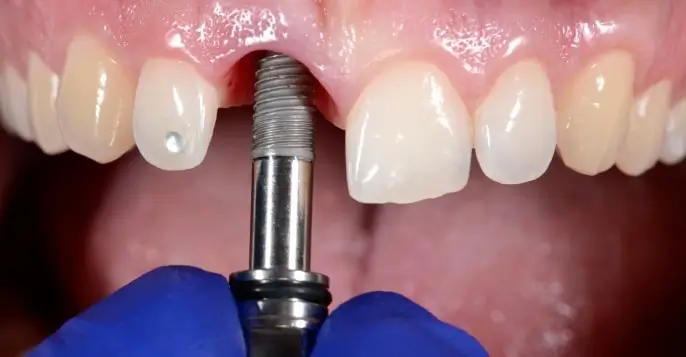
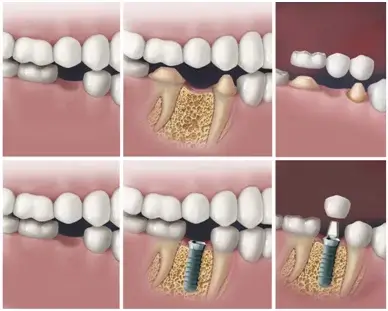
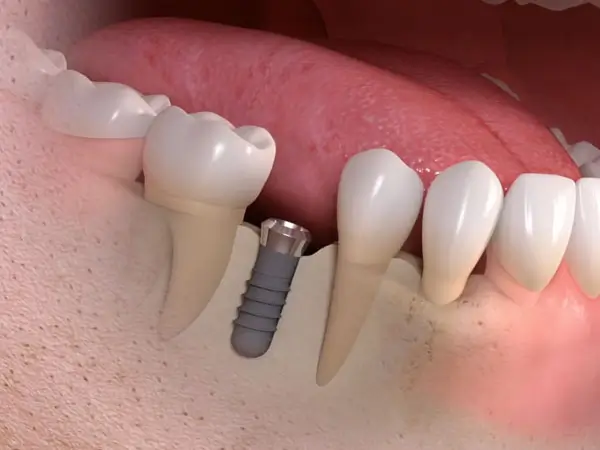
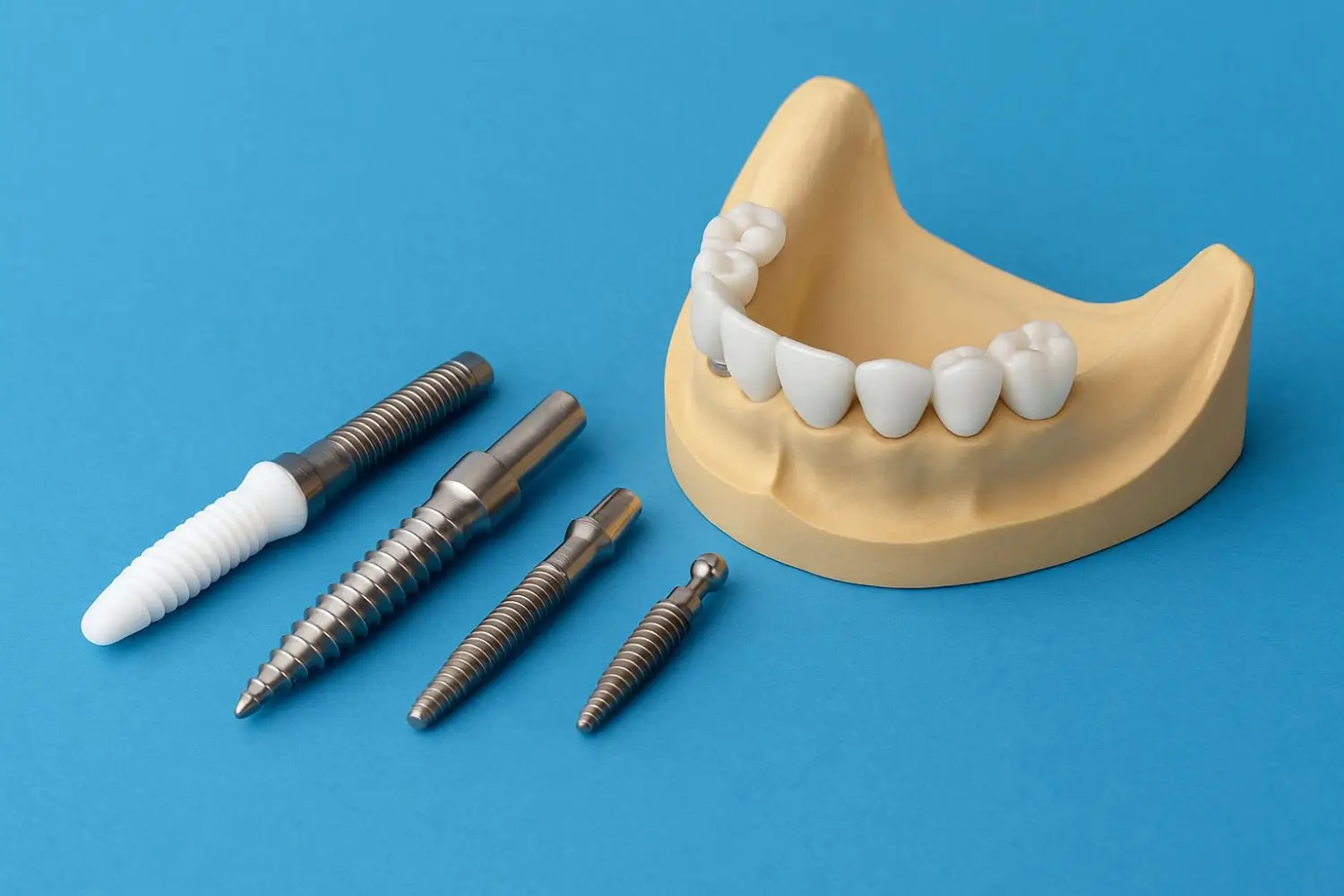
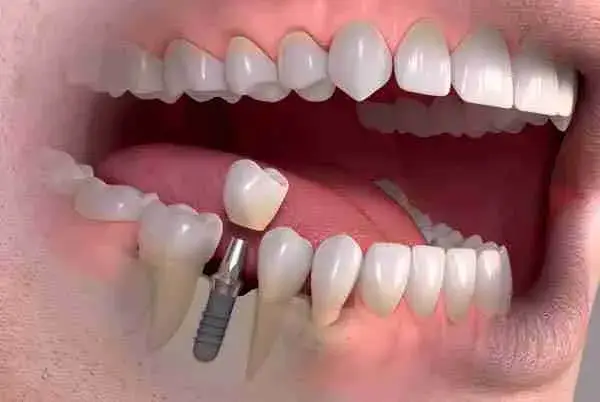
A dental implant is a small titanium (or zirconia) post placed in the jawbone to replace a tooth root. Once the bone bonds to the implant (a process called osseointegration), a connector (abutment) and a custom crown or bridge are fitted on top. The result looks and feels like natural teeth—proper function, stable bite, and a long‑term solution when cared for properly.
Common implant options in Thailand
- Single-tooth implant: Ideal when you’re missing one tooth. It doesn’t touch neighbouring teeth, so it’s a conservative option.
- Implant-supported bridge: Replaces several missing teeth using two or more implants to support a bridge. Good balance between stability and budget.
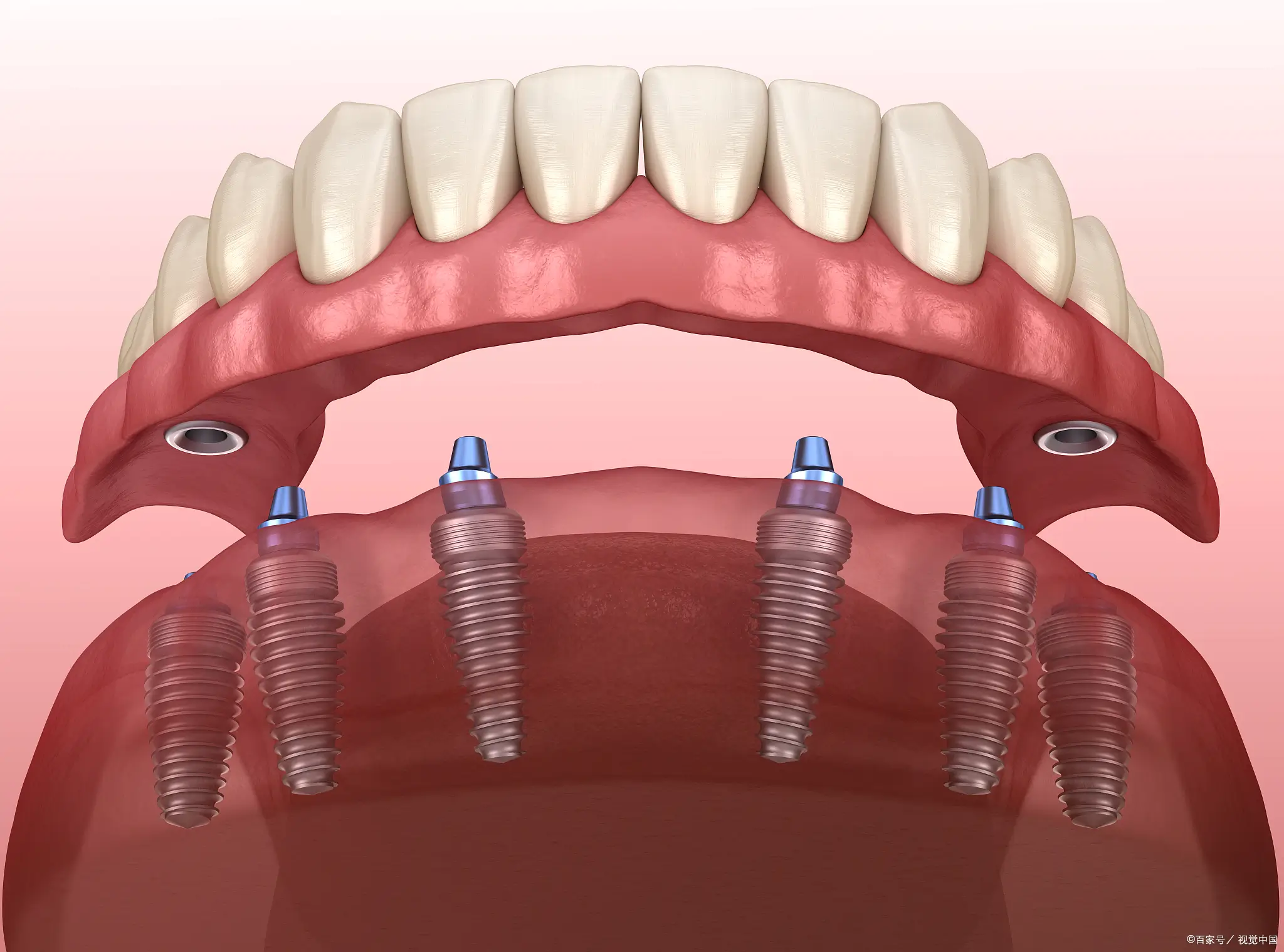
- Overdentures on implants: A removable denture that clips onto two to four implants for better hold. More affordable than full fixed teeth and easier to clean.
- All-on-4 or All-on-6 fixed teeth: For full arch replacement. Implants are strategically angled to avoid grafting in many cases, with a fixed bridge attached. Often promoted as “same-day teeth,” but you’ll usually get a provisional bridge first and return later for the final.
- Advanced solutions (when bone is limited): Techniques like sinus lifts, bone grafting, or in selected clinics, zygomatic implants. These require careful assessment by an oral surgeon or prosthodontist.
What it costs (guide prices in baht)
Fees vary by city, implant brand, and the complexity of your case, but these ranges will help you budget:
- Single implant package (implant + abutment + crown): roughly 60,000–100,000 THB per tooth depending on brand and materials.
- Implant-supported bridge (3-unit on 2 implants): usually 120,000–200,000 THB.
- Overdenture on 2–4 implants: from 120,000 THB upwards depending on attachments and denture type.
- All-on-4/All-on-6 per arch: typically 250,000–500,000+ THB, depending on temporary vs final bridge materials (acrylic, composite, or zirconia) and brand (e.g., Nobel Biocare, Straumann).
Always ask for a written treatment plan showing each fee (surgery, abutments, crowns/bridge, any CBCT scans, sedation, grafting).
Treatment timeline and how long to stay
Implants need time to integrate with the bone. Your schedule depends on whether your case is immediate load (teeth placed within days) or staged.
- Staged approach (common):
Visit 1: Consultation, CBCT scan, surgery. Stay 3–7 days for review and suture removal.
Healing time: 3–6 months (back home).
Visit 2: Abutment and final crown/bridge fitting. Stay 5–10 days for try‑ins and adjustments.
- All-on-4 immediate load (full arch):
Visit 1: Planning, surgery, and a provisional fixed bridge in around 3–7 days. Many clinics prefer 7–10 days to fine-tune bite and speech.
Healing time: 3–6 months.
Visit 2: Final bridge (often zirconia or high‑strength ceramic). Stay 7–14 days for precision adjustments.
Not everyone is suitable for immediate loading; bone density, bite forces, and health factors matter. A proper examination with a CBCT scan is standard in reputable Thai clinics.
Who is a good candidate
Healthy gums, stable general health, and enough bone are key. Smokers, heavy night grinders (bruxers), and uncontrolled diabetes increase risks
. If you’ve been missing teeth for years, expect discussion about grafting or angled implant solutions. Bring any recent panoramic X‑ray or scan; it helps pre‑planning and avoids repeat radiation.
Choosing the right clinic in Thailand
Bangkok, Phuket, and Chiang Mai have established dental centres with English‑speaking teams and modern equipment. Look for:
- Board‑certified prosthodontists or oral & maxillofacial surgeons
- In‑house CBCT imaging and digital planning
- Clear sterilisation protocols and ISO or equivalent quality systems
- Transparent implant brands and warranty policies
- Real before‑and‑after cases and patient reviews (beyond just star ratings)
A few practical steps:
- Shortlist two to three clinics. Share your scans and photos for a preliminary plan and ballpark quote.
- Confirm brand names, the number of implants, immediate vs staged timing, and materials for the final restoration.
- Ask about pain control (local anaesthesia, IV sedation), antibiotics policy, and follow‑up reviews.
- Check whether your doctor will be available for review during your stay. Avoid long public holiday periods like Songkran if you need multiple fittings.
Aftercare and recovery while travelling
For the first week after surgery:
- Stick to soft food—think rice soup, omelettes, soft noodles. Keep it “mai phet” (not spicy) until the area settles.
- Rinse gently with saline or prescribed mouthwash. Avoid vigorous swishing.
- No smoking, no alcohol, and avoid heavy exercise or swimming for at least a few days.
- Sleep with head elevated, use cold compresses as advised.
- If you’re in Bangkok, staying near the BTS or MRT keeps travel easy for reviews without sitting in traffic.
Expect mild swelling and tenderness for a few days; most travellers are comfortable sightseeing lightly after two to three days, but keep sun exposure, heat, and adventurous food for later.
What to ask about warranties and maintenance
Reputable clinics often provide a written warranty—commonly one to two years for crowns/bridges and several years for the implant fixture, provided you attend recommended check‑ups and maintain good oral hygiene. Clarify:
- How complications are handled if you’ve already gone home
- Whether the clinic will coordinate with your local dentist for interim care
- Maintenance visits and professional cleaning schedule (usually every 6 months)
- Night guard recommendations if you grind your teeth
Red flags to avoid
- Ultra‑cheap packages that don’t specify brands or materials
- Pressure to pay 100% upfront before examination
- No CBCT scan before complex cases
- Vague answers about the doctor’s qualifications
Travel logistics and payment
Many nationalities get a 30‑day visa exemption on arrival; always check current rules before booking. Clinics usually accept major credit cards and bank transfers; some offer instalments for multi‑stage treatments. Travel insurance rarely covers elective dentistry, but consider a policy that covers unexpected medical issues. Keep a buffer day or two before your flight in case the doctor wants one more review.
Why Thailand is a strong choice
You’ll find experienced doctors who handle implant cases daily, modern planning with 3D scans, and friendly service that makes the journey less stressful. Combine that with fair pricing in baht and easy flight links, and Thailand becomes a practical place to restore your smile with permanent teeth.
With the right clinic, clear planning, and a realistic timeline, you can return home with strong, natural‑looking teeth—and a reason to keep smiling long after your trip.