Thailand Dental Implant Tourism Benefits for Overseas Patients
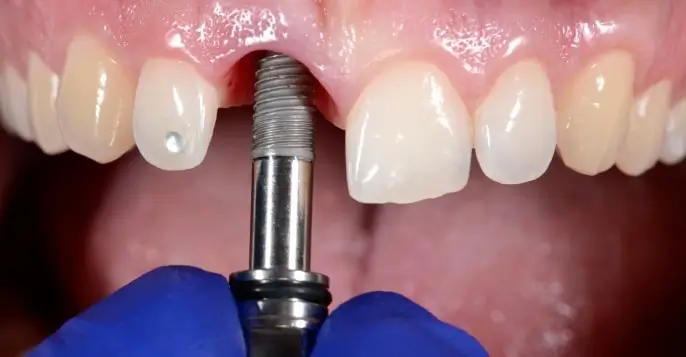
Thailand Dental Implant Tourism Benefits for Overseas Patients
If you have been thinking about replacing missing teeth and getting your smile back, Thailand dental implant tourism offers a practical, value-for-money path that many overseas patients now choose. Thailand combines high clinical standards with warm hospitality, efficient scheduling, and the bonus of a relaxing holiday. The result feels very Thai: professional yet sabai-sabai (relaxed), thorough yet mai pen rai (no stress).
World-class dentistry with modern tech
Thailand’s leading dental clinics in Bangkok, Phuket, Chiang Mai, and Pattaya are equipped with digital dentistry tools that streamline care. You’ll commonly find cone-beam CT (CBCT) imaging for precise 3D planning, CAD/CAM milling and 3D printing for accurate crowns and guides, and well-known implant systems such as Straumann or Nobel Biocare. Many dentists completed part of their training abroad and hold international certifications. Communication is smooth too—English-speaking dentists, coordinators, and International Patient Departments are standard at top clinics.
Realistic cost savings without cutting corners
One big benefit for overseas patients is predictable savings. While exact fees depend on your case, brand, and whether you need bone grafting or sinus lift, a single dental implant with crown in Thailand typically ranges from about 50,000 to 100,000 baht (roughly US$1,400–$2,800). In many Western countries, similar treatment can cost two to three times more. Even after flights and accommodation, the total outlay often comes out lower. Reputable clinics share itemized quotes upfront, so you know what’s included—consultations, imaging, surgery, provisional prosthesis, final crown, and follow-up visits.
Shorter waiting times and efficient scheduling
A key advantage of dental care in Thailand is speed without rush. Clinics with in-house specialists, labs, and imaging can coordinate several steps in a few days. Instead of multiple referrals and long waitlists, you get a clear plan and appointments that fit your travel dates. For straightforward cases, the implant surgery takes around 1–2 hours, and post-op checks can be done within the same week. For full-arch options like All-on-4, some patients receive a fixed temporary prosthesis within days, subject to bone quality and clinical suitability.
A comfortable journey designed for travellers
Thailand handles international visitors every day, so the patient journey is smooth. Visa policies are friendly for many passports, airports are well connected, and city transport is easy. Many clinics offer airport pick-ups, hotel recommendations near BTS/MRT in Bangkok, and concierge-style care. Staff greet you with a wai and a sawasdee, and the overall tone helps reduce dental anxiety. After surgery, it’s easy to find soft, gentle foods like jok (rice porridge), khao tom (rice soup), steamed fish, egg dishes, smoothies, and mild noodle plates such as pad see ew. You can rest, watch the world go by, or enjoy light activities like a river cruise or temple visit once your dentist gives the green light.
What the typical implant timeline looks like
Because implants need time to integrate with bone (osseointegration), most overseas patients plan two visits. Here’s a common flow:
- Remote pre-assessment: You share dental photos, previous X-rays, and medical history. The clinic provides a provisional plan and estimate.
- First trip (3–7 days): In-person exam and CBCT scan to finalize the plan. Implant placement occurs under local anesthesia with or without sedation. You’ll get post-op meds and instructions. Expect some swelling for 48
–72 hours and plan easy days.
- Healing phase (3–6 months): You return home while the implant integrates. The clinic may schedule virtual reviews and check that everything is sabai-sabai.
- Second trip (3–7 days): Digital impressions or scans are taken, the crown or bridge is crafted, and the final fitting is done with bite adjustments.
For selected cases and full-arch treatments, immediate or early loading with a temporary bridge may be possible, but this depends on your bone density, stability at placement, and medical factors. A genuine clinic will not promise same-day permanent teeth unless it is clinically safe.
Quality and safety you can verify
Thailand’s top clinics follow strict sterilization protocols, use traceable implant components, and issue warranty terms for implants and lab work. Many operate within hospital settings or hold ISO or international accreditations; some hospitals are JCI-accredited. Before booking, you can:
- Check the dentist’s credentials with the Thai Dental Council and see case photos (before-and-after).
- Confirm the implant brand and ask for a batch/lot sticker for your records.
- Review written consent forms, treatment stages, and what’s included in the price.
- Read independent patient reviews and look for clear communication, not pressure sales.
Personalised care and follow-up options
Post-treatment care matters just as much as surgery. Clinics typically schedule in-person checks before you fly home and provide a direct line for any questions. Tele-dentistry follow-ups via video call are common. You’ll receive detailed maintenance advice and a written summary for your local dentist, covering hygiene, recall intervals, and implant system details. If your plan includes a warranty, check maintenance requirements—most ask for regular cleanings and check-ups to keep it valid.
A gentle recovery with Thai hospitality
Beyond clinical care, the overall experience makes Thailand stand out. The friendly, mai pen rai approach puts you at ease. If you choose to stay in Bangkok, areas like Sukhumvit or Silom keep you close to clinics, pharmacies, and quiet cafes. In Phuket or Chiang Mai, you can recover with mountain or seaside views. Avoid heavy exercise, diving, and spicy food in the first days, follow your surgeon’s instructions, and give your body time to heal. A light foot massage (avoiding face pressure) after a couple of days can be a relaxing treat.
Who benefits most from dental implant tourism
- Single-tooth replacements for a quick confidence boost.
- Multiple implants or full-arch restorations where savings are significant.
- Patients who value coordinated care and minimal waiting.
If you have complex medical conditions (e.g., bleeding disorders, recent heart issues), a hospital-based dental center may be best. Always share your full medical history and medications with the clinic beforehand.
Practical tips to plan your trip
- Build 2–3 buffer days after surgery before flying long-haul.
- Arrange travel insurance that covers medical care and trip changes.
- Stop smoking before and after surgery to support healing.
- Keep copies of imaging and treatment records for your home dentist.
- Set a realistic budget that includes flights, hotel, meals, and any contingency.
The bottom line
Thailand dental implant tourism gives overseas patients a strong mix of clinical quality, fair pricing, and the calm, welcoming vibe the Kingdom is famous for. With careful planning and a trusted clinic, you can achieve long-lasting oral health, enjoy a comfortable recovery, and leave with a smile that’s truly sanuk.