Why Thailand Dental Implants Are a Popular Choice for Overseas Dental Care

Why Thailand Dental Implants Are a Popular Choice for Overseas Dental Care
If you’ve heard friends say they flew to Bangkok or Phuket for dental implants and came back smiling, you’re not alone. Thailand has built a strong reputation for dental tourism, especially for implants, thanks to a mix of value for money, skilled dentists, modern clinics, and a travel experience that feels sabai-sabai (relaxed and comfortable). Here’s a clear, down-to-earth look at why Thailand dental implants are a popular choice for overseas dental care—and how to plan sensibly.
Value for money without cutting corners
Thailand offers competitive pricing while keeping international standards. As a general reference:
- Implant fixture: around THB 35,000–80,000 (about USD 1,000–2,200)
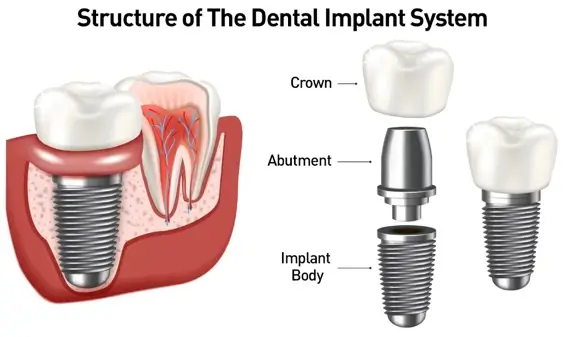
- Abutment and crown: around THB 20,000–45,000 (about USD 550–1,250)
- Full single-tooth package: often THB 60,000–120,000 (about USD 1,650–3,300), depending on brand, case complexity, and clinic location
In countries like the US or Australia, a single-tooth implant with crown commonly totals much higher. In Thailand, you can often save 30–60% while being treated in a modern, English-speaking clinic. Make sure you compare what’s included—consults, X-rays/CBCT scans, surgical stents, provisional teeth, follow-ups, and any sedation fees—so you understand the true all-in cost.
High clinical standards and internationally trained dentists
Thailand’s private sector clinics and hospital dental centers are known for keeping up with global protocols. Many implant dentists are registered with the Dental Council of Thailand and have additional training from the UK, US, Europe, Australia, or Japan. It’s common to see:
- 3D CBCT imaging for precise planning
- CAD/CAM crowns for a proper fit and natural look
- Guided surgery to improve accuracy
- Strict sterilization protocols, with documented infection control
Well-known implant systems (such as Swiss or American brands) are widely used, and clinics are usually transparent about the materials and components. Ask directly which implant brands are available and whether parts are easy to source back home—useful for long-term maintenance.
Clear communication and service-minded care
English is widely spoken in Thailand’s dental tourism hubs, and staff tend to be service-minded and friendly. Treatment plans are typically explained in simple terms, with photos and 3D scans to help you visualize the procedure. Many clinics provide coordinators who can help with scheduling around your flights, hotel stays, and even airport pickups. You’ll often find convenient locations near BTS or MRT lines in Bangkok (Sukhumvit, Silom, Sathorn), and popular options in Chiang Mai, Phuket, and Pattaya.
Modern techniques and flexible options
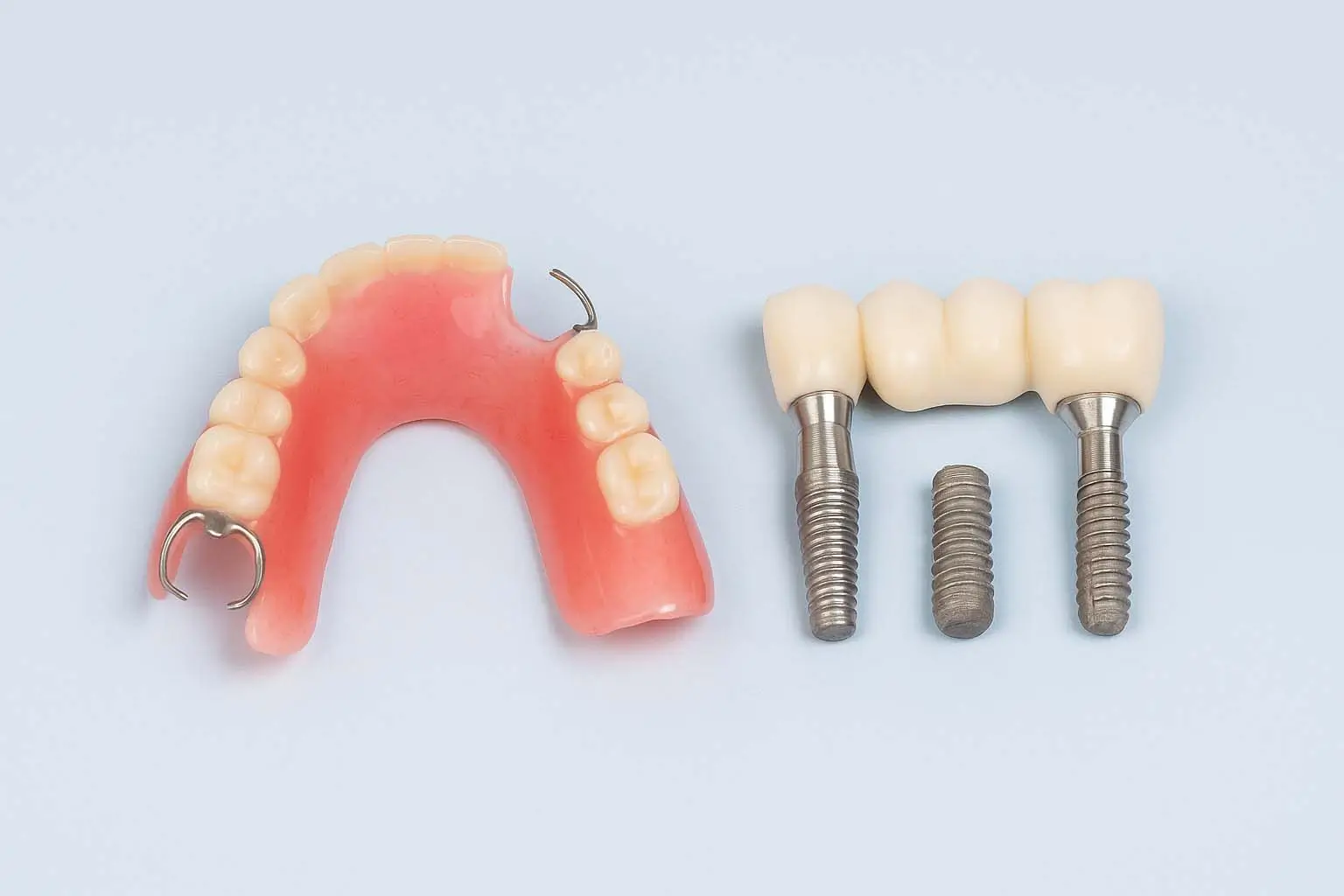
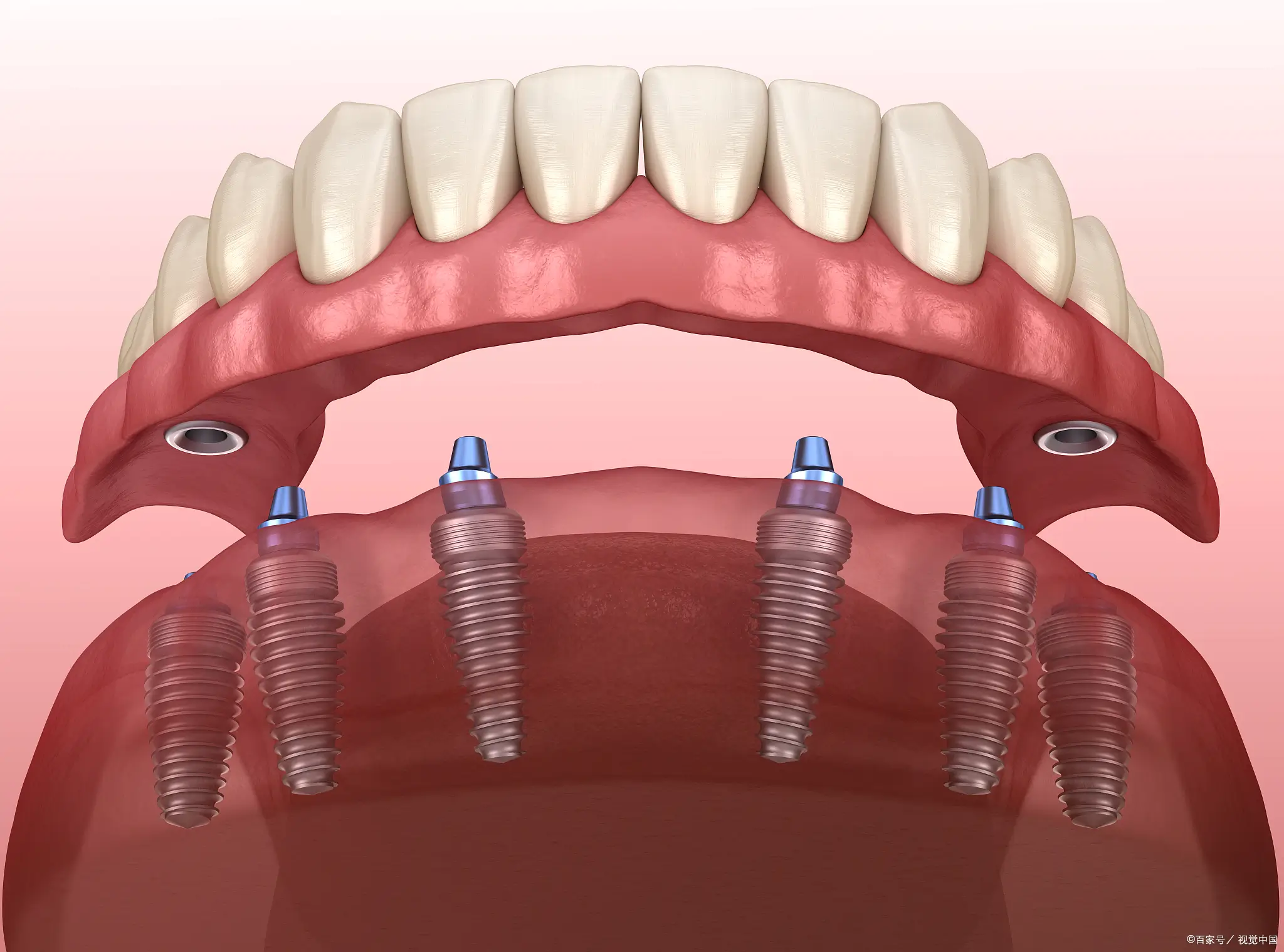
Whether you need a single implant, multiple implants, or a full-arch solution like All-on-4 or All-on-6, Thailand’s top clinics offer a range of options:
- Immediate implant placement when criteria are met, reducing total visits
- Bone grafting or sinus lifts if you need extra support
- Temporary teeth on the same day in selected cases, giving you a quick smile during healing
Not every case is suited for immediate loading, so a proper assessment is key. Factors like bone quality, gum health, and bite forces decide the best path.
Realistic timelines that fit travel plans
Implants typically involve two phases. After the implant is placed, a healing period allows the bone to fuse with the titanium post (osseointegration). Expect:
- First trip: consultation, scans, and surgery (ab
out 1–2 weeks in Thailand to monitor the initial healing)
- Healing at home: usually 3–6 months
- Second trip: abutment placement and final crown (often 5–10 days for try-ins and adjustments)
Some clinics offer same-trip solutions for selected cases, but most patients should plan on two visits. If you’re adding a bone graft or sinus lift, allow more time.
Comfortable care and a smooth recovery
Local anaesthesia is standard, and conscious sedation or IV sedation can be arranged if you’re anxious. You can expect mild swelling and tenderness for a few days; clinics provide aftercare instructions and medications. With Thailand’s gentle approach and calm clinic environments, the experience feels less stressful—no worries.
Easy travel and patient-friendly logistics
Thailand is one of Asia’s most accessible medical tourism destinations. Frequent flights, visa-friendly policies for many nationalities, and a well-developed hotel scene make planning straightforward. If you’re staying in Bangkok, it’s simple to base yourself near the clinic and use BTS/MRT to beat traffic. For those recovering by the beach, Phuket and Pattaya offer comfortable, quiet options—just follow your dentist’s advice on sun, diet, and activity during healing.
Transparency and safety first
Good clinics are upfront about risks and success rates. Implant dentistry is predictable when planned well, but smoking, uncontrolled diabetes, bruxism (teeth grinding), and poor oral hygiene can increase risks. Watch out for red flags like:
- Prices that seem too good to be true without clear brand or scope
- No mention of CBCT scans or sterile protocols
- Vague treatment plans without itemized details
Always request a written plan with timelines, costs, implant system names, and warranty terms. If you have complex medical conditions, bring your medical records and prescriptions for a safe, coordinated approach.
Aftercare that follows you home
A strong point in Thailand is how clinics manage follow-up. Many offer:
- Digital check-ins by video call
- Clear maintenance routines (nightguards, hygiene visits)
- Collaboration with your local dentist for periodic checks
Ask about warranty policies for implants and crowns, what’s covered, and how long. Keep your implant passport or documentation safe for future reference anywhere in the world.
How to plan your Thailand dental implant trip
- Get a pre-trip assessment: Send recent X-rays or a CBCT if available. Share your medical history and any current dental reports.
- Compare clinics: Look at dentist credentials, case photos, reviews, and the brands used. Check if the clinic is hospital-based or a specialized dental center.
- Understand the full cost: Confirm what’s included, from scans to provisional teeth and anaesthesia.
- Schedule smart: Allow buffer days after surgery for check-ups and rest. Avoid heavy travel or extreme activities straight after.
- Prepare for maintenance: Book a local dentist at home for routine cleaning and annual implant checks.
Bottom line
Thailand dental implants deliver a compelling mix of clinical quality, transparent pricing, and warm Thai hospitality. With the right planning and a reputable clinic, you can enjoy world-class treatment, a natural-looking smile, and a recovery that feels comfortable and stress-free. It’s no surprise so many overseas patients choose Bangkok, Chiang Mai, Phuket, and beyond for dental implants—great care, good value, and a genuinely welcoming experience.