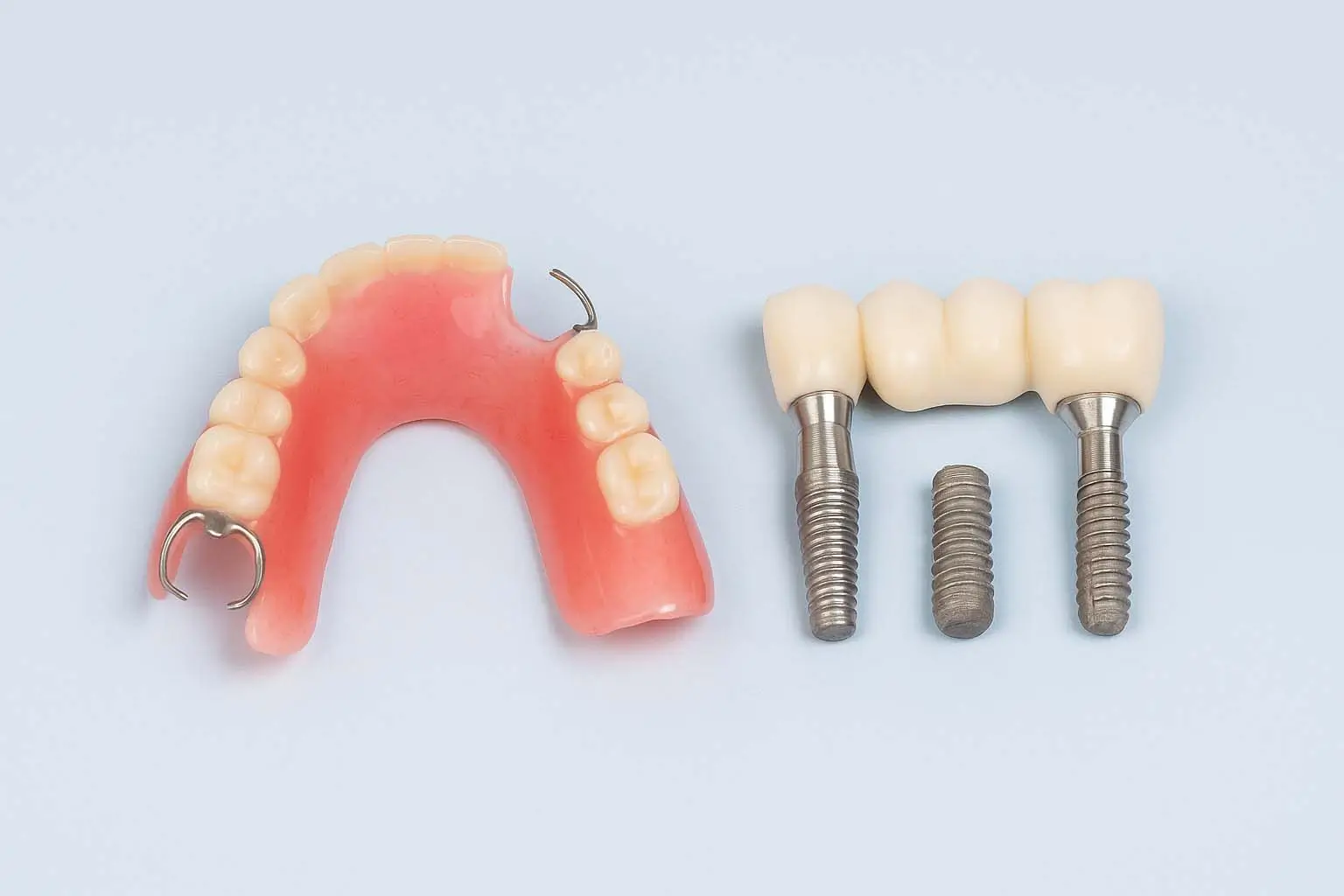
Thailand Dental Implant Advantages in Quality, Cost, and Convenience
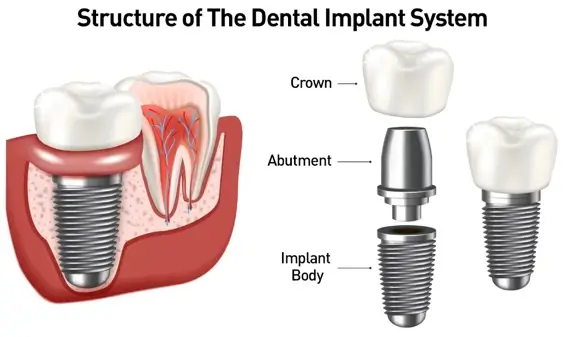
Thailand Dental Implant Advantages in Quality, Cost, and Convenience
If you’re considering a dental implant and you’re comparing options around the region, Thailand stands out for a simple reason: you get high international quality, fair pricing, and a smooth, tourist‑friendly experience all in one place. From Bangkok’s Sukhumvit clinics to beachside practices in Phuket and reputable centers in Chiang Mai, Thailand’s dental scene has grown with a strong focus on safety, technology, and hospitality. Here’s a practical look at why many patients fly in for implants and fly home smiling.
Quality that matches global standards
Thai dentistry has a long track record of serving both local and international patients. Many implant dentists are trained or have fellowships abroad and are registered with the Thai Dental Council. It’s common to see clinics equipped with CBCT 3D scanners, digital impressions, and CAD/CAM milling so your treatment is planned precisely. Reputable clinics work with world‑class implant systems like Straumann, Nobel Biocare, and MIS, meaning components are traceable and easily serviced later, whether you are in Thailand or back home.
Sterilization protocols follow international infection‑control guidelines, and some multi‑specialty centers are attached to hospitals with international accreditation. If your case is more complex—say you need a sinus lift or bone graft—you’ll find periodontists and oral surgeons who handle these procedures routinely. In short, the level of care isn’t “same same but different”; it’s genuinely comparable to what you’d expect in Australia, Europe, or North America.
Cost that makes sense without cutting corners
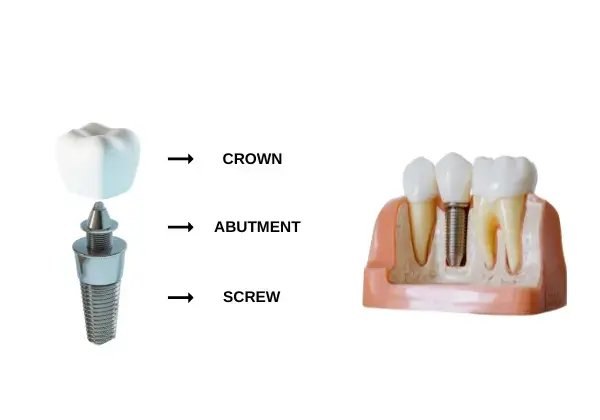
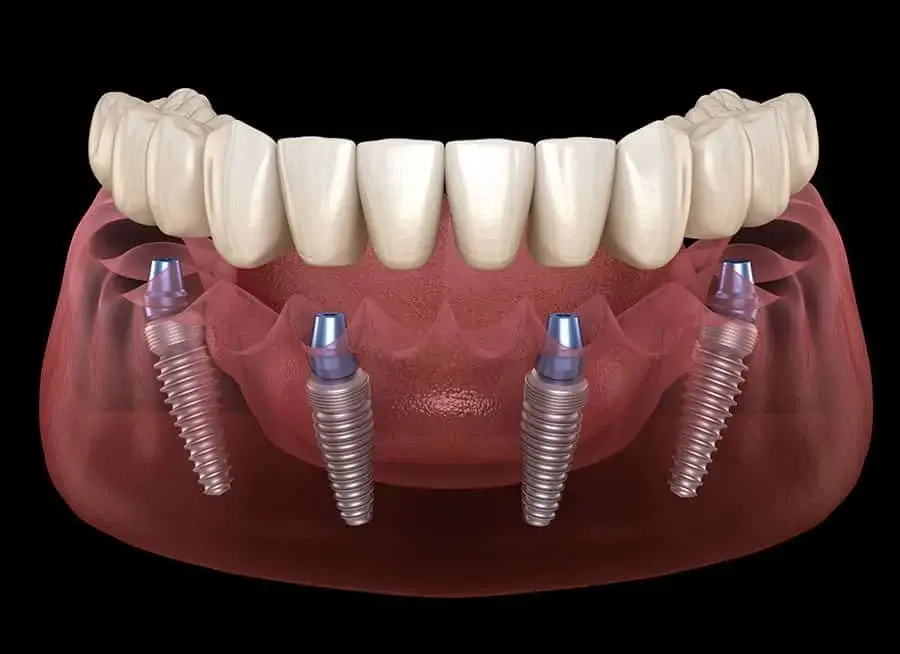
Dental implants are an investment, but in Thailand the numbers are more friendly. While exact fees vary by implant brand, bone condition, and clinic location, a single implant with crown typically starts from around 45,000–80,000 THB. In many Western countries, the same treatment often runs significantly higher. Full‑arch solutions such as All‑on‑4 tend to be priced more competitively too, especially when clinics offer seasonal promotions or bundled packages.
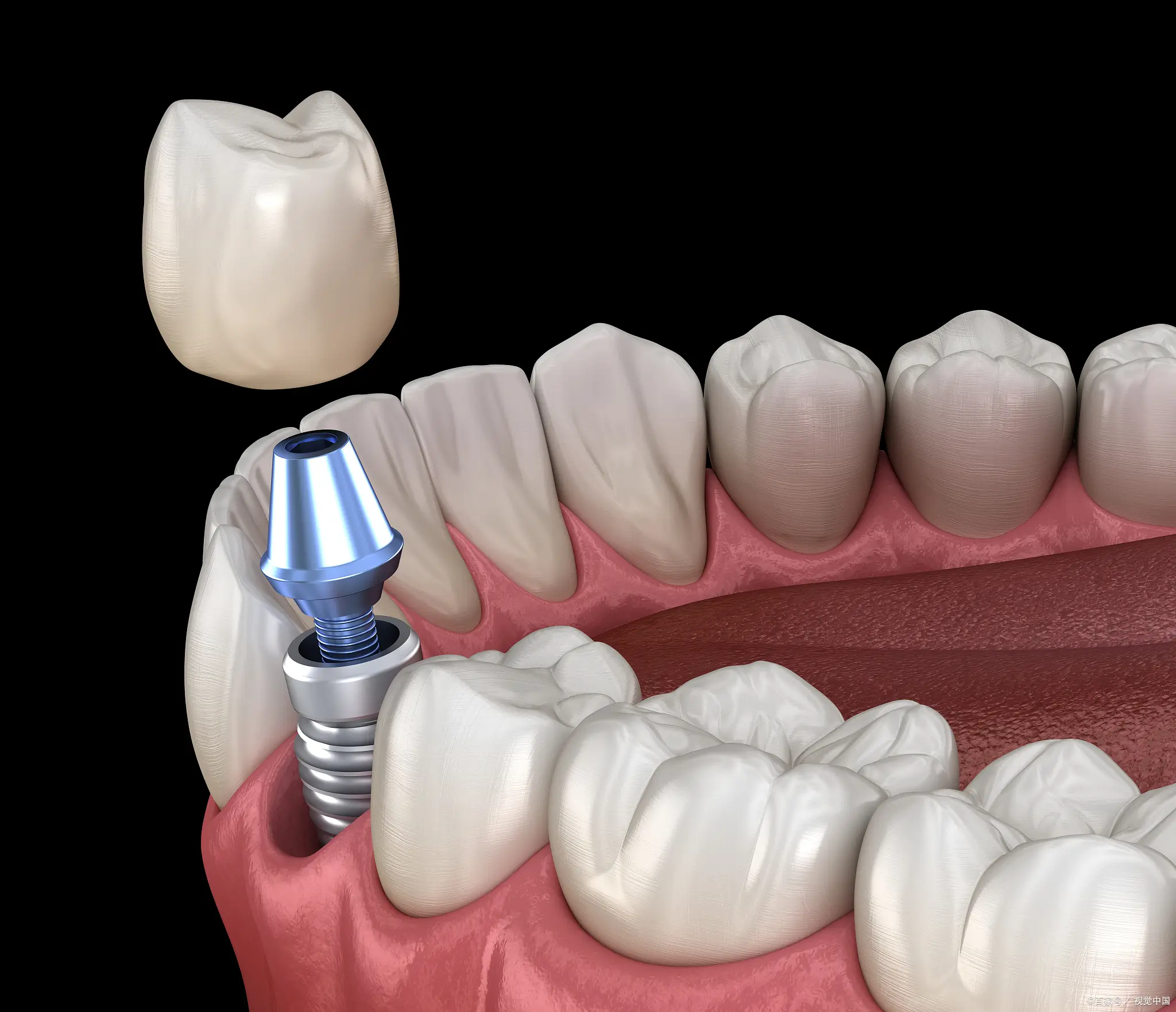
Beyond the sticker price, Thailand’s clinics are transparent. Many will give you an all‑in estimate that includes consultation, imaging (like a CBCT scan), surgery, abutment, crown, and follow‑up visits. If bone grafting or a sinus lift is needed, that’s usually quoted upfront as an add‑on, so there are no surprises on the day. When you factor in travel costs—flights and accommodation—many patients still find the total spend a good deal, especially if they combine treatment with a short holiday.
Convenience designed for international patients
Thailand is built for visitors. Getting around Bangkok is easy by BTS and MRT, and clinics are often located a short walk from stations in areas like Asok, Phrom Phong, or Silom. Many clinics offer evening or Saturday appointments to suit your travel schedule. English‑speaking coordinators will help sort your itinerary, and it’s common to see airport pick‑up options or hotel tie‑ins with special rates. For simple cases, you can keep it “no worries”—fly in, have the procedure, rest a day or two, then enjoy a gentle itinerary.
A typical treatment timeline
- Consultation and planning: Your first visit includes a clinical exam and CBCT scan. The dentist checks bone volume, gum health, bite, and aesthetics. If everything looks good, your surgery can be scheduled quickly—some clinics can arrange
it within a few days.
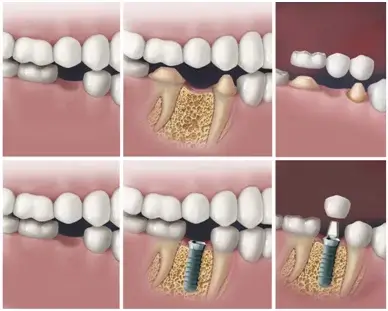
- Implant placement: The procedure usually takes 1–2 hours per implant. Most patients report only mild discomfort afterward, managed with standard pain relief. If your case allows, a temporary tooth may be placed for aesthetics; however, many dentists prefer a healing period for best long‑term stability.
- Healing phase: Osseointegration (when bone bonds to the implant) typically takes 3–6 months. If you have limited time in Thailand, you can return home and come back later for the final crown. Some clinics offer immediate loading in selected cases, but the dentist will advise whether you’re a good candidate.
- Final restoration: Once the implant is stable, an impression is taken and your crown is fabricated—usually within a few days. Fit and bite are checked carefully before you’re good to go.
Choosing the right clinic in Thailand
Do a bit of homework before you book. Here’s what to look for:
- Credentials: Check the dentist’s qualifications and specialization (implantology, periodontology, prosthodontics).
- Implant systems: Confirm recognized brands and warranty terms.
- Imaging and technology: Clinics with CBCT and digital workflow can plan more accurately.
- Clear quotes: Ask for an itemized treatment plan with all fees stated.
- Follow‑up support: Ensure there’s a protocol for aftercare and communication once you return home.
- Location and access: Near BTS/MRT or your hotel makes life easier, especially right after surgery.
Aftercare and follow‑up made simple
Good aftercare is as important as the surgery itself. Your clinic will give you clear guidelines on hygiene, diet during the first days, and medications. Stitches are often removed after about a week; if you’ve already returned home, dissolvable sutures may be used. Many clinics provide a digital copy of your treatment records and an implant passport with details of the system and components placed, so any dentist abroad will know exactly what you have.
Most Thai clinics remain reachable by email, Line, or WhatsApp for checks and questions. It’s a good idea to schedule routine cleanings every 6 months at home and have a check‑in with your Thai dentist when you’re next in town.
Who benefits most from getting implants in Thailand?
- Frequent travelers to the region who can split treatment into two trips without hassle.
- Patients needing multiple implants or a full‑arch solution who want quality and value.
- People who appreciate a calm, service‑minded approach—Thailand’s healthcare staff are known for being gentle and attentive.
Practical travel notes
Flight connections to Bangkok, Phuket, and Chiang Mai are frequent, and many nationalities enjoy visa‑exempt entry for short stays. Check the latest entry rules before booking. For recovery, choose a hotel close to your clinic, take it easy for the first 48 hours, skip spicy food and heavy exercise for a few days, and keep hydrated—Thai weather can be warm.
The bottom line
Thailand offers a balanced combination that’s hard to beat: modern implant dentistry, fair pricing, and a smooth, friendly experience from consultation to final crown. With careful planning, a trusted clinic, and proper follow‑up, you can sort out your smile with confidence—and still have time to enjoy a bit of Bangkok street food or a gentle stroll by the beach. If a reliable, value‑for‑money dental implant is on your to‑do list, Thailand is well worth a look.