Thailand Dental Implant Advantages for Patients Seeking Affordable Smile Restoration
Thailand Dental Implant Advantages for Patients Seeking Affordable Smile Restoration
Thinking about restoring your smile without blowing your budget? Many patients fly to Thailand for dental implants because the country blends modern dentistry with friendly service and very reasonable pricing. It’s not just about being cheap; it’s about value for money with safe techniques, quality materials, and a calm, sabai sabai treatment experience.
Why Thailand stands out for dental implants
- Cost savings without cutting corners: In Bangkok or Phuket, a single dental implant with crown often ranges from about 45,000–80,000 THB (roughly USD 1,250–2,200), depending on the implant brand, need for grafting, and crown material. In countries like the US or Australia, the same can be two to three times more. Full-arch options such as All‑on‑4 typically fall around 280,000–450,000 THB (USD 7,800–12,500), making comprehensive smile restoration more accessible.
- International standards and technology: Leading Thai clinics use globally recognised implant systems (for example, Nobel Biocare, Straumann), 3D CBCT scans, digital impressions, and computer-guided surgery. Many centres are ISO certified, and some have international hospital affiliations. Sterilisation protocols are tight, and the clinical environment is clean and efficient.
- Experienced, English-speaking dentists: Implant dentists in Thailand commonly complete postgraduate training and handle high case volumes. You’ll find teams with restorative dentists, periodontists, and oral surgeons working together. Communication is straightforward; most staff speak clear English, and coordinators can help with scheduling and travel details.
- Fast access and smooth process: Appointments are easy to book, and there’s usually no long queue. In-house labs in Bangkok and Chiang Mai can provide same-day temporary teeth when indicated, reducing back-and-forth. You get a detailed treatment plan with an all-in price before starting.
- Hospitality that calms nerves: Thailand is the Land of Smiles for a reason. From a warm “Sawadee” at reception to practical support like airport pick-up or hotel guidance near the BTS/MRT, the service culture helps patients feel at ease. The vibe is mai pen rai: relaxed, respectful, and patient-focused.
What the dental implant journey looks like
1) Consultation and planning
You’ll have a CBCT scan, oral exam, and medical history review. The dentist discusses options—single implant, multiple implants, All‑on‑4/All‑on‑6—and whether you need bone grafting or a sinus lift. Expect an itemised quote that covers surgery, abutment, crown or bridge, imaging, and follow-ups.
2) Implant placement
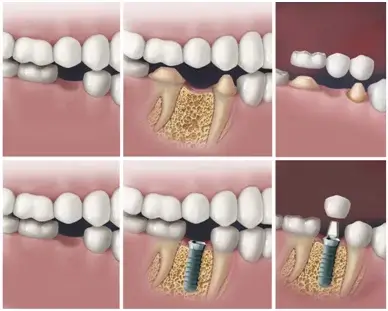
Under local anaesthesia (with IV sedation if requested), the implant is placed precisely, often using a surgical guide. If bone volume is limited, grafting may be done at the same time. Surgery is usually comfortable; most patients report only mild soreness for a couple of days.
3) Healing and osseointegration
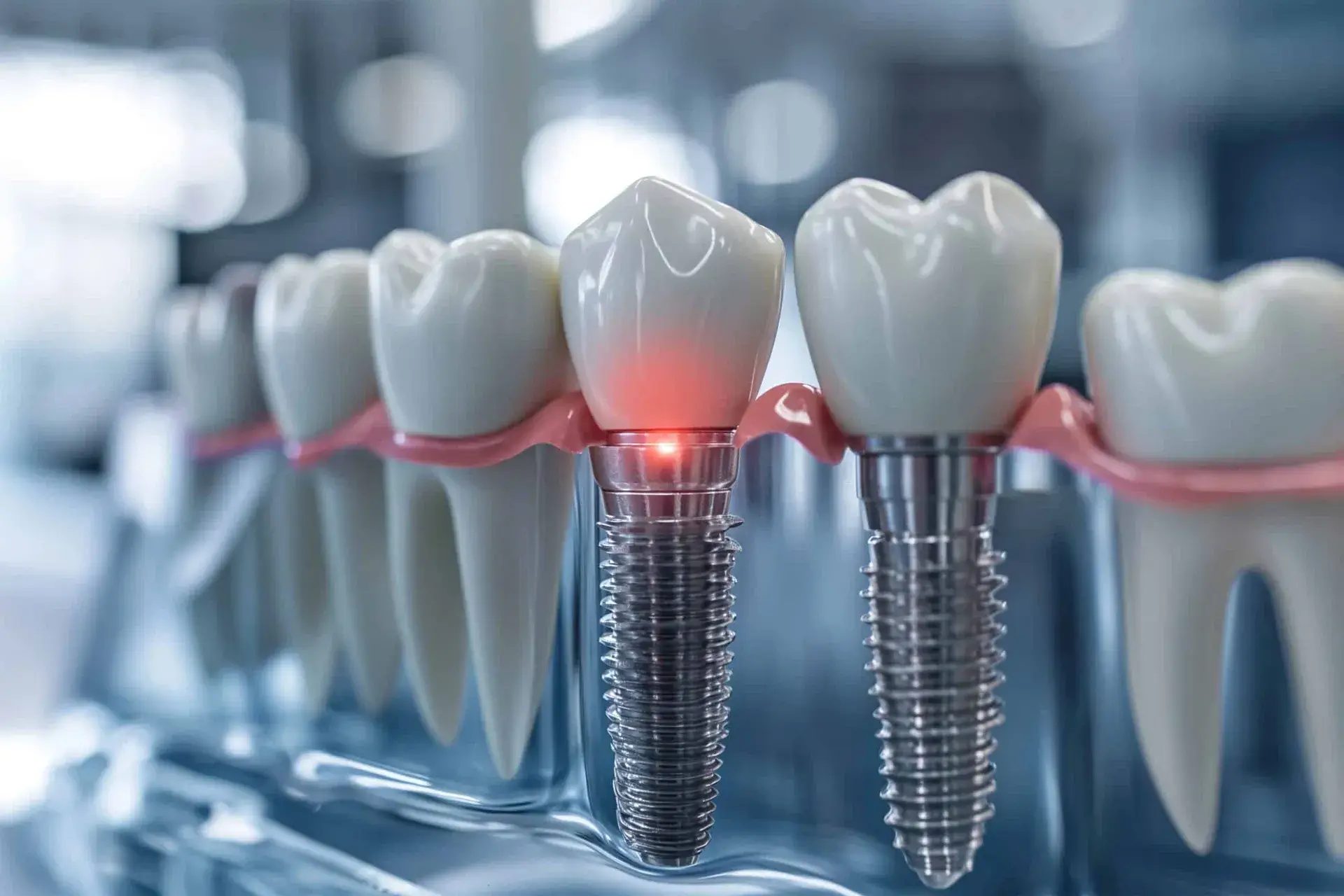
The implant bonds to the bone over 8–12 weeks in the lower jaw and about 12–16 weeks in the upper jaw. In specific cases with good stability, immediate or early loading can be considered. During healing, a temporary tooth may be fitted for aesthetics.
4) Final restoration
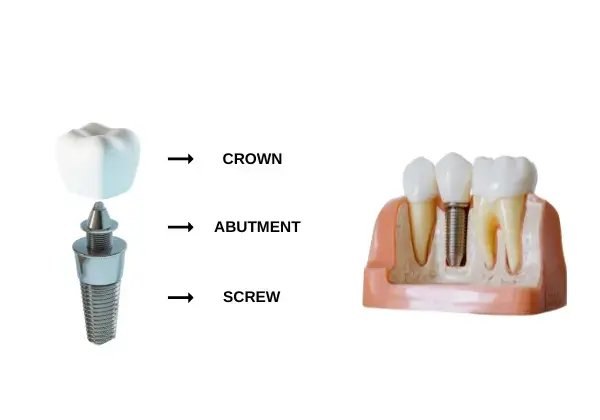
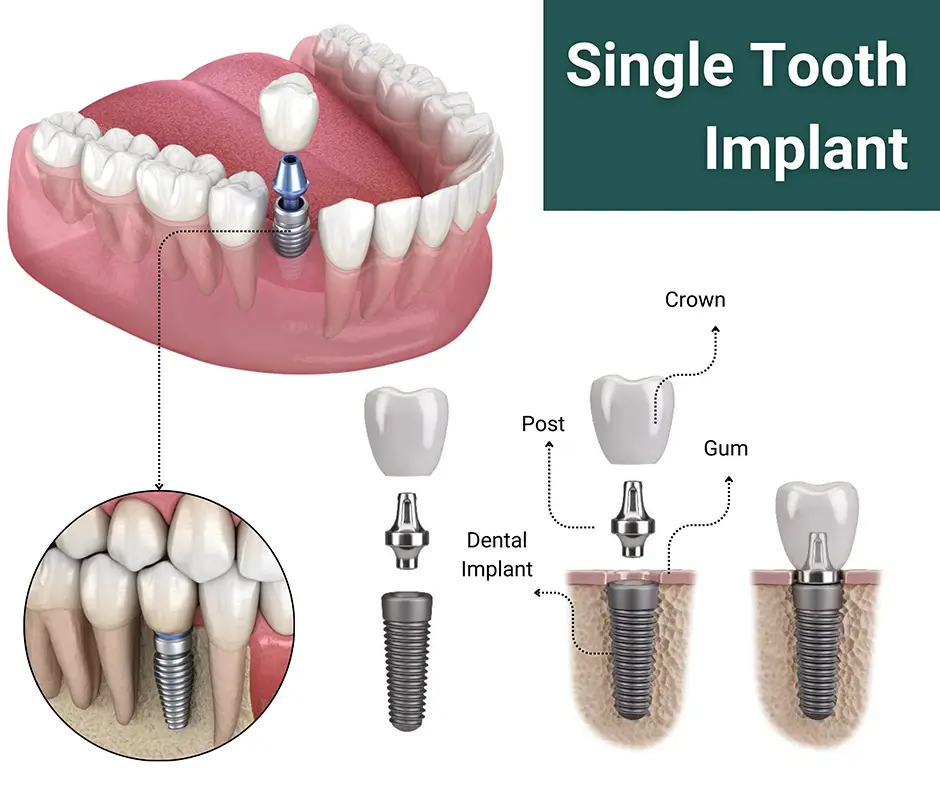
After integration, the abutment and the final crown or bridge are fitted and adjusted. Thai labs are skilled at shade matching for natural-looking results, whether zirconia or porcelain-fused-to-metal.
Typical schedules for overseas patients
- Two-trip plan: Trip 1 (3–5 days) for scans and surgery; Trip 2 (2–7 days) after 3–4 months f
or the final crown or bridge.
- All‑on‑4 plan: One longer trip for surgery and an immediate provisional bridge, then a shorter return visit for the definitive prosthesis.
Who benefits from Thailand dental implants
- Single missing tooth needing a fixed, natural-looking solution.
- Multiple missing teeth where a bridge or partial denture isn’t ideal.
- Full-arch rehabilitation for denture wearers seeking strong bite and comfort.
- Patients with complex cases who want experienced care at a sensible price.
Realistic expectations and safety
Success rates for well-planned implants are typically above 95%, but no surgery is risk-free. Possible issues include infection, implant failure, nerve irritation, or screw loosening. Smoking, uncontrolled diabetes, and poor oral hygiene increase risks. A good Thai clinic will explain candidacy, manage risk factors, and give clear post-op instructions.
How to choose the right clinic in Thailand
- Check the dentist’s credentials, case photos, and years of implant experience.
- Confirm the implant brands used and whether guided surgery and CBCT are standard.
- Ask for an itemised treatment plan: implant, abutment, crown, bone graft/sinus lift, imaging, sedation, and follow-up fees.
- Verify lab materials and warranty terms (implants and prosthetics often carry 3–5-year coverage under normal use).
- Clarify the aftercare plan: suture removal, emergency contact, and support once you fly home.
- Look for transparent, all-in pricing and straightforward communication—no surprise add-ons.
Cost pointers to set your budget
- Single implant with zirconia crown: commonly 60,000–75,000 THB depending on brand and case complexity.
- Bone grafting: 10,000–20,000 THB when needed.
- IV sedation: 8,000–15,000 THB if chosen.
- All‑on‑4 per arch: 280,000–450,000 THB based on components and whether immediate loading is feasible.
Travel tips for a comfortable experience
- Keep it sabai sabai: plan light activities the first 48 hours after surgery and avoid heavy workouts.
- Book accommodation near the clinic to minimise travel right after the procedure.
- Eat soft Thai favourites during healing: jok (rice porridge), khao tom, soft tofu, steamed fish, ripe papaya or mango.
- Bring a medical summary and list of medications; well-controlled health conditions improve outcomes.
- Consider travel insurance that covers medical issues; clinics can issue receipts for claims.
Aftercare and long-term maintenance
- Brush gently with a soft brush, use interdental brushes or water flossers around implants, and follow your dentist’s cleaning routine.
- Schedule professional cleanings every 6 months; more frequent if you have a history of gum problems.
- If you grind your teeth, ask for a night guard to protect the prosthesis.
- Avoid smoking and keep blood sugar under control if diabetic.
- Report any mobility, swelling, or persistent pain promptly—early attention keeps things on track.
Why Thailand is a smart choice for smile restoration
Thailand’s dental implant advantages come from the combination of skilled clinicians, modern tech, clear pricing, and a patient-first culture that makes care feel approachable. Whether you’re in Bangkok’s Sukhumvit, beachside in Phuket, or enjoying cool breezes in Chiang Mai, you’ll find clinics that balance quality with affordability. If your goal is a confident, lasting smile at a fair price, Thailand delivers a same same but different experience: international-level dentistry with the ease and warmth the country is known for.