Why Thailand Dental Tourism Is Attractive for Implant Treatments
Why Thailand Dental Tourism Is Attractive for Implant Treatments
If you talk to friends who’ve fixed their smiles in Bangkok, Phuket, or Chiang Mai, you’ll hear the same thing again and again: Thailand makes dental implants feel sabai-sabai—comfortable, smooth, and good value. It’s not just the holiday vibe. It’s the mix of experienced clinicians, transparent pricing, and modern tech that draws international patients to fly in for care and fly home with confidence.
Smart value without cutting corners
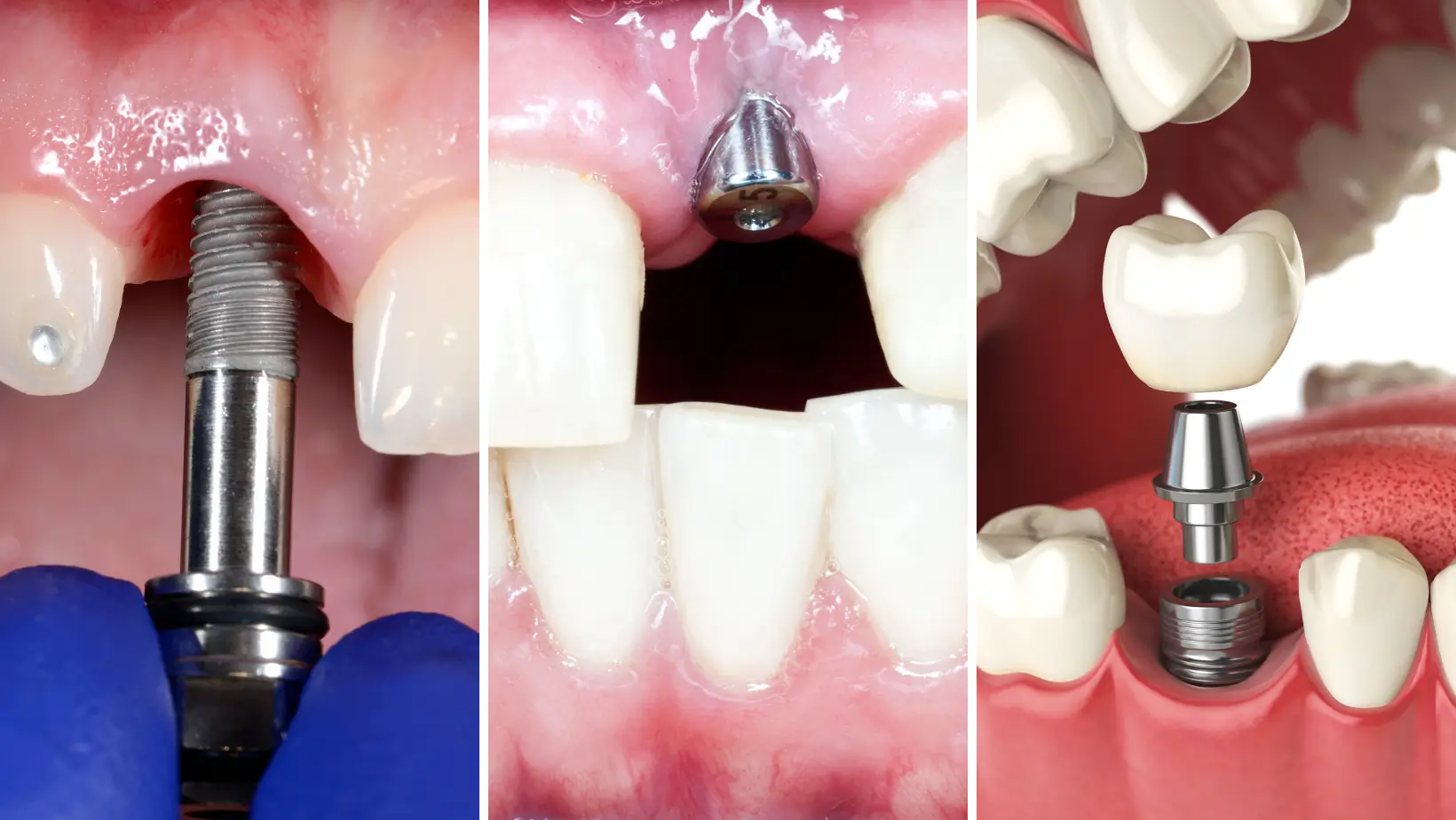
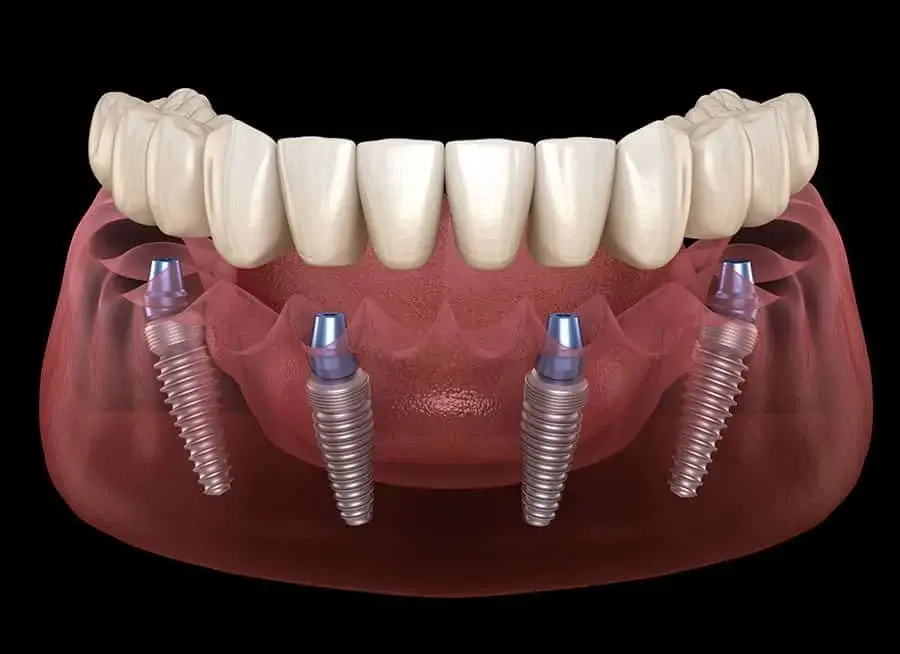
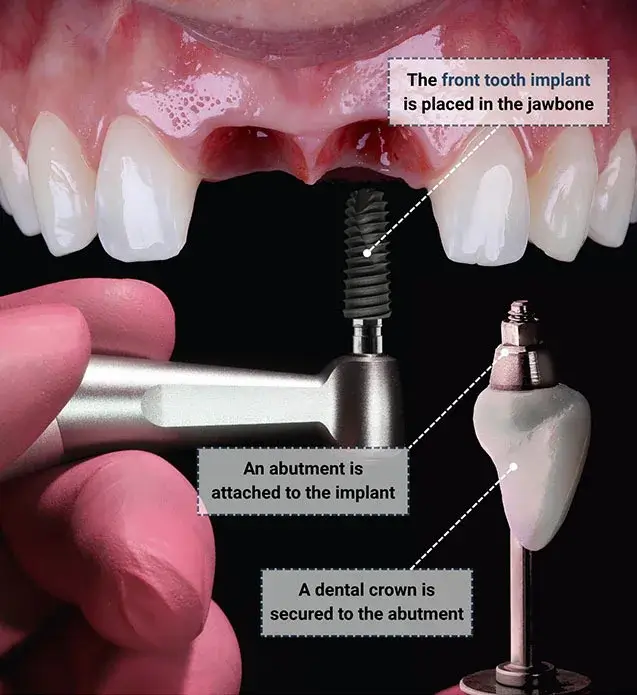
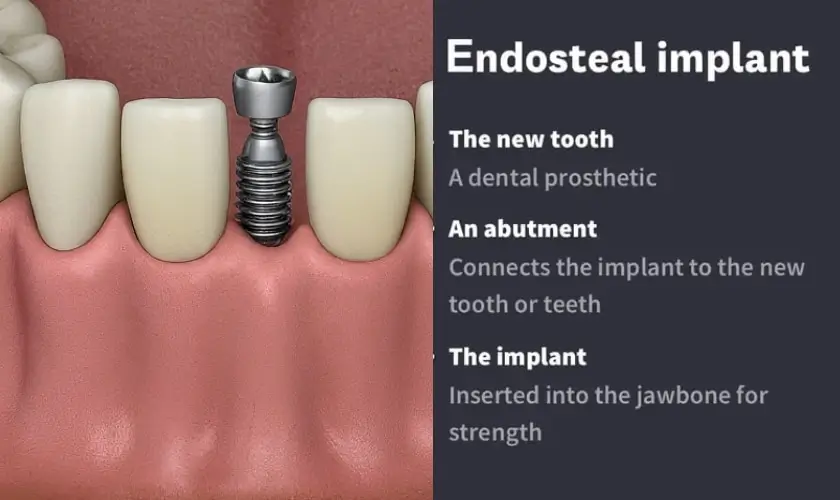
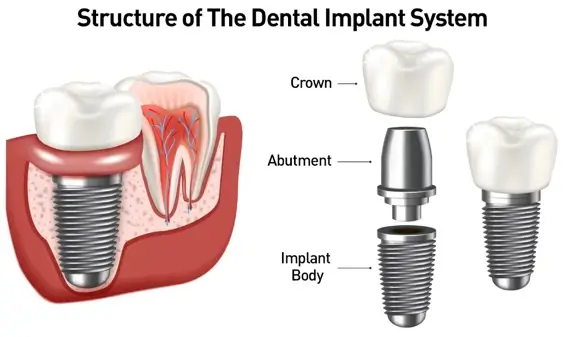
Dental implants in Thailand typically cost less than in the US, Europe, or Australia, but the savings come from lower overheads and efficient workflows, not lower quality. Many clinics offer clear, itemized pricing for the full implant package—implant fixture, abutment, and crown—so you know what you’re paying for. For a single tooth, all-in fees commonly land in the range many travelers find manageable, depending on brand and complexity. Complex work like sinus lifts, bone grafts, or full-arch solutions (such as All‑on‑4) will add to the total, but reputable clinics explain this upfront, with no “hidden surprises.”
What keeps the costs down without compromising outcomes is Thailand’s mature dental ecosystem—high patient volumes, in-house dental labs using CAD/CAM, and streamlined scheduling. You’ll also find flexible payment options, from credit cards to bank transfers, which makes it easy to plan your budget before you fly.
Trained hands and global standards
Thailand’s implant dentists often hold postgraduate training in implantology, oral surgery, or prosthodontics, with CVs that include overseas courses and memberships in international bodies. It’s common to see clinics using well-known implant systems such as Straumann, Nobel Biocare, Astra Tech, or MIS, along with surgical guides and cone beam CT (CBCT) for precise planning. Sterilization protocols follow hospital-grade standards, with Class B autoclave sterilization and single-use disposables where appropriate.
If you prefer treatment in a hospital setting, several private hospitals in Bangkok and major cities have dental centers with JCI or ISO accreditation. English-speaking coordinators are standard in top clinics, and many dentists are comfortable explaining your plan in clear, friendly English. Expect a mai pen rai attitude—calm, can-do, and focused on getting it right.
A timeline that fits travel
Most implant journeys are completed in two phases:
• Phase 1: Implant placement. If you need extractions or bone grafting, it’s often done at the same visit. Plan 5–10 days in Thailand to allow for surgery and a follow-up check before you fly home. If an immediate implant is appropriate, your dentist will discuss it.
• Healing: The implant integrates with the bone over 3–6 months, depending on your health, bone quality, and the implant site. Your home dentist can help with interim checks if needed.
• Phase 2: Abutment and crown. You return to Thailand for impressions or digital scans and fitting. Many clinics with in-house labs can complete this in 7–10 days. For full-arch solutions (like All‑on‑4), a provisional bridge is often fitted within a few days, with the final bridge after the healing period.
Not every case is suitable for immediate loading, and not everyone needs grafting. A good clinic will give you a personalized plan after a CBCT and examination, with a realistic sequence and timeline.
Comfortable care and rec
overy
Local anesthesia is standard. If you prefer to sleep through longer procedures, clinics affiliated with hospitals can arrange IV sedation with an anesthesiologist, subject to medical screening. Post‑op care is straightforward: mild swelling for a few days, soft foods, and careful oral hygiene. Thai clinics are big on aftercare instructions—saline rinses, prescribed antibiotics if indicated, and follow-up messaging so you’re never guessing.
The sabai approach extends to your downtime. Many patients plan light activities—short café hops, a gentle river cruise, or a foot massage (avoid facial massages right after surgery)—rather than high-intensity tours. Hydrate, avoid spicy food for a few days, and stick to soft options like congee, soft noodles, steamed fish, or mango sticky rice minus the crunchy bits. Within a week, most people feel back to normal.
Easy travel logistics
Bangkok, Phuket, Pattaya, and Chiang Mai are the usual hubs for dental tourism. Clinics are often near BTS/MRT stations or in central areas with hotels nearby. Many countries enjoy visa‑free entry for 30 days (check current rules before booking). Airport transfers, hotel recommendations, and appointment reminders are typically handled by clinic coordinators—very handy when you’re flying in for a focused treatment window.
How to choose the right clinic
Thailand has many excellent providers. To separate the best from the rest, look for:
• A clear treatment plan based on CBCT and a full exam, with itemized fees and timelines
• Implant brands disclosed upfront and restorations made in reputable labs (in‑house or named partners)
• Dentist CVs showing postgraduate training and implant case volumes
• Transparent policies on warranty (commonly 1–5 years depending on component), follow-up, and what voids coverage
• Strict infection control and sterilization protocols explained in plain language
• Real patient reviews with before/after photos and case descriptions
• An emergency plan and coordination with medical facilities if you need sedation or have underlying conditions
Practical tips before you fly
• Share your medical history and medications, including any bisphosphonates or blood thinners.
• Stop smoking if possible; it improves healing and implant success rates.
• Schedule with recovery in mind—don’t plan big excursions right after surgery.
• Ask about total visit days for each phase and lab turnaround times.
• Confirm payment methods and any card surcharges, and keep all receipts for insurance or tax purposes.
• Clarify maintenance: many warranties require routine cleanings and checkups every 6–12 months.
Why patients say “worth the trip”
Thailand blends clinical skill with an easygoing, hospitable culture. You’ll find well-run clinics that respect your time, explain your options clearly, and deliver predictable results at fair prices. The country’s dental teams are used to caring for international patients—no fuss, no drama, just a smooth process from airport pickup to final bite.
Add the gentle rhythm of Thai life—kind staff, punctual appointments, a little sanuk (fun) when you’re ready—and it’s clear why dental implants in Thailand are so attractive. If a confident smile is on your wish list, Thailand offers a practical path: world‑class care, sensible costs, and a recovery that feels, in true local style, sabai-sabai.