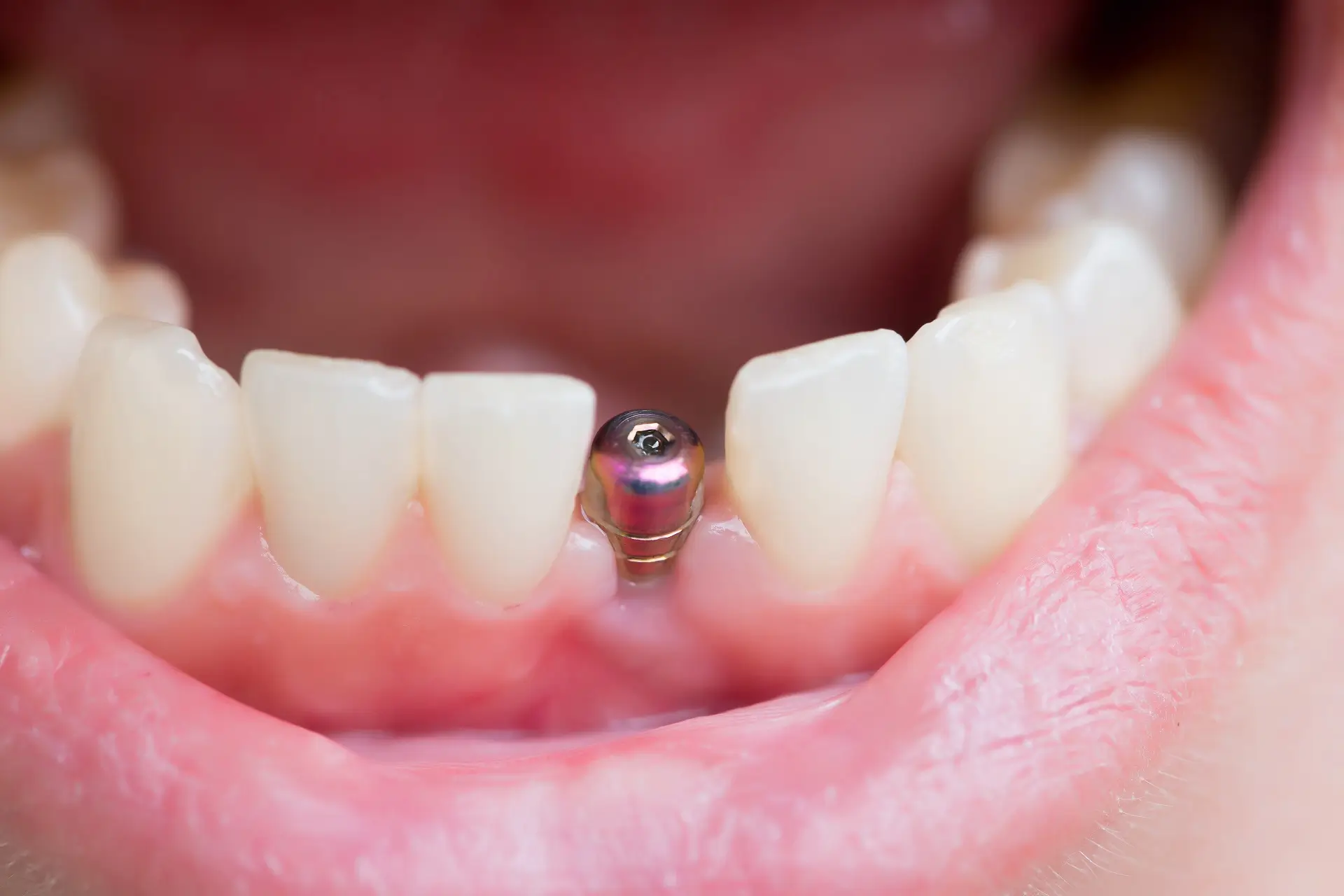
Advantages of Thailand Dental Implants for International Dental Visitors
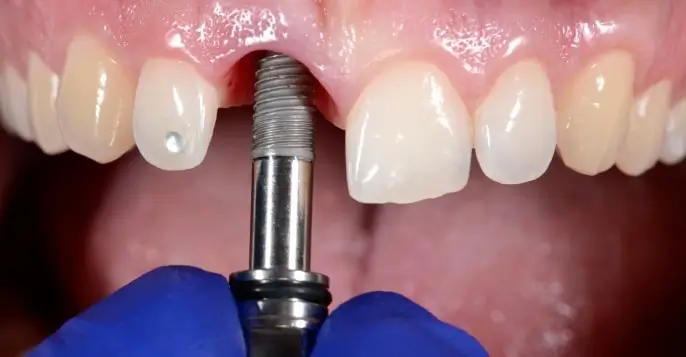
Advantages of Thailand Dental Implants for International Dental Visitors
If you’ve been thinking about dental implants and also feel like taking a break in a warm, welcoming place, Thailand ticks both boxes nicely. The Kingdom has built a strong reputation for implant dentistry that is high-quality, fairly priced, and delivered with that gentle “no worries” approach Thailand is known for. Here’s a clear, experience-based look at why international dental visitors choose Thailand for dental implants and how to plan a smooth treatment journey.
Why Thailand stands out for dental implants
Thailand’s dental scene blends international standards with genuine hospitality. You’ll find modern clinics in Bangkok, Chiang Mai, Phuket, and Pattaya, many led by board-certified specialists—prosthodontists, periodontists, and oral surgeons—who trained or received additional certifications abroad. For visitors, this means evidence-based treatment, transparent communication, and a comfortable experience that feels more “sabai sabai” (easy-going) than clinical.
Quality and safety you can trust
- International-grade materials: Leading clinics use well-established implant systems like Straumann, Nobel Biocare, Zimmer, MIS, and Dentsply Sirona. Using globally recognized brands helps ensure predictable outcomes and access to components for future maintenance in your home country.
- Strict infection control: Expect single-use consumables where appropriate, Class B autoclave sterilization, and ISO-standard protocols. Several hospitals and specialty centers also hold international accreditations.
- Multidisciplinary care: Complex cases—such as full-arch restorations or bone grafting—are planned by teams with CBCT imaging, digital workflows, and on-site lab support, improving precision and reducing waiting time.
Clear value without cutting corners
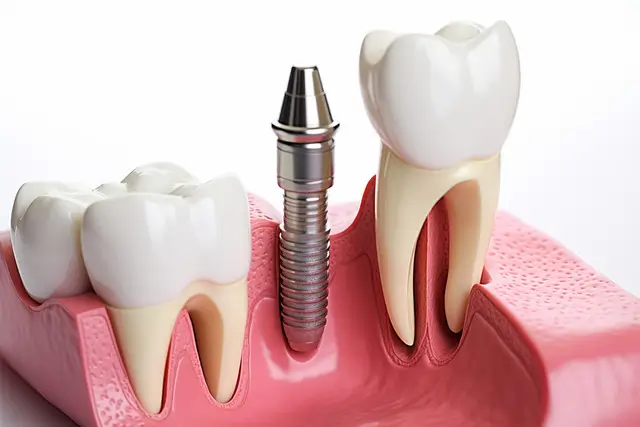
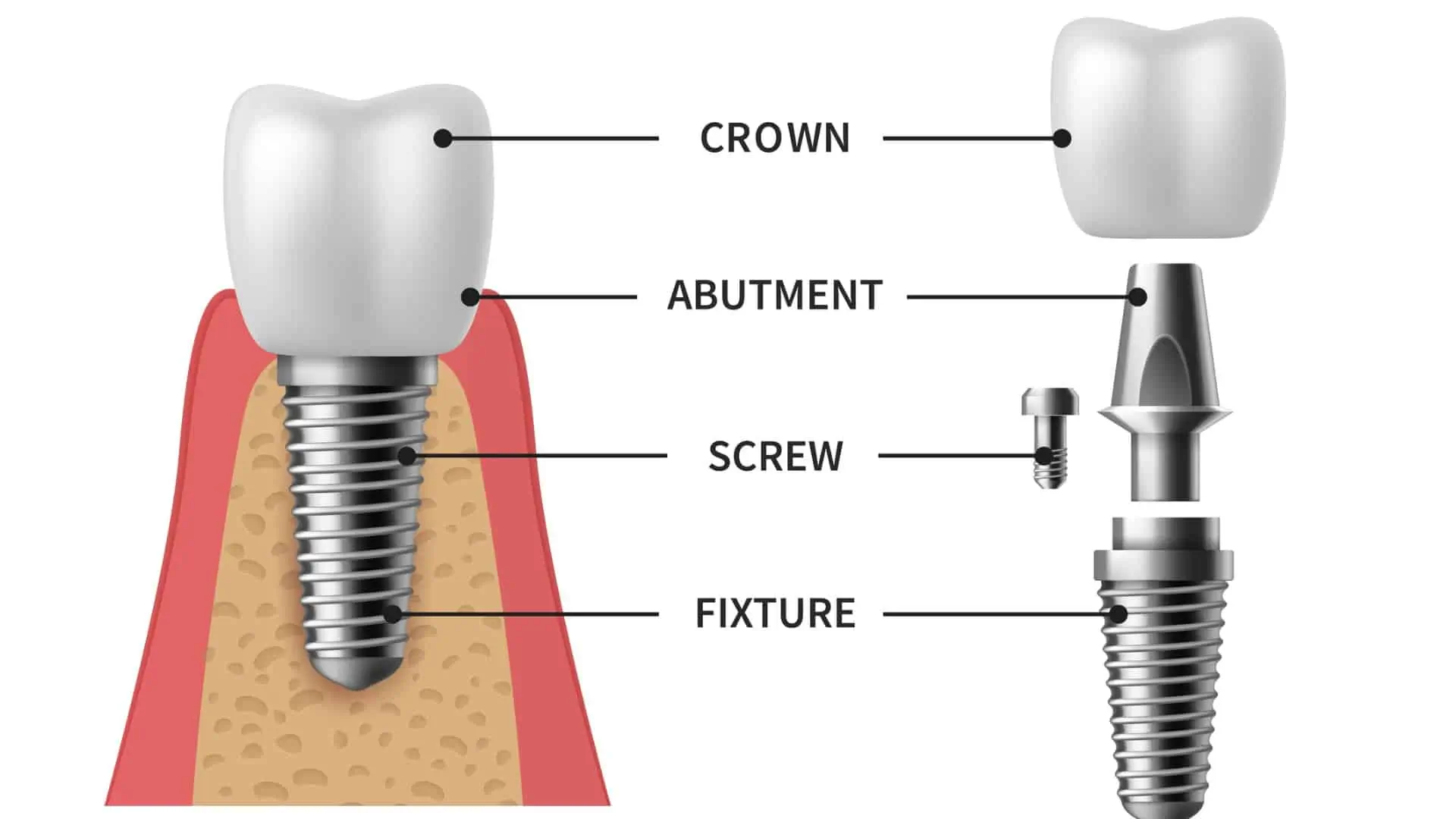
Cost is a big plus in Thailand, but it’s the value that truly stands out. While prices vary by city, brand, and case complexity, a common range for a single-tooth implant (implant fixture, abutment, and crown) is roughly 60,000–100,000 THB. By comparison, similar treatment in the US, UK, or Australia can be two to three times higher. Additional procedures—such as CBCT scans, bone grafts, or sinus lifts—are priced transparently, so you can see exactly what you’re paying for.
Importantly, the lower total cost of care does not mean compromise on safety or materials. Thailand’s competitive pricing reflects efficient clinic operations, lower overheads, and high patient volume, not shortcuts. Still, it’s wise to compare quotes that clearly list brand, components, and any additional procedures so you’re looking at “same-same but different” in a fair way.
Modern technology and minimally invasive techniques
- CBCT 3D imaging for precise planning of nerve positions, bone height, and angulation.
- Computer-guided surgery to improve accuracy, often resulting in less swelling and faster recovery.
- Digital impressions and CAD/CAM crowns to enhance fit and aesthetics.
- On-site or partner labs that can turn around abutments and crowns faster—handy when your travel schedule is tight.
- Sedation options (oral sedation, IV sedation in hospital settings, nitrous oxide in some clinics) for anxious patients.
Comfortable communication and service
English-speaking dentists, clear treatment coordinators, and easy contact via email, Line, or WhatsApp keep everything smooth. Clinics are used to working with international visitors, so you’ll get treatment plans, timelines, and consent forms in straightforward English. Many teams share photos and videos during planning, and aftercare check-ins are often done remote
ly—a real convenience once you’re back home. The atmosphere is friendly and calm—expect smiles, clear explanations, and a “no worries” style that helps you relax.
Timing and travel planning made simple
- Typical timeline: If your case allows immediate or early loading, you might receive a temporary crown during the first trip. For conventional loading, your first visit—3 to 5 days—covers consultation, CBCT, surgery, and initial healing. Osseointegration usually takes 3 to 6 months. The second visit—5 to 7 days—covers impressions, try-ins, and the final crown.
- Season and scheduling: The cool, dry season (roughly November to February) is popular for comfortable recovery and sightseeing. Allow a rest day or two after surgery before island trips or long excursions. Avoid diving or strenuous activity immediately after the procedure.
- Location tips: Staying near BTS/MRT lines in Bangkok (areas like Asok, Phrom Phong, or Silom) makes clinic visits and airport transfers easy. Many clinics can arrange hotel recommendations at various budgets.
Recovery and aftercare you can manage
Expect mild swelling and tenderness for a few days after implant placement; most people manage well with prescribed pain relief. Your dentist will advise on gentle saltwater rinses, careful brushing, and temporary diet changes. Thailand makes soft-food recovery easy: try jok (rice porridge), khao tom (rice soup), steamed fish, tofu, omelettes, ripe bananas, and smoothies. Go easy on very spicy, crunchy, or sticky foods at first, and avoid smoking to protect healing. Follow-up checks are usually included, and clinics often provide a written warranty or guarantee as long as aftercare instructions are followed.
Who is a good candidate for implants
- Healthy gums and good oral hygiene habits.
- Adequate bone volume or willingness to have bone grafting if needed.
- Non-smoker or open to stopping smoking during healing.
- Well-controlled diabetes or other medical conditions.
- Realistic expectations about healing times and maintenance.
If you grind your teeth, have untreated gum disease, or take certain medications, inform your dentist—Thailand’s clinicians will tailor the plan or coordinate with medical specialists as needed.
How to choose the right clinic in Thailand
- Check credentials: Look for board-certified specialists (e.g., prosthodontist, periodontist, oral and maxillofacial surgeon). Ask about postgraduate training and case numbers.
- Confirm implant brands and warranties: Established systems with documented success rates and clear, written aftercare policies are best.
- Ask about diagnostics and tech: CBCT on site, guided surgery, and digital workflows support accurate, minimally invasive care.
- Review before-and-after cases: Real patient photos and consistent results say more than flashy ads.
- Compare like for like: Ensure quotes specify implant brand, abutment type, crown material (zirconia, e.max, porcelain-fused-to-metal), and any grafting fees.
- Assess communication: Fast, clear replies in English and a friendly, professional vibe are green flags.
- Don’t chase the absolute lowest price: Quality planning and execution matter more than saving a small amount upfront.
The bottom line
Thailand offers a well-balanced package for international dental visitors seeking implants: globally recognized materials, skilled specialists, modern technology, and thoughtful service—at a price point that makes sense. With smart planning and a reputable clinic, you can enjoy a calm, comfortable experience and return home with a confident, long-lasting smile. No worries.