Why Thailand Is a Destination Worth Considering for Dental Implants
Why Thailand Is a Destination Worth Considering for Dental Implants
If you’ve been thinking about dental implants and also fancy a bit of travel, Thailand keeps popping up for good reason. It’s not just “cheaper.” It’s the mix of solid clinical standards, experienced dentists, modern tech, and that relaxed sabai sabai vibe that makes recovery comfortable. Think value for money, not bargain-basement dentistry.
World-class training and tech, with a smile
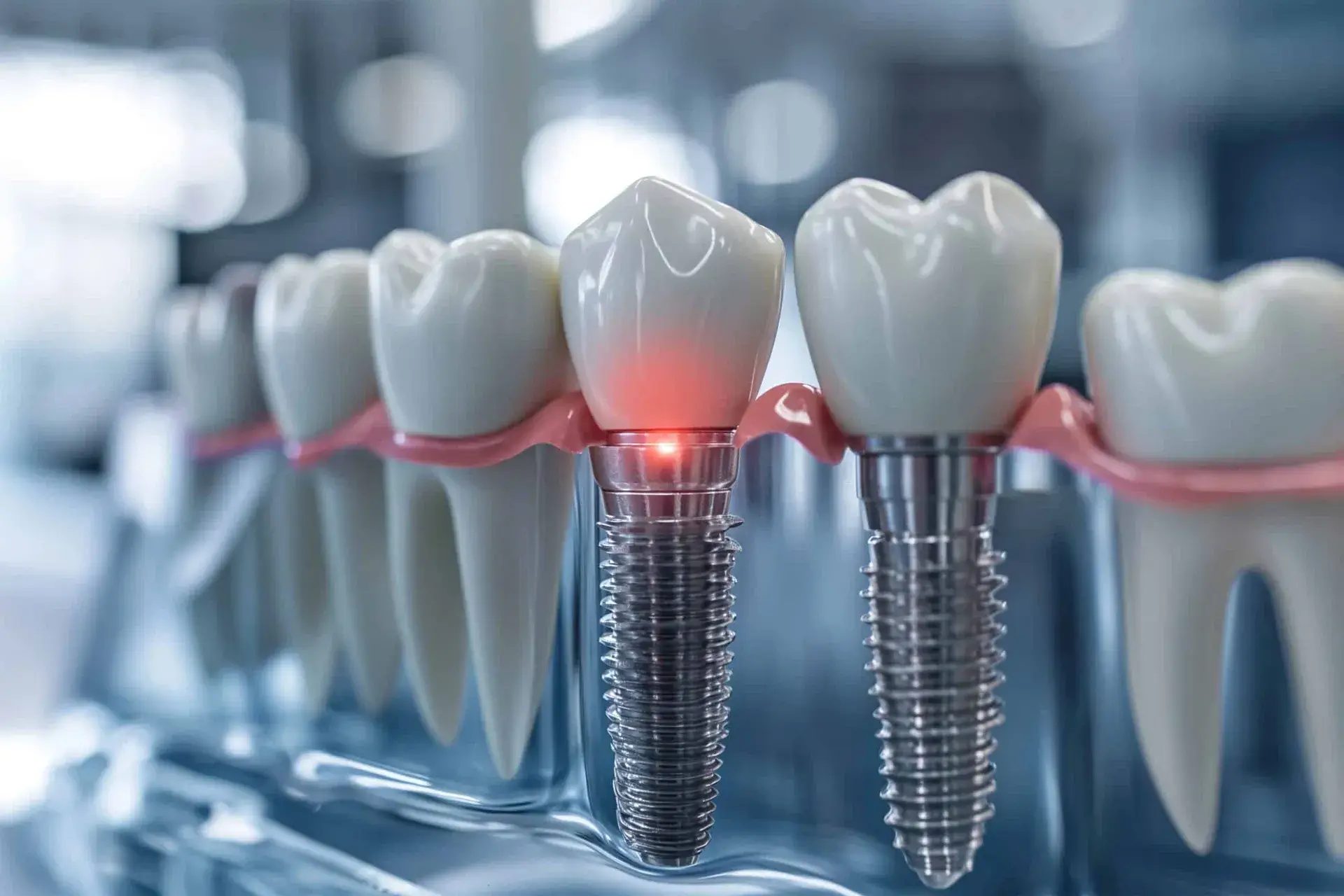
Thailand’s top dental clinics—especially in Bangkok, Phuket, Chiang Mai, and Pattaya—run on global standards. Many implant dentists are board-certified and trained in the US, UK, Australia, or Japan, and they’re comfortable explaining treatment in clear English. You’ll see modern tools like CBCT 3D scans, guided surgery, and CAD/CAM crowns. Implant brands are familiar names—Straumann, Nobel Biocare, Zimmer BioMet—so you’re not getting “off-brand” parts that your dentist back home has never heard of.
On the hospital side, several large private hospitals are JCI-accredited, and many clinics follow strict infection control with autoclaves and documented sterilization cycles. It’s all very mai pen rai (no worries) when you see the protocols.
The cost picture: value, not corners cut
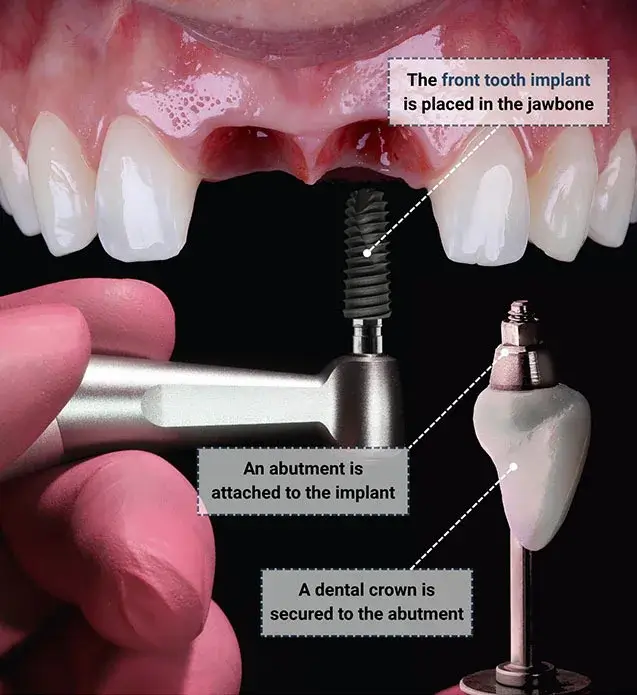
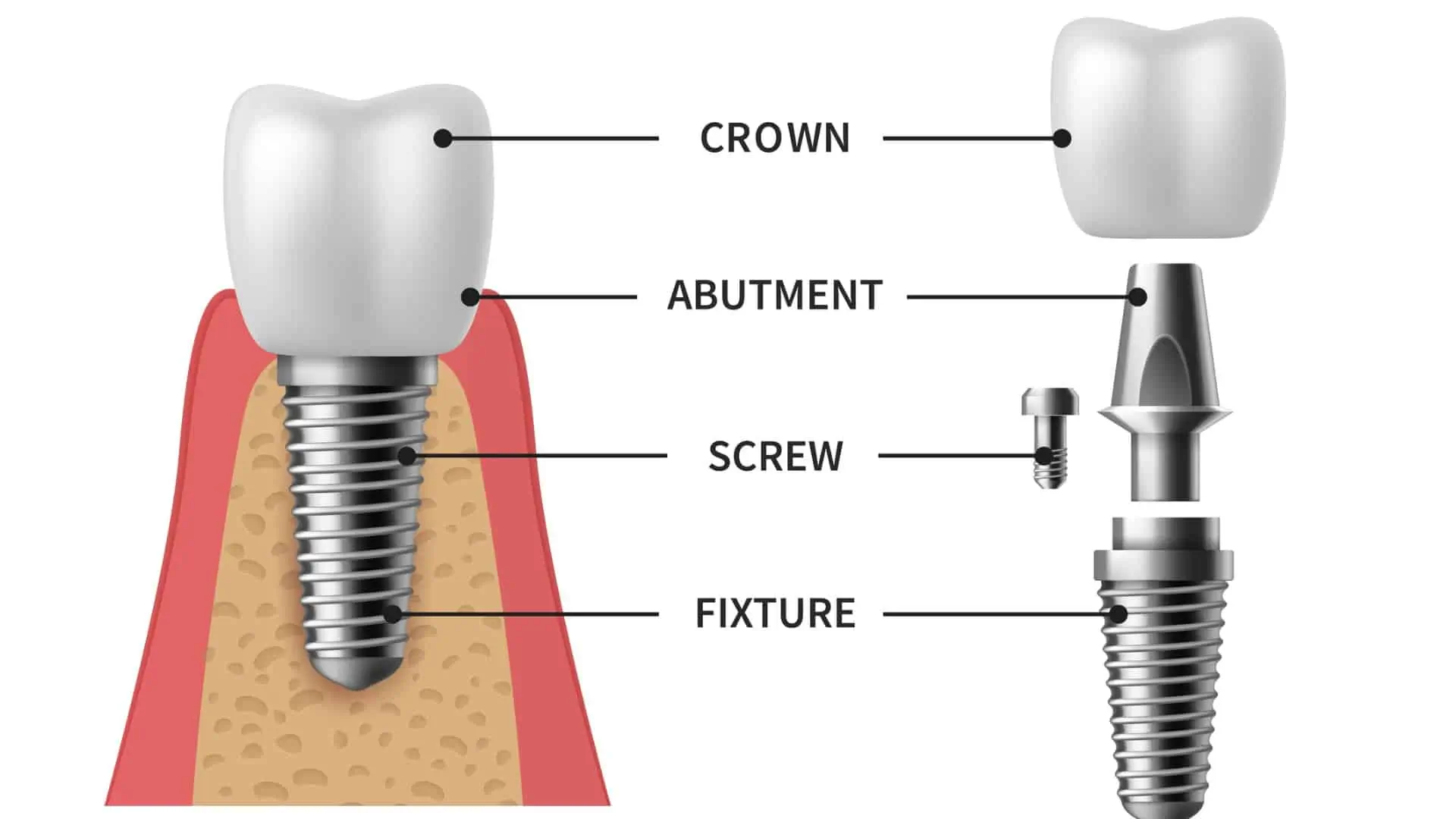
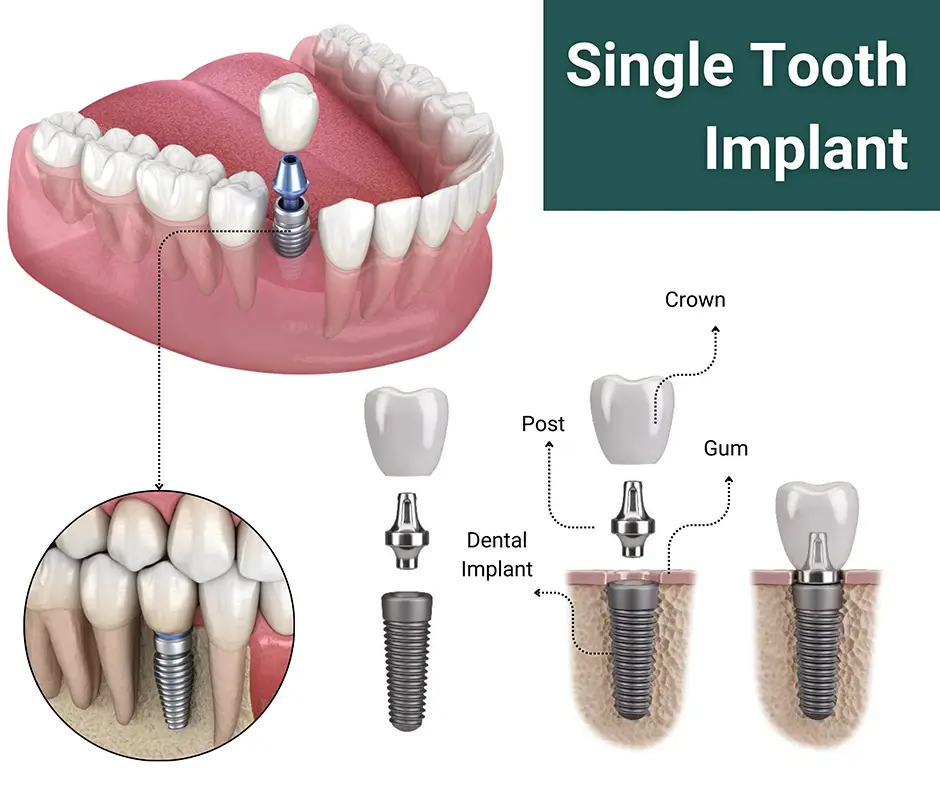
For many people, cost is the clincher. In Thailand, the total cost for a single dental implant (implant + abutment + crown) commonly falls in the 50,000–90,000 baht range per tooth, depending on case complexity and brand. That’s often a fraction of what you might pay in the US, UK, or Australia. Some clinics offer transparent packages that include consultation, CBCT, surgery, and provisional restorations—ask for a written breakdown so there are no “plus plus” surprises.
Crucially, lower overheads and competition—not lower standards—drive prices down. Pair that with experienced clinicians who place implants day in, day out, and you get solid outcomes with good value.
How long dental implants take in Thailand
Timing matters if you’re flying in. A typical implant is a two-stage process:
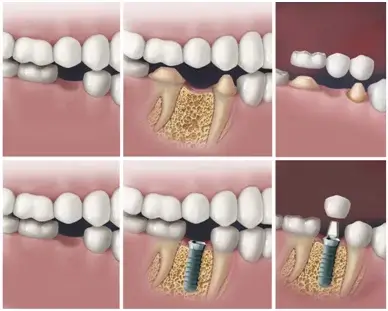
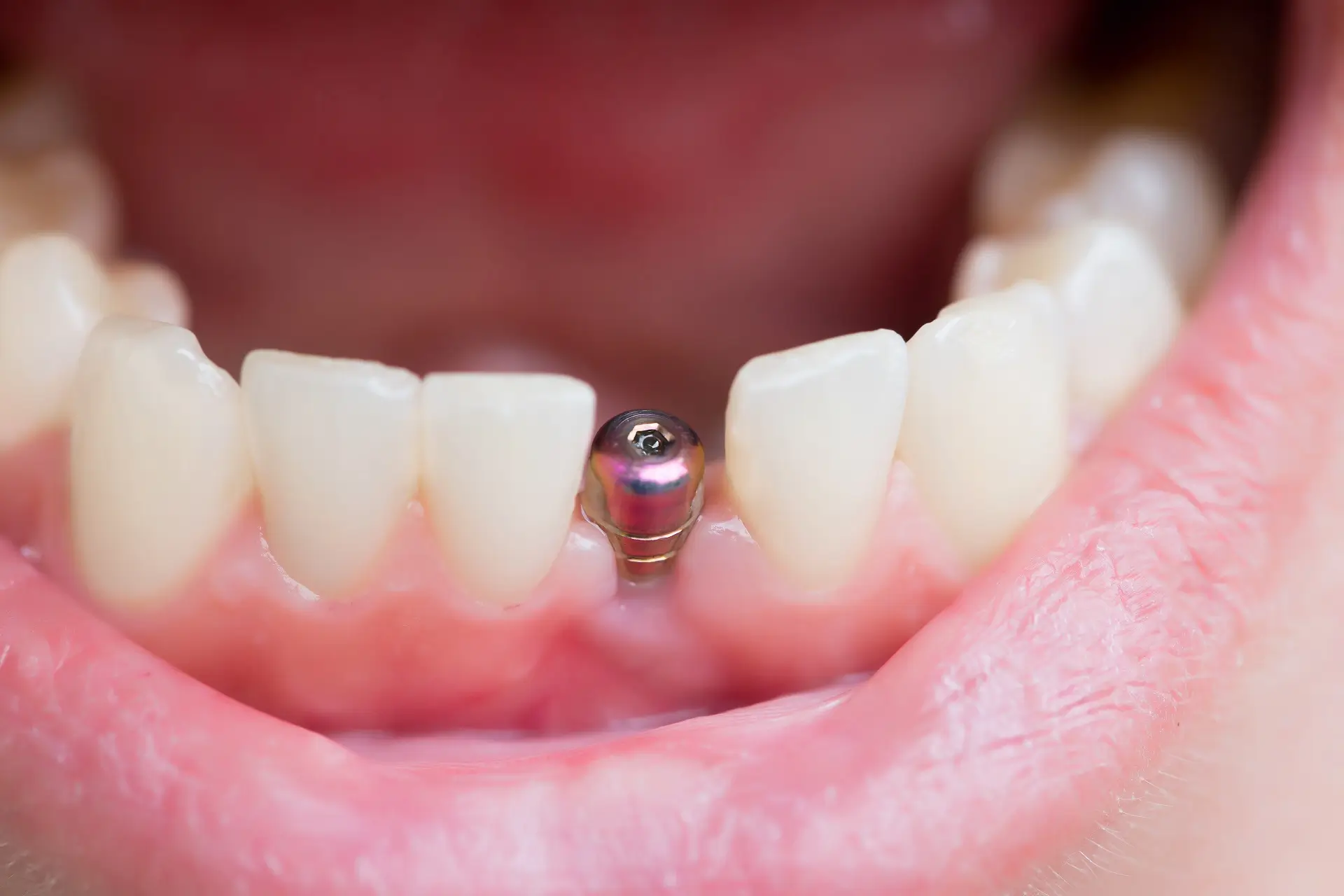
- Visit 1: Consultation, scans, and implant placement. You’ll usually stay 5–7 days to allow for surgery and a quick post-op review.
- Healing: 3–6 months for the implant to integrate with your bone.
- Visit 2: Abutment and crown placement. Plan 7–14 days for try-ins and final fitting.
If you’re a candidate for immediate-load options (like All-on-4/All-on-6 full-arch), you might get fixed temporary teeth within a few days. Just know that not everyone qualifies, and final prosthetics typically follow after a few months once the implants have fully integrated.
Comfort and recovery, Thai-style
Thais are known for warm hospitality—expect a friendly wai at reception and staff who take time to explain aftercare. Recovery can be surprisingly easy-going when your environment is relaxed. There’s also no rush to “power through” here; it’s sabai sabai. After surgery, keep it cool and calm—many patients spend a few quiet days in Bangkok near their clinic, then enjoy gentle sightseeing once the dentist gives the nod.
Soft Thai foods make the post-op period easier. You can ask for “mai phet” (not spicy) and go for khao tom (rice soup), jok (congee), steamed fish, tofu, and fruit smoothies. Hydration and rest are key, and it’s convenient that many clinics sit close to BTS Skytrain or
MRT stations, so you’re not stuck in traffic on your way to check-ups.
Where to go for dental implants in Thailand
- Bangkok: The biggest range of clinics, easy access via BTS/MRT around Sukhumvit, Silom, and Sathorn. Good for complex cases and lab turnaround.
- Phuket and Pattaya: Popular with dental tourists who want sea breeze recovery; plenty of clinics used to international patients.
- Chiang Mai: A calmer pace with reputable clinics and a rich cultural scene.
If you’re staying in the capital, look for clinics on or near major sois off Sukhumvit Road for convenient transport and accommodation choices.
How to choose the right clinic
Do a bit of homework and you’ll feel confident:
- Confirm dentist credentials with the Thai Dental Council (DDC).
- Ask which implant systems they use and why; request the implant passport/lot number card.
- Check if they take CBCT scans and use digital planning or surgical guides.
- Review sterilization protocols (autoclave logs, single-use items where appropriate).
- Read recent reviews and ask to see before-and-after cases similar to yours.
- Clarify what’s included: scans, abutment, crown, bone graft/sinus lift if needed, follow-up visits.
- Ask about warranty terms on implants and crowns and how they coordinate with your home dentist.
Travel tips that make it easy
- Visas: Many travelers get visa-exempt entry for short stays; check current rules for your passport before you book.
- Flights and stays: Fly into Suvarnabhumi (BKK) or Don Mueang (DMK) for Bangkok. Pick a hotel within a short walk of your clinic—no need to brave rush hour on surgery day.
- Insurance: Consider travel and medical insurance that covers unforeseen changes.
- Schedule: Avoid cramming in island-hopping before surgery. Do the dental work first, give yourself a few rest days, then plan gentle activities.
- Habits: Don’t smoke; it’s a major risk factor for implant failure. Follow your dentist’s instructions on rinsing, antibiotics (if prescribed), and oral hygiene.
Aftercare and long-term follow-up
Success rates for properly planned implants are high—often 95% or more over five years—when you stick to good oral hygiene and regular check-ups. Many Thai clinics can share your implant details and radiographs with your local dentist for continuity of care. Keep up with professional cleanings every 6–12 months and use a soft brush, floss or interdental brushes, and a water flosser if recommended. If your clinic offers a follow-up warranty, note what is required to keep it valid.
Why Thailand makes sense right now
Thailand combines clinical quality, fair pricing, and the sort of calm, human touch that’s hard to quantify. You’ll hear “same same but different” around the markets; with implants here, it’s more like same standards, different price—and with extra care thrown in. Whether you base yourself near a BTS stop in Bangkok or opt for a quieter soi in Chiang Mai, you’ll find clinics used to international patients, transparent plans, and teams who understand you’ve traveled a long way to set things right.
If a new smile is on your mind and you’re keen to make the journey worthwhile, Thailand is well worth a look—professional, friendly, and very much value for money. Sawasdee and get well soon, krub/kha.