Thailand Dental Implant Benefits for Patients Looking for Quality Smile Care
Thailand Dental Implant Benefits for Patients Looking for Quality Smile Care
If you’ve been thinking about restoring your smile with dental implants and want a balance of world‑class quality and fair pricing, Thailand is one of the best places to consider. Patients come to Bangkok, Phuket, and Chiang Mai not just for the sunshine and food, but for reputable clinics, skilled dentists, and modern technology that delivers long-lasting results. Here’s a straightforward look at why dental implants in Thailand make sense, and what to expect from start to finish.
Why Thailand is a smart choice for dental implants
Thailand’s dental scene is known for experienced, English‑speaking dentists who routinely treat international patients. Many implantologists are board‑certified and trained in Europe, the US, Australia, or Japan, and clinics follow strict sterilisation and infection‑control protocols. You’ll commonly find ISO‑certified clinics and partnerships with JCI‑accredited hospitals. Equipment is up‑to‑date—think CBCT 3D scans, digital impressions, CAD/CAM milling, and guided implant surgery.
Value is another key point. While quality is high, prices in Thai baht are typically more accessible than in Western countries, especially for full‑arch cases. Clinics are transparent about costs, provide detailed treatment plans, and offer predictable timelines—very helpful if you’re planning around work, school holidays, or travel. The service culture also stands out: Thai hospitality means clear communication, gentle chairside manner, and practical aftercare, whether you’re a walk‑in from Sukhumvit or flying in from abroad.
What a dental implant actually is
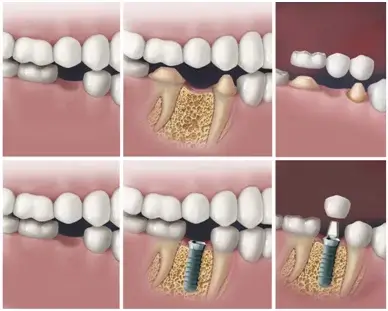
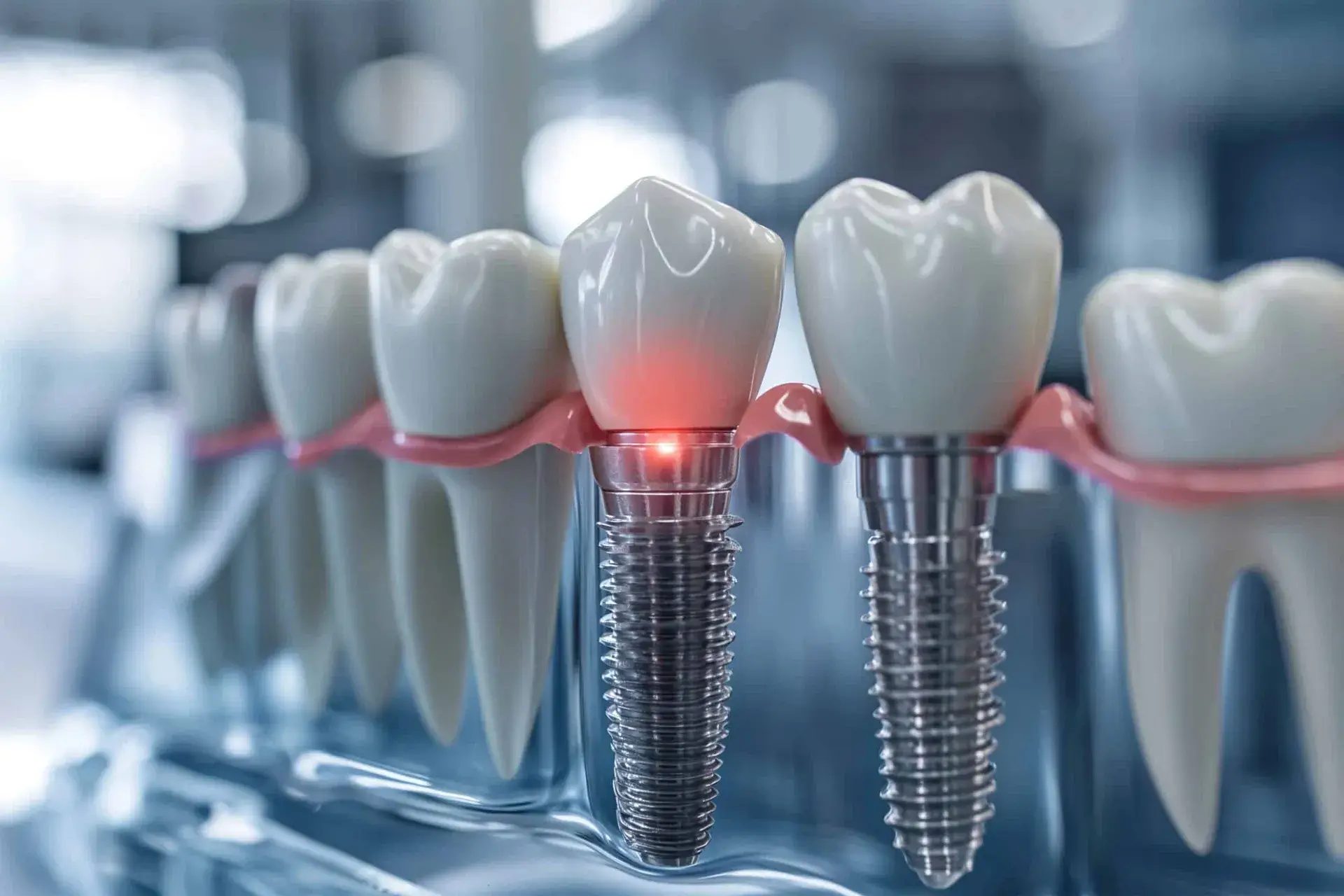
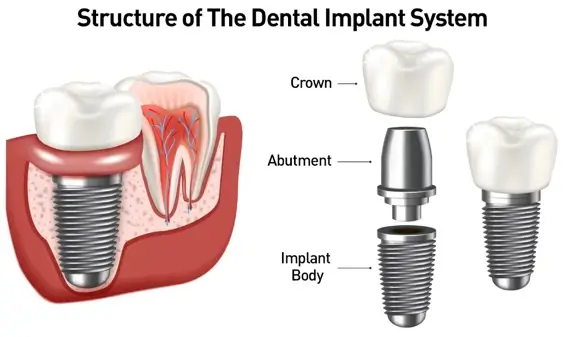
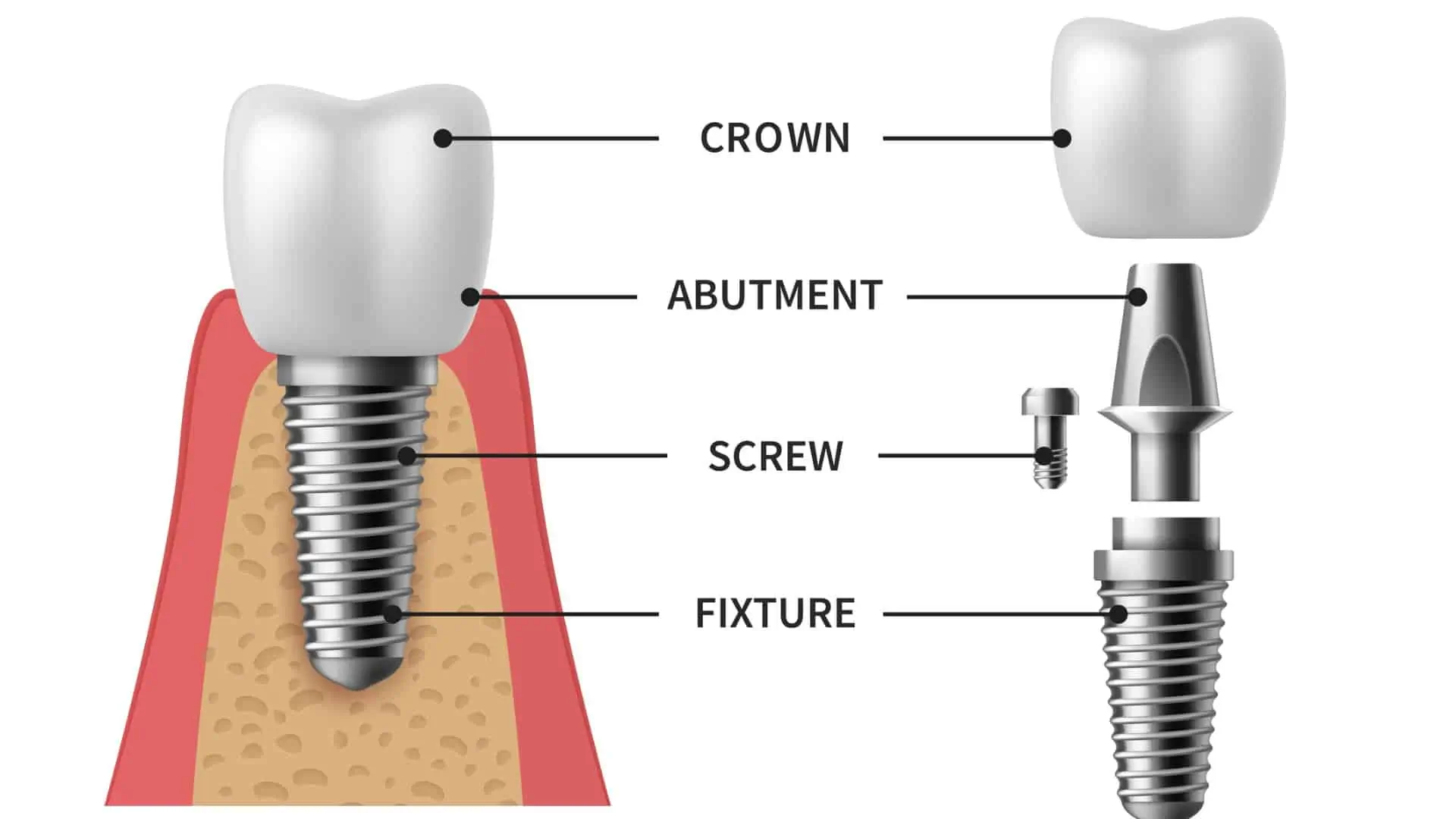
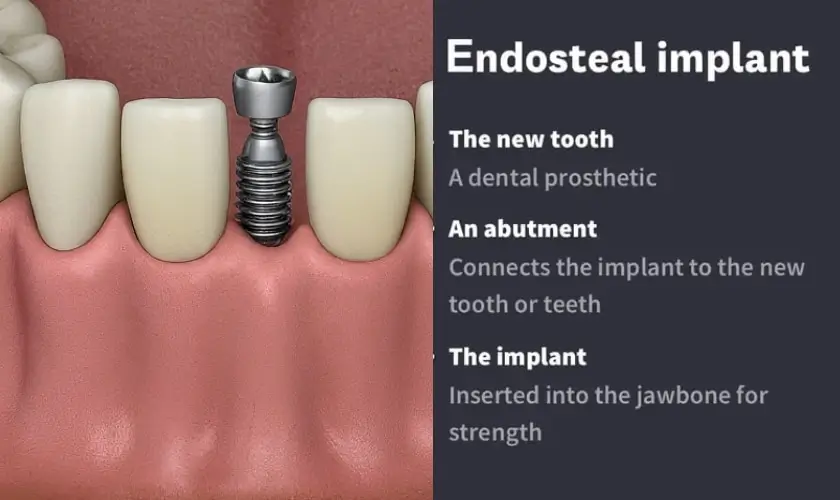
A dental implant is a small titanium post that acts like a new tooth root. It integrates with your jawbone (a process called osseointegration), providing a strong base for a crown, bridge, or full‑arch prosthesis. Modern implants are designed for stability and longevity; zirconia or porcelain crowns deliver a natural look. Depending on your case, options include:
- Single‑tooth implants
- Multiple implants supporting a bridge
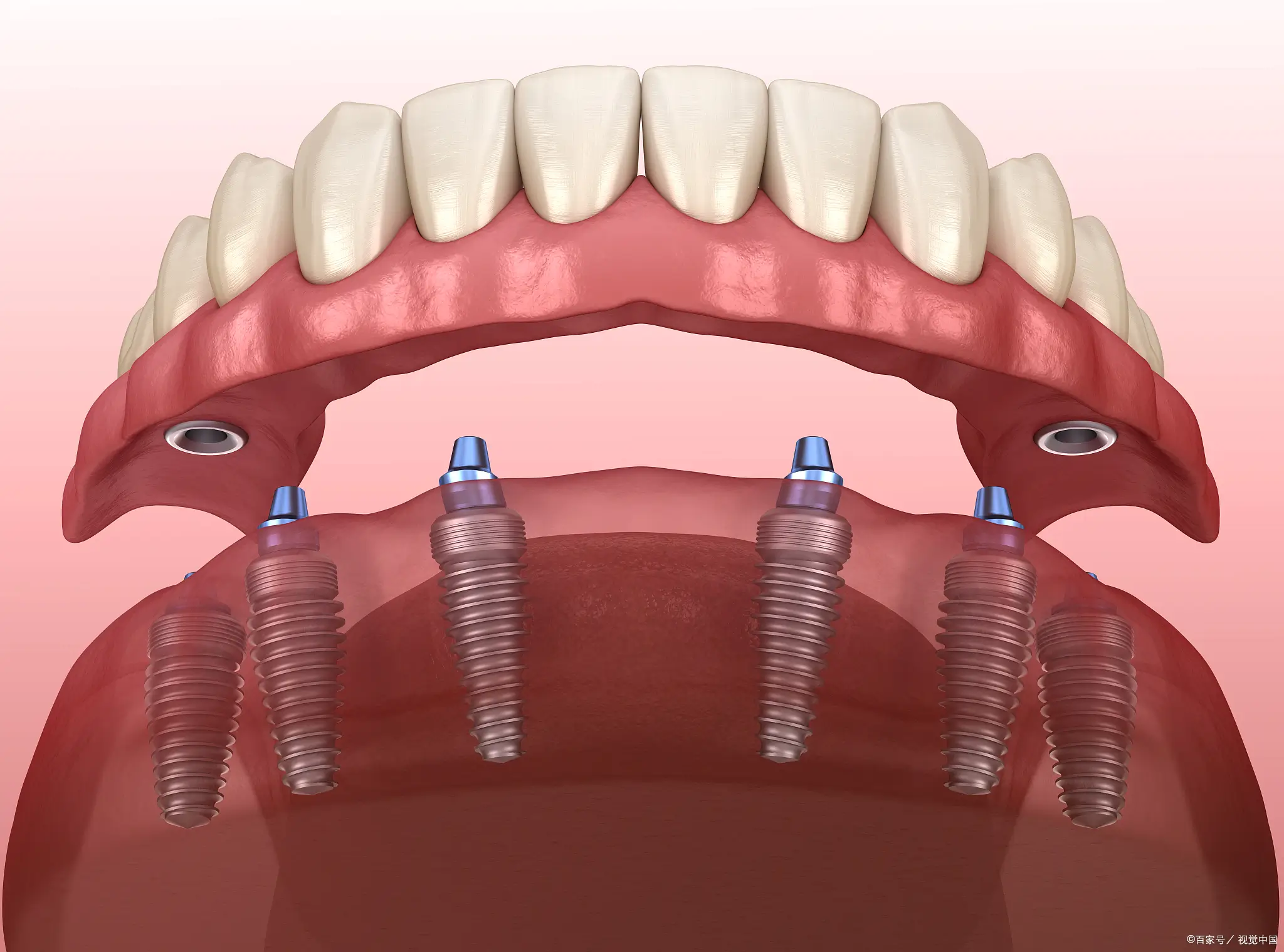
- All‑on‑4/All‑on‑6 for full‑arch restorations
In selected cases, immediate placement and provisional crowns are possible, but many patients follow a staged approach for best long‑term results.
Benefits patients really feel
- Natural look and confident smile: Custom shade‑matched crowns blend with your existing teeth.
- Bite strength and comfort: Enjoy everything from steak to sticky rice without the slipping common with dentures.
- Protects bone and facial shape: Implants stimulate the jawbone and help prevent the “sunken” look.
- Clear speech: No movement means clearer pronunciation.
- Long‑term value: With good care, implants can last many years, making them cost‑effective over time.
- Easy maintenance: Brush, floss, and attend routine cleanings—no adhesives or overnight soaking.
Your treatment journey, step by step
1) Consultation and diagnostics: Your dentist will review your goals, medical history, and take a CBCT 3D scan. You’ll get a clear plan showing the number of implants, the need for bone grafting or sinus lift (if required), the provisional phase, and the estimated timeline and fees in baht.
2) Planning and guided surgery: Many clinics use digital planning and surgical guides for precise placement. Materials are discussed openly—well‑known systems like Straumann, Nobel Biocare, or equivalent are common.
3) Implant placement: Done under local anaesthesia, with IV sedation available on request. The appointment is typically comfortable; most patients describe only mild pressure. Stitches may be disso
lvable or removed in about a week.
4) Healing and osseointegration: Over 8–16 weeks (case dependent), your bone bonds with the implant. If you need a front‑tooth solution, a temporary prosthesis keeps your smile intact during this phase.
5) Restoration: The final crown or bridge is crafted—often via CAD/CAM—for a precise bite and natural aesthetics. Your dentist will fine‑tune the occlusion so it feels “just right.”
Comfort and recovery
Post‑op soreness is usually manageable with over‑the‑counter medication and a soft diet for a few days. You’ll receive written aftercare instructions and follow‑up appointments. If you’re travelling, many clinics can schedule efficiently—an initial visit for surgery and a second trip for the final crown—while providing remote check‑ins via Line or WhatsApp between visits.
How to pick a reliable clinic
- Credentials: Look for board‑certified prosthodontists or implantologists with solid case portfolios.
- Technology and lab: Ask about CBCT, guided surgery, and whether they use reputable implant brands and local or international dental labs.
- Safety standards: Enquire about sterilisation protocols and any recognized clinic accreditations.
- Transparent pricing: Request a written quotation in Thai baht that includes surgery, abutment, crown, imaging, and any grafting.
- Reviews and before/after photos: Real case outcomes speak louder than marketing.
- Practical location: Easy access near BTS/MRT or main roads can make follow‑ups smoother.
- Warranty and aftercare: Clear policies for implant and crown coverage show confidence in their work.
Who is a good candidate?
Most healthy adults qualify for implants. Adequate bone volume and healthy gums are important; if bone is thin, grafting or a sinus lift can build support. Well‑controlled diabetes isn’t an automatic barrier, but it requires careful planning. Smoking, heavy grinding, and untreated gum disease can affect healing and long‑term success, so your dentist may recommend quitting smoking and using a nightguard if you clench.
Understanding timing and costs
Every mouth is different, but many single‑tooth cases are completed over 3–6 months. Full‑arch solutions may need more planning, especially if extractions or grafting are involved. Thailand’s clinics usually present a phased payment plan aligned with treatment milestones—for example, part at surgery, part at abutment, and the balance at final crown delivery. If you have international dental insurance, ask whether your provider reimburses out‑of‑country care; clinics can often supply detailed invoices and radiographs.
Long‑term care for lasting results
Implants are low maintenance, not no maintenance. Keep up with twice‑daily brushing, floss or interdental brushes around the implant, and professional cleanings at least twice a year. Your dentist may recommend a water flosser and specific tips to keep the gum seal healthy. Watch for any redness or bleeding and address it early to avoid peri‑implant issues. With consistent care, implants can stay strong and beautiful for many years.
The bottom line
Thailand dental implant benefits are clear: skilled dentists, modern planning and materials, welcoming service, and sensible pricing. Whether you need a single tooth replaced or a confident full‑arch smile, Thailand’s clinics offer quality smile care that feels seamless from consultation to final result. If you’re ready to eat, laugh, and speak without second‑guessing your teeth, an implant plan in Thailand could be the most practical—and comfortable—way to get there.