Thailand Dental Implant Tourism Guide for Overseas Patients
Thailand Dental Implant Tourism Guide for Overseas Patients
Sawasdee and welcome to Thailand, where world-class dentists, modern clinics, and a relaxed sabai sabai vibe come together to make dental implant travel smooth and stress-free. If you’re considering flying in for implants, this guide walks you through costs, timelines, clinic selection, and practical tips—using the kind of everyday English you’ll hear around Sukhumvit or Nimman.
Why choose Thailand for dental implants
- High standards of care: Many clinics in Bangkok, Chiang Mai, and Phuket use CBCT 3D scans, guided surgery, and global implant systems (such as Straumann, Nobel Biocare, Astra Tech). Dentists are often internationally trained and English-speaking.
- Fair pricing: Implant treatment typically costs less than in Australia, Europe, or the US, while maintaining quality materials and strict sterilisation with autoclaves.
- Easy travel: Visa exemptions apply to many passports, and you can base yourself near BTS/MRT stations for easy commuting. When you’re not in the chair, Thailand offers good hotels, great food, and plenty of sanuk (fun).
Typical treatment timeline
Dental implants are best planned with realistic timing. Here’s the usual flow:
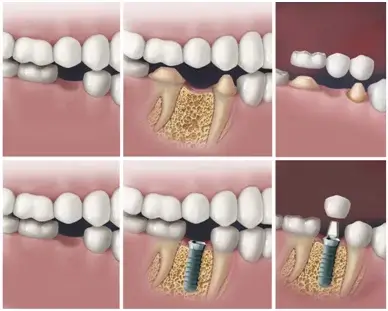
- First consult and scans (Day 1–3): Your dentist takes X-rays or a CBCT, reviews your medical history, and discusses options. If you’ve sent records beforehand, planning can be faster.
- Preparatory work (as needed): Tooth extraction, bone graft, or sinus lift may be recommended. These steps help ensure long-term stability.
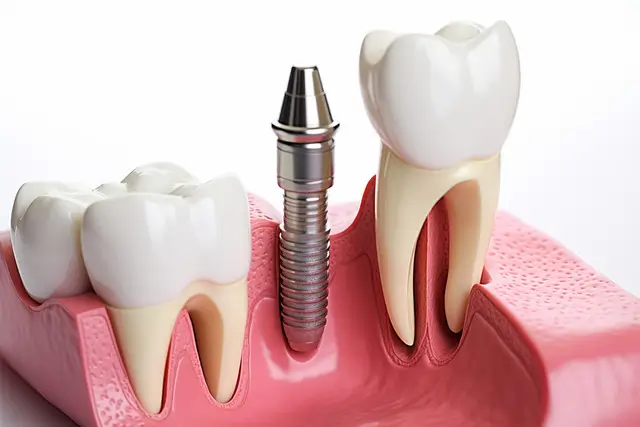
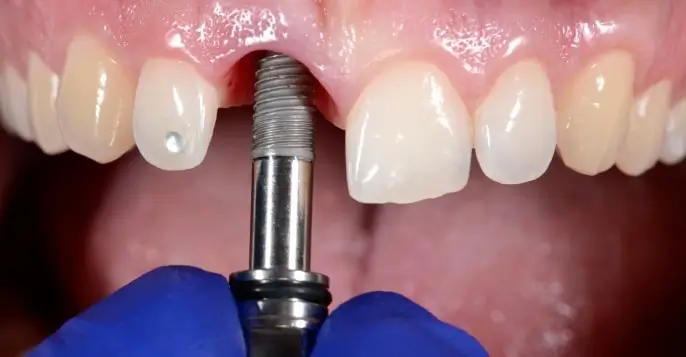
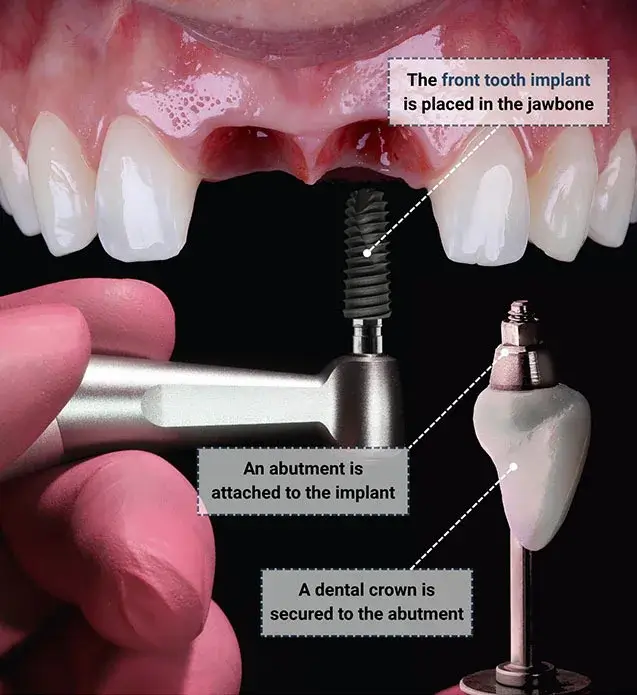
- Implant placement (1–2 hours per implant): Usually done under local anaesthesia with optional IV sedation. You’ll leave with post-op instructions and sometimes a temporary tooth.
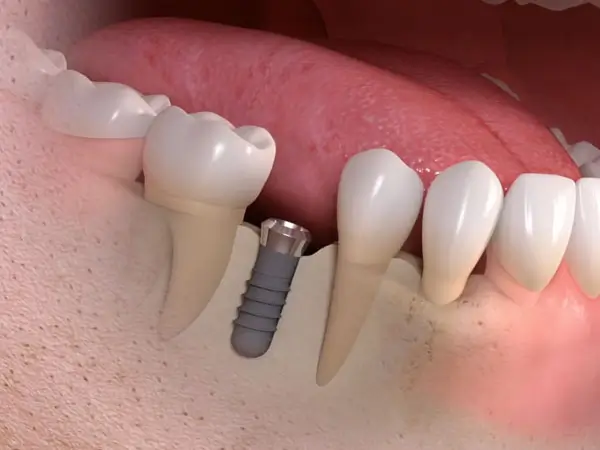
- Osseointegration (3–6 months): The implant fuses with bone. Many overseas patients do this healing period back home.
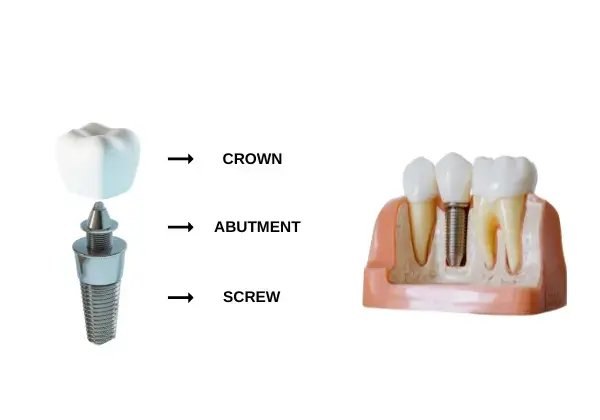
- Abutment and crown (3–7 days in Thailand): During a second trip, the dentist places the abutment, takes impressions or scans, and fits your final crown.
One-trip “immediate load” cases are possible in select situations, but most patients do better with two trips to protect long-term results.
How to choose the right clinic
- Credentials: Confirm your dentist is licensed with the Dental Council of Thailand and check any specialty training (e.g., prosthodontics, oral surgery). Look for clinics linked with JCI-accredited hospitals or reputable groups.
- Materials and lab: Ask which implant brands are used, whether the lab is in-house or external, and what warranty is offered on the implant and crown.
- Sterilisation and tech: Look for documented infection control protocols, digital planning, and CBCT access.
- Communication: Clear English, transparent treatment plans, and easy follow-up count for a lot. A quick Line, WhatsApp, or email response is a good sign.
- Location: Staying near BTS/MRT (Asok, Phrom Phong, Thonglor, Sala Daeng) makes appointments and rest days more convenient. In Chiang Mai, Nimmanhaemin and the Old City are popular.
Estimated costs (guide only)
Prices vary by clinic, brand, and complexity, but these ballpark figures in Thai baht (THB) can help with budgeting:
- CBCT 3D scan: 3,000–6,000 THB
- Single implant fixture: 35,000–70,000 THB per tooth
- Abutment and crown: 15,000–25,000 THB per tooth
- Bone graft or sinus lift (if needed): 10,000–40,000+ THB
- Full-arch solutions (e.g., All-on-4/6): 280,000–450,000+ THB per arch
Many clinics offer packages with clear inclusions. Always confirm if consults, sca
ns, temporaries, and follow-ups are included.
Travel planning tips
- Visas and timing: Many nationalities get visa-free entry for 30 days (sometimes extendable). If you plan multiple visits, check the latest policy or apply for a tourist visa ahead of time.
- Travel insurance: Choose a policy that covers medical travel and trip changes. Ask your clinic for a tax invoice if you’ll claim later.
- Where to stay: Book a room within a short walk or one BTS stop from your clinic to avoid heavy traffic, especially during post-op days.
- Payments: Clinics usually accept credit cards and cash (Thai baht). Ask about fees for foreign cards and whether bank transfer is possible.
- When to come: For smoother travel, November to February is cool season. Avoid packing your schedule—keep it sabai sabai with enough rest between appointments.
Recovery and what to eat
Your dentist will give personalised instructions. In general:
- First 48 hours: Ice packs, gentle brushing, and no smoking. Avoid hot drinks, alcohol, and using a straw.
- Diet: Choose soft, non-spicy foods—congee (jok), soft-boiled rice (khao tom), steamed fish, tofu, omelettes, yoghurt, smoothies (no straw), and ripe bananas. Skip sticky rice, crunchy snacks, and som tam-level spicy for at least a week.
- Rinsing: Warm saltwater rinses after 24 hours can help, unless your dentist advises otherwise.
- Activity: Take it easy. No heavy lifting or marathon shopping sprees at Chatuchak on day one. If you need transport, Grab is convenient and gentle on post-op days.
- Follow-up: Keep your review appointment before flying out, and clarify how to reach the dentist online if you have questions later.
Popular destinations for treatment
- Bangkok: The widest choice of clinics, easy access via BTS/MRT, and top-tier hospitals. Great base for multiple visits.
- Chiang Mai: Calmer pace, cooler season, and a strong dental scene—good for longer stays.
- Phuket: Ideal if you want beach time after check-ups, though factor in seasonal crowds.
Safety and standards
Thailand’s top clinics maintain strict sterilisation and use approved implants. Still, every procedure has risks. Share your medical history, allergies, and medications. If you need sedation, confirm anaesthetist availability and recovery arrangements. A good clinic will take a mai pen rai attitude to small hiccups but be serious about your safety.
Frequently asked questions
- How long should I stay for the first trip? Many patients stay 5–10 days to allow for scans, implant placement, and a post-op check.
- Can I finish everything in one trip? Sometimes, but most cases need a healing phase of 3–6 months, so expect two visits.
- Is English spoken? Yes, in most urban clinics. Front desk and dentists usually communicate clearly in English.
- Will I feel pain? You’ll be numb during surgery. Expect mild soreness after; your dentist will provide pain relief and care instructions.
- How long do implants last? With good oral hygiene and regular checks, implants can last many years. Plan yearly check-ups at home and periodic reviews when you’re back in Thailand.
Final take
Thailand offers a practical mix of skilled dentists, modern tech, and fair pricing, with the bonus of a welcoming culture and easy logistics. Do your homework, keep your schedule flexible, and choose a clinic that communicates clearly. With the right plan, you can return home with a confident smile—and a good story from the Land of Smiles.