Why Thailand Is Becoming More Popular for Dental Implants Abroad
Why Thailand Is Becoming More Popular for Dental Implants Abroad
If you’ve been looking at options for dental implants abroad, it’s hard to miss Thailand. The Land of Smiles isn’t just about beaches and green curry; it’s also home to an increasingly sophisticated dental scene that attracts patients from the US, UK, Australia, the Middle East, and beyond. Ask around on forums or expat groups in Bangkok and you’ll hear the same thing: Thailand offers a “same same, but different” experience—Western-level quality, different price tag, and a service culture that makes the whole journey feel smooth and sabai-sabai.
Value without cutting corners
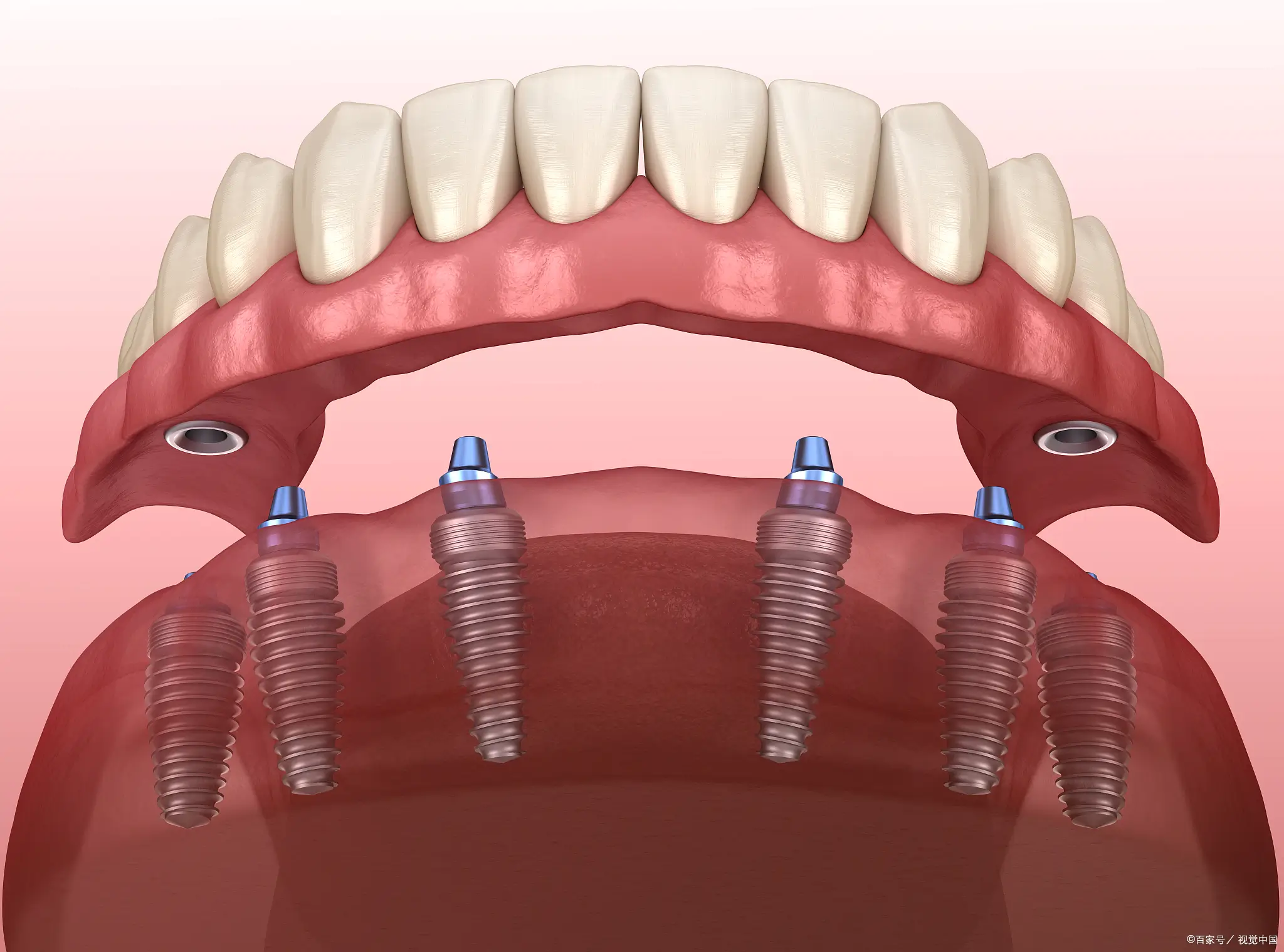
Price is the first big pull. A single implant with a crown in Thailand typically ranges around 50,000–80,000 THB (roughly 1,400–2,300 USD), depending on the brand and case complexity. Full-arch options like All-on-4 can run in the 350,000–500,000 THB range, still far below what many pay at home. The savings come from lower overheads, not shortcuts. High patient volumes and competitive private clinics keep costs realistic while maintaining quality. For many people, the total bill—implants plus flights and a hotel near Sukhumvit—still ends up well under local quotes.
World-class dentists with international training
Thai dentists performing implants are licensed by the Thai Dental Council, and many have advanced degrees or residencies from the US, UK, Europe, Japan, or Australia. Because dental tourism is well established here, implant specialists handle a large number of cases each year—from single-tooth replacements to full-arch restorations. It’s common for clinics to use globally recognized implant systems such as Straumann, Nobel Biocare, or Astra Tech, which means parts and maintenance are accessible if you ever need follow-up back home.
Modern tech and strict sterilization
Step into a reputable clinic in Bangkok, Phuket, or Chiang Mai and you’ll find CBCT 3D scans, digital planning software, and options for guided surgery that help improve precision and predictability. Autoclave sterilization (Class B), disposable barriers, and documented infection control protocols are standard in well-known practices. Some dental centers are part of hospitals with JCI accreditation, and many clinics hold ISO certifications for quality management. In-house digital labs can turn around crowns and bridges faster, which is a big plus when you’re on a schedule.
Easy communication and a service mindset
English is widely spoken in the private healthcare sector. Many clinics have dedicated international coordinators who explain your treatment plan, send itemized quotes, and help with appointment timing around your flights. The Thai “service mind” approach comes through in the little things—clear explanations, “no worries” rescheduling if your flight is delayed, and follow-up calls to check you’re feeling okay. It’s a far cry from the rushed, wait-and-see vibe some people experience at home.
Travel that fits your timeline
Bangkok (BKK/DMK) is one of Asia’s biggest hubs, with direct or one-stop flights from most regions. For many passports, there’s a visa-free or visa-on-arrival stay for short trips—always check current rules before you book. Once on the ground, the BTS Skytrain and MRT make it easy to reach clinics in Sukhum
vit, Asok, Phrom Phong, Silom, or Thong Lor. If you prefer beach recovery, Phuket and Pattaya have well-regarded dental centers too. Thailand’s hospitality industry is dialed in: comfortable hotels, clinics close to transport, and a generally “mai pen rai” (no worries) vibe that helps keep stress low.
What the treatment journey looks like
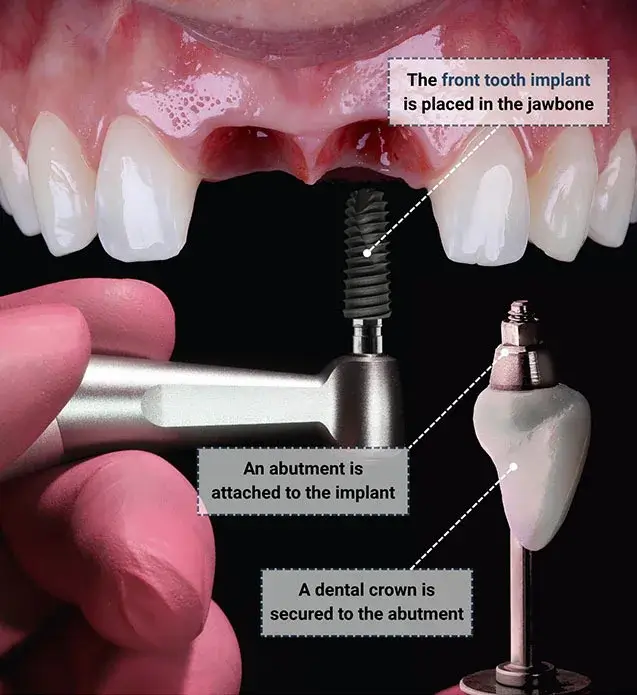
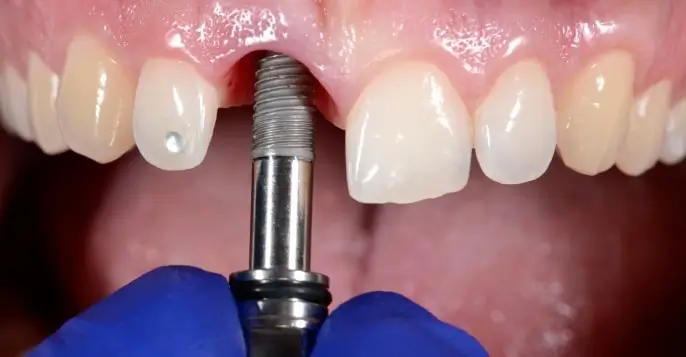
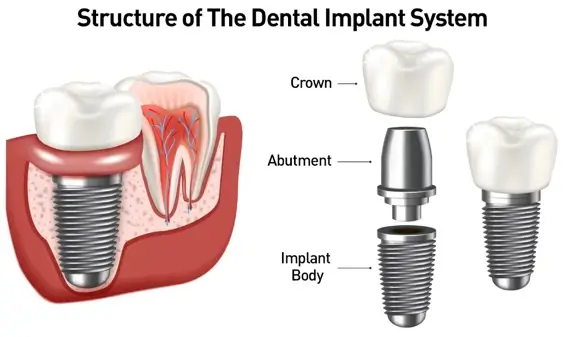
Dental implants usually happen in stages. Many patients need two trips: one for extraction and implant placement (with or without a temporary tooth) and a second trip 3–6 months later for the abutment and final crown, once the implant has fused with the bone. Some cases qualify for immediate loading or same-trip temporaries, but that depends on bone quality and bite dynamics. Good clinics will explain these variables clearly and won’t push unrealistic timelines. They’ll also coordinate with your home dentist for long-term checkups and may offer warranties on the implant and crown.
Destinations with depth
Bangkok is the top choice for sheer variety, from hospital-based dental departments to boutique implant centers in central sois. Phuket and Chiang Mai combine treatment with a slower pace for recovery; Pattaya and Hua Hin also have clinics trusted by expat communities. Wherever you go, look for a practice that openly lists dentist profiles, degrees, case photos, and equipment—a sign they’re confident about their standards.
How clinics keep things transparent
A good Thai clinic will give you a written treatment plan with steps, brand names, and fees. Expect clear line items for imaging, implant placement, abutment, and crown, and options for materials (zirconia vs. porcelain-fused-to-metal, for example). Sedation or IV options are available in many centers for anxious patients, usually at extra cost. You’ll also get pre- and post-op care instructions and emergency contact details—very helpful if you’re staying nearby in a hotel and need quick advice.
What to check before you book
- Dentist credentials and Thai Dental Council registration, plus any overseas training
- Implant system and lab materials (brand, warranty, and availability in your home country)
- 3D CBCT planning and whether guided surgery is offered for your case
- A realistic timeline, including healing periods and number of trips
- Full cost breakdown, including extractions, bone grafts, sinus lifts, and sedation
- Clinic hygiene standards, sterilization protocols, and any ISO/JCI affiliations
- Aftercare arrangements and how follow-up is handled once you fly home
- Location and access—close to BTS/MRT or your hotel to reduce travel stress
Is Thailand right for you?
Dental implants are a medical procedure, so fit matters. If you have complex medical conditions, heavy smoking history, or need extensive grafting, you’ll want extra consultation—possibly with a hospital-based team. But for many patients, Thailand strikes the sweet spot: experienced specialists, modern tech, transparent plans, and sensible pricing. Add the warmth of Thai hospitality and the ease of recovering somewhere comfortable—with a bowl of jok (rice porridge) and a mango smoothie—and it’s clear why more people are heading to Thailand for dental implants. Chok dee on your smile journey, and khob khun for reading.