Thailand Dental Implant Reasons for International Dental Travelers
Thailand Dental Implant Reasons for International Dental Travelers
Thinking about flying to Thailand for dental implants? You’re not alone. Every year, thousands of international patients touch down in Bangkok, Phuket, Chiang Mai, and Pattaya with one goal: a confident smile delivered by skilled hands at fair prices. Thailand has become a favorite for dental implants because it blends clinical quality, value, and warm hospitality in a way that feels smooth and stress-free—no worries, as locals like to say.
Value without cutting corners
One of the biggest reasons patients choose Thailand is value. Many clinics offer implant treatment at 40–70% lower fees than in the US, UK, or Australia. This isn’t about shortcuts; it’s about lower operating costs and a competitive, well-developed private healthcare sector. Reputable clinics provide itemized quotations, package prices for implant, abutment, and crown, and clear explanations of what’s included—consults, X‑rays or CBCT scans, surgery, temporary teeth, and follow-up. You’ll see transparent fees posted on clinic websites and quick responses with written estimates after you share your case details.
Indicative figures can be helpful when budgeting, but remember that exact pricing depends on your bone quality, the brand of implant, and any additional procedures like grafting. A good clinic will confirm costs after a CBCT scan and clinical exam, so you know exactly where you stand before you commit.
Clinical quality you can trust
Thailand’s private dental scene is mature and internationally oriented. Many implant dentists are licensed by the Thai Dental Council and hold board certifications in prosthodontics or oral and maxillofacial surgery. It’s common to find practitioners who trained or completed fellowships in Europe, Australia, Japan, or North America, and who lecture at conferences or teach at local universities.
Hospitals and multi-specialty centers often carry international accreditations, and clinics follow strict infection control standards. You’ll see modern equipment: 3D CBCT imaging, digital scanners (no goopy impressions), and computer-guided surgery for precise implant placement. Reputable clinics work with global implant systems and lab materials, and will tell you exactly which brand they will place and why it suits your case.
English-first service and smooth logistics
Thailand caters to international travelers in a very practical way. Front desk teams and clinicians in major cities speak clear English, and many clinics assign a dedicated case coordinator to help with scheduling, airport transfers, hotel suggestions, and appointment reminders via WhatsApp or Line. Extended hours and weekend slots make it easier to fit treatment around sightseeing or work trips.
Expect realistic, efficient timelines. For a straightforward single implant, the usual sequence is:
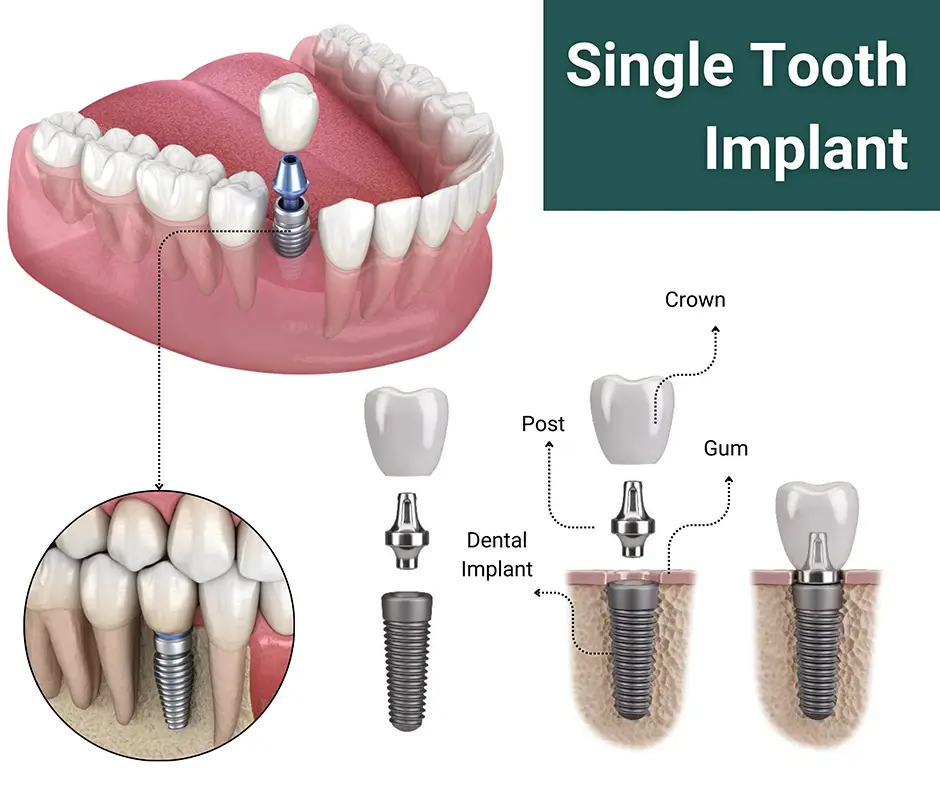
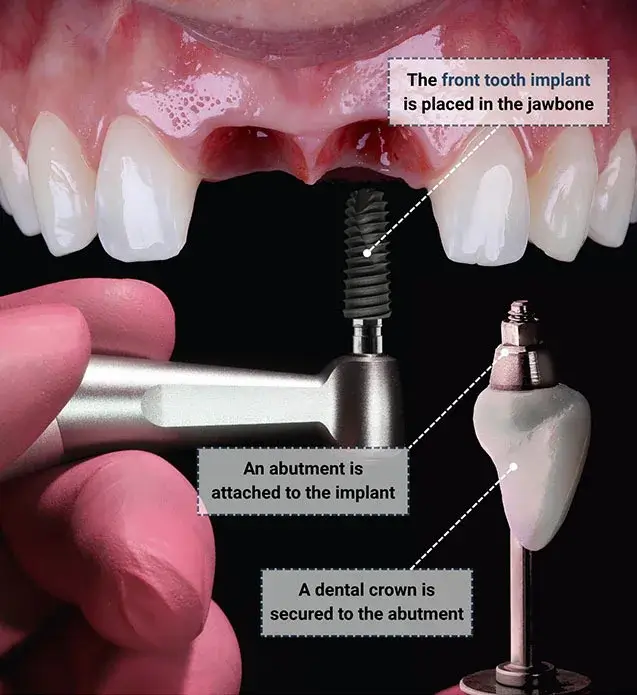
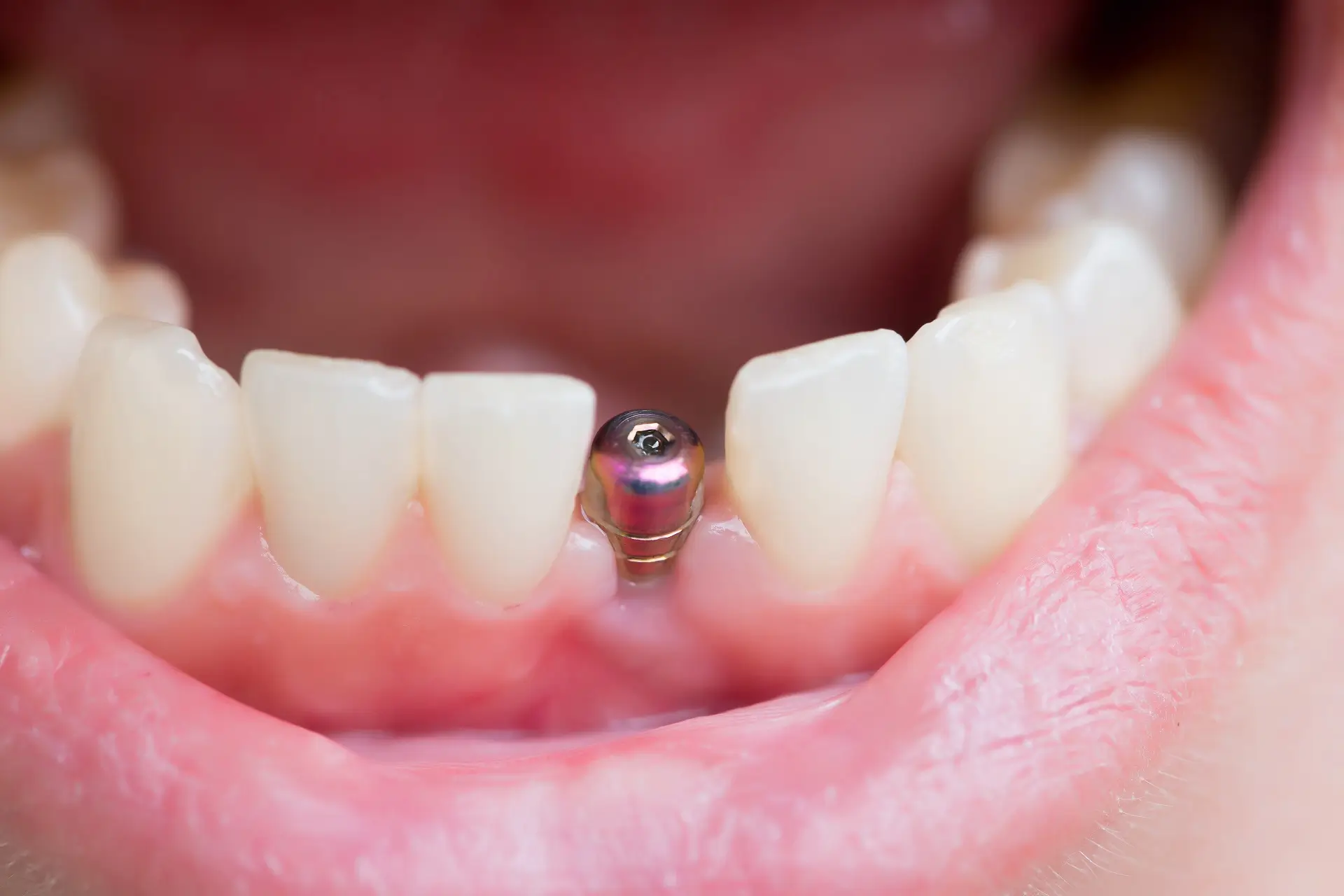
- Visit 1: CBCT, planning, and surgery to place the implant fixture
- Healing: 3–6 months for osseointegration (bone bonding)
- Visit 2: Abutment and crown fitting, often 3–7 days in-country
Where suitable, immediate temporaries or immediate-load protocols may be offered. Full-arch solutions like All-on-4 or All-on-6 can place a fixed provisional within a week, with the final prosthesis after healing. Good clinics won’t rush bone biology; they’ll tailor the plan to your healing and travel schedule and can arrange virtual follow-ups between visits.
Travel-friendly recovery
Thailand is built for comfort. After surgery, you can take it easy in a hotel
with room service, stick to soft foods like khao tom (rice porridge) and soups, and enjoy gentle activities—no heavy gym sessions or scuba diving right after, please. Pharmacies are everywhere, and pain control regimes are straightforward. Many patients choose calm escapes in Chiang Mai or the islands for the healing period, then return for their crown fitting when the bone is ready.
Clear communication about candidacy
Not everyone is an immediate candidate for implants. Good clinics will ask about your medical history (diabetes, osteoporosis, medications), smoking, and gum health. They’ll use the CBCT to assess bone volume and nerve positions, and discuss options such as sinus lifts or bone grafting if needed. Expect an honest conversation about risks, benefits, alternatives, and timelines. If you grind your teeth or have periodontal issues, they’ll plan splints and maintenance to protect your investment.
What to look for when choosing a clinic
- Credentials: Thai Dental Council license; board-certified specialists for surgery and prosthetics
- Technology: CBCT, digital impressions, and guided surgery capability
- Materials: Recognized implant systems and high-quality lab work with documented warranties
- Sterilization: Clear infection control policies and safe, modern facilities
- Case portfolio: Before-and-after photos and case explanations relevant to your situation
- Reviews: Consistent, recent patient feedback mentioning communication and aftercare
- Transparency: Written treatment plan with staged fees and contingency costs
- Aftercare: Clear follow-up protocol and stated warranty terms for implants and crowns
- Access: Reliable communication channels, teleconsults, and prompt responses
- Realism: No pressure sales, no “too good to be true” promises, and medically sound timelines
Planning tips for overseas patients
- Share recent dental records and any existing X‑rays before you fly; clinics can give a preliminary plan and schedule.
- Check visa requirements for your passport and allow buffer days in case your mouth needs an extra review after surgery.
- If you plan a full-arch rehab, discuss diet and speech adaptation during the provisional phase.
- Avoid long-haul flights immediately after major surgery if you’re prone to swelling; many patients stay 2–3 days post-op before flying.
- Arrange a local number or roaming to stay in close contact with your clinic.
Aftercare and longevity
Implants are a long-term commitment. Thai clinics will educate you on brushing around the implants, using interdental brushes, and scheduling professional cleanings. Many offer warranties that cover the implant fixture for a set period if you follow advised maintenance and review visits. You’ll get a surgical report and component details—keep them for your home dentist. Regular check-ups (even back home) help maintain bone and gum health, which protects your new smile.
Why Thailand keeps winning smiles
At the heart of it, Thailand offers a balanced equation: experienced clinicians, modern tech, friendly English-speaking teams, and prices that make comprehensive care achievable. Add easy flights, comfortable recovery options, and that signature Thai “mai pen rai” hospitality, and the experience feels less like a medical chore and more like a well-managed journey. With the right clinic and a clear plan, Thailand can be the place where you regain function, confidence, and the freedom to smile without thinking twice.