Why Thailand Is an Attractive Country for Dental Implant Holidays
Why Thailand Is an Attractive Country for Dental Implant Holidays
If you’ve been thinking about getting dental implants and turning the trip into a break, Thailand is a very “sabai sabai” choice—calm, convenient, and surprisingly affordable. The Kingdom has built a strong reputation for high‑quality dental care, friendly service, and modern clinics, all set against a backdrop of beaches, mountains, and city energy. It’s no wonder dental implant holidays in Thailand keep trending for visitors from the US, Europe, Australia, and the Middle East.
World‑class dentists and modern clinics
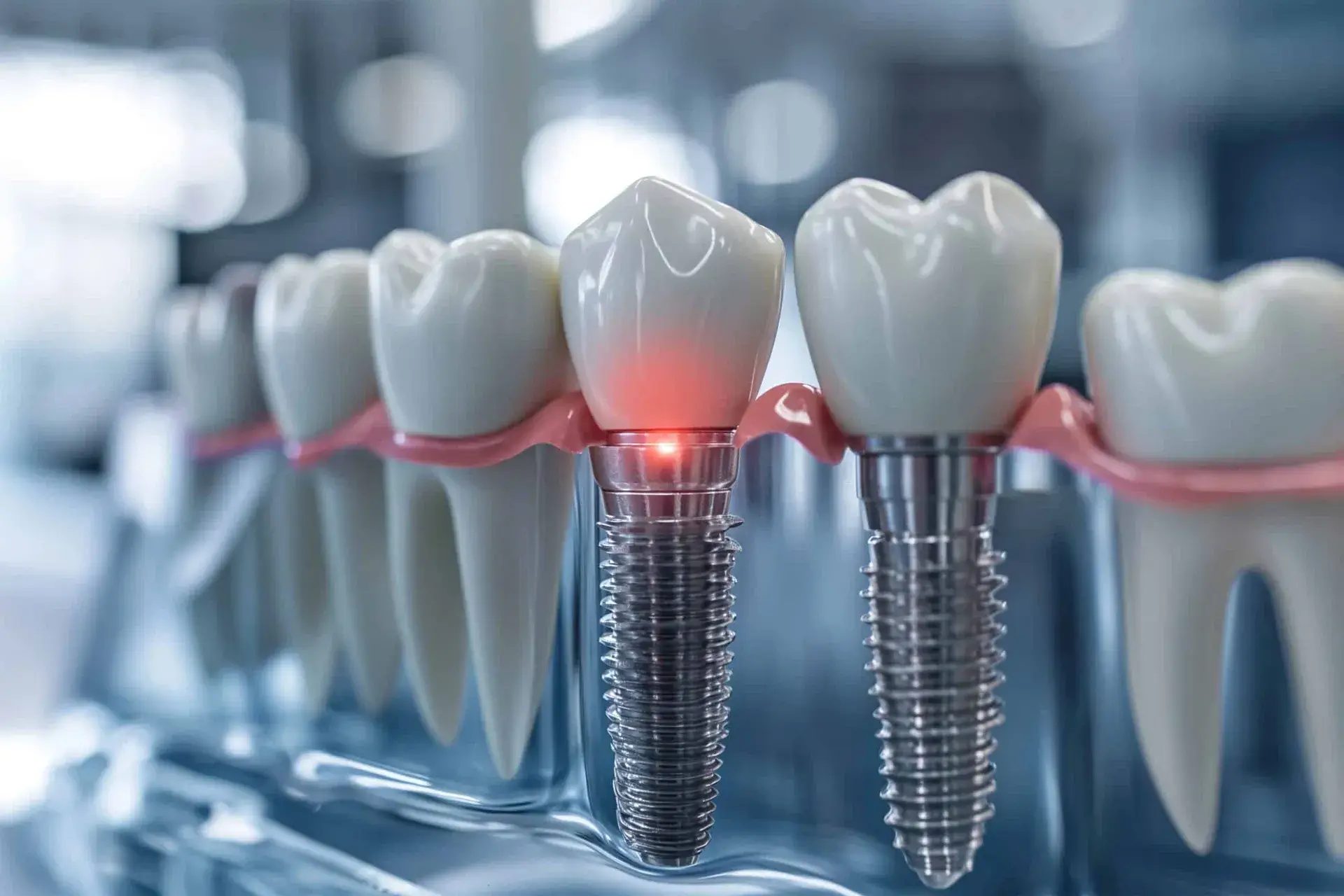
Thai dental clinics that focus on implants typically invest in the same technology you’d expect back home: cone beam CT scans, digital planning software, and CAD/CAM crowns. Many implant dentists are internationally trained, hold memberships in global bodies, and use well‑known implant systems like Straumann, Nobel Biocare, or Osstem. In Bangkok, Phuket, Chiang Mai, and Pattaya, you’ll also find clinics with ISO certifications and hospital partners with JCI accreditation.
Cleanliness and sterilization protocols are taken seriously. Strict infection control, transparent treatment plans, and English‑speaking coordinators are common at reputable clinics. From consultation to post‑op care, the process feels professional and predictable—“mai pen rai,” no worries.
Real value for money
A big pull is price. Dental implants in Thailand often cost 40–70% less than in the US or the UK, without cutting corners on materials or technique. As a general guide:
- A single‑tooth implant with crown can start from around 45,000–90,000 THB (about USD 1,200–2,500+), depending on brand, bone quality, and lab work.
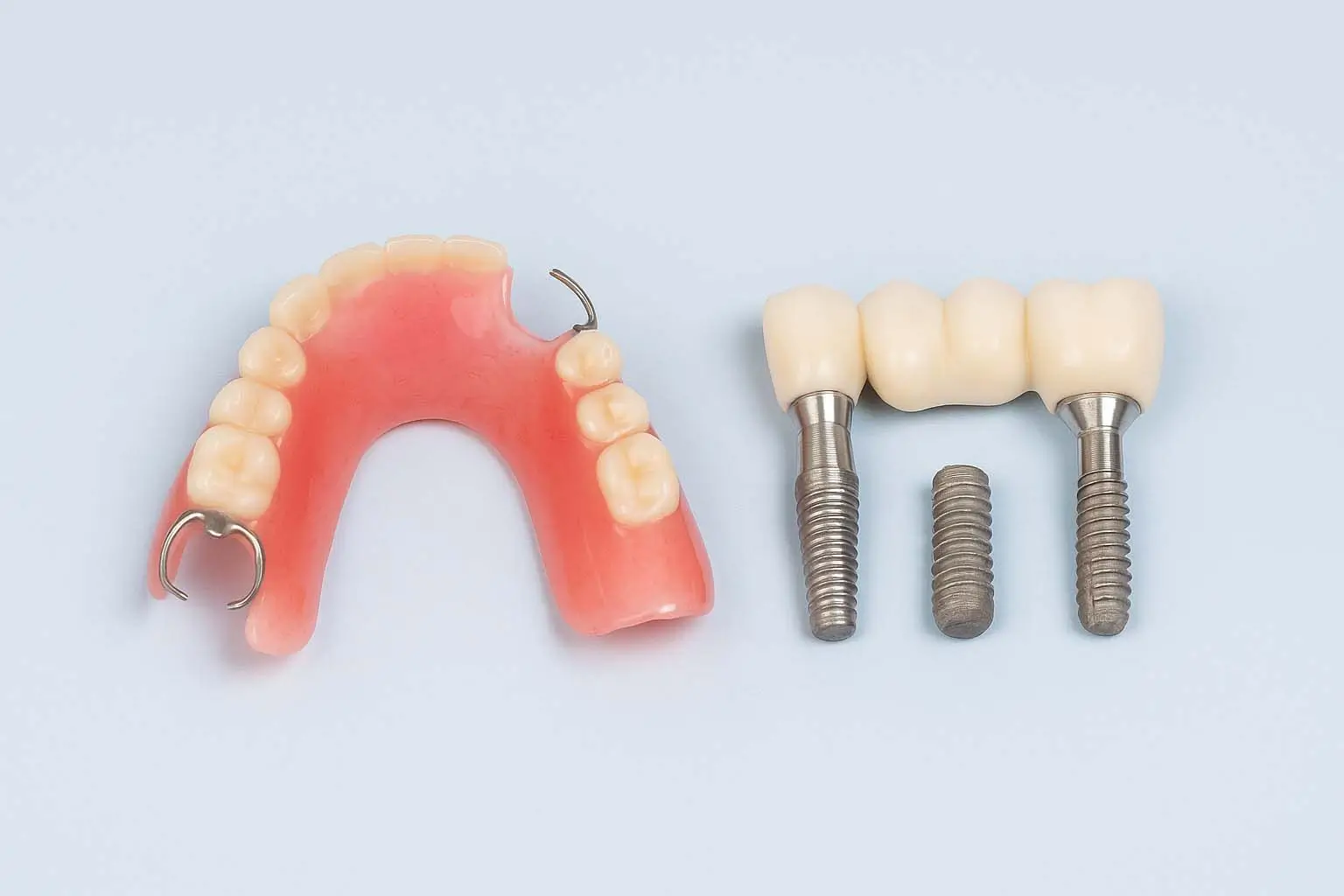
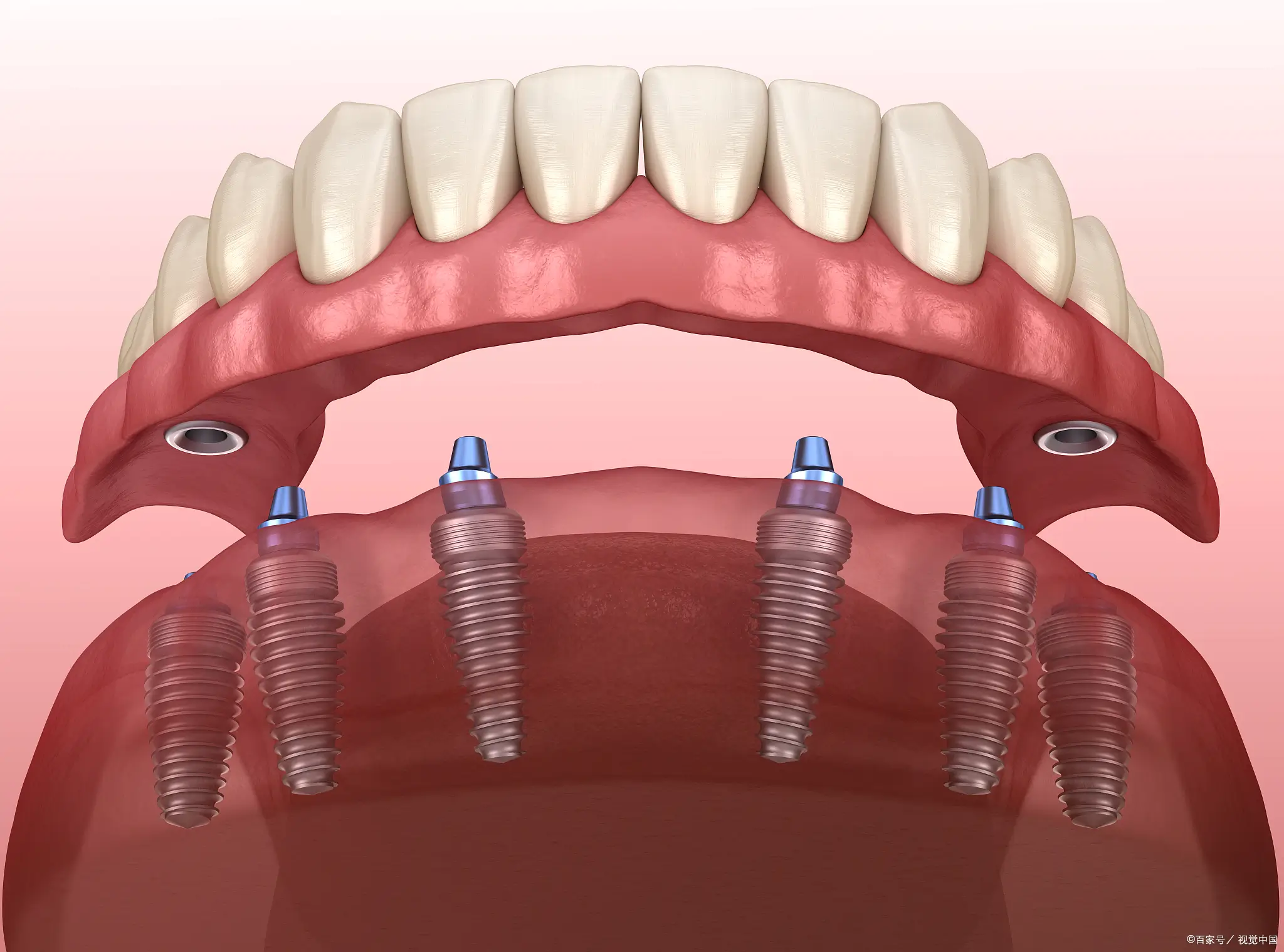
- Full‑arch solutions like All‑on‑4 or All‑on‑6 can start from roughly 300,000 THB per arch (about USD 8,500+), varying with the number of implants, provisional restorations, and final materials.
These are ballpark figures. A 3D scan and clinical exam are needed to confirm your plan, especially if you may need a sinus lift or bone graft. Even with flights and a comfy hotel, many patients still find they get more “bang for their baht.”
Easy travel and flexible schedules
Thailand is built for visitors. Major hubs like Bangkok and Phuket have frequent international flights, and many nationalities enjoy visa‑exempt or visa‑on‑arrival entry. Clinics used to international patients streamline the process: pre‑visit video consultations, clear itineraries, airport pick‑ups on request, and multilingual staff. Appointment times are often flexible, allowing you to plan treatments around sightseeing or rest days.
Comfortable recovery in a holiday setting
Implant surgery is precise and typically less dramatic than people expect, but recovery still benefits from a relaxed environment. Thailand makes that easy. You can take gentle walks in a mall with cool air‑con, sip coconut water on a quiet beach in low season, or rest in a boutique hotel in Chiang Mai’s Old City. Spa treatments like foot reflexology or a light shoulder massage (avoiding the face post‑op) help you feel “sabai” while healing. The soft Thai food options—congee, steamed fish, tofu, smoothies—also suit the post‑surgery diet.
Cooler months from November to February are especially comfortable, but with good air‑conditioning and a “mai pen rai” mindset, any season can work.
What the usual implant timeline looks like
Everyone’s case is different, but a common flow for dental implants in Thailand goes like this:
- Before you fly: Share
dental X‑rays or a recent CT, photos, and medical history. The clinic proposes a provisional plan and estimate.
- On arrival: A full exam and CBCT confirm the plan. If all is well, surgery can be scheduled within a day or two.
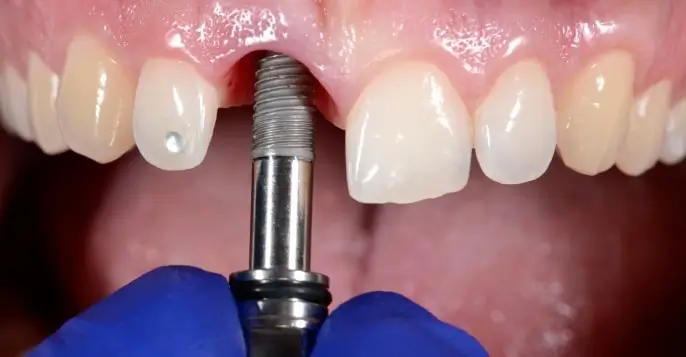
- Surgery visit: Placement of the implant(s). If indicated, bone grafting or a sinus lift may be done. For front teeth, some clinics offer a temporary tooth for aesthetics.
- Healing phase: Traditional protocols allow 3–6 months for osseointegration (bone healing). Many patients return home and come back later for the final crown or bridge. Immediate‑load concepts (like All‑on‑4) can place a provisional fixed bridge within days, but not everyone is a candidate.
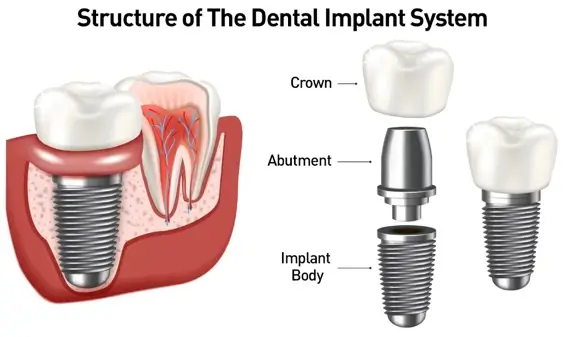
- Second visit: Abutment and final crown/bridge fitting after healing is confirmed.
If you prefer a single trip, ask about immediate protocols and whether your case is suitable. Avoid smoking, follow the soft diet guidance, and keep the area clean—those small choices help your implant settle well.
How to choose the right clinic
To keep everything smooth and safe, consider:
- Credentials and experience: Ask how many implants the dentist places per year and in similar cases. Request to see before‑and‑after photos.
- Technology and brands: Confirm CBCT availability and the implant systems used. Recognized brands help with future maintenance anywhere in the world.
- Transparency: A written treatment plan with codes, timelines, and fees. Clarify what’s included (scan, grafts, temporaries, final crown) and what’s extra.
- Aftercare and warranty: Understand follow‑up schedules, emergency contacts, and policies if something doesn’t go as planned. Ask how they coordinate with your local dentist back home.
- Reviews and references: Look beyond star ratings; read detailed feedback and, if possible, speak to former patients.
Language and the Thai touch
English is widely spoken in dental clinics, and many have international coordinators. Still, you’ll feel the warmth of Thai hospitality everywhere—polite greetings like “sawasdee ka/krub,” a genuine “khob khun” for thank you, and a culture that values being helpful. The idea of “sanuk” (finding fun in what you do) makes even clinic visits feel lighter, while “sabai sabai” keeps the pace relaxed.
Practical tips for a smooth trip
- Plan your stay: Give yourself a few buffer days around surgery for check‑ups and rest.
- Share full medical history: Medications, allergies, and systemic conditions matter for implant success.
- Mind your diet: Book hotels near cafes or markets where soft foods are easy to find.
- Payments and paperwork: Most clinics accept credit cards and bank transfers; check for added fees. Keep digital copies of scans and invoices.
- Insurance and policies: Dental tourism isn’t usually covered by travel insurance. Ask about the clinic’s complication protocols and any guarantees.
A balanced choice for quality and experience
Thailand’s mix of skilled implant dentistry, fair pricing, and a truly comfortable recovery environment is hard to beat. Whether you base yourself in a Bangkok soi near a modern clinic, enjoy sea breezes in Phuket, or soak up culture in Chiang Mai, the Kingdom offers a stress‑light, “mai pen rai” path to a confident smile. As with any medical decision, do your homework, choose a reputable clinic, and give yourself time to heal properly. With that, a dental implant holiday in Thailand can be both a smart investment and a memorable getaway.